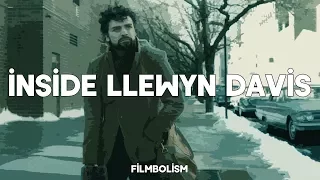
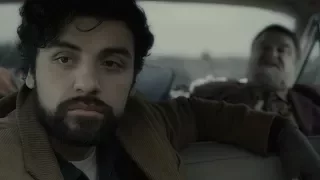
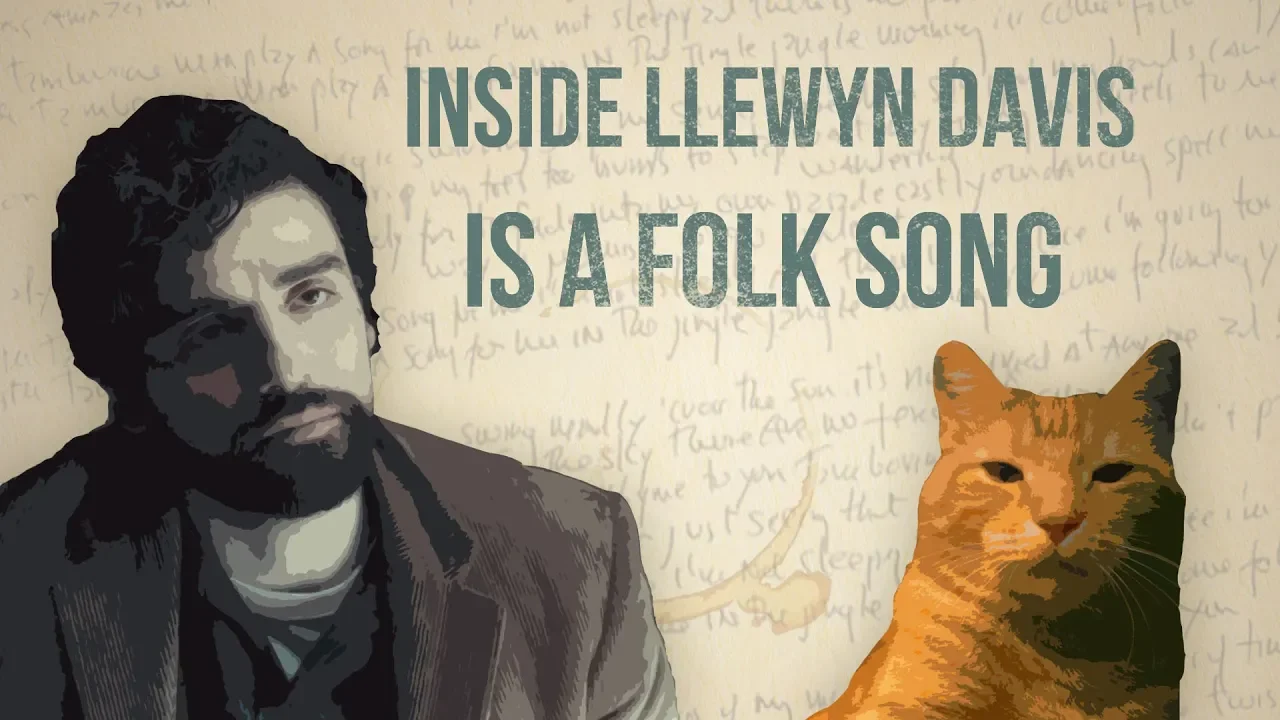
hang me oh hang me I'll be dead no I mean you hang me I'll be dead and gone [Music] wouldn't mind but the lane in the gray so long all around this world inside Llewyn Davis is a folk song the Coen Brothers best film of the decade is nonetheless a divisive one the arguably quite unlikable main character in the strange structure make it a movie that is difficult for a fan of the Cohens lighter comedies or straighter thrillers to approach but for those who give it a chance there is a lot of very intimate emotion
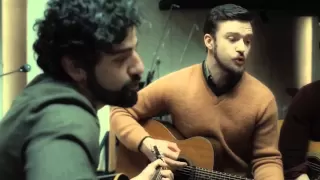
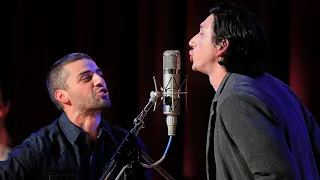
and subtext to discover it provides a critical but still somewhat sympathetic look at the starving artist a talented if flawed individual who's inspired and personal work is constantly overlooked in favor of commercially manufactured products that are easy to mass-market I don't see a lot of money here and who is constantly faced with the question of whether or not it is worth continuing to pursue their dream the movie sees the Cohens reuniting with executive music producer t-bone Burnett who had previously sourced the folk tunes from my brother where art thou for the film's beautiful collection of
live recorded folk songs which lend a deep empathy to the film but the setting of the 1961 folk scene is more than a simple backdrop for a generalized starving artists tale inside Llewyn Davis is actually a deep and introspective take on folk music itself [Music] what's most beautiful about this movie is that it uses its central motif as a metaphor in such an incredible way and I am certain that this is what the entire concept of the film was based around I have long loved folk music in both form subject and tradition but the Cohens
tend a very critical eye to it folk music in the traditional sense is the voice of the oppressed and the working poor there is humor and levity sometimes but overall it passes down stories from generation to generation of heartbreak poverty depression struggle death and loneliness for many generations it passes from the working poor to each other through oral tradition where music and word of mouth is the only form of art and communication affordable to people who as often as not cannot even read or write then in the mid 20th century recording technology becomes widely available
and now folk music is open to everyone even the upper class white yuppies Hulu and his friends with and it touches the empathetic corners of their souls in a way that they may not even think about day to day they no longer have many of these struggles but through the music they can feel like they do for a moment with the safety of actually being well off and it gives a sense of meaning to their mundane existence along in which they have no need for anymore and sometimes they do have some of these longings and
the music helps them become absorbed in them revel in them folk music here is a metaphor for depression which brings us to Lewin Lewin does have some pretty understandable reasons to be depressed he's unable to make money doing what he loves what he is legitimately good at and the world around him seems more interested in crafted commercial products and flash than what he feels is his genuine talent and the music he connects with and cares about for that was never new and it never gets old in with a folk song his father is old and
has dementia and shows him no affection his situation with Jean is pretty messed up and most importantly his musical partner and best friend has died this is the strongest core part of his depression and the conflict that Lewin fails to overcome in the film the meaning and message of this apparent shaggy-dog story is not quite as obscure as it may at first seem Jean spells out the central theme of the film - Lewin in their chat in the cafe you don't want to get anywhere me and Jim try we try you sleep on the couch
it's a bad thing to throw in my face man you know you don't want to go anywhere and that's why all the same [ __ ] is gonna keep happening to you because you want it to yes and also because you're an [ __ ] the film follows the structure of both an individual folk song and the folk tradition as a whole the same core beats repeating over and over the struggle the loss love lamenting its woes and no sudden happy ending but rather wallowing in despair and the folk tradition holding on to these emotions
passing them down from generation to generation it's romantic in its tragedy and that's exactly the point Lewin is in love with his depression in love with a struggle in love with his own hopelessness it's really not that uncommon and I think is something that most people can relate to to some extent because it gives one's life meaning many people have had that time in their life where they obsess over some objective affection be it a person or a circumstance or a physical possession and tell themselves that they can never have happiness until they find this
one particular thing it can give them Drive make them feel like they have real meaning in their lives build up this object of affection in their mind as some ultimate salvation and themselves as a noble hero on the way to achieving that goal likewise this perspective can give someone a certain self gratifying justification of anything that stands in the way of their goal as being a villain an oppressor they may be right or they may be wrong but there is a definite indulgence which is not difficult to find in this state of mind often it's
just enough to feel something strong we the physical palpitation of the heart and the tears in your eyes the swelling in your stomach and this is something that Lewin can not let go of luhan's ultimate failure in his Odyssey is that he is completely unable to move on from Mike's death Mike was his best friend and playing with him building their career together was what made Luanne happy after he dies Lewin stubbornly decides that playing with Mike specifically was the only way that he could be happy in a folk group what are you doing what
are you doing don't do that I know what it is don't do that and the only way he can be happy now is to express his sorrow by continuing to play the songs they played but a line and he can't do that and keep being successful every jerk and selfish music producer he gets in the way of this is his enemy they have the system that keeps him down keeps his life in chaos and they are legitimate obstacles but throughout the film Lewin is presented with possible pathways out of his depression his ex he learns
did not go through with her abortion and he passes by the town where she lives an opportunity to reach out and reconnect with her to become a father and to forge new bonds and find new purpose but he must forge his career as a solo folk artist so he ignores it the cat that Lewin finds is lost like him has no owner without a home and could be a new Bond in his life but he leaves it behind alone in the darkness to carry on with his path it is also likely a metaphor for genes
fetus as we can see an animal later struggling bleeding on the side of the road perhaps that same cat perhaps not or perhaps it is the opportunity of being a father that Lewin is against wandering he is given the opportunity to sacrifice what he has built up as this idea of perfect authenticity to be part of a folk group but he cannot fathom singing with anyone but Mike he refuses to even entertain the possibility he has given the opportunity to join the army which is his chance to escape his journey not for happiness but to
become a mindless automaton the way that he feels the marine in the first the film is to escape his emotion but he gets one more chance to stick to his path and he takes it this chance may actually be a way for him to escape his situation but Lewin refuses to let go of his struggle and resentment and gets drunk and abusive the night before which leads to him ending up exactly where he started even Bob Dylan's appearance at the end seems to be mocking luhan's loss potential was Dylan performing a tune with very similar
themes to luhan's farewell as Lewin lies in the dirt beaten and broken back down again but the difference is that Dylan's Jean well based heavily on the same folk songs Lewin sings is an evolution and original work Dylan takes from the past but innovates whereas Lewin cannot move on he refuses to evolve and change to create success for himself the ending is still a bit of a mystery to be honest as a situation surrounding it seems different and it doesn't really make any sense as any sort of literal time leap but the event plays out
more or less identically which suggests to me that is more of a metaphorical than literal repetition like a folk song the first refrain reoccurs in the last refrain an acceptance of the situation there's a thought there that it's not going to change that the struggle is eternal and it may be hard to escape anyone who struggled with depression knows that but we understand now that for Lewin it's more than that he doesn't want it to he's in love with his struggle with his hatred with his feeling of being an outsider his own self-pity and his
inability to complete his cathartic journey over the death of his friend it gives his life a sense of purpose his constant misery and he has built up that there is only one goal which will make him happy closing himself off to all other possibilities folk music and self-indulgent depression hand in hand is the true tragedy of inside Llewyn Davis [Music] that's what I got thank you for watching if you enjoyed please consider liking the video and subscribing to my channel I'm really enjoying making these essays looking deeper into the films that I love so there'll
be plenty more to come along with my own films and updates on my new feature film project it's an exciting time and I'd love if you could join me on this journey thank you [Music]