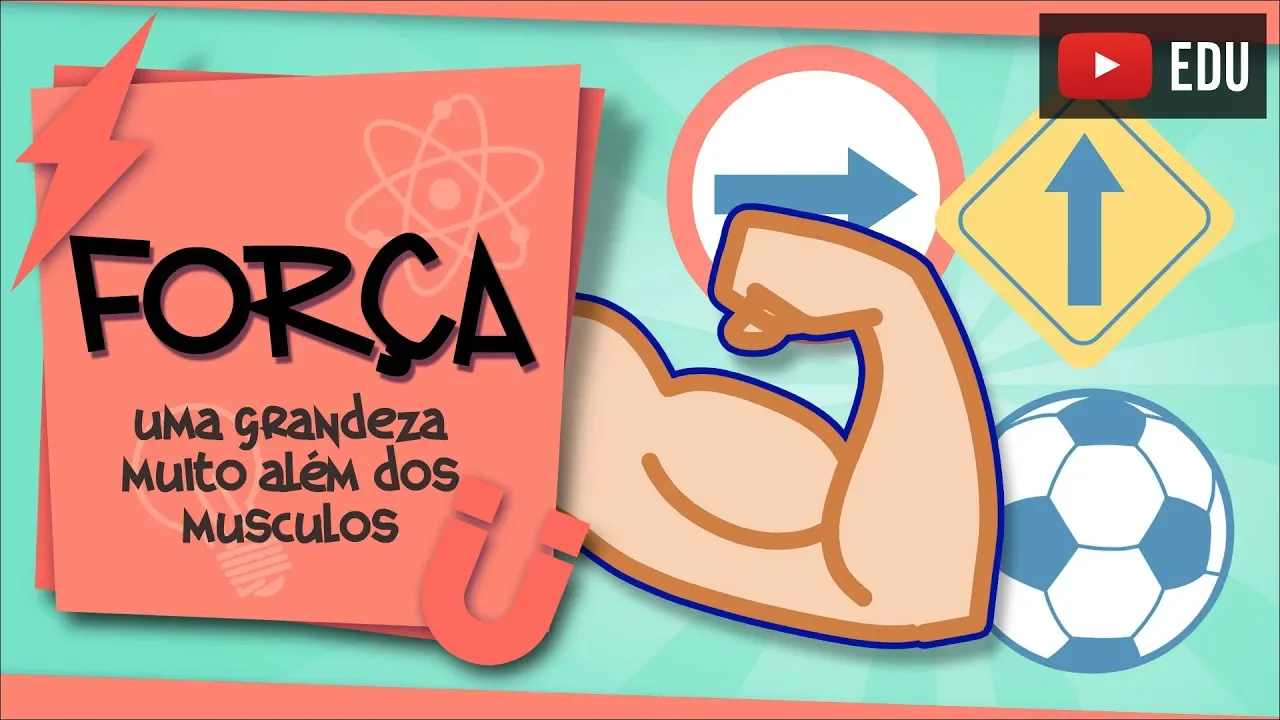
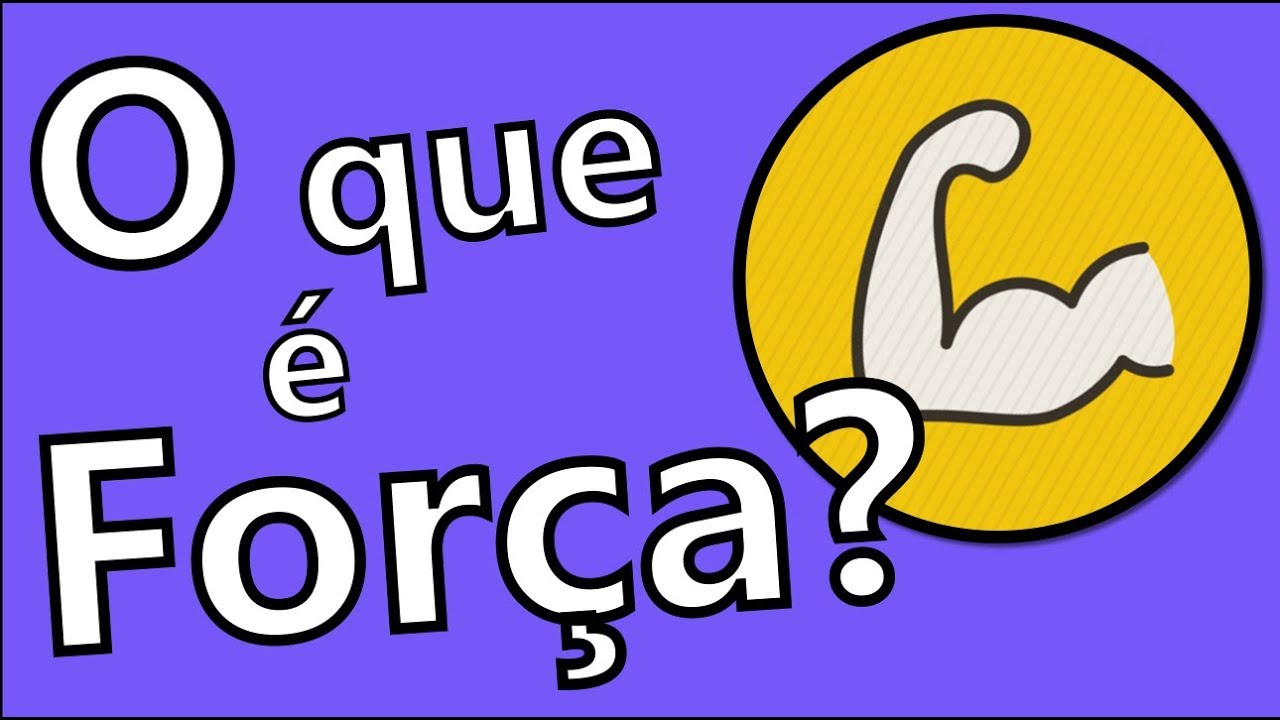
Hello, little scientists, I am Professor Bill Tyson and together we are going to know different forms of science. When we talk about energy we see a bit about movement and today, we will see about a concept that also deals with movement. I'm talking about the Force.
(Star Wars music and sounds of lightsabers) It's not that force. The force that I am referring to is that capable of putting an object in motion. For example, if a stopped object moves, we can say that a force has been applied for this to happen.
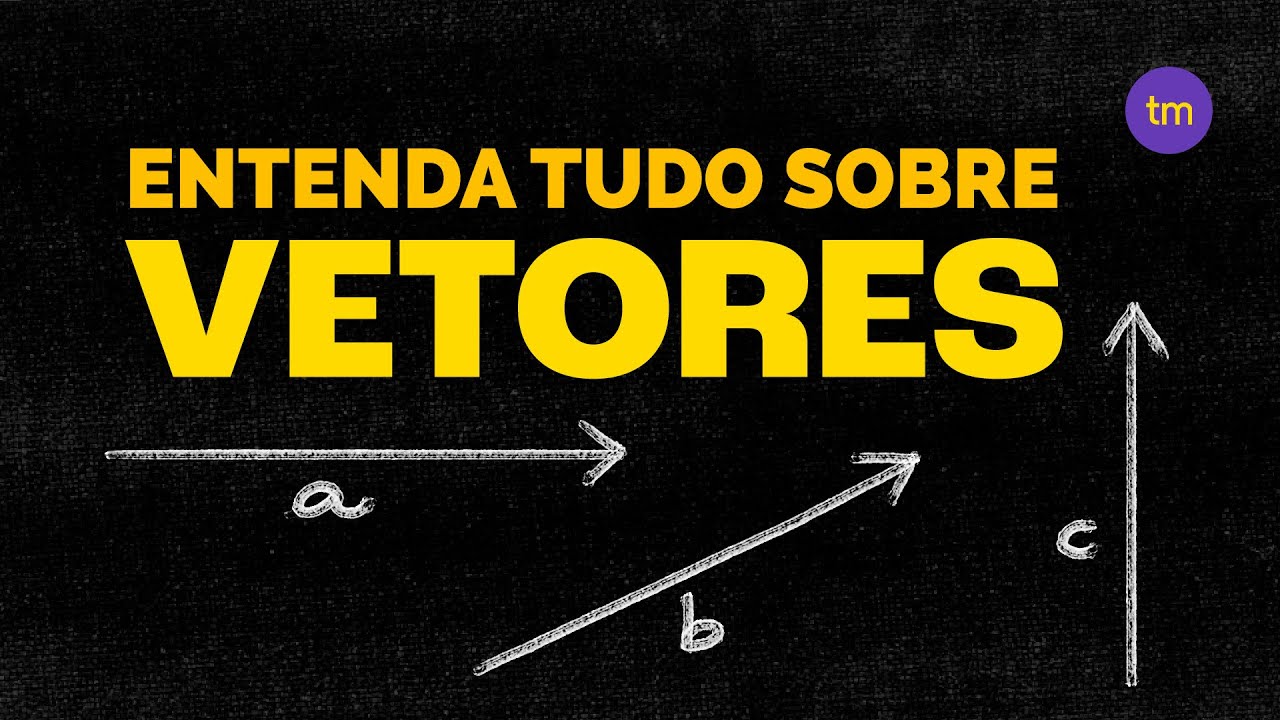
Let's see better how it works. The Force is a vector greatness. This means that it has three factors: The module, which is how much force is applied.
The direction, which is the straight to where the force goes. It is meaning, which means the point where the force departs and where it goes. A very simple example.
If we have a soccer ball and we push it, we can then define the module, which is how much force I needed to apply so that the ball began to move. The direction, which is the straight line that this ball will go through. And the sense, for you who is watching the video she went from left to right.
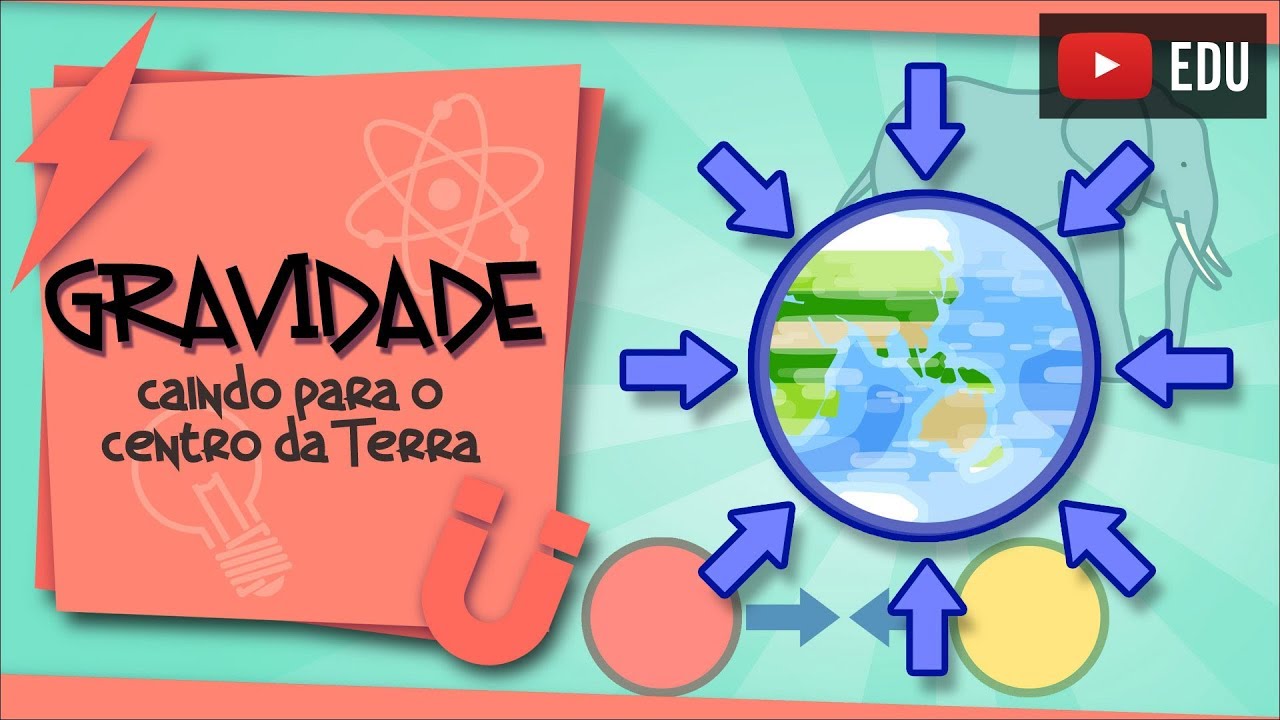
There are several types of force: magnetic force, gravitational force and others. The standard unit of force measurement is Newton (N). In honor of the great English scientist Isaac Newton.
So, pushing, pulling, lifting . . .
are all examples of Strength. For now, it's just personal, see you next time. And then?
Want to help me reach out to smaller scientists? Share this video.
![LEIS DE NEWTON - [FÍSICA DO ZERO]](https://img.youtube.com/vi/iuPrkzJp20I/maxresdefault.jpg)





![COMO CALCULAR O TRABALHO DE UMA FORÇA? - [FÍSICA DO ZERO]](https://img.youtube.com/vi/eiOw1fmwx5g/maxresdefault.jpg)