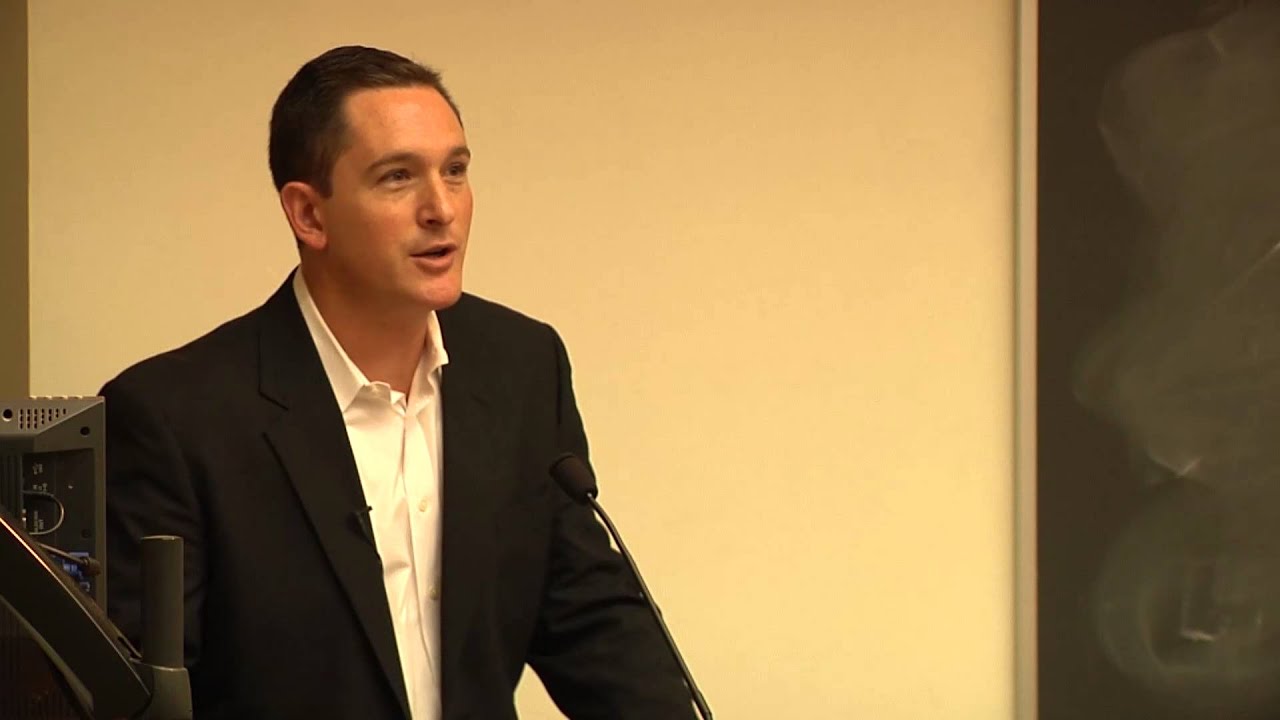
if India and China are wealthy that's great Adam Smith said you don't want poor neighbors you want wealthy neighbors hi I'm Ted balaker with reason TV and today I'll be speaking with Professor Joyce applebe applebe is a historian at UCLA her most recent book is the Relentless Revolution a history of capitalism let's talk about the title it's the the Relentless Revolution why did you title it that way because capitalism produces a Relentless Revolution as we can tell by reading The Economist every week or picking up the New York Times or Reason magazine I'm sure it
there constant change because as I insist my book that capitalism is really a cultural system based on an entrepreneurial economy it impinges on everything in a society it's got a vicious appetite for money but energy and talent and and innovation this is very uh disruptive of settled ways and that's one of the recurring themes in the book is this idea that there is an upheaval that harms people and then progress later on can you address that we had The Agrarian Revolution the industrial right Evolution as you call it and today with I didn't I said
it wouldn't catch on we're trying we're trying both the agricultural changes and the industrial ones more evolved than re than produced a revolution they are absolutely essential developments for capitalism to emerge because as I said you have capitalist practices but you don't have capitalism until the economy dominates political thinking provides people with a new vocabulary for talking about change inspires new social values so that people don't want to do the same thing that their grandparents did but accept Innovation and change and you say that Commerce alone is not capitalism no Commerce is old as as
hamurabi you know it's been around for Millennia and it and Merchants stayed within their place in society basically aristocratic societies but capitalism couldn't keep its space because it involved people took laborers to produce for capitalism so it could not content itself with a little interstitial space in society it had to come to dominate because it had to change laws it had to free up uh Market exchanges and the like and this took political power so capitalism has this propulsive force that Commerce alone does not you talk about capitalism being rooted in culture and not just
an economic process as a lot of people think of it and changing Minds changing habits I think one of the interesting points was the idea that in pre- capitalist Society famines weren't necessarily something to be fixed right it was just sort of the way could you because that seems so strange to us today could you explain that mindset well yes I think that in the traditional Society they had one of the reasons they had tradition that endured is because everything remained the same the only variations you had uh actually were agricultural Harvest good years brought
Prosperity maybe a little more spending little Fuller stomachs bad years belt tightening often famines but everything repeated itself and because it repeated itself it just seemed like this was the way it was supposed to be and what about now in the 21st century everybody is uh you know sometimes there's a lot of talk today about uh whether America is is in Decline uh there's a lot of press about China having the second biggest economy now although ours is still vastly bigger you you touch on some of the reforms in the in the 1990s that India
implemented right to get rid of the license Raj all these kind of Byzantine restrictions red tape since the history of capitalism seems to be uh you know there's a new country right around the corner what do you think the future will bring now you know I'm an historian I'm not I'm a lot better at explaining the past than I am predicting the future well I'm asking you be a futurist now right I have great confidence in America I think it has real problems real challenges I think we're going through an awfully bad patch now I
think our politics now are kind of preventing us having an industrial policy and doing many of the things that we ought to be doing but I cannot believe we won't do it I and I think if India and China are wealthy that's great Adam Smith said you don't want poor neighbors you want wealthy neighbors the more wealth there is in the world the better off it is for everyone not only in the sense of personal lives but just in the growth of the economy of innovation uh perhaps getting to a point where we'd have a
great deal more leisure in the world that's such a important point I think because I think a lot of people have the mindset of like this is some Global you know football game or war or something that if we Ascend that means someone else drops the Zer sunpai has never applied to a capitalist economy it's never been a zero sunpai it's always expanding and uh what about public opinion in and how people view capitalism these days if you at recent polls even in the United States if you ask people what do you think about capitalism
it gets mixed reviews what do you make of that I don't think that the criticism goes very deep because there isn't a conspicuous alternative and that's a good point how how would capitalism stack up against competing systems well I think it stacked up pretty well against competing systems I mean I know people who are unhappy about the economy are kind of horrified when you say that I think that we're as I say I think we're in a very bad patch I think it's terrible that you have the income inequality and the drop in income that
we've seen and a decline in Social Mobility that we've seen in the United States in the last 20 30 years those are serious problems and I'm not minimizing them but I all it takes is political will to solve those problems uh you have an interesting line I think exploitation is not exclusively capitalist but wealth creation is can you explain that well say capitalism exploitative and of course that's what Marx dwelt on because there were horrible conditions in factories in the 19th century and in in the world today there are uh but the exploitation in traditional
societies was just Dreadful so you know the peasantry was treated with contempt peasant daughters were seen as just the natural sexual partners of of the aristocracy I mean people who think that capitalism is is the major exploitive system simply don't know very much about the Middle Ages or the 14th or 15th 16th centuries um and the reason I contrast this with wealth generating is because this is what capitalism has done we're in this building because of capitalism they didn't have buildings like this they didn't have information technology they didn't have the University of California uh
so you can't you can separate the good from the bad but they are kind of Link link together if you want this level of enjoyment of science the Arts entertainment food Transportation information Etc then you have to be recognize what's generating the wealth to produce it fellow kicking screaming three quarters through the 20th century do man secured me so well curiosity help with learning and teachers try to educate me on as well I'm lucky don't you know