For everyone, there are the same heroes. In this French team, anyone can find their idol. .
. . the adulation of a nation that has had its dark days in recent times but now has something to celebrate and bring the country together.
Every World Cup has its protagonists. In 2022, France is one of them. Can France go on and win back-to-back titles after their 2018 World Cup success from Russia?
The defending champions, France, have made quite an entrance into the World Cup. We hope not, because we are talking about the defending champions. Mbappé is an explosive player, if he starts running, you can't stop without a foul.
In addition to having the main players on the planet, in this generation, it also has the backing of being the current world champion. But there's something strange with the French team, and if you've been following the news in the past months, you may have noticed it too. One of the reasons for this feeling comes from an inheritance that afflicts one of the most traditional national teams in the world, and like everything in football, it involves something that doesn't happen only with the players, but with people all over the country.
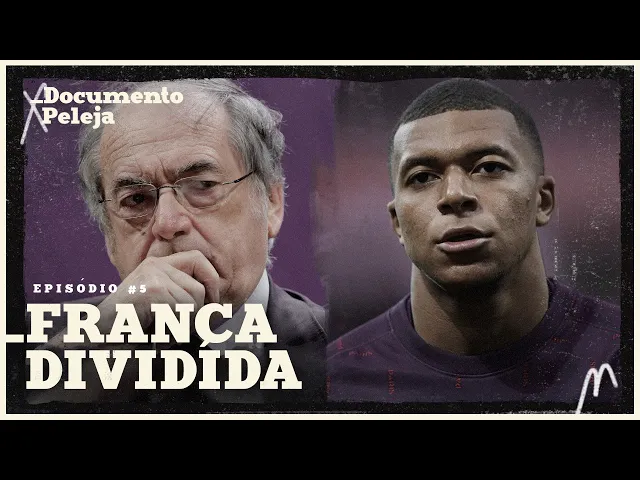
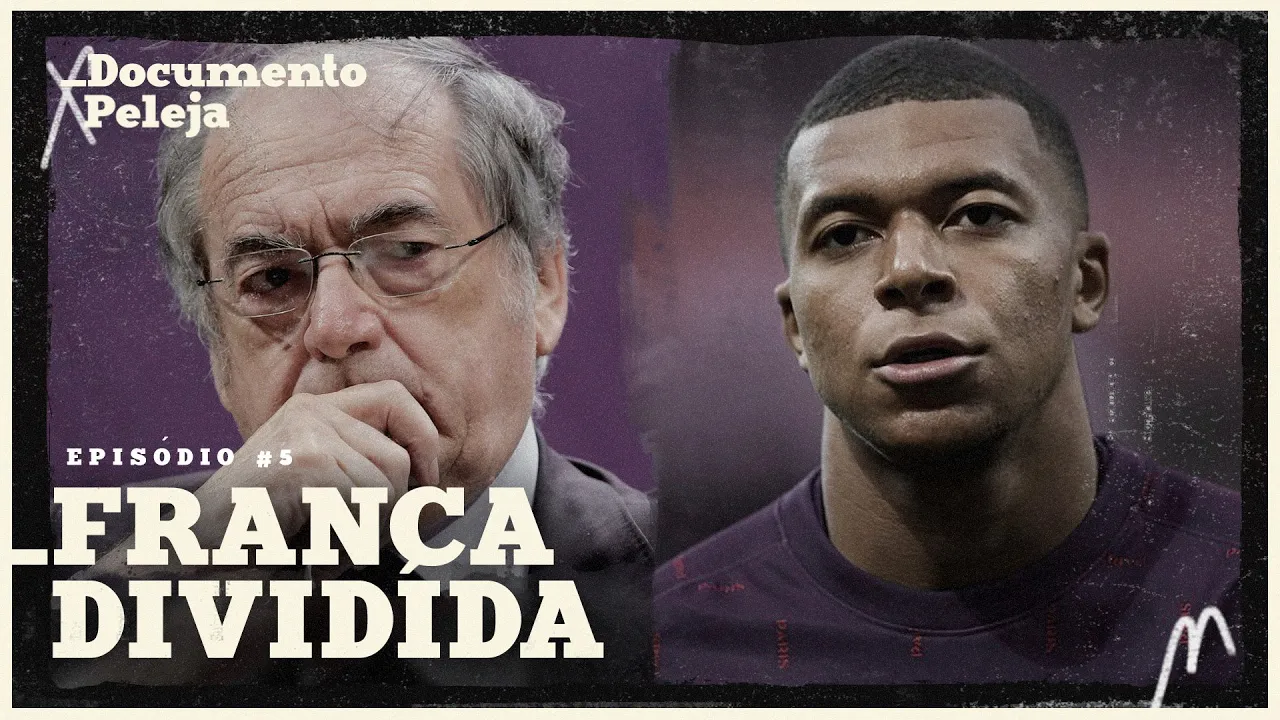
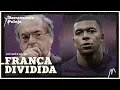
This is PELEJA Document and I'm going to tell you what's happening. PELEJA Document Episode 05 THE FRENCH DIVIDE This guy might be the person who has lived through the most ups and downs since the last cup. Today, he is considered by fans and parts of the Brazilian media one of the most spoiled footballers because of the relationship crisis at PSG.
All strikers in the world. . .
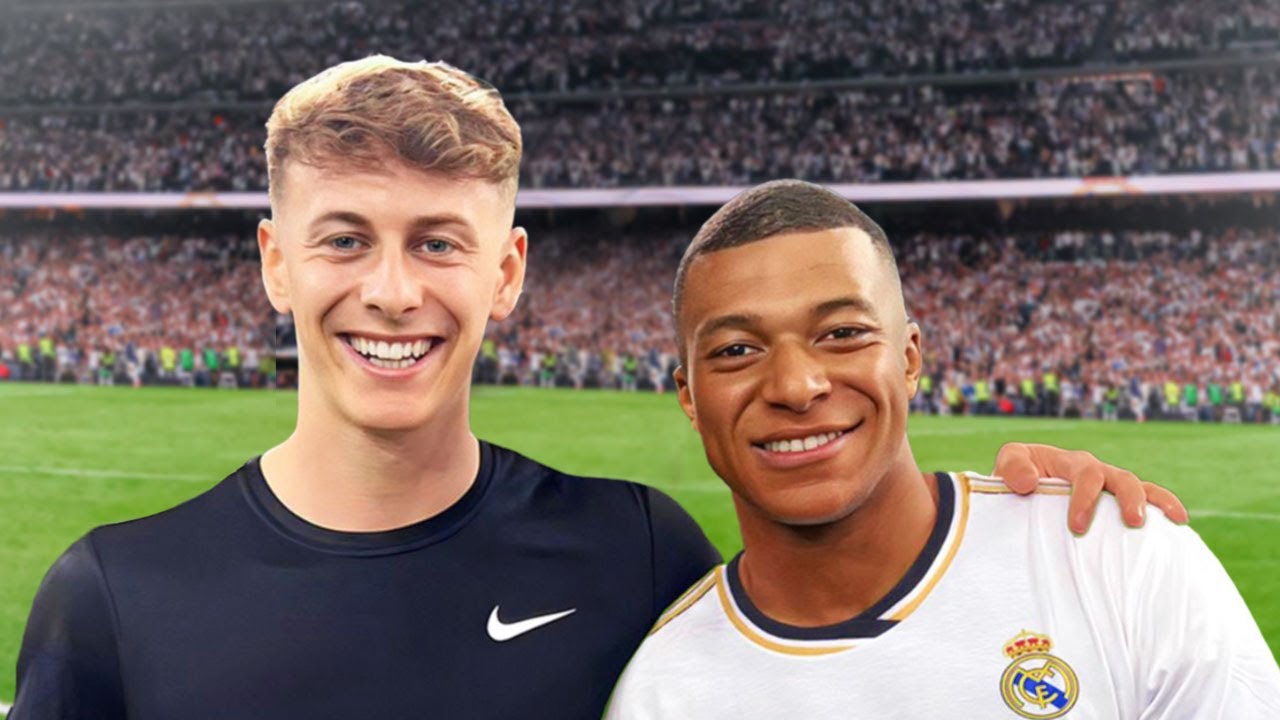
All strikers in the world would love to have the role that Kylian Mbappé has. A guy like Mbappé, who has refused Real Madrid to stay at PSG for tonnes of money. .
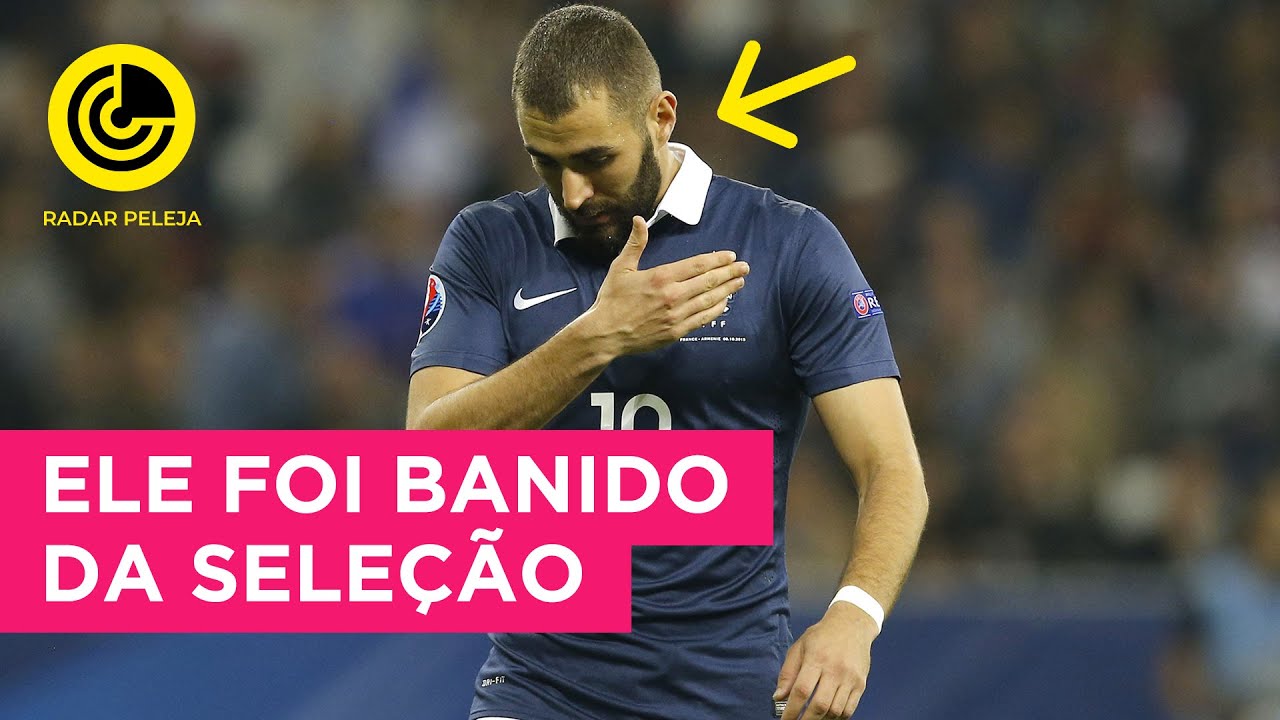
. Has a screw loose. But in 2018, he was the most promising young player in the world, a football star, France's number 10 and world champion.
Additionally, he had a sort of magnetic charisma. Actually, many from that national team had that same energy. Kanté with his simplicity, Pogba with his showmanship, and Mbappé with his youth and incredible skill.
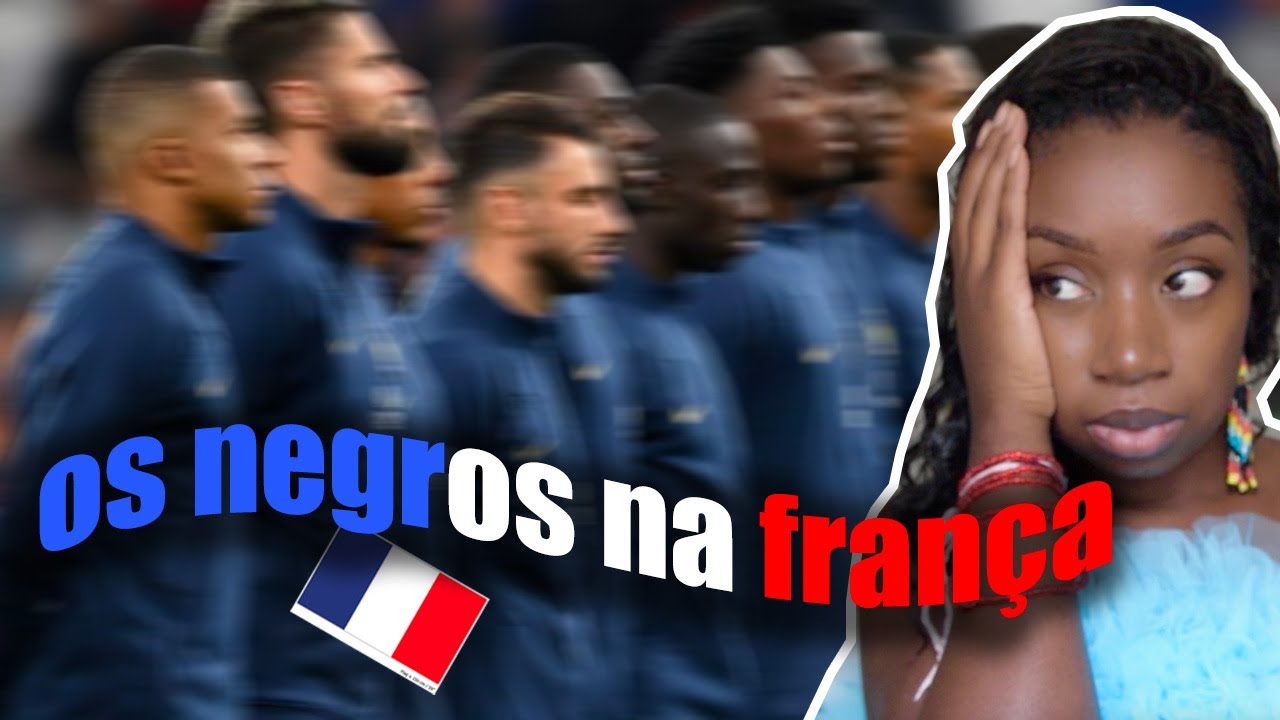
But if you pay a bit more attention to these three guys I mentioned, you'll see they have something in common, and this has become a central discussion in the media as soon as they won the World Cup. Africa won the World Cup! Africa won the World Cup!
Africa won the World Cup! Africa won the World Cup! I mean, I get it, I get it.
They have to say it's the French team. . .
But look at those guys, huh? If you haven't seen this bit by American comedian Trevor Noah in 2018, you might have seen this drawing by cartoonist Mahmoud Alrifai on the internet. After mass migration from Africa into Europe, which peaked in 2016, the discussion about who had really won that World Cup got heated.
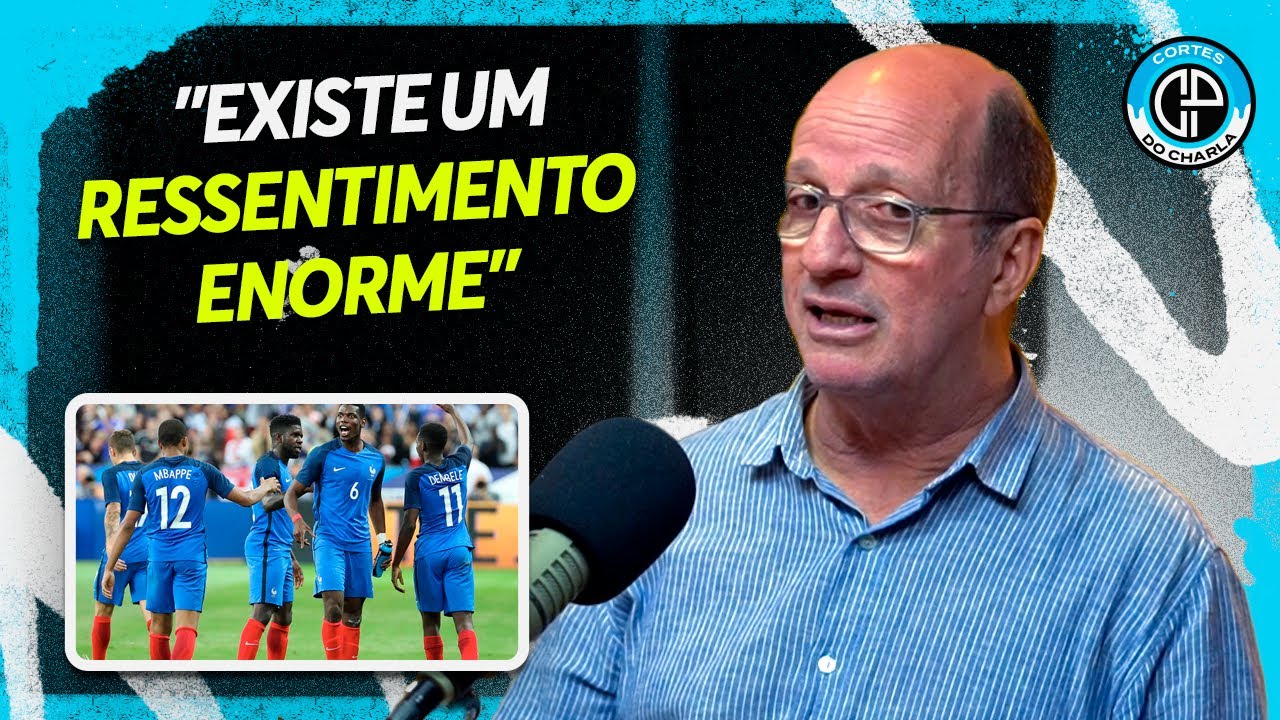
And the French team — despite not being the only one with athletes of African origin — became the symbol for this identity crisis that is going on today throughout Europe. In June of this year, Mbappé himself exposed this issue. Firstly, the long time president of the French Football Federation, Noël Le Graët, decided to reveal in an interview that Mbappé hadn't dealt well with the criticism of the press and of the fans after he missed the deciding penalty of the Euro 2020, to the point where he asked not to play for France any more.
But in response, using his own Twitter account, Mbappé said that when he had this conversation with the president, he didn't complain about the criticism, but about the racism he was suffering and that he felt that nobody in the Federation was doing anything to prevent it. In November of 2022, the month of the World Cup, when he was in the cover of Sports Illustrated, one of the most important sport magazines in the world, he gave more details and explained that he didn't want to play for people who thought "he was a monkey", but he decided to continue to show these people that this was the new France. But this talk is nothing new there.
To understand why I called this an "inheritance" within the French team, I need to explain something first. After the end of World War II, France became one of the countries in Europe that received the most immigrants. At the time, they needed manpower to help rebuild the destroyed country.
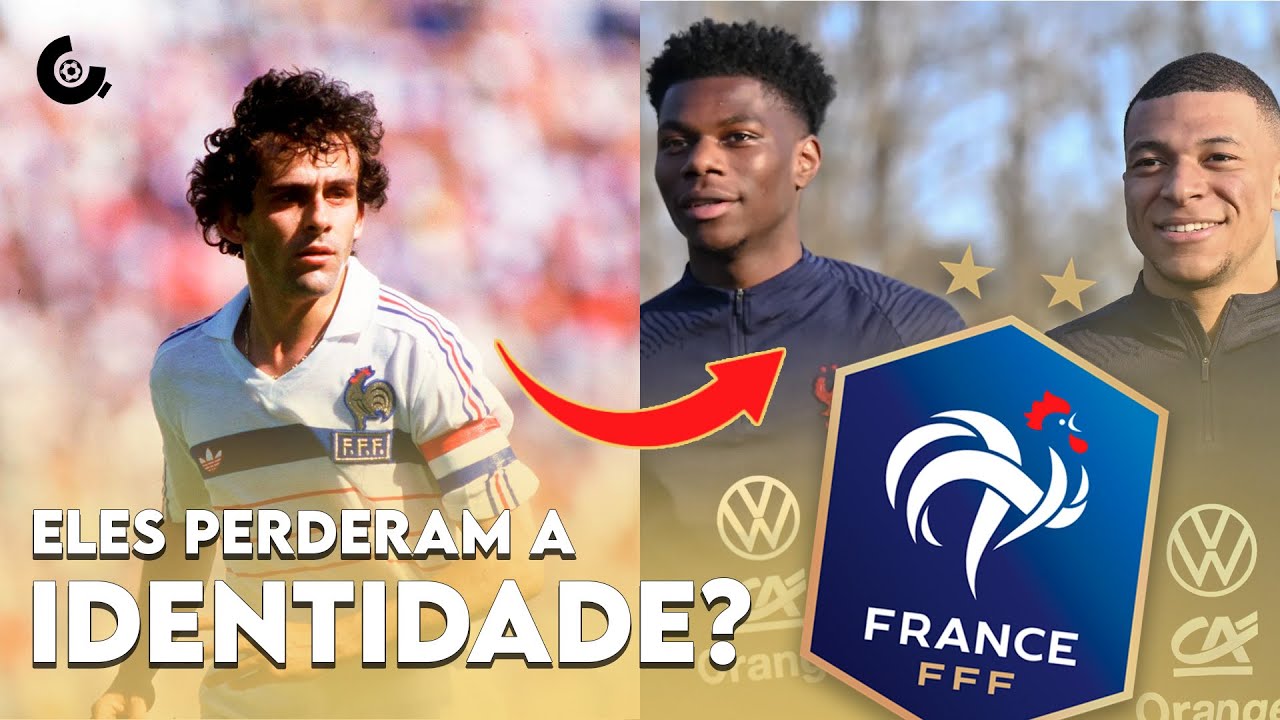
The majority of these people came from the former African and Arab colonies, which established a new layer within French society. This new diversity became the great emblem of the most important national team until the arrival of this most recent generation. I'm talking about the 1998 champions.
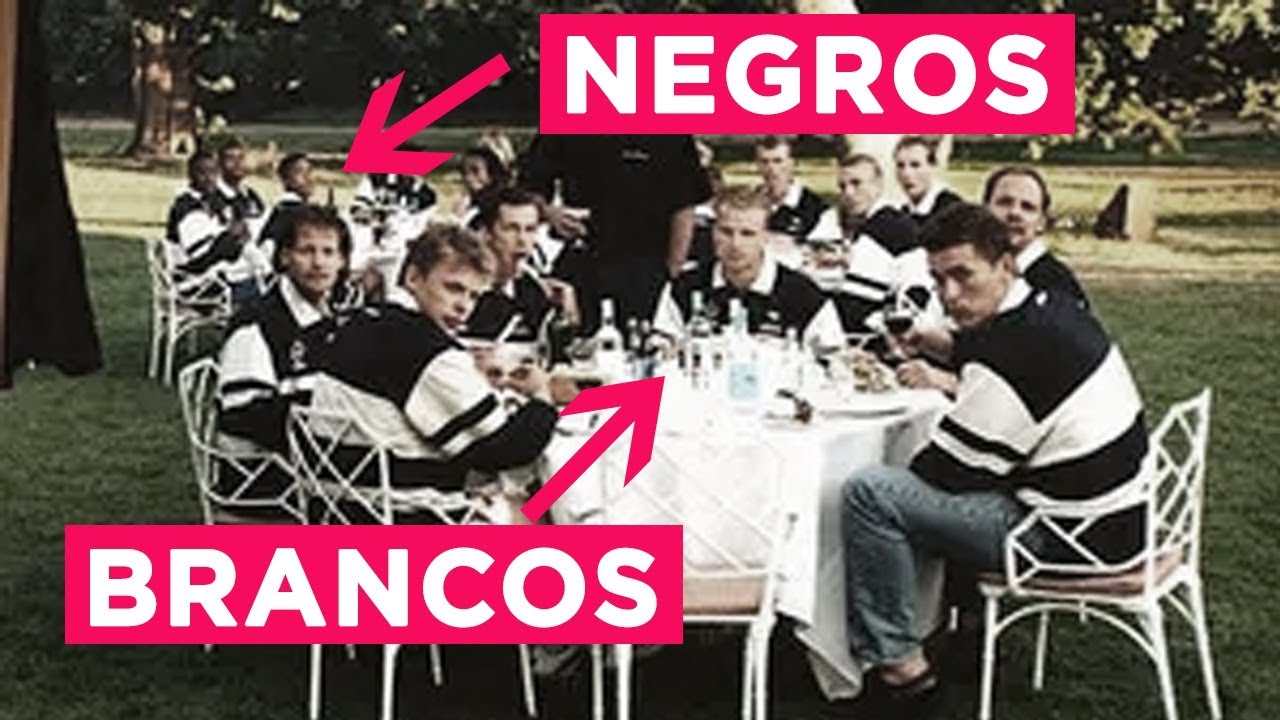
At the time, a portion of the French celebrated the talent of the group of comprised of whites, blacks and Arabs, and how this helped achieved the first world title. Especially because the star was Zinédine Yazid Zidane, a descendant of Algerian Muslims. But much like other European countries, parts of the society never accepted this mixing when it was time to represent the country in football.
These people have their place in politics and in the highest positions within the Federation. In 2011, one of the biggest scandals related to this issue happened when a leaked audio exposed manager Laurent Blanc talking to a director about a limit for black players in the national team. With this past history, this year, the tension within the national team seems to be going up again.
Dozens of injuries took many important players out of the World Cup, and the team's biggest star seems to be completely out of touch with the rest of the Federation. This is because in addition to the ignored racism denunciation, he is also in a fight over image rights, that, to him, aren't used as they should. The truth is that he doesn't want the Federation to use his likeness for advertising because he doesn't trust the people in it.
And he is not the only one. A few months before the World Cup, the French magazine <i>So Foot</i> published an entire edition exposing the inappropriate behaviour of president Noël Le Graët with employees of the Federation. Practically a standard in global football, since the last president of the Brazilian Confederation, Rogério Caboclo, was removed from office after an exposé that showed explicit harassment against a secretary.
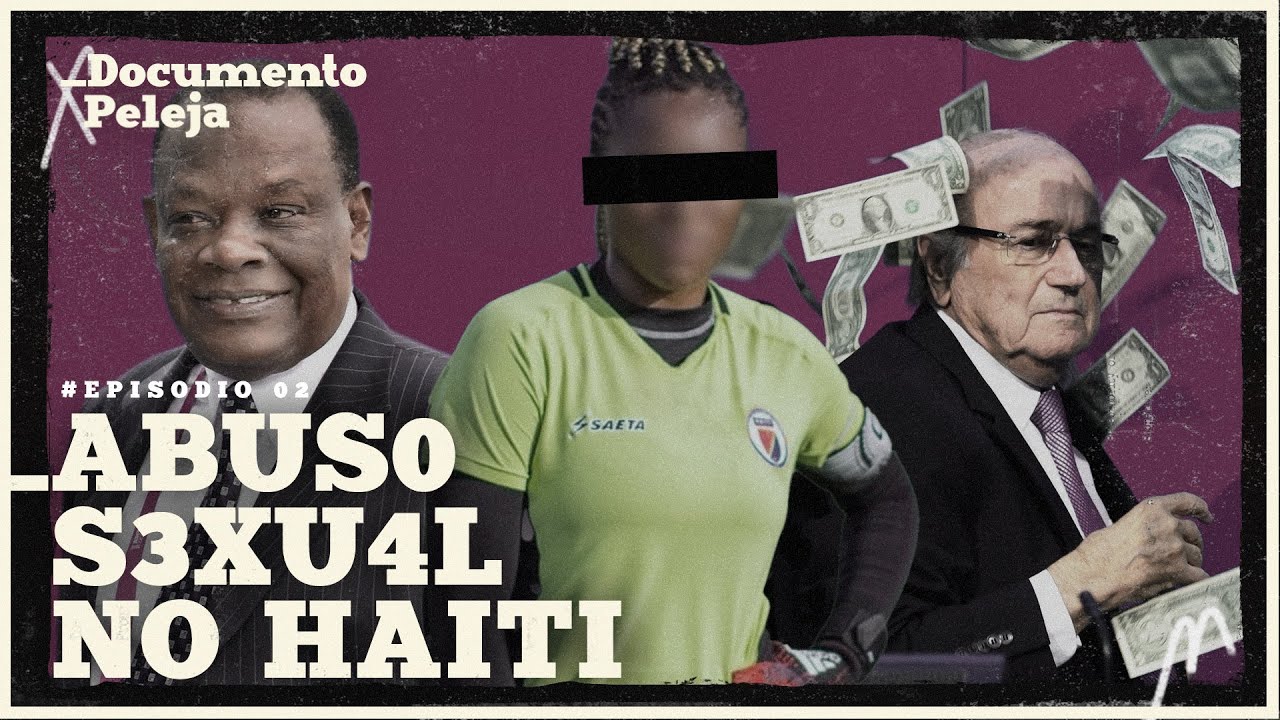
A few days later, journalist Roman Molina revealed an even bigger issue that involved the children who trained at Clairefontaine, the official training ground of the Federation. Similar to Granja Comary in Brazil. A very similar exposé to the one we talked about here on PELEJA Document regarding Haiti.
It's in this training centre, near Paris, that most players of the national team took their first steps, since they had a very similar background: Children of immigrants, who live in the outskirts of the biggest city in the country. Yes, the ambiance of the dressing room, the hotel, and even the training centre of the French team is chaotic. It's not the first time.
In previous World Cups, this was clearly reflected on the pitch, with terrible campaigns by very talented groups. I imagine that most comments, especially during a competition such as this, will poke fun at this situation. But the crisis in the French national team could have something to do with football, but over there, this is a much deeper subject.
. . .
Article one of the French constitution, let's take a look. It says "France is an indivisible, secular, democratic and social Republic, that ensures the equality of all citizens before the law, without a distinction of origin, race or religion. " Essentially, France likes to think about itself as a colour-blind society.
You know, it's noble in theory, but often mocked by reality. Muslims, get out! For the border!
For the nation! Stop immigration! This is PELEJA Document.
The PELEJA show that investigates and shows a side of football that nobody wants to talk about, but that everyone sees. This episode is part of a three-part series especially made for the 2022 World Cup. So if you enjoyed the video, don't forget to subscribe to PELEJA to know about the other episodes and leave us a comment.
Until next time.