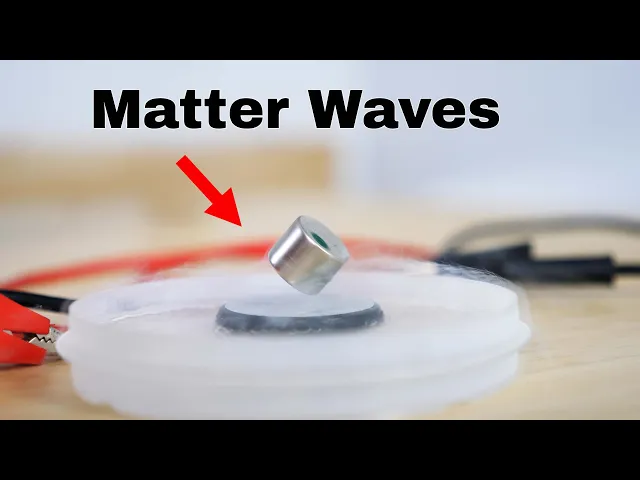
this is a superconductor it has zero electrical resistance but is that really true well today I'm going to attempt to measure the resistance of a superconductor as we cool it down and see if it actually drops to zero then I'll explain how it's possible that electrons in the superconducting state can never bump into an atom or even impurities and they truly have zero resistance I have a ybco super conductor here you can see that it looks really thick but it's only a a few millimet thick the back of it is just a casing that keeps
it stable because this stuff is really brittle and it also has some foam in there if you want to pour liquid nitrogen in here to keep it cool for longer now measuring the resistance of a conductor especially a super conductor is a bit tricky if I try to measure the resistance with my normal digital multimeter you can see I just get zero now copper has low resistance but it's not zero normal digital multimeters like this one can't measure such small voltage drops so they often just display zero resistance for good conductors you have to use
something called the fourpoint method in this case what you do is set up one circuit to send a current through whatever you're measuring then you have another circuit that measures the voltage between the points on your sample if the sample has resistance the voltage will be higher at one electrode than the other and using ohms law which says the resistance is equal to the voltage divided by the current you can calculate the resistance so I'm getting around 1.6 milliohms here here so a very low resistance but this is a good conductor here but now let's
compare it to a super conductor as you can see it drops and then suddenly it plummets to zero so we're getting literally zero resistance across the probes here this means that the voltage drop across these two electrodes is zero we're running a known current through it and applying Ohm's law but since the voltage is zero the resistance is literally zero okay it's now super conducting now this fourpoint method is nice because it means we aren't measuring the resistance of the wires that are taking the measurement or the contact resistance of those wires on the superconductor
but let's watch what happens when I take it out now still super conducting with it warming up it's easier to see how it transitions out of its superconducting state and then rapidly increases in resistance so the current in a superconductor will literally flow forever as long as it stays in its superconducting state but how is that possible there have to be some impurities or imperfections that make it not actually zero things like that don't happen in classical physics but in quantum physics they do when electrons flow through a normal conductor they sometimes bump into atoms
in the positively charged lattice of metal atoms this causes the atoms to wiggle a little bit which we know as heat but some something odd happens when you cool down the atoms enough as the electrons flow through the lattice they pull on the positively charged atoms around them to a neighboring electron this area now looks positively charged so it's actually attracted to the region where the other electron is this causes the electrons to move together in pairs called Cooper pairs these pairs of electrons act as though they're bonded together now the physics of bonded electrons
gets really interesting electrons are what we call fermion which have a spin of 1/2 they obey the poly Exclusion Principle which states that they can't be in the same Quantum State at the same time and the same place however when two electrons bond together in a Cooper pair one has a spin of up and the other has a spin of down combining together it gives them a total spin of zero this turns that pair into what's called a bon bons unlike ferons don't obey the poly Exclusion Principle so they can all occupy the same Quantum
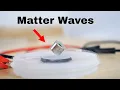
State just like photons in a laser remember how we can make photons coherent in a laser all with the same wavelength and same phase well a similar thing happens with the electrons in a superconductor now they all get in Phase with each other and occupy the same Quantum state so they no longer behave like individual point-like charged particles in the superconductor but they act like one single wave in the superc conductor now and the electron wave has a larger wavelength than the spacing of the atoms in the superconductor in in this wave simulator you can
see that when we have a barrier that's on the same order of size as the wavelength it scatters the wave but when the wav length is much bigger than the barrier the wave just moves on undisturbed this is what's happening in the superconductor the energy to break up this wave is larger than the energy available in the atomic lattice so the electron wave moves with no resistance even though there are impurities in the superconductor now before we continue just like Cooper pairs Glide smoothly through a superconductor having the right support in your life can help
you glide through life's challenges better help is the world's largest therapy service and it's 100% online with better help you can tap into a network of over 30,000 licensed and experienced therapists who can help you with a wide range of issues to get started you just answer a few questions about your needs and preferences in therapy that way better help can match you with the right therapist from their Network you can communicate with your therapist in whichever way you feel comfortable whether it's through messaging phone or video call you can message your therapist anytime through
the app or online and schedule live sessions when it's convenient for you and if your therapist isn't the right fit for you for any reason you can switch to a new one at no additional charge with better help you get the same professionalism and quality you expect from in-office therapy but with a therapist that's custom picked for you more scheduling flexibility at a more affordable price so get 10% off your first month at betterhelp.com actionlab or you can click the link in the description and thanks to better help for sponsoring this video now let's get
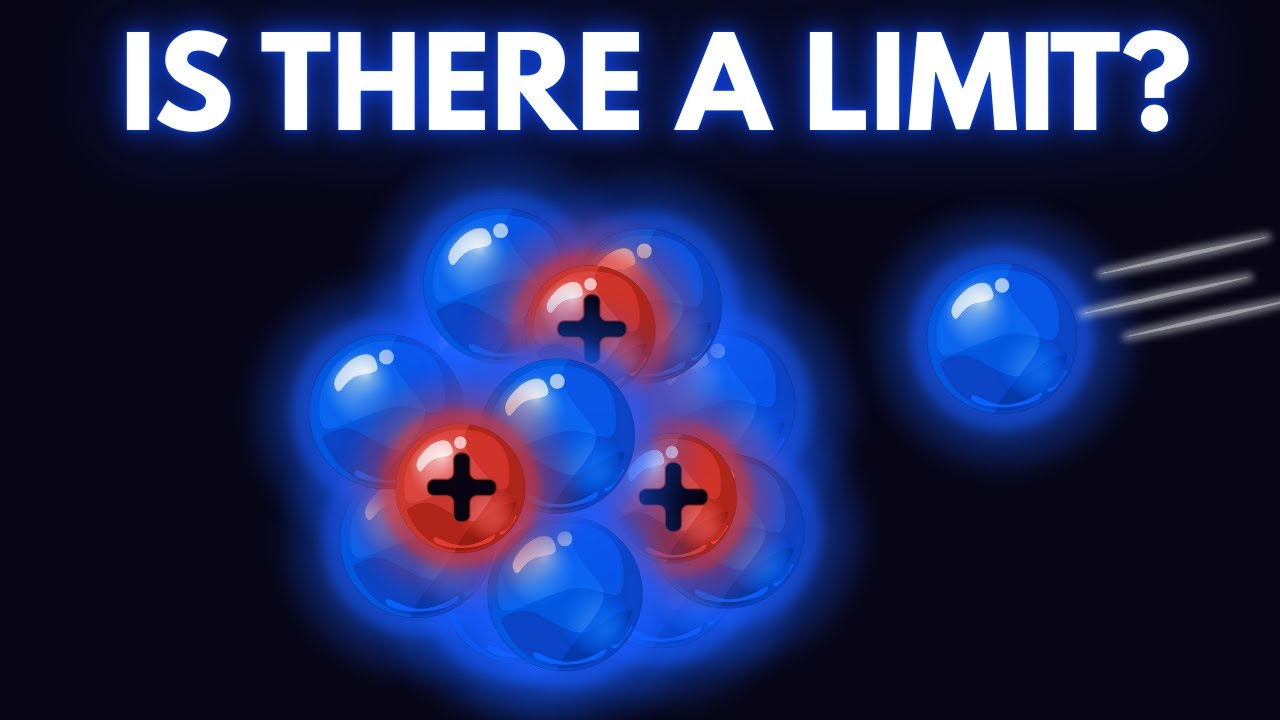
back to our experiment the magic of superconductors only happens because electrons are surrounded by positive atoms but what happens if you increase the current too much so there's too many electrons well with too many electrons the shielding effect becomes insufficient so they can no longer form Cooper pairs when this happens the electrons start acting like regular electrons again bumping into atoms and the material stops being a superconductor but this phase transition only happens at really high currents for example I can put 10 amps through the superconductor and it still acts like a superconductor 9.79 amps
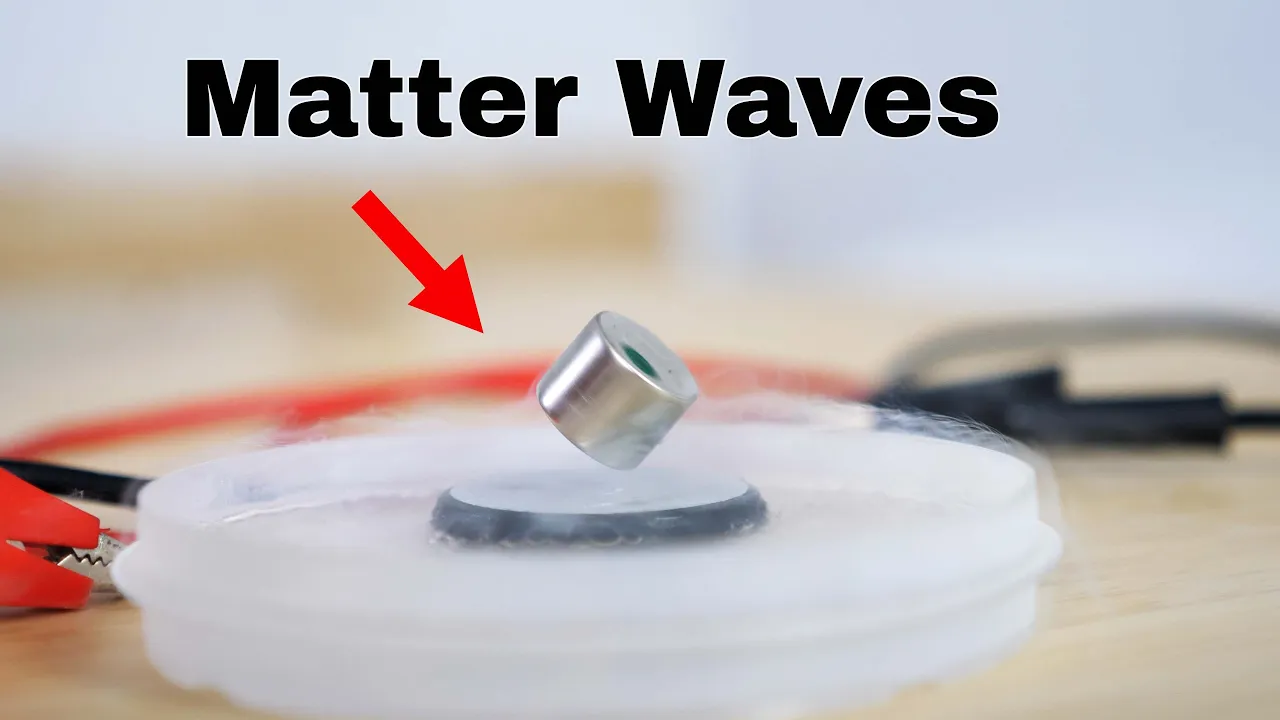
going through it right now so we're nowhere near the saturation limit which is crazy that means I can hook up my car battery to it like this and it can pump as much as 600 amps through it and it'll still remain a superconductor still super conducting oh the leads would melt long before any heat was generated in the superconductor material itself if I generate a current in the superconductor by moving a large neodymium magnet over it I should be able to see if the current is still there by measuring its magnetic field if there were
any resistance the magnetic field would eventually die away but you can see that no matter how long I wait I can still detect the magnetic field on the superconductor now I should mention that the superconductor I'm using here is a high temperature super conductor normally superconductors require temperatures near absolute zero so scientists believe there are additional mechanisms at play at these high temperature superconductors because the temperature should be high enough to destroy Cooper pairs but somehow they exist but if we can better understand these mechanisms in the high temperature superconductors we might be able to
create a room temperature superconductor and thanks for watching another episode of the action lab and we'll see you next time [Music]