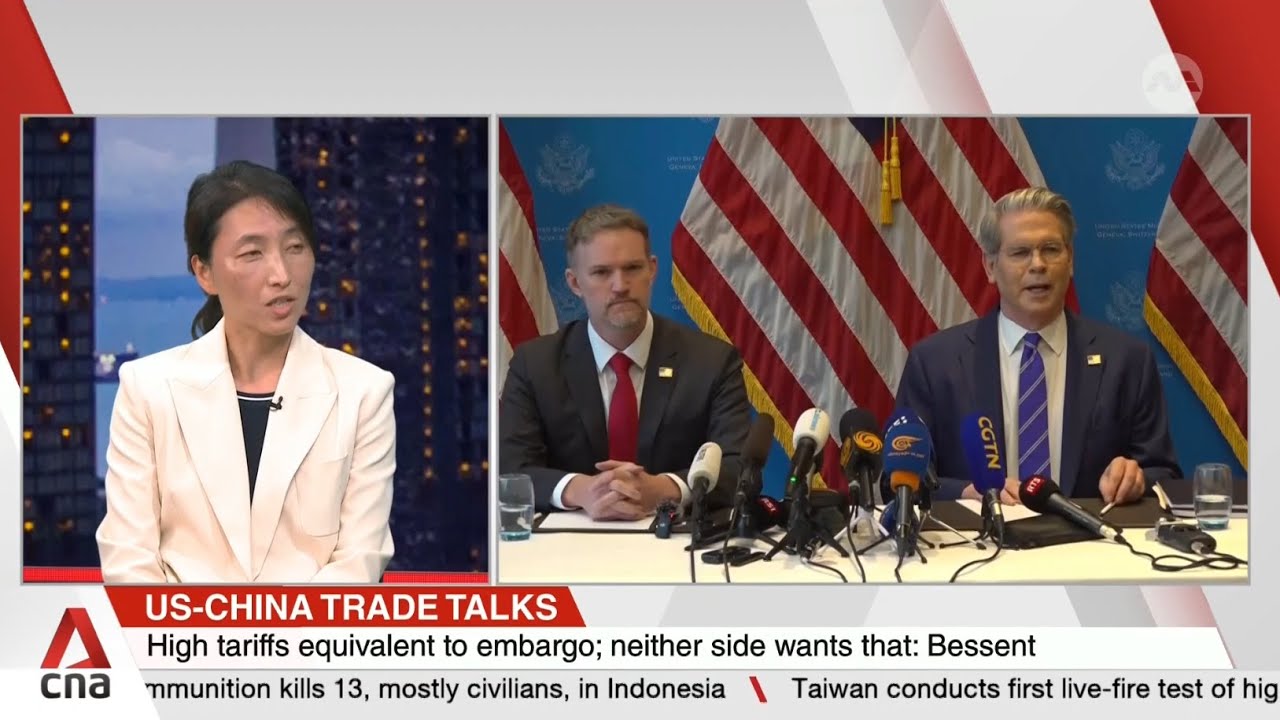
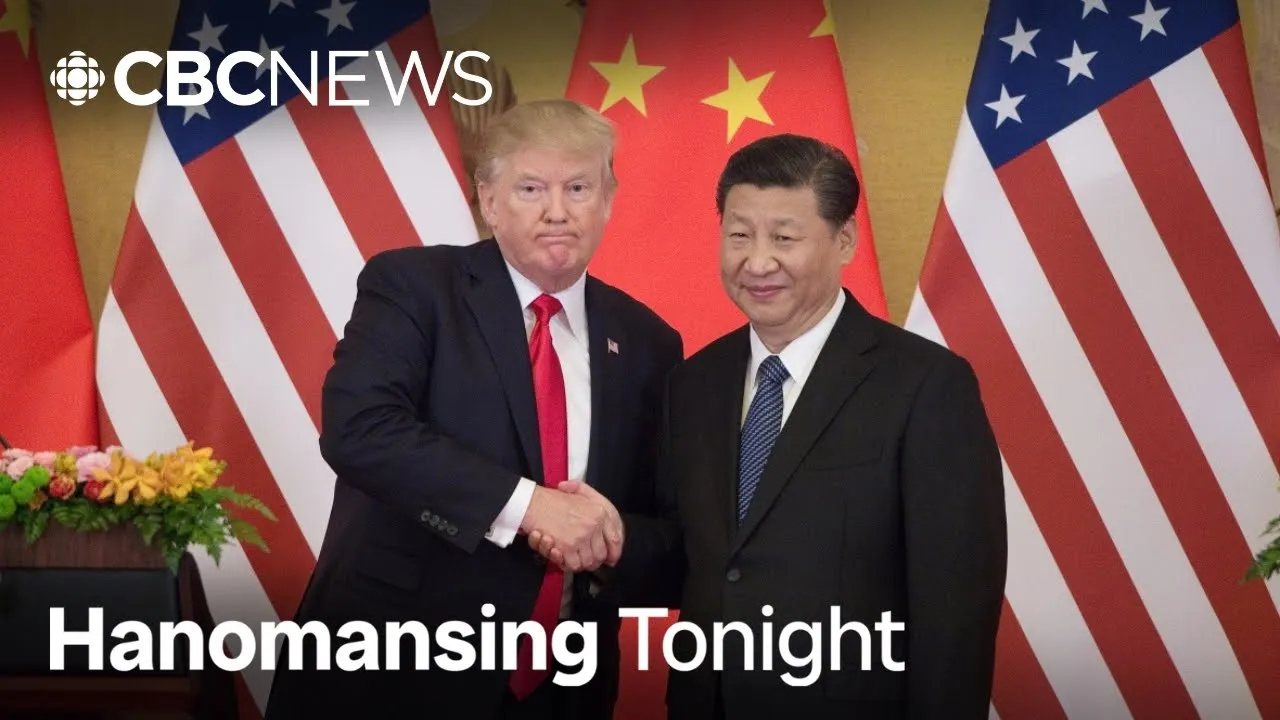
So, let's get some reaction to this deal. And Theresa Lakes is going to join us now, CEO of Paper Label, a Vancouverbased fashion brand. And and first of all, describe for us your company and your exposure to to this tariff issue.
Yeah. Yeah, sure. Um, Paper Label is a woman's wear company.
We wholesale across North America. We specialize between the intersection of lounge and ready to wear. So everything being comfortable um we produce China, India, Peru, wherever the fabric comes from.
And how are you feeling right now about this deal? Yeah. Uh you know, well, it's better.
We're not out of the woods. Um we still have a tariff from Trump's first office, uh 7 12%, then we were hit when he came into office with another 20. And now we have the last one sitting at uh an additional 10.
And when I was speaking to our freight forwarder, they were saying it's it's really hasn't been um it's only been on like Truth Social and she doesn't have the word from uh you know, customs in in the US. Oh, that's interesting. Yeah.
Well, I mean that's that's what I got today. Where we're at now, I don't know. Yeah.
No, but the thing that's really nice about having you in here is that, you know, you run a company that's actually dealing with this stuff. So, you know, we can hear the news from Washington. We can hear what's been posted on True Social, but you can only go by what you actually know and what your, you know, broker is telling you in terms of moving product in there.
Okay. So you have product that's manufactured in China that you then what bring into the Canada to go into the states directly into a um the LA uh port and that it's received and shipped to our third party warehouse and then we distribute across the United States. Okay.
So when Donald Trump announced like huge tariffs I've lost track of the number was 130% or something like that. Yeah. So at that point what did you do?
Well, we dodged that bullet. Uh, we had all of our goods already at in the port and cleared. So, we just missed that.
I do know other small independent brands are faced that. Um, my understanding is some people just put their stuff in storage waiting for this day because it'd be cheaper to pay for the storage, you know, than to clear the goods. Okay.
And so now we have this this time period it appears if it works out this way where there's still tariffs in place as you said but not 130%. Um and so what's your next step going to be to race everything in before the the uh n days. Okay.
And so what does that mean in terms of like do you have is there a ship on the Pacific right now with your goods on it? No, we're very seasonal. So, we start shipping our next season.
Um, it'll start shipping July, August, and September. So, it's about getting all those goods in before the August cuz 90 days, where does that put us? Yeah.
Yeah. August. So, wow.
That is a huge deadline. And you don't know come August 12th where we're going to be at after that. It could be cheaper.
So, you know, it's it's really hard to plan a business when somebody's moving the goalpost daily. So, let me ask you, how do you run a business in this environment? You don't sleep very well.
Yeah. Um, yeah, we've we held our we've just held our prices to wait until things calm down. We kind of figured that um there would be some changes.
We didn't know what, but uh we didn't want to be a business that would be changing our prices daily to the US. We're going to try to hold what we can. We'll probably take some financial hits on the US just to maintain business.
They're already nervous. Like, you know, our fall winter orders were already pretty conservative. Everybody's nervous.
You know, if we were doing this interview on a US news channel, some people watching would angrily be contacting you or us and saying, "Why the heck don't you just manufacture in the United States? " Because it takes takes more than 90 days to move your production. Uh the the US doesn't make every fabrication that we're we're making and you're still importing the fabric.
So it's still subject to these tariffs. There's there's so many factors. And wouldn't it cost a lot more to be doing this in the States?
Oh, three times. Easy. Three times.
So that's interesting, right? You have the tariffs which may add who knows what percentage by the time that August 12th or 13th goes by. But then you you're saying it's still cheaper right now to be operating out of out of China.
I mean, what will be interesting is what's going to happen to our freight costs because we're going to have less ships coming into port. Is that going to drive the prices up? Not just apparel, but any any items.
Yeah. Well, it'll be an interesting I hope you get some sleep and I hope you get some clarity and I hope your business can continue to uh to do okay, at least if not better than than okay. Theresa Lake, thank you very much.
Thank you.