one of the things we were talking about last time you were here was that when you you explained that there's 700 different languages that these Aborigines have and that a mob that's what they call like a tribe a mob of Aborigines could be just 10 km away from another mob yeah so one Community to the next they don't know what the other people are saying yeah they wouldn't know their language human history is far older and more mysterious than we ever imagined for centuries archaeologists and historians have attempted to piece together the story of our
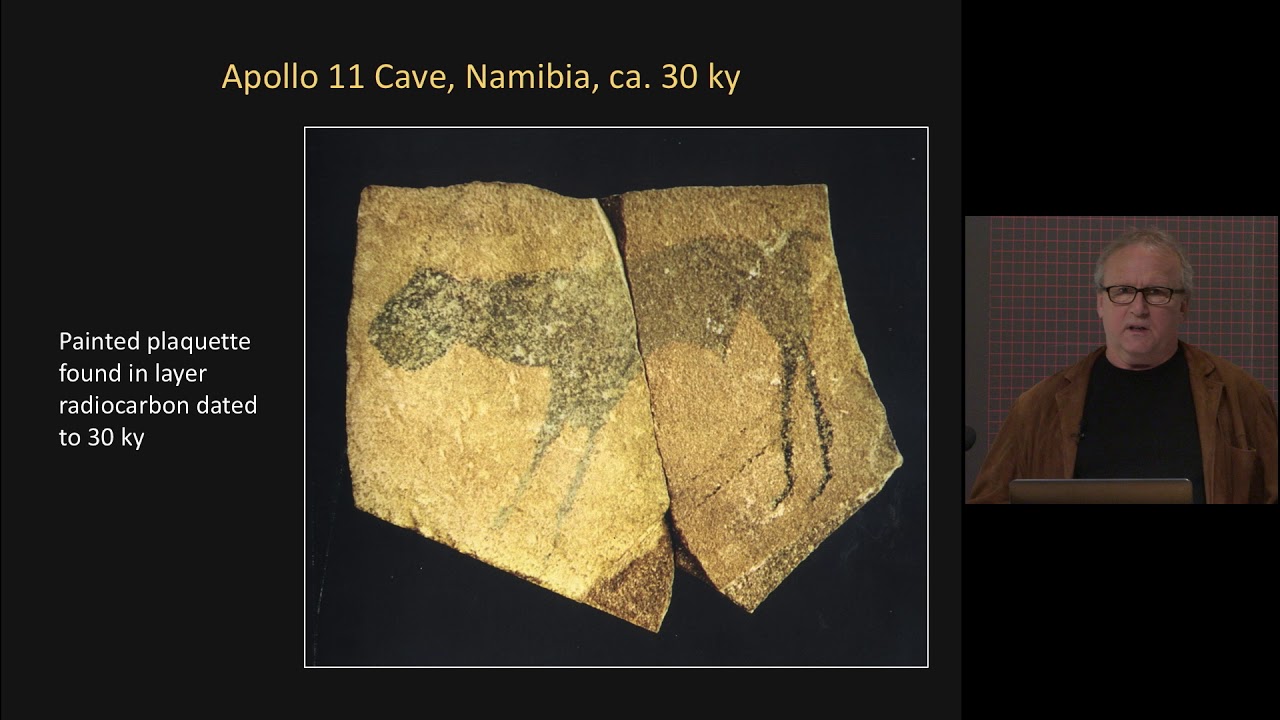
past but every now and then a discovery emerges that completely rewrites everything we thought we knew a newly uncovered cave painting estimated to be over a million years old has just done exactly that this ancient artwork found in a remote and previously unexplored cave system has sent shock waves through the scientific Community up until now the oldest known cave paintings such as those found in France's chave cave and Indonesia's suisi caves were believed to be around 40,000 to 50,000 years old these paintings were attributed to early Homo sapiens and in some cases even neanderthals but
this new discovery completely shatters that timeline a million years ago our planet looked vastly different early humans were still in the process of developing tools fire and complex communication the dominant belief among scientists was that artistic expression such as cave paintings didn't emerge until much later in human evolution but this new discovery suggests that symbolic thinking storytelling and perhaps even spirituality could have existed in our ancient ancestors far earlier than previously believed what makes this cave painting even more remarkable is not just its age but the level of detail and sophistication it exists the images
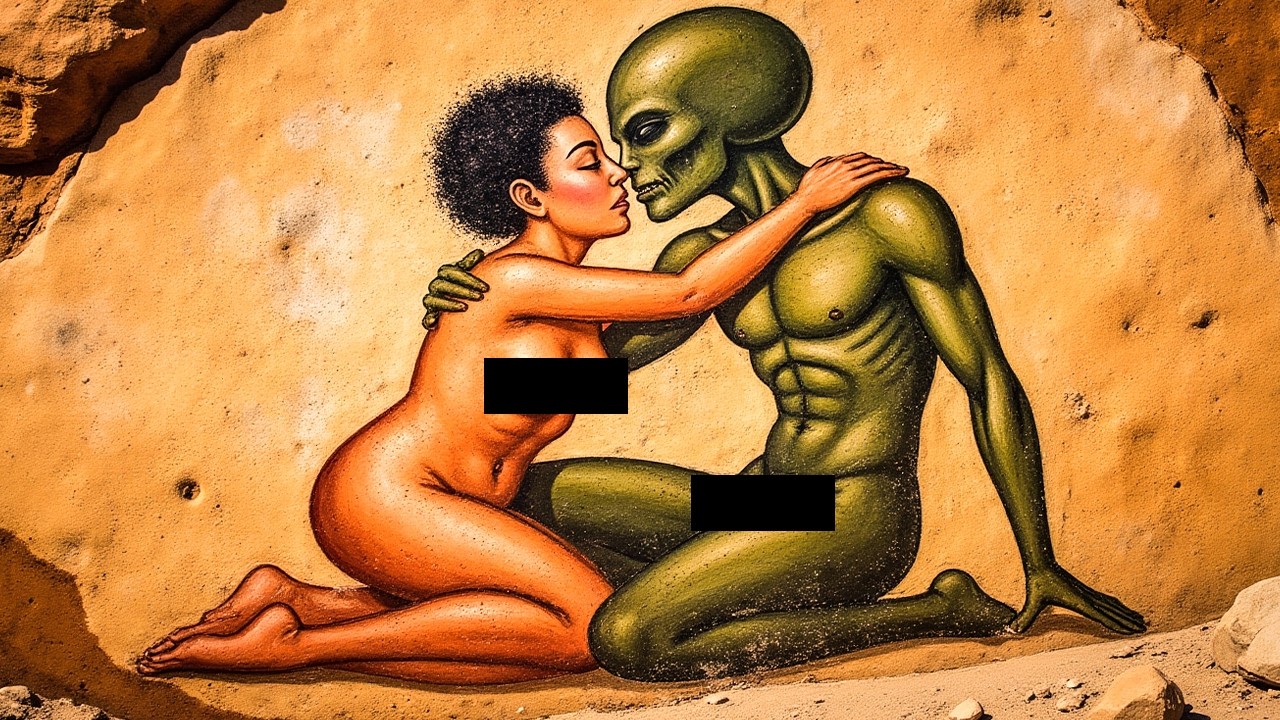
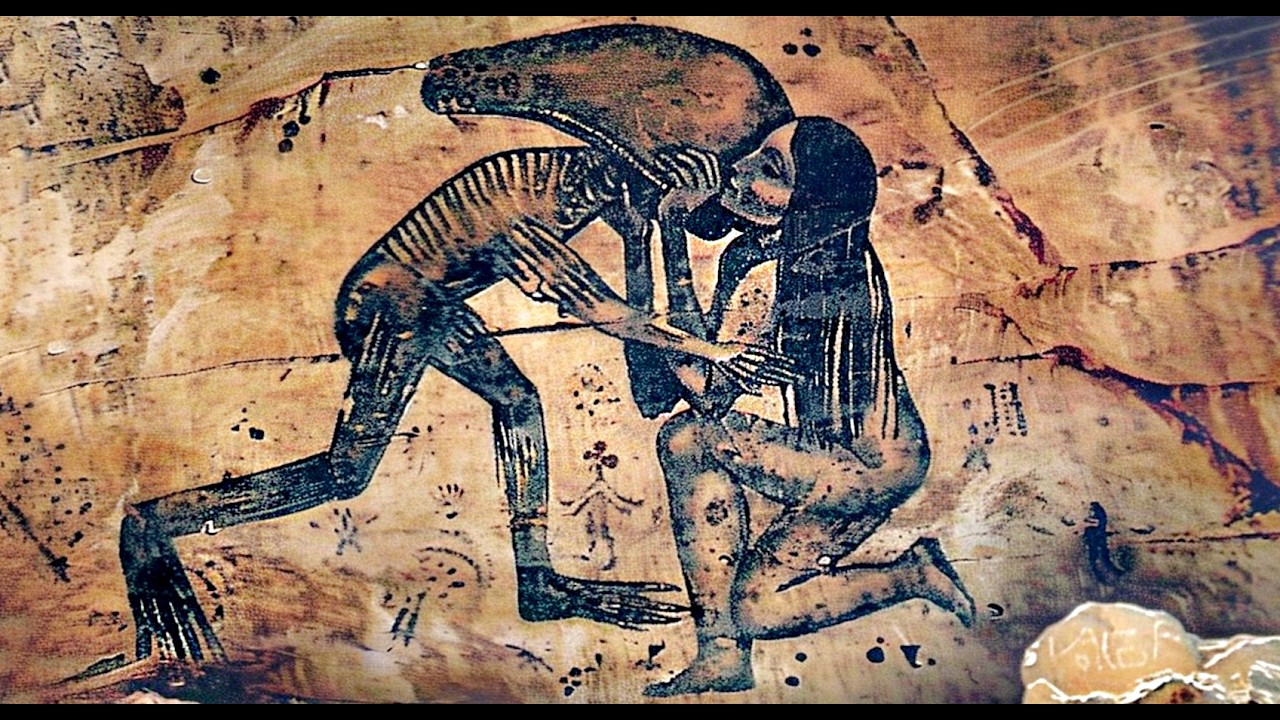
are not simple handprints or abstract symbols but rather intricate depictions of animals human-like figures and strange otherworldly shapes that defy explanation some of the creatures depicted do not resemble any known species from that time period leading some experts to speculate that they could either be representations of long extinct animals or something else entirely the initial dating process was conducted using a combination of uranium series dating and advanced luminescence techniques unlike carbon dating which is limited to organic materials and has a maximum range of around 50,000 years these methods allow scientists to analyze the mineral deposits
that formed over the paintings determining when they were created the results were staggering placing the paintings at well over 1 million years old this Revelation has forced scientists to reconsider which species species of early humans could have been responsible for creating these artworks Homo sapiens as we know them today did not exist at that time the most likely candidates are Homo erectus or even an unknown yet to be discovered human ancestor Homo erectus is known to have existed as far back as 2 million years ago and was one of the first human species to migrate
Out of Africa they were intelligent capable of using fire and skilled in crafting Stone tools however until now there has been no evidence suggesting that they possess the ability to create symbolic art if Homo erectus did in fact paint these images it would mean they had a far richer and more complex cognitive world than we ever imagined another shocking aspect of the cave painting is the presence of handprints that appear eerily similar to those of modern humans while some of these prints match the expected proportions of homo erectus others suggest the possibility of an unknown
homonid species could this be evidence of an Undiscovered branch of human evolution one that was capable of sophisticated artistic expression and possibly even communication through symbols beyond the scientific implications this discovery also raises profound philosophical and cultural questions what were these ancient artists trying to convey were they recording their experiences telling stories or attempting to communicate with future Generations some researchers believe that the paintings could represent early forms of Mythology or spiritual beliefs indicating that these ancient humans may have had religious or shamanistic Traditions long before previously thought one of the most perplexing aspects of
the paintings is the recurring appearance of geometric patterns Spirals and star-like formations these shapes bear a striking resemblance to those found in much later cave paintings created by Homo sapiens some researchers have even drawn comparisons to ancient petroglyphs and carvings found across different continents suggesting a possible continuity of symbolic thinking that spans hundreds of thousands of years but here's where things get even stranger some of the animal-like figures depicted in the cave painting do not correspond to any known species from the time period among the images are creatures with elongated limbs large staring eyes and
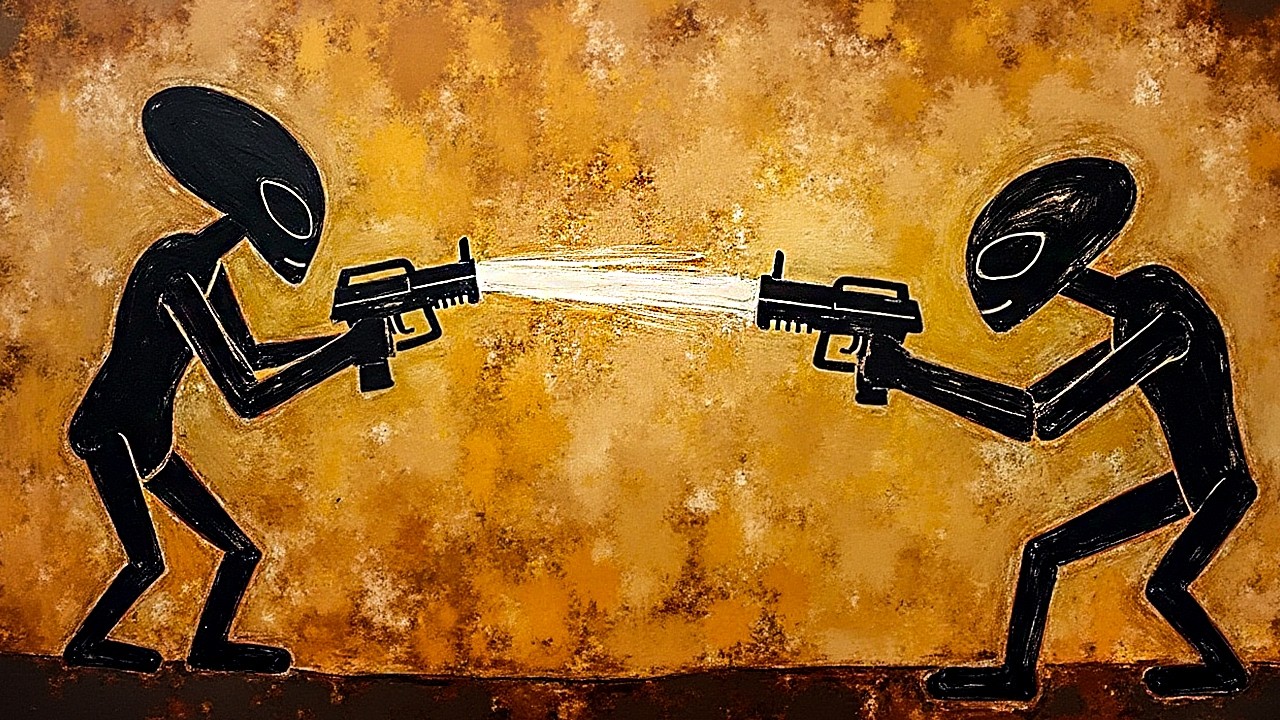
oddly shaped heads some Skeptics dismiss these figures as artistic exaggerations or mythical representations but others believe they could hint at something far more mysterious could these paintings be evidence of lost knowledge an insight into a forgotten chapter of human history that we have yet to understand some Fringe researchers have even speculated that these images might depict beings that early humans encountered leading to theories about lost civilizations Advanced prehistoric knowledge or even extraterrestrial contact while mainstream science remains skeptical of such claims the mere presence of these unexplained figures fuels endless debate adding to the Intrigue the
location of the cave itself is highly significant situated in a region that was previously thought to be uninhabited during that time period its Discovery challenges established migration pattern and human settlement theories if early humans were present here creating sophisticated art it raises questions about their Mobility interactions and even the possibility of unknown civilizations predating those we currently recognize there is also the question of how these paintings have remained so well preserved for over a million years normally cave paintings degrade due to natural erosion moisture and human interference yet these particular images have survived in remarkable
condition scientists believe this may be due to the Cave's unique environment sealed off for thousands of years protected by mineral deposits that have shielded the artwork from the elements while experts continue to analyze the paintings new technological advancements are helping to uncover even more details high resolution 3D scanning and infrared Imaging have revealed additional layers of artwork that were previous ly invisible to the naked eye some of these underlying images suggest that the cave may have been used for artistic purposes across multiple generations with different groups adding to the artwork over time this raises another
fascinating possibility could there have been a long-standing tradition of Art and storytelling among early humans that extends back millions of years if so this would mean that artistic expression did not suddenly emerge with homo sapiens but was instead a fundamental aspect of human evolution itself the implications of this discovery are staggering it suggests that the roots of human creativity imagination and communication go back much further than we ever believed it challenges our perception of early hominids as primitive beings and instead paints a picture of intelligent artistic ancestors who may have been far more advanced than
we give them credit for as research continues archaeologists and historians are left with more questions than answers were these early humans simply documenting their surroundings or were they trying to convey something deeper perhaps a message meant to last Through the Ages could this be the missing link in understanding the origins of human consciousness and symbolic thought and if Homo erectus or another early human species was capable of creating such sophisticated artwork what else might they have been capable of could there be even older undiscovered sites that reveal more about our forgotten past one thing is
certain this million-year-old cave painting has forever changed human history it challenges everything we thought we knew about our ancestors and forces us to reconsider the origins of art communication and human cognition what other Secrets remain buried beneath the Earth waiting to be uncovered what other pieces of our ancient past are still out there hidden in the darkness waiting to rewrite the story of humanity the discovery of this cave painting is just the beginning the truth about our past is far more complex mysterious and fascinating than we ever imagined if this million-year-old cave painting is authentic
it forces us to reconsider not just the origins of art but the very nature of human cognition for decades the dominant belief has been that symbolic thinking our ability to represent the world around us through images and Abstract Concepts emerged around 40,000 to 50,000 years ago this was considered one of the defining traits that separated Homo sapiens from other early human species but this new discovery suggests something radically different that symbolic thinking creativity and artistic expression may have been present in our distant an ancestors much earlier than we ever imagined a new look at Homo
erectus if Homo erectus was responsible for this artwork it completely changes our understanding of their capabilities up until now the general view of homo erectus has been that they were intelligent but not particularly advanced in terms of abstract thinking they made and used stone tools controlled fire and spread across Africa Asia and Europe Europe but they were not believed to have developed culture in the way Homo sapiens eventually did however recent discoveries have already begun to challenge this idea if Homo erectus was capable of abstract thinking this raises a crucial question how far did their
intelligence go were they capable of language did they have oral Traditions myths and perhaps even a form of spirituality if so they were far more advanced than we ever gave them credit for some depictions seem to show ordinary animals large mammals birds and fish While others feature bizarre unidentifiable creatures some of these figures have elongated bodies multiple limbs or features that do not match any known species this has led to several competing interpretations mythical or religious representations if these early humans had the ability to think abstractly they may have created mythological creatures in the same
way later civilizations did could these paintings be early depictions of spirits gods or supernatural beings lost or extinct species some paleontologists believe these strange creatures might represent real animals that existed at the time but have since gone extinct leaving no Trace in the fossil record if true these paintings could be our only window into long lost species distorted memory or abstract art some scientists argue that the figures might not be intended as literal depictions but rather artistic Expressions the most controversial interpretation comes from researchers who believe these paintings could depict encounters with something beyond our
current understanding perhaps beings that visited or interacted with early humans in ways we cannot yet explain the star patterns and Cosmic connections another striking aspect of these paintings is the presence of geometric symbols and star-like formations these patterns bear a striking resemblance to Star Maps found in much later civilizations such as the Sumerians Egyptians and Mayans if these symbols do in fact represent celestial objects it raises an incredible possibility could early humans have possessed knowledge of the Stars far earlier than previously believed several ancient cultures from the doon tribe of Africa to the ancient Builders
of gocke have been credited with knowledge of astronomy that seems impossible for their time the idea that early humans may have understood the movements of the Stars over a million years ago is astonishing but not entirely impossible if these paintings do represent constellations or celestial bodies it means early humans were already observing the night sky and recording their findings in a form of Proto scientific documentation this would be one of the earliest known examples of astronomy and could suggest that the roots of human civilization extend far deeper into history than we ever imagined the implications
for human evolution if Homo erectus or another early homonid was responsible for these paintings it forces scientists to ask some difficult questions were these early humans more intelligent than we thought did they possess some form of language allowing them to share knowledge and stories across Generations if they were capable of symbolic thinking did they also have religion rituals or even an early form of writing this discovery could completely change how we view the timeline of human evolution instead of a slow gradual rise to intelligence and culture we may have to consider the possibility that early
humans had bursts of advanced cognition far earlier than expected A Lost Civilization one of the most radical theories that has emerged from this discovery is the idea that early humans may have formed an advanced civilization long before the currently accepted timeline of human history for example the site of goek teepe in Turkey built over 11,000 years ago challenges the notion that agriculture had to come before Monumental architecture if humans were already capable of such sophisticated construction at the end of the last ice age how much earlier could such knowledge have existed if this million-year-old cave
painting is part of a much larger body of lost knowledge it raises the possibility that early humans may have developed complex societies that were later wiped out by natural disasters climate changes or other catastrophic events could it be that these paintings are the only remaining evidence of a long-lost civilization that PR dated all others the role of cataclysms one possible explanation for why this knowledge was lost is natural disasters throughout Earth's history there have been multiple Extinction events climate shifts and geological upheavals that could have wiped out entire populations some researchers have speculated that super
volcanic eruptions asteroid impacts or dramatic sea level changes could have erased traces of early human civilizations if a catastrophic event occurred it could explain why so little evidence of early symbolic thinking has survived if this was not an isolated case but rather part of a widespread artistic tradition among early humans then there may be other caves yet undiscovered that hold similar Secrets new technology is also playing a key role in uncovering more about these ancient artworks using highresolution Imaging AI enhanced pattern recognition and mineral painting techniques scientists are able to study these paintings in ways
that were impossible even a decade ago with these advancements we may soon uncover even more sites that contain evidence of prehistoric art symbolic communication or even the earliest forms of Storytelling a new chapter in human history this discovery has sent ripples through the scientific world but it is only the beginning whether these paintings were made by Homo erectus an unknown human ancestor or something even more mysterious one thing is certain our understanding of human history has changed forever for years we believe that art culture and intelligence were recent developments in the grand timeline of evolution
but these cave paintings prove that the roots of creativity stretch back over a million years what other Secrets lie buried beneath the surface of our world what other Mysteries are waiting to be uncovered as technology advances and new discoveries are made one thing is clear our past is far more complex mysterious and awe inspiring than we ever imagined