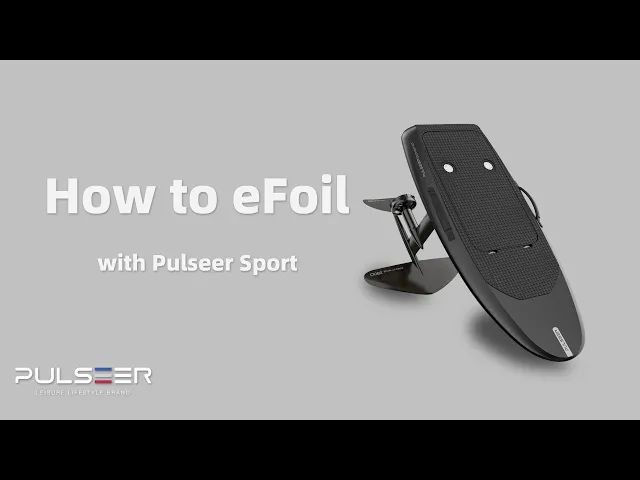
Safety First precautions for a secure fing experience hi this is your puler EO coach today we will guide you how to foil before diving into the tutorial let's address crucial safety measures for your foil usage always prioritize your safety by wearing a helmet and a certified life vest keep hands and feet away from the propeller as the powerful motor could pose a serious injury risk upon contact when falling into the water fall in the direction of the board's tilt and let go the trigger of the remote controller use the efoil exclusively and safe and permitted
sea areas depend on your area's regulation ensuring water depth exceeds 1.5 M beware of hitting the bottom and be careful of rocks and fishing nets for optimal learning and initiation of eing choose smooth and tranquil water surfaces safety is our first priority and let's move it into to water first step preparation after carefully reading your P Seer efoil manual and installing your eold board then we can start pairing your remote controller press the top and bottom and plus at the same time for matching and double check there are no foreign objects around your propeller apply
the controller to a small amount of throttle and make sure the propeller works properly after preparation and check we can start to move it into water Second Step moving into water with prone position always get on the board from side to avoid contacting with propeller and keep you safe then prone position yourself on the board so that you can touch the front of the board with your hands you may need to shift your weight forward while increasing your speed by pushing the trigger remember to keep the nose out of water if either remote controller or
Bluetooth receiver inside the right front of the board immersed in water for one to 2 seconds the Bluetooth will be cut off and the power will be cut off that could result in Falling Into Water you can move your body a bit backward to get nose outside of water once you feel ready we can move to the third step writing with your knees third step riding with your knees you could maintain a speed between 6 to 10 km per hour 3 to 5 mph add a low gear and release the trigger during transitions be mindful
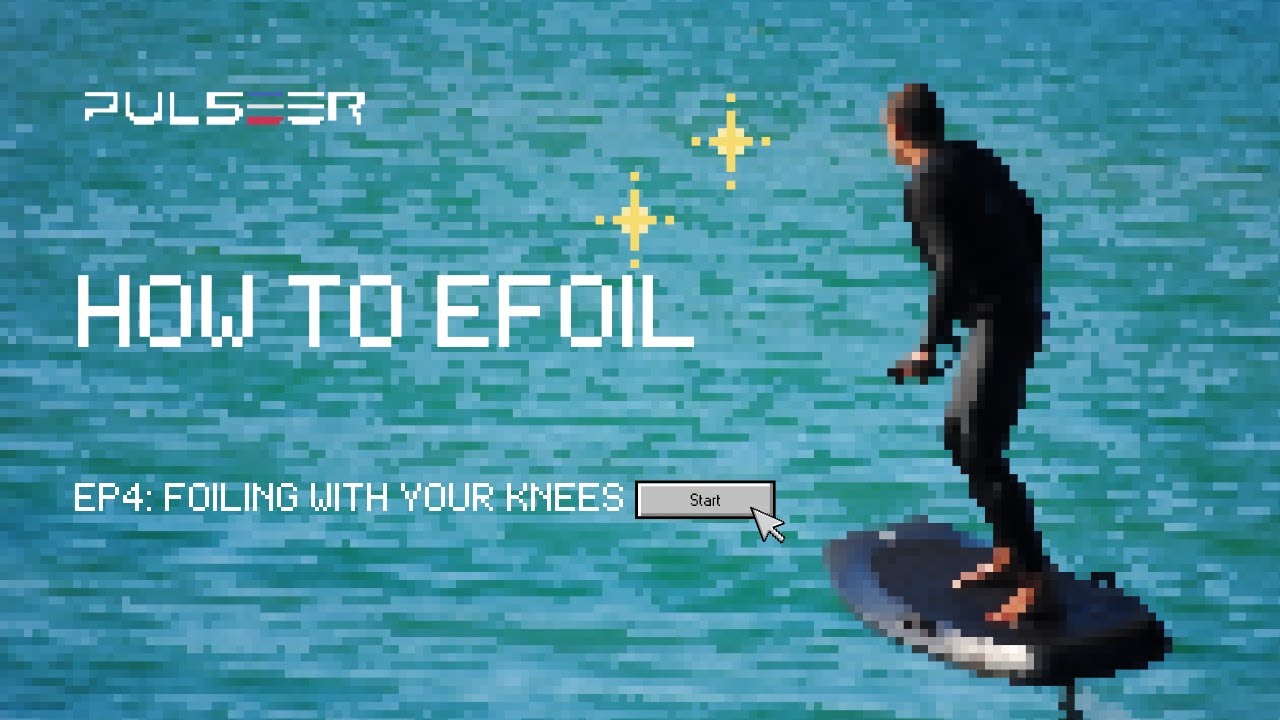
that even a slight release of the trigger can disrupt balance potentially causing sinking or crashing practice to determine the right speed for your comfort while riding at a constant speed position your knees in front of the lid hinges and place both hands on the board then push your body up if this positioning causes the nose to sink you may be moving to slowly If you experience foiling and crash while getting to your knees it indicates excessive speed and weight too far back once on your knees shift your body weight forward to keep the nose down
dedicate time to practicing balance on your knees and experimenting with speed adjustments for an optimal efoil experience fourth step foiling with your knee once you can ride with your knee you can start to practice on foiling with your knee increase the speed to 18 to 25 kmph 11 to 16 mph hour at a mid high gear and with careful movements lean your upper body backward you will know when you are foiling when you can hear the faint wind of the motor as soon as you foil shift your upper body forward to touch down the nose
again remember to keep the nose out of water while pressing down practice this skill and notice how very subtle changes in your weight Engage The Wind to bring the board up and down fifth step standing on your board it's time to transition to a standing position depending on your weight choose a speed between 8 to 12 kmph 5 to 8 mph at a mid low gear position your dominant foot in the space in front of your knees placing your toes near the front of the foam pad and slightly to one side find your balance and
then slowly stand up from a lunge position with as much weight as possible on your front leg ensure your weight is on your front foot to keep the board for and nose down keeping the foil in the water standing up with weight on your rear foot can lead to an unintended crash remember to keep the throttle trigger engaged and slowly accelerate be cautious not to release the throttle trigger to fast while standing up maintaining a constant speed ensures a smooth ride for easier standing once standing Lean Forward slightly to keep your center of gravity forward
the ideal body position is to twist forward in your front foot just behind the front of the deck grip with your feet shoulder width apart and slightly offset a wider stance will give you more stability you can adjust your front and rear feet depend on your weight practice gradually increasing the motor speed the motor and the board bow wave will naturally push the nose up counteract this by pushing down firmly through your front leg while accelerating maintaining weight on your front foot with your body leaning forward is a safe position as it keeps the foil
in the water as you become more comfortable shift as much weight as possible towards the nose of the board sixth step foiling once you feel comfortable at your initial speed it's time to practice increasing your speed when you're at ease with the minimum flying speed which is typically between 20 to 25 km hour at a high gear you're ready to start foiling Begin by transferring your weight backward gradually releasing pressure from your front foot do this carefully ensuring your weight is centered over the board's Center Line and engaging your core as soon as you sense
the board lifting over the water immediately lean forward and touch down then you complete your first foil fly if you happen to crash don't worry it's part of the learning process Letting Go the throttle trigger and fall from the side avoiding contacting with the prop try again focus on finding the balance point and dedicate time to more practice the safest approach to foiling is to foil low and practice touching down again going to High may lead to a crash so take it slow and remain confident avoid attempting turns until you are comfortable foiling in a
straight line turning while foiling requires careful balance on all axes with your core engaged start with tight turn before attempting broader Maneuvers and gradually progress as you gain confidence tips if there is wind and waves the details vary slightly facing the wind the wind will lift the nose of the board requiring a more forward center of gravity lifting Wing when going downwind the nose of the board tends to stick in the water so it is necessary to center of gravity a bit backward thanks for choosing pulser e foil