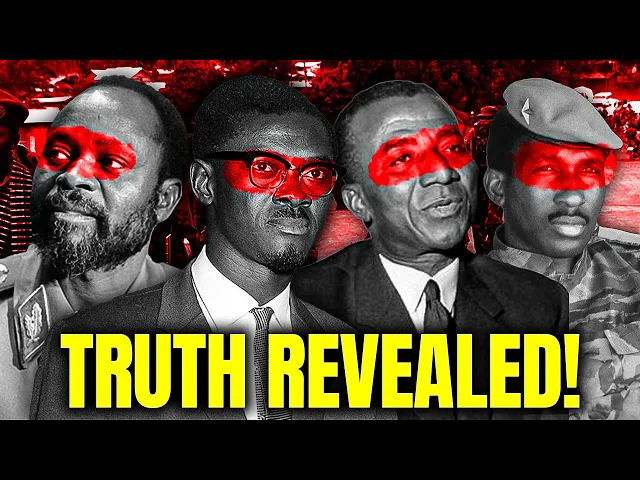
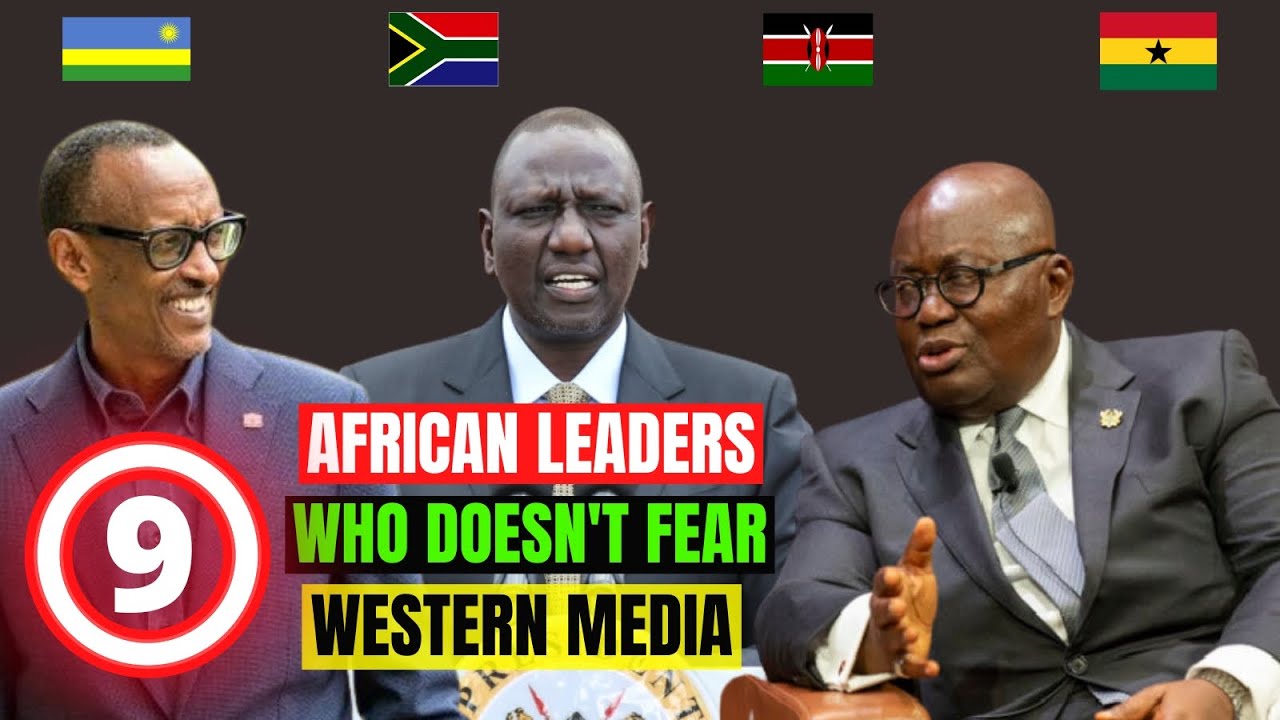
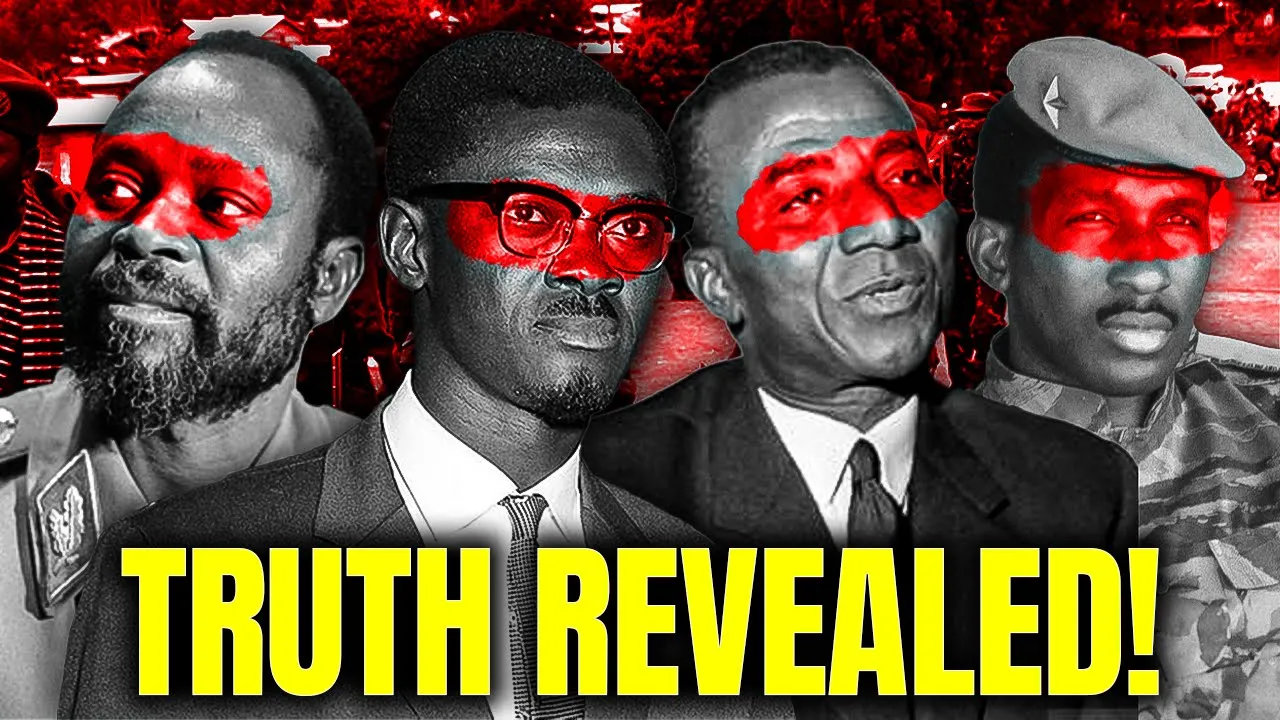
the Western countries have always influenced Africa and its politics but can they go as far as killing leaders just because they refuse to follow Western orders sadly the West which claims to stay out of other nations Affairs has gone beyond our expectations by eliminating such leaders those who stood against the west and spoke out for change were permanently silenced some were shot some died in mysterious accidents and some were abducted and mysteriously killed by by rebels there's a list of eight leaders who lost their lives for standing up for Africans but why don't you know
about them is the West still trying to hide what they did let's find out number eight rafik Hariri standing against the West Was a crime and Rafi Hariri is one of the leaders who paid the price for committing this crime Hariri the former prime minister of Lebanon experienced a politically charged assassination in 2005 Hariri fell victim to a massive bombing in Beirut marking a tragic turn in the Region's Politics the International Community condemned the assassination but it was too late this incident played a key role in reshaping the Dynamics of the Middle East while direct
evidence linking Western powers to hariri's assassination is lacking the experts still keep accusing west of the incident the opposition to Syrian influence in Lebanon was a notable factor with the aftermath of the assassination prompting the withdrawal of Syrian troops from the country the geopolitical complexities of the Middle East particularly the involvement of Western interests came to the Forefront as the incident unfolded rafik kiri's assassination showcased how external interests could influence and even determine the fate of political leaders in the Middle East number seven Thomas Sankara Thomas Sankara the charismatic and revolutionary leader of Burkina Faso
left an indelible mark on African politics with his bold challenges to Western economic interests sankara's leadership was defined by his commitment to socialist policies and a genuine belief in the importance of self-reliance for his Nation however in 1987 sankara's ambitious vision for social and economic transformation was abruptly cut short when he fell victim to an internal coup motivated by some external forces his close associate blae compa orchestrated the coup that led to sankara's demise sankara's assassination silenced a passionate advocate for change and that according to many was what the West wanted at that time number
six muamar Gaddafi muamar Gaddafi the long-standing ruler of Libya experienced a fierce downfall because of both external conflicts and internal descent Gaddafi's confrontations with the West particularly during the Arab Spring in 2011 escalated tensions and ultimately led to Nato intervention in Libya the International Community intervened in response to the the government's brutal Crackdown on protesters and the threat it posed to civilians this intervention marked a significant turning point in Gaddafi's regime and initiated a series of events that would shape the fate of Libya the Arab springing a series of pro-democracy uprisings across the Arab world
created an environment of discontent and unrest within Libya Gaddafi's authoritarian rule faced challenges as Citizens demanded political reforms and greater freedoms the government's harsh response to these demands further fueled the discontent leading to widespread protests and an increasingly volatile situation as the internal strife intensified Gaddafi's grip on power weaken it setting the stage for external intervention NATO's involvement in Libya was a decisive moment in the conflict the alliance aimed to protect civilians from Gaddafi's forces and prevent further atrocities the military intervention however ultimately led to Gaddafi's capture and subsequent execution by Rebel forces it was
the external po job to ensure he stayed protected from the rebels but according to some analysts everything was planned his demise marked the end of a four decade long rule characterized by autocracy and a strong anti-western stance while the intervention achieved its immediate objective it also left Libya in political chaos with various factions vying for control Gaddafi's death in 2011 not only signaled the end of an era but also plunged Libya into a prolonged period period of political unrest the vacuum left by his absence resulted in a power struggle among competing factions leading to ongoing
instability and conflict number five ailar cabal ail carar cabal a Visionary leader and revolutionary figure played a key role in The Liberation movements against Portuguese colonial rule in Guinea BAU and Cape Verde born in 1924 cabal dedicated his life to the cause of Independence advocating for the rights and autonomy of his people as the founder and leader of the African party for the independence of gani and KP Verde PA II cabal directed a resistance against the oppressive Colonial forces tragically cabal's unwavering commitment to freedom and self-determination was cut short when he was assassinated in 1973
by militants from his party just before witnessing the realization of the independence he had fervently fought for here's a reminder to please like and share the video and subscribe to our channel to watch more videos on Africa's geopolitics e economy and changing landscape let's continue now his assassination had many strings attached to the West as he always stood against them his untimely death served as a reminder of the complex and wild nature of postcolonial power struggles the void left by cabal's absence posed challenges for the newly liberated Nations balancing the delicate transition from Colonial domination
to self-governance number four Sylvanas olympio Sylvanas olympio a key figure in Togo's history met a tragic end due to his steadfast resistance to Western economic influences in 1963 Olympia's principled stance against external pressures culminated in a coup that led to his assassination casting a dark shadow over the political world of Togo for decades to come Olympia's commitment to shielding Togo from the grip of Western economic interests made him a target for those who sought to maintain Regional influence the coup not only claimed the life of a Visionary leader but also triggered enduring political instability in
Togo the aftermath of olympio assassination rolled through the nation's governance fostering a climate of uncertainty and unrest number three Samora Melle Samora Michelle mosque's inaugural president met a tragic end in 1986 when his plane crashed near the South African border Michelle was committed to the country's development and social progress as the first lead leader of independent mosambi the circumstances surrounding his untimely death remain shrouded in mystery with suspicions of South African aparte government involvement casting a long Shadow over the incident the plane crash while officially deemed an accident has fueled speculation and allegations of Foul
Play given Mel's outspoken stance against apartheid and his support for anti-apartheid movements the possibility of external interference in his demise has been a subject of ongoing inquiry the lack of inclusive evidence has only added to the complexity and conspiracy surrounding Michelle's tragic end Michelle's Legacy persists as a symbol of mosm Beek's struggle for Independence and the challenges faced by leaders advocating for social justice in a turbulent geopolitical time number two Andre matsanga Andre matsanga a key figure in the mosan resistance against Portuguese colonial rule met a tragic end when he was assassinated in 1969 as
a Relentless advocate for mozambican Independence matsanga played a crucial role in the fight against Colonial oppression his untimely death however remains clouded in suspicion and controversy with some reports suggesting the involvement of Western intelligence Services due to his anti-colonial activities the circumstances surrounding matsanga isa's assassination highlight the complex dynamics of the struggle for Independence in mosm Beek and and the lengths to which colonial Powers were willing to go to suppress resistance movements the alleged connection to Western intelligence Services raises questions about the extent of external interference in the internal affairs of Nations striving for self-determination
number one Patrice lumumba Patrice lumumba the inaugural democratically elected prime minister of the Democratic Republic of the Congo embarked on a journey marked by opposition from Western powers lumba steadfast anti-colonial stance made him a target for those who sought to maintain their influence in the resourcer region in 1960 his political Ascent was abruptly halted when he was arrested setting the stage for a series of tragic events that would seal his fate the circumstances surrounding lumumba's assassination in 1961 remained shrouded in controversy with allegations of involvement by the United States in Belgium casting a dark shadow
over the incident this untimely demise extinguished lumumba's aspirations and severely affected his vision for a sovereign and United Congo do you think the West can ever wash the blood of these leaders off of their hands after knowing this do you think the West can be trusted are they still involved in African Politics as they were let us know in the comments section if you think Africa should at any cost let the West take control of Africa again do you want to watch more videos like this one if yes subscribe to our Channel and press the
Bell icon next to it we have decided to bring videos on something nobody talks about African politics economy and increasing power thanks for watching and until the next video stay tuned tell us what you think in the comment section like and share the video and subscribe so that you don't miss any of our African videos it's the best way to support us