thanks to brilliant for sponsoring this video and supporting my channel every year millions of people try to build new habits some adopt new exercise programs others pick up that instrument they've been meaning to learn and still others decide to finally get serious about reading every day some of these people will succeed in getting their new habit to stick while others will quickly give up and fail but all them will learn the same lesson building a new habit is hard whether you want to chalk it up to laziness or overly busy schedules or the fact that
our phones tend to suck up a ton of our time tempting us in much the same way that a slot machine temps a gambler the conclusion is the same if you want to adopt a new habit you'd better prepare yourself for an uphill battle luckily one of the things that you can always count on in our market-driven economy is that when there's a problem people will inevitably try to create solutions for it necessity is the mother of all invention as people like to say and our publishing industry is no exception here having pumped out more
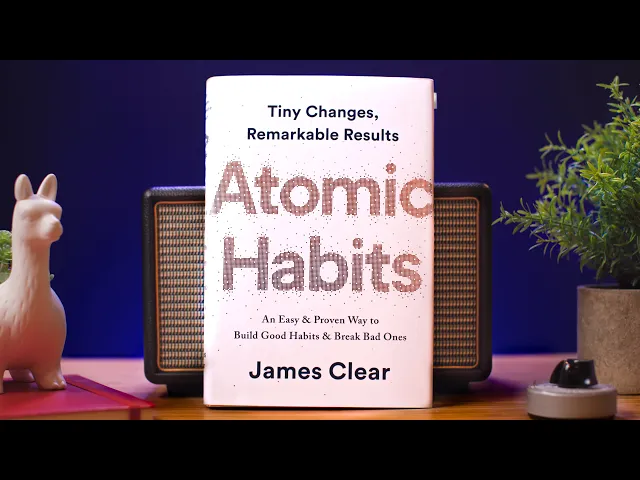
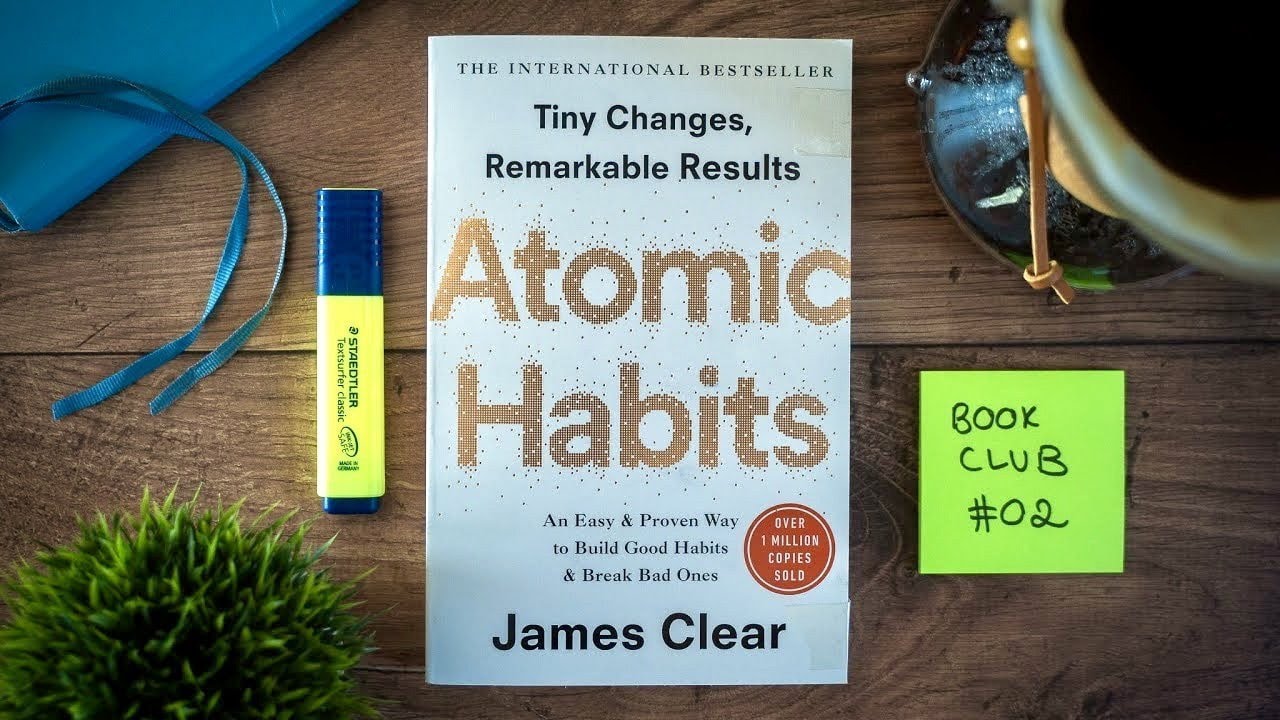
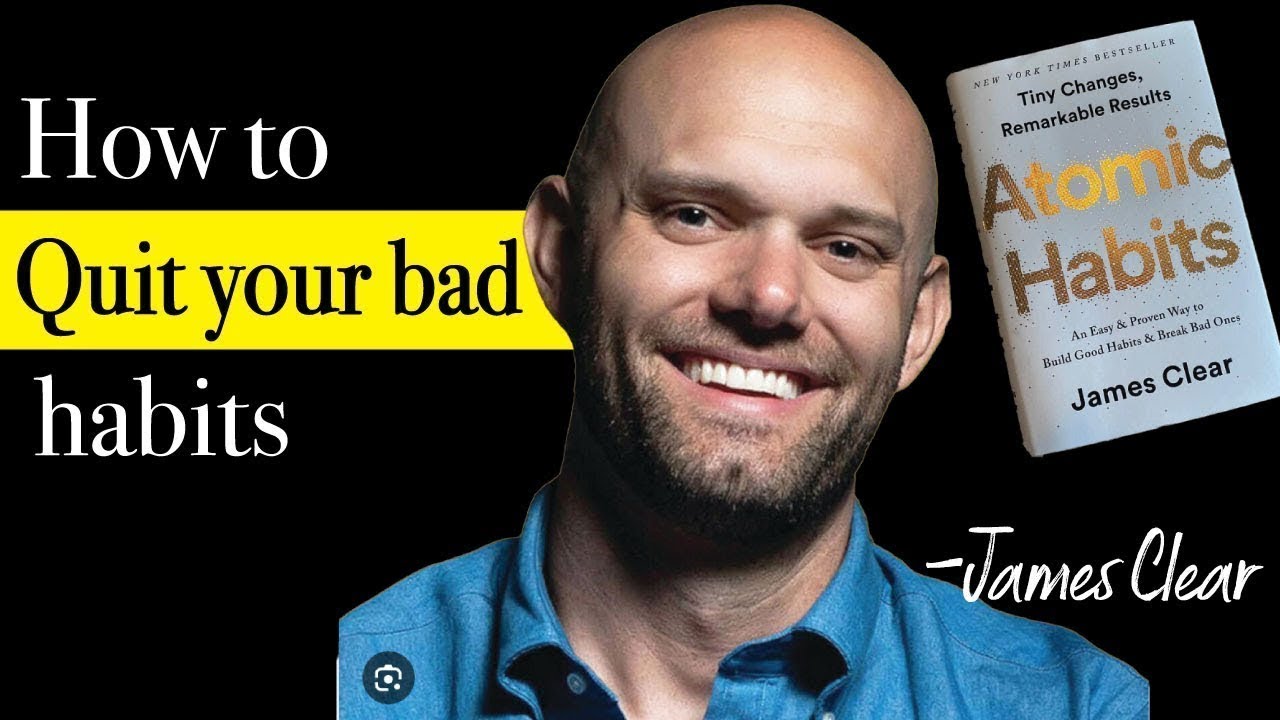
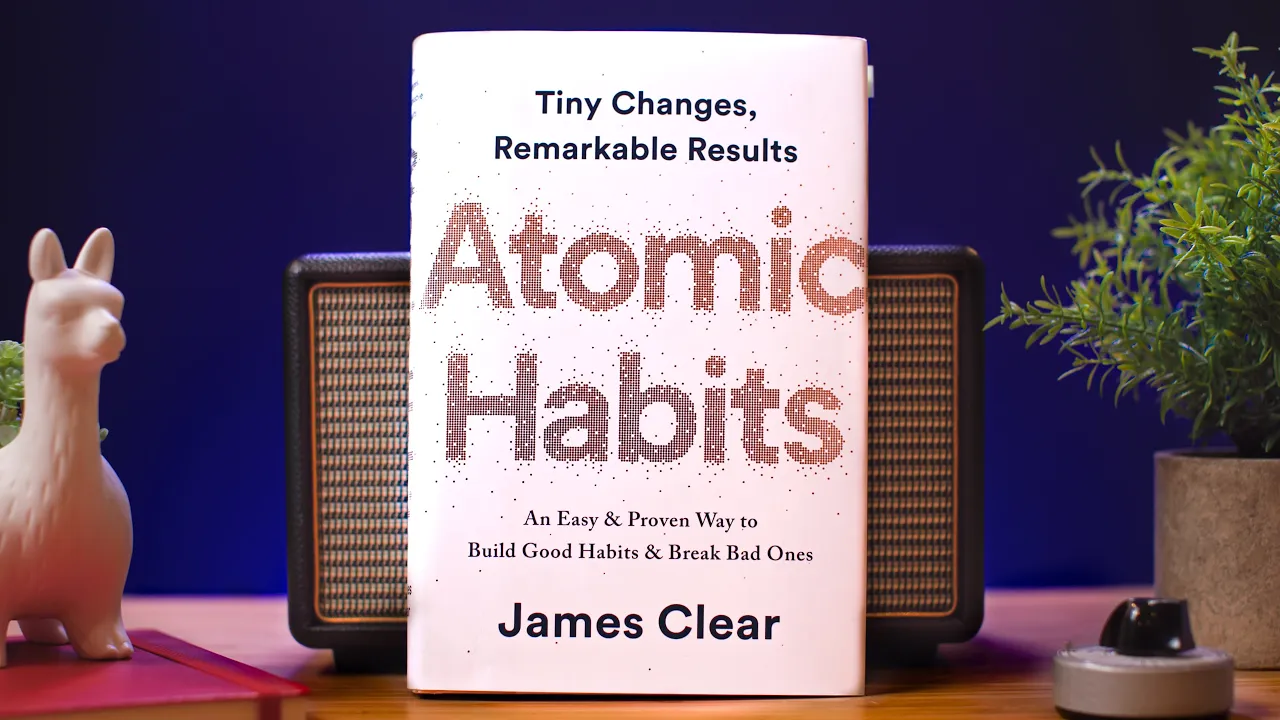
than a handful of books aimed at helping you build better habits but of all these books my absolute favorite one is james clear's atomic habits and that's not just because it mentions my twitter wake up system on page 210 though that is pretty cool but seriously more than any other book that i've read on habits i found the ideas in atomic habits to be incredibly helpful for adopting the mindset required to actually stick to habits over the long term so while i would absolutely recommend reading this book in its entirety if you have the time
today what i want to do is share three of those key ideas starting with a principle that claire calls one percent better every day this idea has its roots in the compounding effect which you'll probably recognize most readily if we're talking about compound interest albert einstein once called compound interest the eighth wonder of the world and for pretty good reason given a good amount of time the interest on your interest can result in huge returns compound interest is why you can invest a hundred dollars a month and if we assume a modest seven percent return
in the stock market you'll end up with over a hundred and twenty two thousand dollars after thirty years even though during that time you only contributed thirty six thousand dollars of your money into that fund and it turns out that this compounding effect also applies to the world of skill building and habit formation if you pick a skill and you focus on just getting one percent better at it each day your cumulative skill growth and the rewards you reap from it accelerate faster and faster over time atomic habits illustrates this idea using a metaphorical graph
which shows the difference between small daily actions in both positive and negative directions at first the results are minuscule but over time they ramp up just like that investment balance now this all sounds great in theory but unfortunately as you probably well know the level of consistency required to maintain this growth over time is really difficult to maintain especially in the beginning when you're just starting to build a habit big dramatic changes as overwhelming and as unsustainable as you and i know they could be are exciting because they seem to propel us forward really quickly
and our mammalian brains really love short-term exciting rewards and meanwhile the much more reasonable one percent rule simply doesn't do a whole lot for us in the short term which is what we're often concerned with even if we don't like to be for example let's say you want to learn how to produce music and you decide to do that by spending at least some time every single day learning and practicing and making songs if you start this new goal on january 1st then by the end of the first month using clear's model your daily one
percent gains only result in a 37 gain overall and that's progress to be sure but it's nothing dramatic and you're still producing music that was only barely outside of your grasp before and that to the average listener sounds like it was made on like a preschool piano thing from walmart now after six months of effort you're now doing a bit more than six times better than when you started funny how those numbers seem to line up now this is actually pretty good progress but we are not done yet because the compounding effect has only just
begun to show how powerful it can be keep pushing on and suddenly a one percent improvement every day since you started gets interesting because at the end of the year you've somehow reached a mind bending 37 times better than when you started the first six months gets you to six times better but the second six months adds an extra 31 times now obviously we cannot literally measure out one percent skill changes in most cases but the concept still works here and the results still come as clear writes in the book these small improvements or declines
compound and suddenly you find a very big gap between the people who make slightly better decisions on a daily basis and those who don't of course this is all easy to agree with in theory but as we mentioned before long-term consistency is a lot easier planned than maintained as you well know most new year's resolutions don't even make it to february so they can't even go through the example that we put out here just as many people fail to remain disciplined enough to keep investing for 30 years and hence we'll never see those amazing returns
now part of this might be straight up difficulty or life circumstances or simply boredom but even an incredibly simple easy habit can be difficult to stick to long term if it goes too far against how we view ourselves so if we want to make long-term change that change has to become part of who we are we'll have to build up a sense of what i'm going to call identity habit harmony picture yourself out for a run and imagine that it's really hot outside or maybe it's really cold or maybe it's a torrential downpour whichever of
those is the one that you like the least and now picture that you're only halfway through a particularly difficult last mile and you're now feeling the desperate urge to quit in that moment ask yourself who are you well if you consider yourself to be a runner then this scenario is not a big deal the occasional hard mile is part of the territory in fact it only reinforces your strength and your pride as a runner as an athlete so as a result you push through but on the other hand if you see yourself not as an
athlete or a runner but as more of a homebody just trying to get in shape because you're supposed to or because you have this light desire to do it then you're gonna start questioning why you're doing what you're doing when things get difficult you're gonna ask why am i doing this to myself this isn't who i am and one day you're gonna decide to quit i think this is one of the biggest reasons why people fail in building habits they don't build a harmony between their identity and the habit they're trying to make stick long
term that's one of the biggest ideas in this book see people will go to great lengths to protect their self-image it's part of this consistency principle which is also talked about in robert cieldini's book influence just try arguing with somebody about a dearly held belief they have and you're gonna find just how hard we all work to keep our self-image intact even if it's to our own detriment even if we argue against what would be good for us and it's because of this that clear suggests we pay closer attention to what that image is when
we're trying to change something about our lives as he says in the book your behaviors are usually a reflection of your identity whatever you do is an indication of the type of person you believe that you are either consciously or non-consciously but there's also a bit of a feedback loop here as he says just a bit later on whatever your identity is right now you only believe it because you have proof of it in short long-term habit changes come more easily with long-term identity changes and to get those you'll have to give yourself as much
evidence as you can that your new identity is really who you're becoming so if you want to run that 5k someday take a second to think about the kind of person who might do that sort of thing automatically or naturally that person would be a runner or an athlete then whenever an opportunity to reinforce that identity in yourself comes up ask yourself what would a runner do in this situation eventually by acting like a runner you become one and if that identity makes you feel good then you won't want to lose it and you'll work
that much harder to keep it the longer you fight for it truer that identity becomes and the harder it is to go back to who you were before i've personally found this whole philosophy and mindset change to be extremely helpful for taking side projects more seriously as well let's take guitar for example if i don't think of myself as a musician then whenever i get busy with work or if i have something stressful pop up surprisingly in my life then i'm gonna tend to let guitar practice go by the wayside because it's just a hobby
right so it's important to get overshadowed by whatever urgent thing has come up in my life but if being a musician is part of my identity then i'm gonna see guitar practice as something much more important and i'll be a lot less likely to throw it by the wayside when something does come up in other words i will make time for it because that is what a musician would do of course this process of assuming a new identity and taking it seriously isn't always easy when you start a new habit you often have that novelty
factor that initial surge of motivation and energy working for you but those two things inevitably run out pretty quickly and when that happens you're probably gonna have to deal with your first failure some point soon after it can be hard to get over that when it happens especially if you tend to have perfectionist tendencies like i do and dealing with just this situation is where the third big idea from atomic habits comes in so let's call it the democracy of the self see in an election there are almost always going to be votes for both
sides given enough people in the voting pool it's not plausible for anything no matter how right no matter how obviously superior to get 100 of the vote there is always going to be that troll that just wants to see the world burn so they hit the down vote button but luckily that doesn't matter to win an election you don't need every single vote to be cast in the exact same way you just need a majority and as clear helpfully points out every action you take is a vote for the type of person you wish to
become no single instance will transform your beliefs but as the votes build up so too does the evidence of your new identity so maybe today you voted for lazy you you didn't go for that run you didn't practice guitar well that's okay because tomorrow you get another vote you can make sure that vote is cast correctly if you keep at that making sure your successes outnumber your setbacks that is how long-term habits are built in other words focus not on never failing but on never letting failure become a habit of its own clear actually has
a term for this he calls it the second mistake you want to avoid making the second mistake and if you can do that then your first mistake just remains a failing vote it remains an outlier now there's a bit of a hidden insight that i found in the interplay between identity habit harmony and this whole democracy of the self-concept which is that if you haven't cast enough votes for a particular identity then you may not know if it's possible to assume that identity in the first place and a lot of people assume that many identities
are simply not for them how many people do you know who think that learning a foreign language is not for them becoming a musician is not for them learning complex math or engineering is simply not for them i remember this was a big problem for me in high school especially on that issue of you know learning engineering and complex math i had a tough time in calculus so i naturally assumed i was not cut out for calculus and not cut out for engineering school this is actually one of the big reasons that i chose to
go to business school and while i don't really regret going to business school in general i do regret having that belief at first and i now know that if i had simply cast enough votes if i had simply put in daily effort to learn complex math to get a better grade in calculus i would have absolutely been able to become an engineer if i wanted to do that so if you ever have these doubts in your head if you ever feel like an identity is not for you ask yourself how many votes have i cast
have i started building this habit or if i simply assumed that this identity is not for me and if the latter is true then start casting some votes of course if something like engineering and complex math is something that you want to learn then using better learning resources is also really going to help you make progress and one of those great learning resources is brilliant brilliant has over 60 in-depth courses that can help you master your abilities in math science and computer science and they help you learn efficiently with a focus on active learning instead
of just passively going through text or watching videos like a lot of traditional educational sources you're instead thrown into logically sequenced bite-sized yet challenging interactive problems that complement any of those more traditional sources you're using and because you're wrangling with the material right away you learn more efficiently you progress faster and you also keep your interest up as you're going through it additionally because you're solving problems the entire time your universal problem-solving skills improve along the way whenever we apply our skills to a specific challenge we often reap more universal benefits now if you've heard
me talk about brilliant in the past you'll know they have a comprehensive math suite ranging from the basics of number theory going all the way up to very complex topics like differential equations and high-level probability and statistics along with science courses including classical mechanics and gravitational physics and computer science courses like their python programming course but recently they came out with a brand new course all about knowledge and uncertainty which is all about the math that we use to quantify and get precise about how uncertain we are about questions we have which is very important
in making better decisions and i think if you have any interest in math or probability or statistics or maybe investing or simply making better decisions this is going to be a really interesting course to take so if you want to take that course or any of the other courses in their library you can go over to brilliant.org thomasfrank and sign up and if you're one of the first 200 people to use that url and sign up you're going to get 20 off their annual premium subscription which is a pretty great deal thanks as always for
watching hopefully you enjoyed this video if you did hitting that like button is a great way to tell the youtube algorithm that this content is worth watching which can cause it to push it out to more people so it's a great way to support the channel and huge thank you to you if you do that and if you haven't subscribed already make sure you hit that subscribe button right there because later this month we are making another video all about the actual habit building process outlined in atomic habits again pick this book up and read
it if you have the chance it's a great read but i hope you also come back to check out that video which will be a little bit more you know in the trenches and practical hopefully beyond that if you haven't followed me on instagram at tomfrankly you might want to do so as i'm making little uh q a videos every week so if you have a question that might not constitute a huge video here on this channel which takes many many many hours to make ask it to me in the content in the comments below
or over on instagram and i might make a little igtv video for it beyond that i'm gonna have playlists right here of additional videos on this channel that can help you build your self-discipline so if you enjoyed this video you might enjoy some of those videos as well otherwise i'll put my music channel right there and if you don't want to click any of these things don't do that go drink a gallon of coffee for all i care because as always i'm not your dad