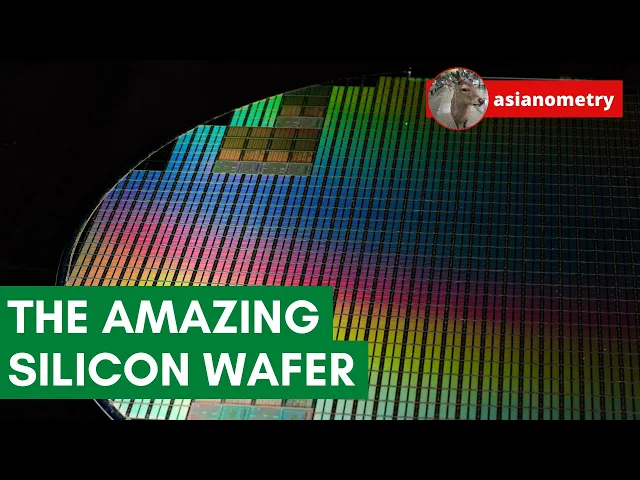
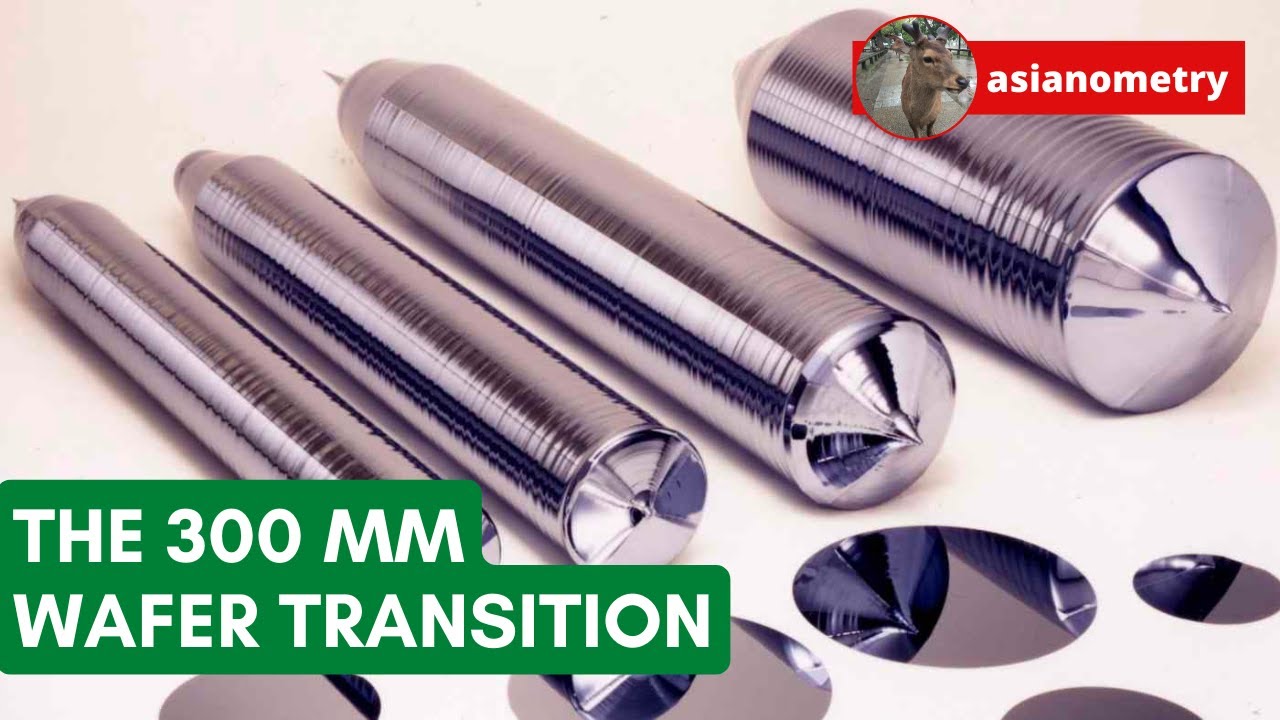
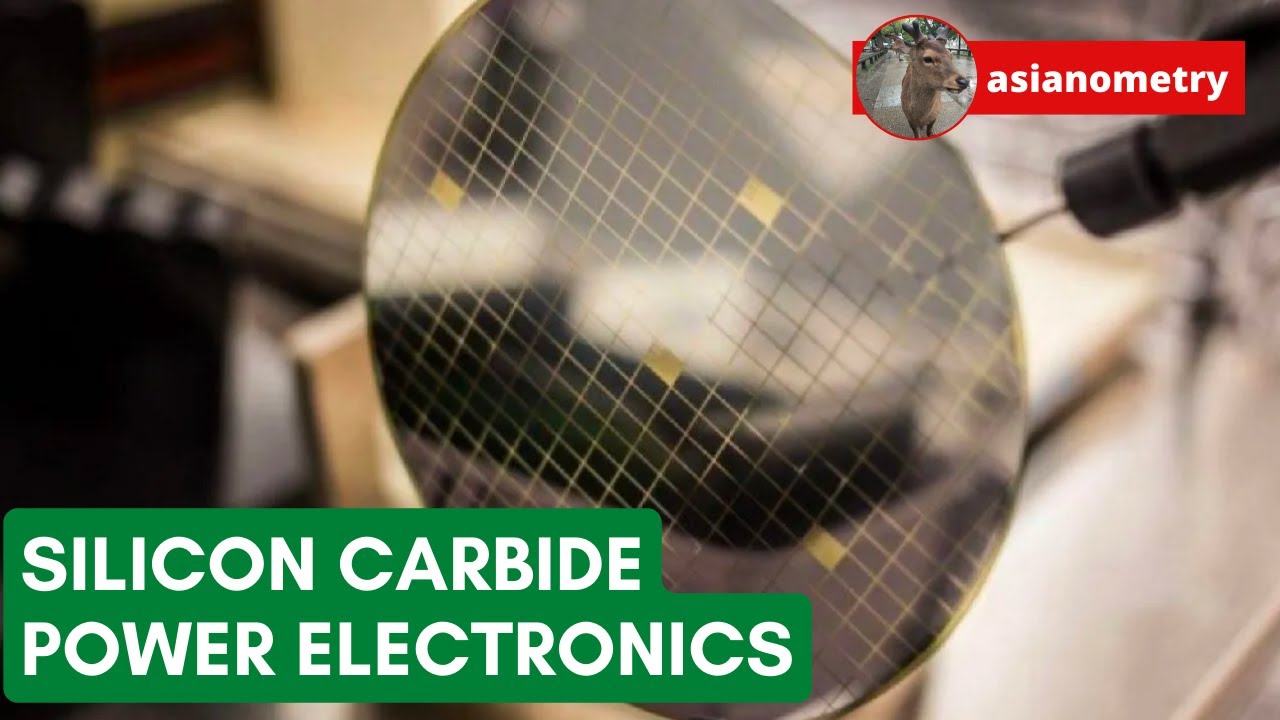
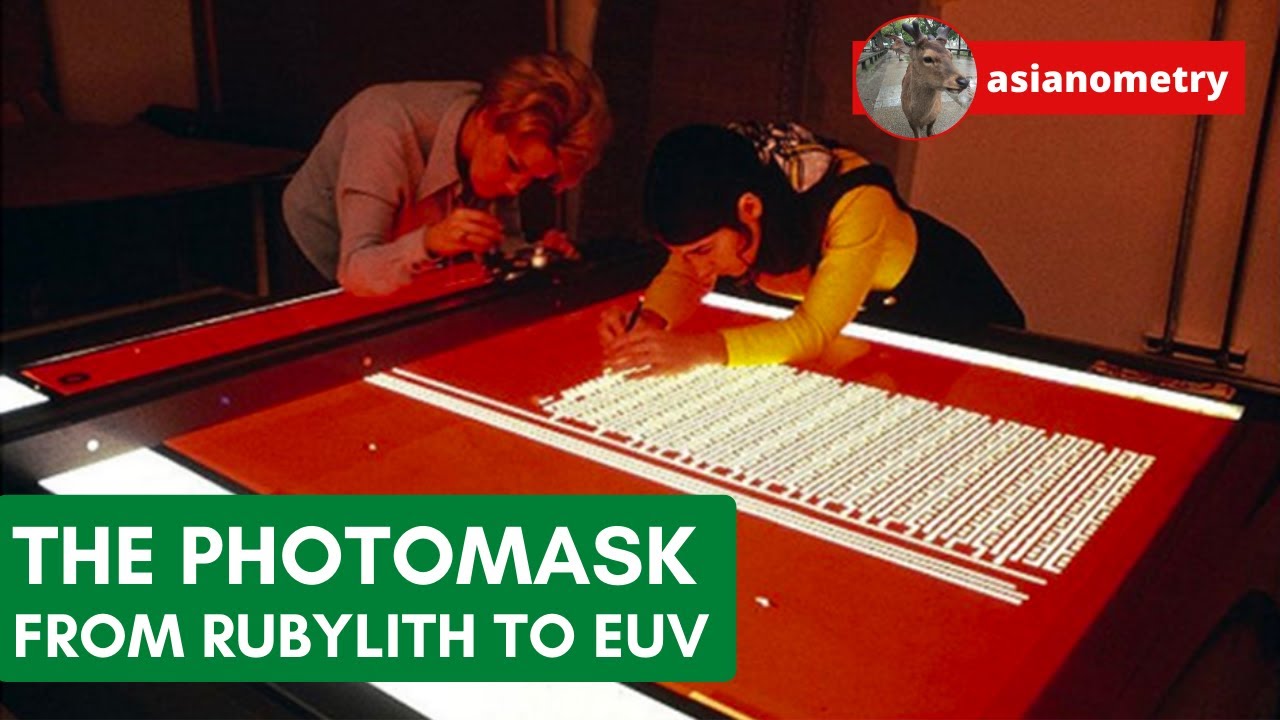
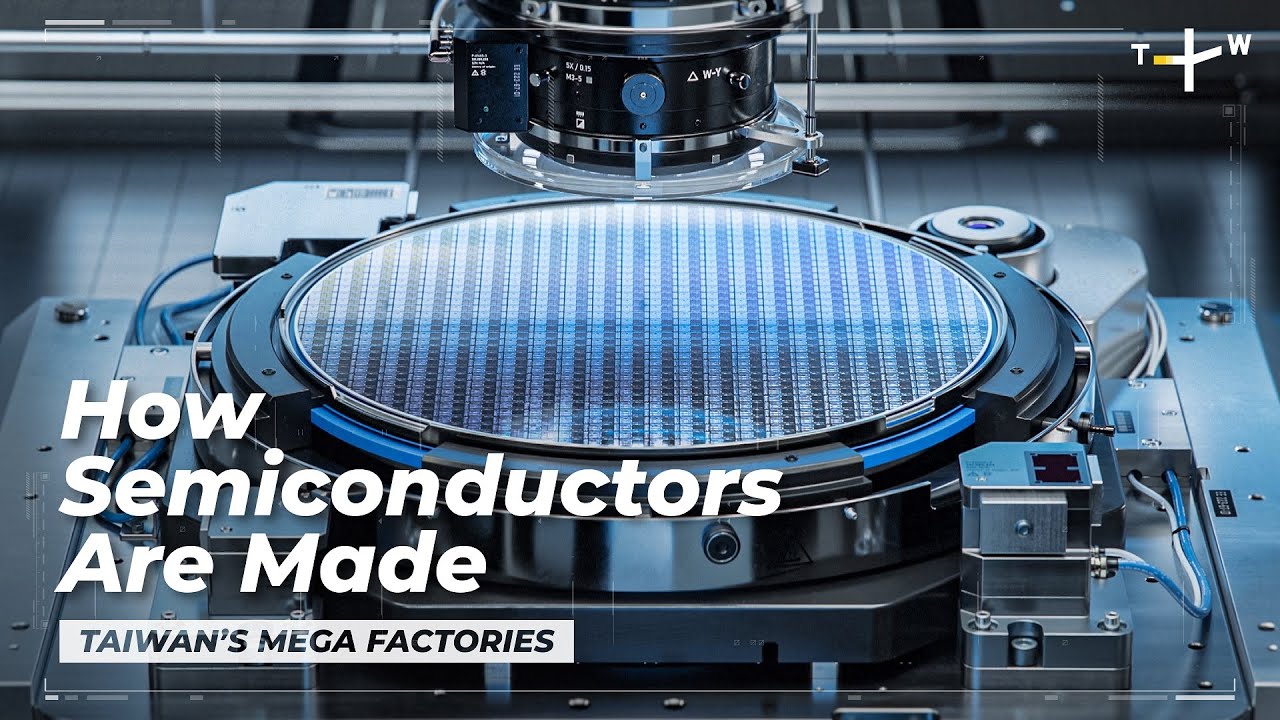
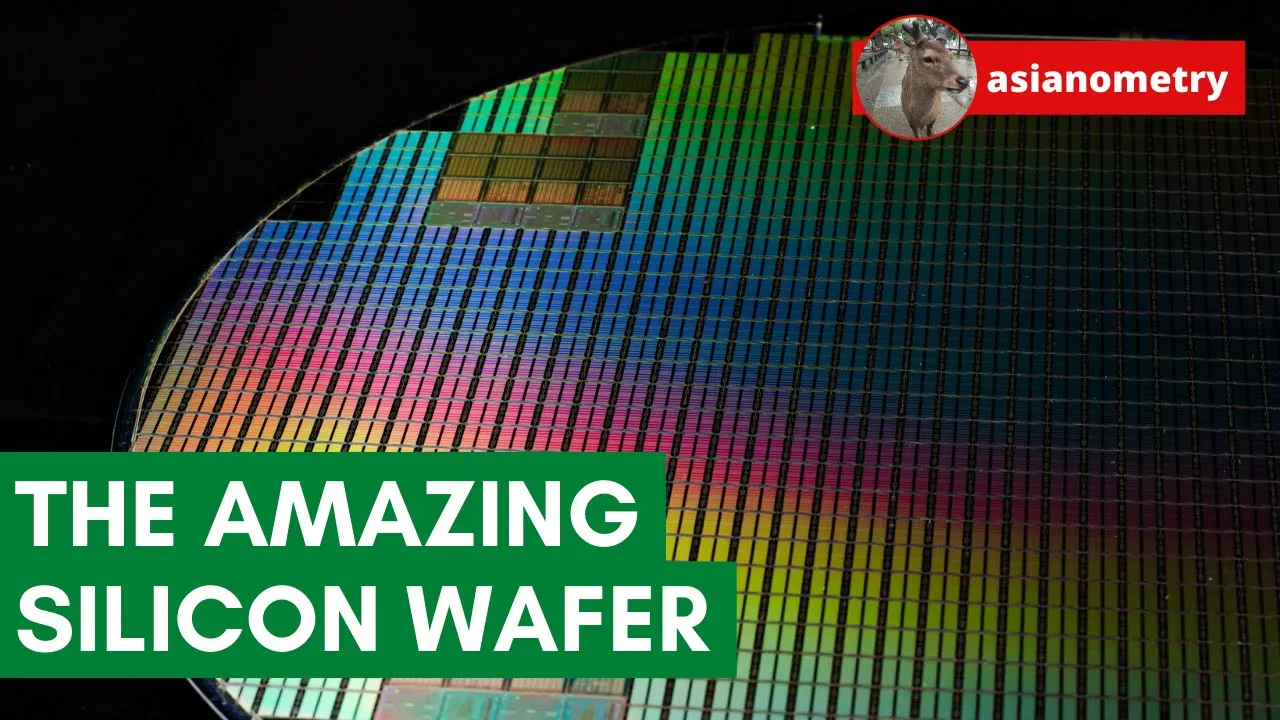
silicon is probably the single most studied element on earth over the past 70 years people have researched more ways to cut it etch it grind it clean it crystallize it polish it than almost anything else engineers have done amazing things to turn this plentiful shiny rock into the century's most impactful piece of technology and the wafer industry needs some love for those achievements so in this video we're going to talk about the decades of research and stunning engineering that have gone into creating today's cutting edge semiconductor wafers but first i want to talk about the asian armature patreon if you like what this channel does you can support the work by joining the early access tier early access members get to see new videos and selected references for them before their release to the public so head on over to the patreon page and take a look i deeply appreciate anything you'd be able to sign up for thank you and on with the show the silicon wafer is the fundamental building block for semiconductors micro electromechanical systems or mems and solar cells the wafer serves as a substrate for micro electronics devices built on top of it there are generally two types of silicon wafers those graded for producing solar cells and those for integrated circuits the latter requires higher grade to purity than the former eleven nines rather than six nines 99. 999 what you get well you get the idea the industry produces them in three general sizes 150 200 and 300 millimeters about the size of a takeout pizza the larger the wafers the more challenging they are to produce but if you make them right and with a good yield then bigger wafers are far more economical but more on that later wafer manufacturing begins with the formation of a single perfect silicon crystal or ingot that perfect silicon crystal starts with the most pristine sand let us talk about it today's modern wafers are made from silicon earth's second most abundant element silicon itself is a blue-gray brittle element in the same group as germanium and carbon on the periodic table silica is a major component of sand so yes almost all silicon wafers begin with sand but it makes the most economic sense to source the purest possible natural sources of sand and save consumers the trouble of additional purification work like all minerals and people quartz is influenced by the environment in which it is grown impurities happen when trace elements or minerals enter the mineral as it grows for instance water or gas bubbles the single biggest source of high purity quartz comes from the secretive unimin corporation in the united states now known as kovia they mine out of north carolina near the town of spruce pine they process wafer sand out of pegamite deposits there are other companies in the space the biggest alternative supplier is the high quality quartz from drag in northern norway their quartz is mined by norwegian crystallites the purest wafer sand in the world currently available has a purity of 99. 9992 percent with trace elements of boron in quantities of 40 parts per billion most wafer sand is not like this and even then three nines of purity is still too dirty and disgusting for semiconductors so more purification work needs to be done you take your wafer sand which is often far short of 99.
9992 percent and mix in a carbon source like coke coal or wood chips then you heat it in a submerged electrode arc furnace to temperatures from 1500 to 2000 degrees celsius silica is silicon dioxide so when you add carbon and energy to it the oxygen leaves the silicon and attaches itself to the carbon what you have at the end of it is something called metallurgical grade silicon or mgsi with a periodic grade of 98 to 99 percent 98 is pretty good if you just took a midterm but it falls far short of semi-conductor-grade silicon so you need to purify it even more you take the powdered metallurgical silicon add hydrochloric acid and throw it into a reactor heated to 300 degrees celsius they react together to create a new set of intermediate chemicals these we can then process into semiconductor grade polysilicon these chemicals can vary but technicians have mostly chosen to try for trichlorosilane throughout the process of creating trichloroxylane the acid will scrape away traces of iron and aluminium once you have the pure trichlorocylane it is vaporized and placed along with pure hydrogen into a chemical vapor deposition reactor there the gas decomposes depositing the silicon onto very thin rods of silicon called slim rods after about 200 to 300 hours of slow growth at 1100 degrees celsius is a larger rod of semiconductor grade polysilicon this method of using cvd to deposit silicon onto thin metal rods is referred to as the siemens method named after siemens the the company which first patented back in the 1950s there is also a competing process using fluid bed reactors which has been catching on lately due to its better economics i mention it because the phrase fluid bed makes me think of water beds the siemens method gives you your desired purity but you also only get back about 30 percent of the silicon you put in while consuming a lot of power this is fine for semiconductors but presents more challenges for the solar industry solar grade polysilicon does not have to be as pure as semiconductor-grade polysilicon furthermore the solar cell industry is more competitive and cost-sensitive than the semiconductor industry solar energy has to be market competitive with fossil fuels and wind which means the panels have to cost as little as possible thus it does not make financial sense to produce solar grade polysilicon with processes so strict on purity so a few companies have explored ways to process metallurgical silicon which if you recall is only 98 to 99 pure into something good enough for solar cells one way has been to leach acids onto the silicon it has been good at taking out some impurities but falls short when it comes to others the science here still needs more work anyway let us go back to semiconductor silicon the next step on route to semiconductor wafers would be to create the crystals like always the crystals have to be pure and free of defects or dislocations ninety-five percent of the industry's crystals are grown using a process called the chokhowski method i shall hereby refer to it has the cz method because i don't want to go insane in 1916 jana joerowski a polish metallurgist working in berlin published a way of making single metal crystals he discovered this accidentally with his pen let me do a primer for the gen z members of my audience back then they use these things called pens to write you dip the pen into these things called inkwells to cover the pen's nib and ink you then write on these things called paper paper is like an ipad that doesn't run out of battery anyway jan needed to reload his pen with ink so he moved to dip his pen into the inkwell but he accidentally dipped it into a crucible of molten tin he pulled the pen out of the crucible and saw a tiny thread of solidified tin hanging from the pen's nip he soon verified that this thread was a single solid crystal continuous and unbroken from edge to edge the first transistors were made of germanium scientists gk teal and jb little modified the original cz method to create germanium crystals so really this should be called the teal and little method when the industry switched to using silicon they brought the cz method with them teal and bueller started growing cz silicon crystals in 1951. it is all one crystal but it is grown in stages and each stage requires differing conditions the cz method starts with a pool of polysilicon melt in a quartz crucible this is made by melting solid chunks at temperatures of 1420 degrees celsius you have to keep the melt at a very high temperature to prevent the formation of air bubbles then slowly you introduce your seed crystal into the melt this small thing is usually only a few millimeters large and has the same shape as your final crystal you wait until a small portion of the crystal starts to melt too then you pull the seed out of the melt while also twisting it repeat if done right the melt will crystallize under the seed below the point of contact between the seed and the melt by controlling the rate of the pulling and the heat temperature you grow the rest of the crystal including its conical and cylindrical parts as you approach the end of the crystal you again create a tapering off and cone shape this is to prevent the crystal from developing imperfections due to differing temperatures and unavoidable inconsistencies in the pulling technique sidebar i left so much out here about growing crystals with the cz method there's books and books written about this single section if you're interested i highly recommend reading up on it the first silicon crystals were small and light enough to be handled by hand about 8 inches long and 0. 75 inches in diameter over time they have gotten larger to the point where they need special equipment for proper handling the cz machines in the 1970s were about 14 feet high and weighed about 30 to 40 kilograms over the years they have more than doubled in height and weigh in at over 400 kilograms modern machines are equipped with heat shields cameras and magnetic fields to review and maintain quality control decades were spent researching and honing the method to get crystals as free as possible of impurities and dislocations once the crystals are made you need to cut them into wafers this is nothing like slicing up a sausage first you cut off the crystals crown and tail cones the body is sawed into different sections and ground down into ingots crystals are mostly grown larger than their specific dimensions so the extra needs to be ground down notches are then placed to tell the saw where to cut now we saw there are two ways to saw the ingots the first is with a diamond inner diameter saw what does that mean conventional saw blades are mounted at the center and have their cutting edges on the outside diameter inner diameter saws are the opposite they cut one wafer at a time and each cut takes a few minutes as it is cutting the blade might flex or have imperfections of its own these cause wafer defects that need to be corrected later on the alternative is to use a wire with early wire saws the wire is not actually doing the cutting what it actually does is transport a slurry of silicon carbide grit and oil to the ingot and that does the cutting recently the industry has started to use diamond abrasive wire saws steel wire coated with diamonds it cuts faster while causing less damage to the wafer's overall structural integrity wire saws take longer to cut a single ingot but unlike the internal diameter saw the wire saw can make all of its cuts at once due to this wire saws have been preferred for wafers larger than 150 millimeters the yields are better note again the concentration on yield speed and product quality the semiconductor industry is not only a technical marvel it is also a capitalist business plenty of methods are technically possible but it has to also be financially better than whatever was done before in order to be adopted ideally once the wafers are cut out of the ingots they are ready to go but in practice there are imperfections the wafer might have a warped shape their edges are rectangular which makes them vulnerable to chipping and their surfaces are contaminated with other substances so more work needs to be done to make sure you have the ideal wafer at the lowest cost so next up is the lapping and etching stage you remove any surface silicon cracked or traumatized by the wire cutting while maintaining the required flatness after this you polish the wafer surface you want to make sure that the wafer is ready for optical photolithography this method referred to as a chemical mechanical polish uses silica slurry and a bunch of acids to create a damage-free smooth surface finally the wafer is washed clean with more acids and inspected for any issues once it passes it is ready to go to tsmc intel or samsung for fabbing the leading silicon wafer suppliers in the semiconductor industry are both japanese shin etsu chemical and sumko together have about sixty percent of the market was shin etsu the market leader the majority of their work is done in japan this is partly for political reasons but it also reflects the legacy of the country's once thriving semiconductor industry throughout the 1980s various general chemical companies like shin etsu invested r d to develop the best semiconductor materials for their domestic semiconductor firms many of these companies vanished after the real estate bubble popped but shin etu and zumko survived by focusing on these very technically difficult products and exporting them abroad it is a similar story with tokyo electron shameless plug go watch that video there has been concern about the concentration of silicon wafer production within japan on occasion those plants would be affected by a fire or earthquake every time it happens at a serious level supply chains grind to a halt and people write editorials on the internet so why silicon could there have been any alternatives the first semiconductor wafers were actually made from germanium however industrialists found the element impractical to work with for a number of reasons firstly germanium wafers had issues with heat tolerances they stopped working at 90 degrees celsius the industry lingo for this is to have a narrow band gap silicon's band gap on the other hand is much wider second when heated in an oxygen-rich environment silicon reacts to create a layer of silicon dioxide this insulating layer is chemically stable not water-soluble and helps protect the underlying electronics it can also be easily etched away as needed thus it is very suitable for the photolithography and wet chemical fabrication steps plus silicon is also completely non-toxic and 10 times cheaper than germanium why not use it currently the industry standard for wafers is 300 millimeters getting there took 10 years of unprecedented industry coordination on par with the transition to euv the next step would be to migrate to 450 millimeter wafers the idea has been kicking around for a while but the industry is in a little bit of a deadlock over it intel tsmc and samsung are in favor of this transition but equipment and wafer suppliers like shinetsu lam research and applied materials are not and you can understand their perspectives for tsmc a 450 millimeter wafer has the surface area twice as large as a 300 millimeter wafer there are some photolithography and cleaning considerations with a bigger wafer but the processing equipment would only cost 30 percent more so definitely a plus for them but for the way for suppliers it means slower throughputs it means spending more on silicon it means lower yields and retooling brand new equipment those efforts have to be viable there are no technical boundaries but there are substantial economic and engineering ones the first 400 millimeter crystals were grown back in 1995.
the original road map had the first 450 millimeter wafers coming out in 2014 but the timeline keeps pushing back i've seen people and researchers talk a little bit about moving away from silicon for the next generation of semiconductors there are a lot of articles floating around about graphene and all but i don't think silicon is going anywhere for a long time it is a 10 plus billion dollar sector and the literal foundation of the 400 billion dollar semiconductor world the industry is also really fiercely competitive just think about all the times throughout this video in which i mentioned experiments to find new ways to grow cut saw polish or process however i do think silicon is not the end-all be-all answer for the future future something that i have mentioned is that when moore's law stalled out the industry evolved to find better end-user performance using other methods the most well known of which is the system on chip where you put together different components optimized for very specific use cases i mentioned the industry trend towards system on chips in my physical verification and semiconductor design videos there is a version of this for the silicon parts of the chip can be replaced or blended with new materials more suitable for certain functions for instance certain high power high voltage devices with band gap requirements that even silicon cannot fulfill and so those might be fabricated with gallium nitride those gallium nitride parts can match together with traditional silicon to deliver better end user performance without the need for further transistor scaling wafer technologies of course will have to adapt once more to accommodate this new development adding yet more engineering sophistication to a deceptively plain pizza pie surface alright that's it for tonight thanks for watching if you enjoyed the video consider subscribing check out the newsletter or follow the twitter want to send me an email drop me a line at john agenometry.