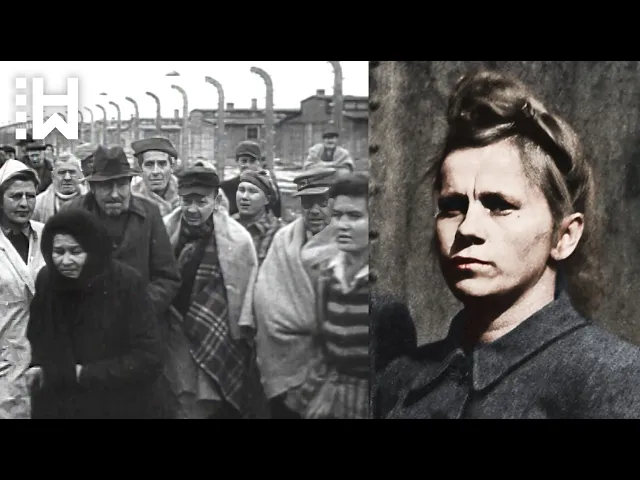
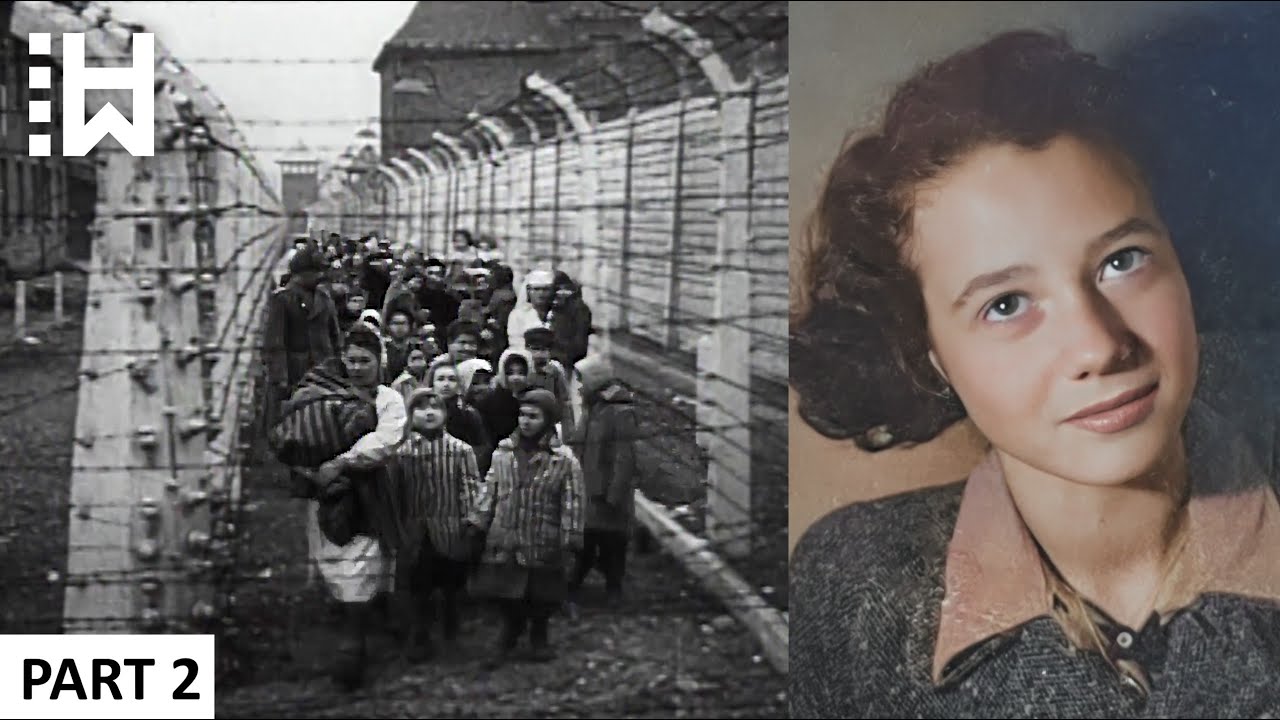
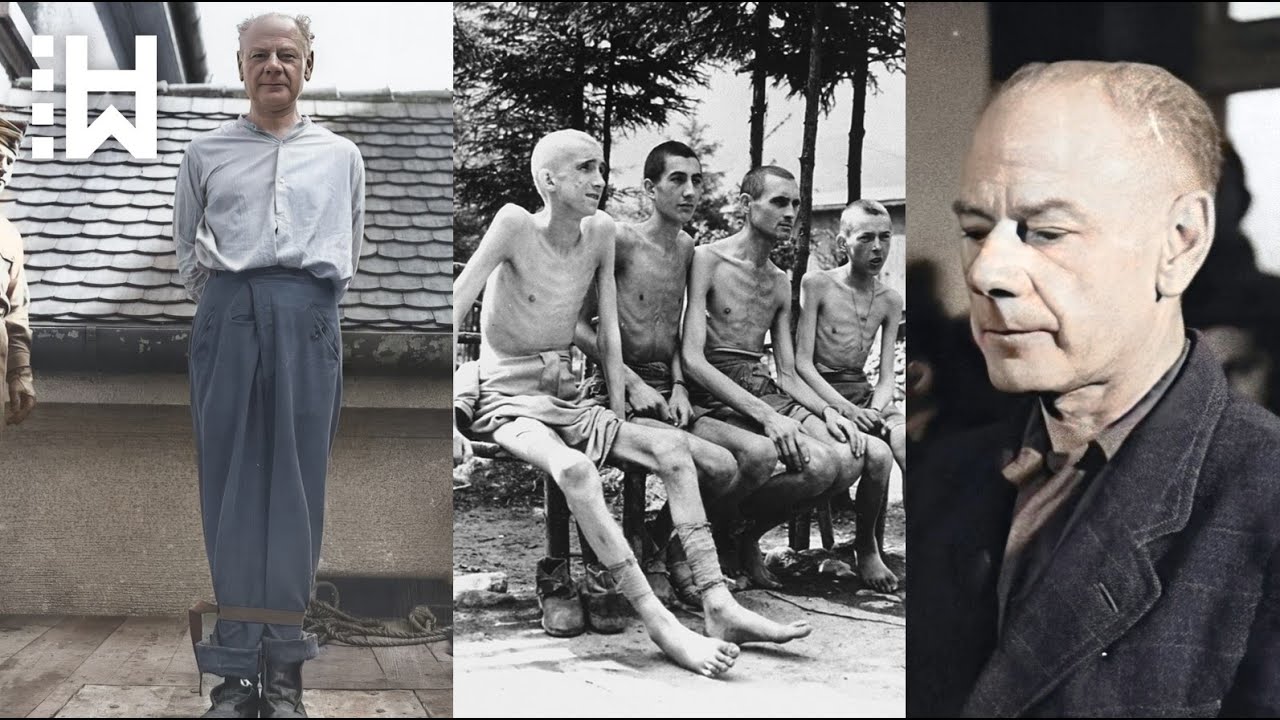
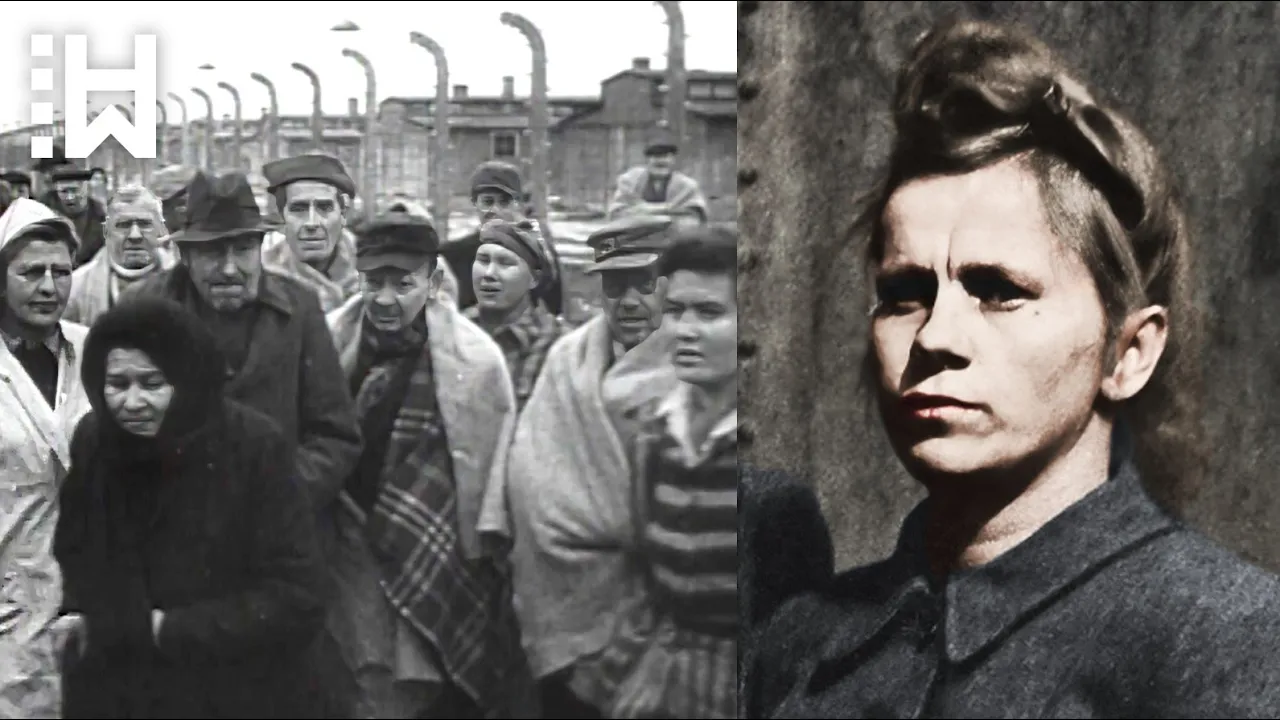
The 15th of April, 1945, southwest of Bergen, Nazi Germany. The British 11th Armored Division liberates Bergen-Belsen – one of the worst Nazi concentration camps which would epitomize the true bestiality and horrors of the Nazi regime and its death camps. The British forces find 13,000 unburied death bodies and almost 60,000 prisoners who are sick and starved.
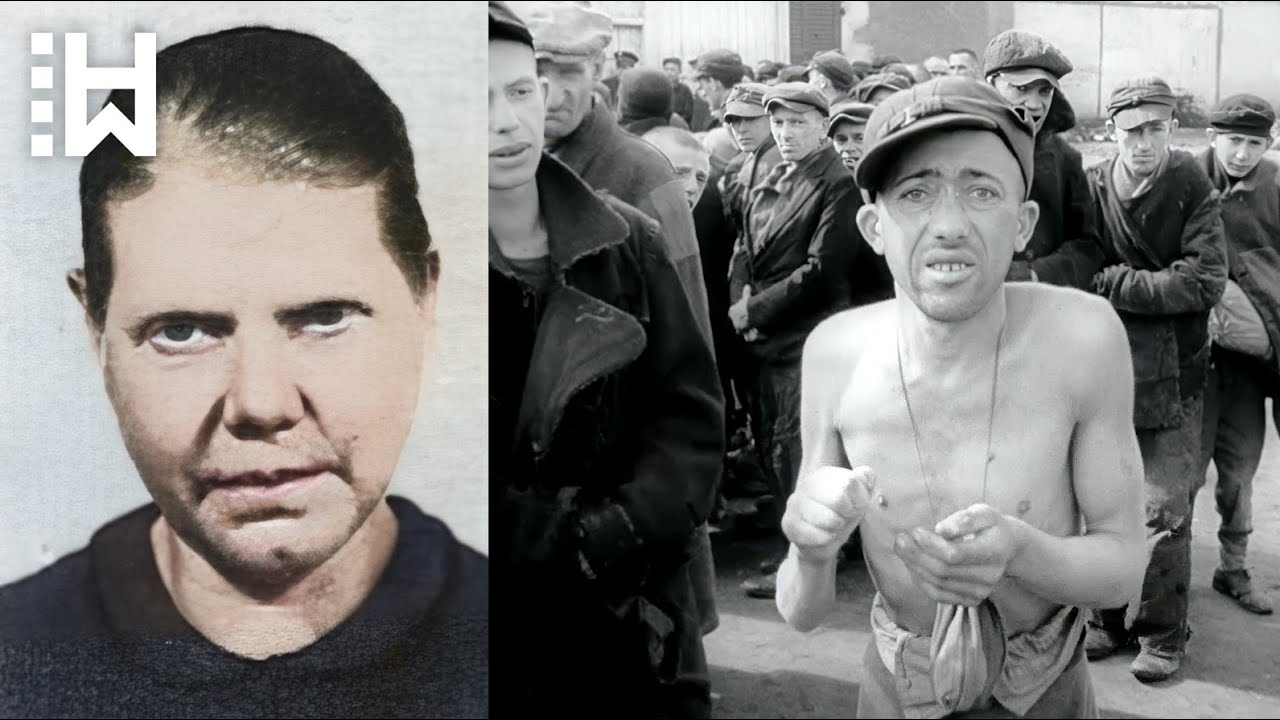
Thousands of other inmates will die of various diseases such as typhus and tuberculosis during the months following the camp’s liberation. The British forces capture male and female Nazi personnel responsible for these horrors and force them to help bury the dead bodies in mass graves. One of them, who would become one of the most infamous perpetrators of the criminal Nazi Regime, is Elisabeth Volkenrath.
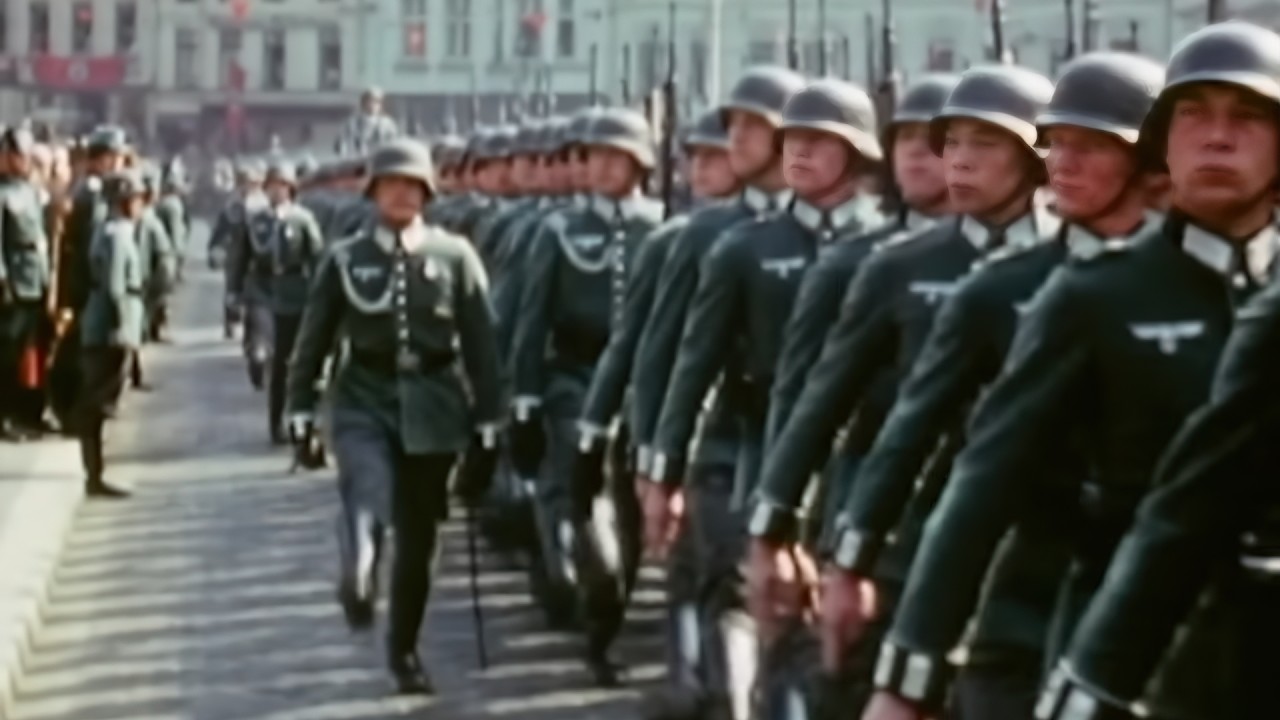
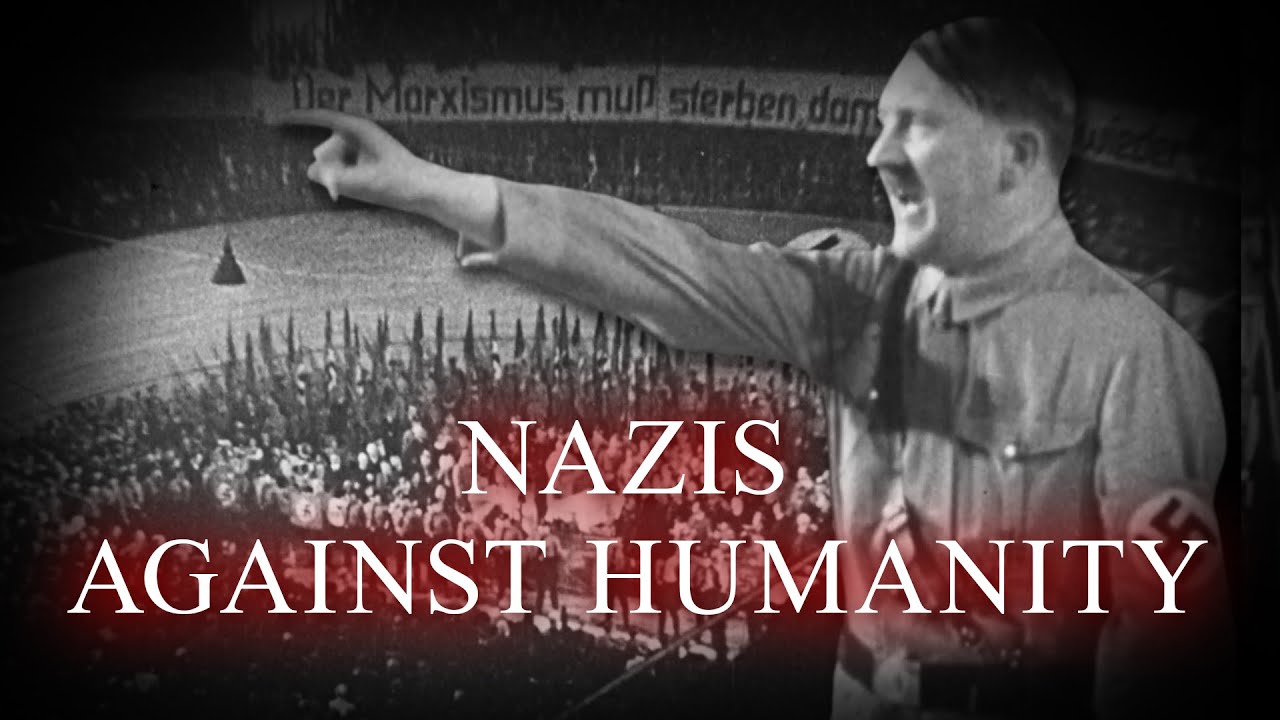
Elisabeth Volkenrath, one of 6 children of the forest worker Josef Mühlau and his wife, was born on the 5th of September 1919 in Schönau an der Katzbach, then part of the Weimar Republic which was the government of Germany from 1918 to 1933. In January 1933, when Adolf Hitler and his Nazi Party came into power, Elisabeth was only 13 years old. Soon after she became a member of the League of German Girls, which was the female section of the Hitler Youth.
These organizations, led by Baldur von Schirach, were the primary tools that the Nazis used to indoctrinate young people with Nazi ideology, thus shaping the beliefs, thinking and actions of German youth. While in January 1933, the Hitler Youth had approximately 100,000 members, by the end of the year this figure had increased to over 2 million. Jews were not allowed to join these organizations.
Boys and girls were taught to be both racially conscious and physically fit in order to build a new future for Germany and were often present at Nazi Party rallies and marches. Since the Hitler Youth and its female section the League of German Girls were considered fully Aryan organizations by Nazi officials, premarital sex was encouraged in their ranks. At the 1936 Nuremberg Rally, where there were some 100,000 participants of youth organizations present, 900 girls between fifteen and eighteen years of age returned home pregnant.
While boys participated in military training to be trained as future fighters and soldiers for war, girls prepared for their futures as wives and mothers. The League of German Girls emphasized collective athletics, such as rhythmic gymnastics, which German health authorities deemed less strenuous to the female body and better geared to preparing them for motherhood. These activities also served to demonstrate the value of working together.
The League trained girls to care for the home and family and girls learned skills such as sewing, nursing, cooking, and household chores. In 1936, membership in Nazi youth groups became mandatory for all boys and girls between the ages of ten and seventeen. Schools too played an important role in spreading Nazi ideas to German youth.
From their first days at school, German children were imbued with the cult of Adolf Hitler and his portrait was a standard fixture in all classrooms. While censors removed some books from the classroom, German educators introduced new textbooks that taught students love for Hitler, obedience to state authority, militarism, racism, and antisemitism. Elisabeth Volkenrath, after completing elementary school, worked as a nanny and cook's assistant and from May 1938 until the beginning of the war she worked in a hairdressing saloon.
The Second world war began on the 1st of September, 1939 when Germany invaded Poland. Soon after, Volkenrath did her 6 months with German national labor service which was the official state labor service, divided into separate sections for men and women. After the start of the war, it was also compulsory for young women and its objective was to provide support for the Wehrmacht armed forces.
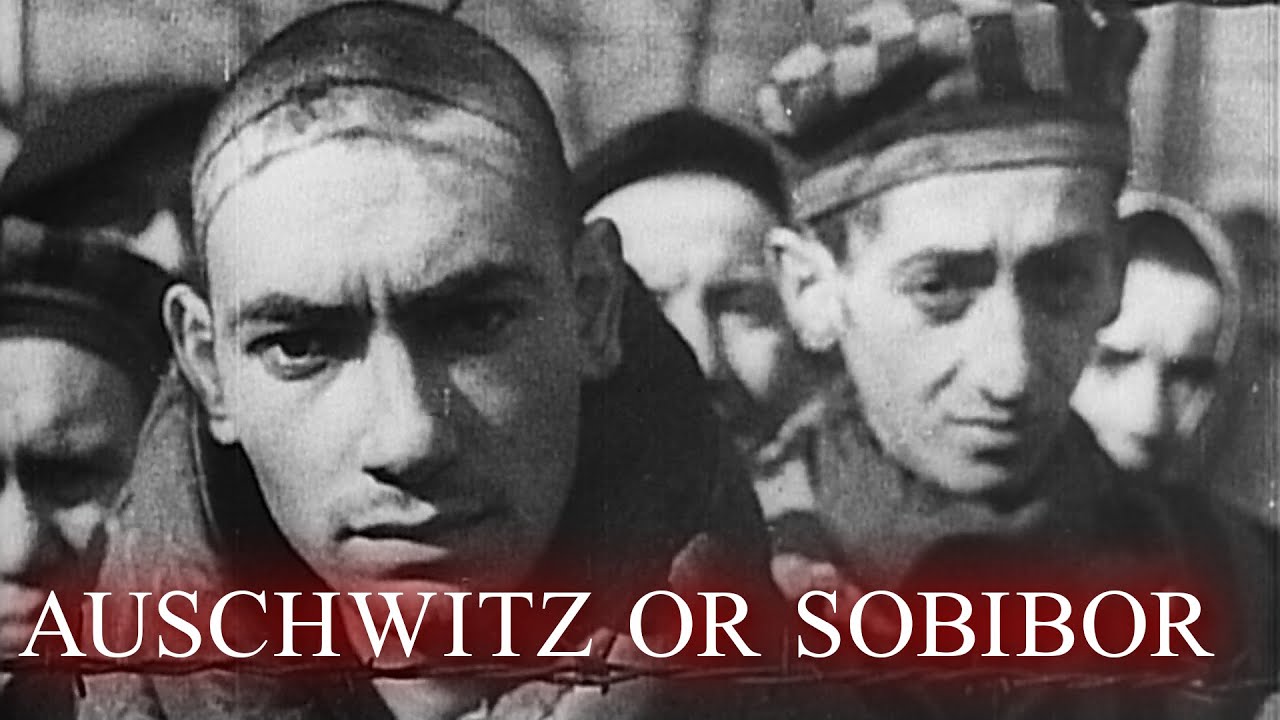
In 1941 Volkenrath was conscripted into the SS and sent to Ravensbrück, where she was trained as a guard. Ravensbrück, opened in May 1939, was the only major women's camp established by the Nazis. In total, some 132,000 women from all over Europe passed through the camp, including Poles, Russians, Jews, Gypsies, and others.
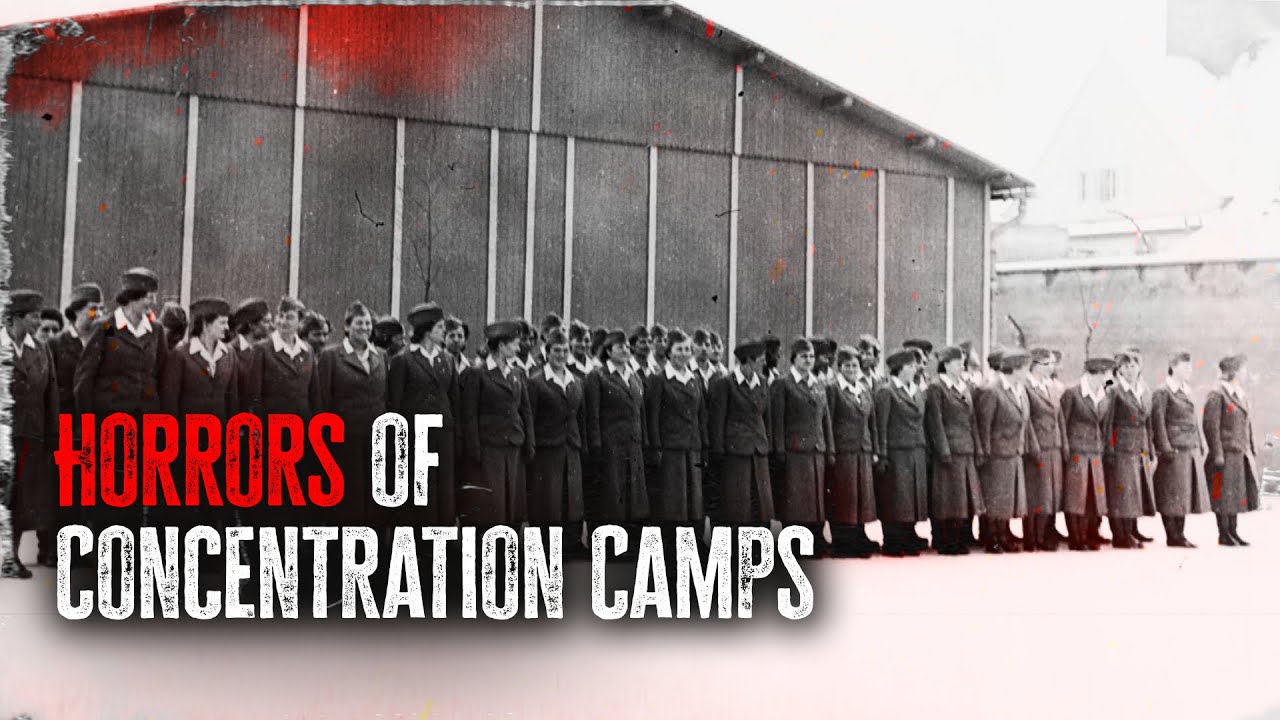
Of that number, over 92,000 women perished. Ravensbrück camp was staffed both by SS men, who served as guards and administrators, and by 150 women, who served as supervisors. These female supervisors were either SS volunteers or women who had taken the job for the good pay and working conditions.
Ravensbrück also housed a training camp for female SS guards who were taught by Dorothea Binz - the sadistically cruel German Nazi officer and supervisor - who instructed her trainees on how to handle the prisoners that they were going to supervise. These prisoners would have to work until they died and the task of their supervisors, such as Elisabeth Volkenrath, was to get a maximum amount of work out of them whilst they were still alive. Ravensbrück thus also became a training center or “a school of violence “ for about 3,500 female guards who went on to serve either there or at other concentration camps.
In the camp, Volkenrath worked with outside Kommandos and had to take care that prisoners did not escape and did their work. When she was later asked if the treatment of women at Ravensbrück had been worse than at Auschwitz, she replied: “The treatment was severe, but I cannot call it bad. ” Starting in the summer of 1942, SS medical doctors subjected prisoners at Ravensbrück to unethical medical experiments.
The main coordinator of these experiments was Karl Gebhardt and his assistants became doctors Herta Oberheuser and Fritz Fischer. They often used a hammer to break legs of female prisoners, then infected open wounds with aggressive bacteria and monitored the healing with and without various chemical substances such as sulfanilamide, which was an early antibiotic, to prevent infections. Believing it could help in treating amputee soldiers, they also tested various methods of setting and transplanting bones.
Such experiments included amputations and were often performed without any anesthesia. The SS selected nearly 80 women, mostly Polish, for these experiments. Many of the women died as a result and those who survived often suffered permanent physical damage.
SS doctors also carried out sterilization experiments on women and children, many of them Roma people, in an attempt to develop an efficient method of sterilization. They were also involved in forced abortions of women who were already seven or eight months pregnant. In addition to these forced abortions, they were also known for the beating of pregnant women to cause miscarriages and the killing of newborns.
After the war, when Elisabeth Volkenrath was asked about the prisoners being regularly used for experimental purposes, she replied “I have never heard anything about it. She would have been the only one there who hadn’t. In March 1942 Volkenrath was sent to Auschwitz concentration camp located in German occupied Poland where at first, she worked in a sort of tailoring shop where the prisoners mended the uniforms of their fellow inmates.
The majority of the inmates employed in this workshop were elderly women and Volkenrath regularly stroke them with her fists, sometimes so hard that they fell to the ground. She would later claim that it was often necessary to slap their faces because they tried to steal bread which did not belong to them. From December 1942, she was responsible for a parcel store where she supervised a group of 25 – 30 prisoners.
According to her statements, these inmates had to open and hand out all the parcels which came either from relatives of the prisoners or Red Cross. The prisoners in question then came there to receive their parcels. She was also in charge of the distribution of bread to the prisoners, which was done from the same office.
The block leaders of all the blocks came with one or two other prisoners and then fetched the bread for their block. Through the eager performance of her responsibilities, Volkenrath rose rapidly in the overseer hierarchy and in November 1944, she was promoted to Oberaufseherin or Chief Senior Overseer supervising a dozen female guards and several dozen kapos who were under her command. Volkenrath acted as a liaison between them and headquarters.
At Auschwitz, Elisabeth Volkenrath became known for her exceptional sadism and brutality due to which she became one of the most hated SS women in the camp. One of her duties was taking part in gas chamber selections. There were three kinds of these selections.
First, when the transports arrived. Second, in the camp outside the blocks or in the bath-house and third, in the hospital. A center for the extermination of the Jews became Birkenau which was the largest of the more than 40 camps and sub-camps that made up the Auschwitz complex.
It was divided into ten sections separated by electrified barbed-wire fences. It was patrolled by SS guards, including—after 1942—SS dog handlers. During its three years of operation, it had a range of functions.
When construction began in October 1941, it was supposed to be a camp for 125 thousand prisoners of war. It opened as a branch of Auschwitz in March 1942, and served at the same time as a center for the extermination of the Jews. In its final phase, from 1944, it also became a place where prisoners were concentrated before being transferred to labor in German industry in the depths of the Third Reich.
Volkenrath would later claim that she never took part in gas chamber selections and that her duty was to be only present there and to see that the prisoners kept quiet, kept order and that they did not run about. However, those who were lucky enough to survive the Holocaust later testified that Volkenrath herself used to make selections from prisoners as they returned to camp from outside work. During these selections, the inmates did not know whether the camp Nazi personnel was to choose a working party for a factory, to go to another camp, to choose a party to go to the gas chamber, or for some other purpose.
When these women found that they were being put with the people in Block 25, which was used to hold exhausted female prisoners classified during selections in the camp as unfit for work, they not only cried and shrieked, but they also tried to escape, hide, and get to the people on the other side. Volkenrath kept order on these selection parades by beating people, kicking them and ill-treating them in every way when they tried to escape. She then helped to load the women to be killed onto lorries which took them to the gas chambers.
On one such occasion when Volkenrath was personally picking out victims, out of 1400 prisoners only 300 were left after the selection had been made. One of Elisabeth Volkenrath’s favorite habits at Auschwitz was to beat women with everything that was at hand without any reason until they lay still. After the war, 2 Holocaust survivors, Kaufmann and Siwidowa, testified that on about 80 occasions Volkenrath beat female prisoners, often with a rubber truncheon, until they were unconscious.
Many of these persons were carried away dead. Vera Fischer, who survived the war, later testified how Volkenrath had beaten her so severely that she ended up in hospital for three weeks. At Auschwitz, the working day began at 4:30 in the summer and 5:30 in the winter.
The prisoners got up at the sound of a gong and carefully tidied their living quarters. Next, they attempted to wash and relieve themselves before drinking something that tried to look like “tea” or “coffee”. At the sound of a second gong, they ran outside to the roll-call square, where they lined up in rows of ten by block.
The prisoners were then counted during roll call. During the roll calls which often took from 3 to 9 AM, the prisoners had to stand still and if they moved, they were either beaten or had to kneel down for hours. Volkenrath’s specialty in making these roll calls as difficult as possible was to make the prisoners hold their hands above their heads for hours and if they faltered, she would beat them, often with her rubber truncheon.
In addition, she often took away food and water from the starving prisoners. Her explanation was that they had too much of it. Volkenrath also enjoyed submitting the prisoners to punitive physical exercises which the SS at Auschwitz called “ making sport “ .
The inmates had to perform the exercises without any regard for their age or health. These exercises included running with their hands held up, exhausting marches on bare feet, crawling on gravel on their elbows, so-called goose stepping or rolling around on the ground. Volkenrath would later testify that these prisoners had to do these exercises if they had done something that was forbidden, for instance stealing food.
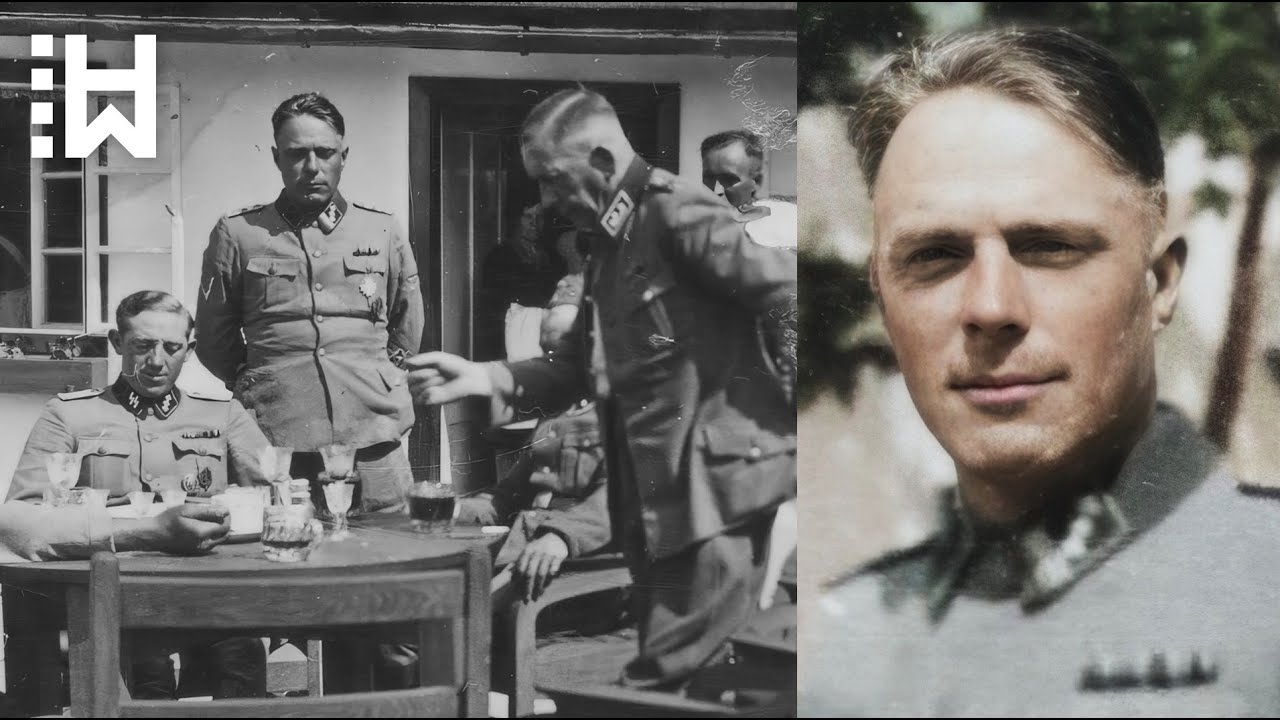
Elisabeth Volkenrath was also present when one Nazi female camp guard named Buchhalter was punished because she not only had sent letters written by prisoners to their relatives in an unofficial way but also because had a love affair with a male prisoner. The camp’s commandant Rudolf Höss came and read out the judgment and said to all the female Nazi guards that Buchhalter was being punished by order of the Reichsführer Heinrich Himmler, the head of the SS, who was responsible for the management of concentration camps. The punishment – twenty-five lashes with a whip - took place in the dining-room of the house where the female SS guards lived.
All of Buchhalter’s female Nazi comrades had to parade and they were also the ones who had to be administer this punishment. In 1943 at Auschwitz, Elisabeth Mühlau became Elisabeth Volkenrath, after marrying Heinz Volkenrath who had worked there since 1941 as SS-Block Leader Elisabeth Volkenrath left Auschwitz on the 18th of January 1945 when Soviet forces approached the Auschwitz concentration camp complex and the SS began evacuating Auschwitz and its subcamps. These forced marches of concentration camp prisoners became known as the death marches.
The prisoners had to march over long distances under guard and in extremely harsh conditions. On the 5th of February 1945 she arrived in Bergen Belsen concentration camp. Sanitary conditions at Bergen Belsen were terrible and there was no water for washing and hardly enough for drinking and cooking.
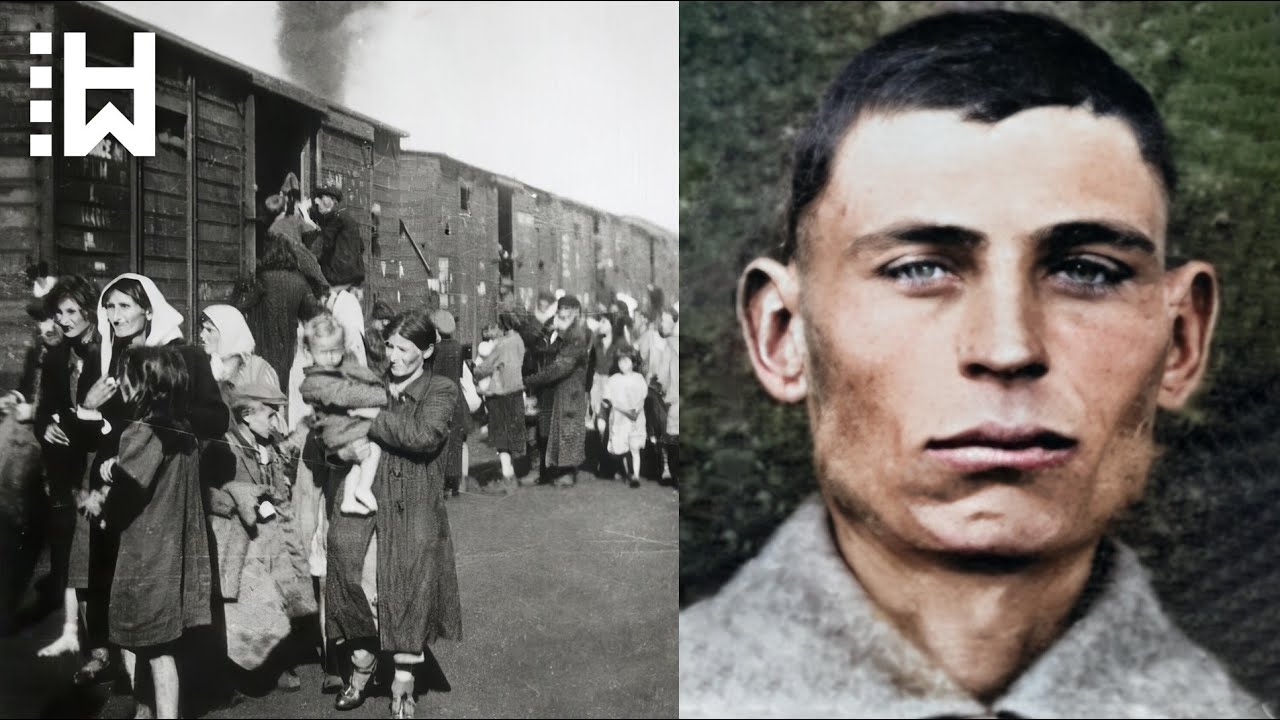
Between January and March 1945 when the prisoners were sent on death marches from the other concentration camps, about one-third of the prisoners who arrived in the transports were already dead, and almost 80 percent of the rest had to be fetched by truck from the station as they were too week and sick to walk. On one occasion out of a transport of 1,900 inmates over 500 arrived dead. The prisoners got almost no food during these death marches and there was no food when they arrived at the camp either.
The camp was so overcrowded that during the winter months when it was freezing cold, the prisoners had to sleep in a sitting position on the floor and somehow try to share only 200 blankets in a camp of tens of thousands of prisoners. Due to starvation, thirst and the outbreak of typhus epidemics, the average daily mortality rate of prisoners was between 250 and 300. Yet even in such harsh conditions, Volkenrath enjoyed beating half-starved prisoners.
On one occasion she caught a girl, who was very sick, taking some vegetables, and she made her kneel down and hold the vegetables above her head. When after about four hours she could no longer hold her arms up, Volkenrath beat her on the head, back and legs with a rubber truncheon. The girl was knocked unconscious and no one was allowed to assist her.
She lay there until nightfall. On another occasion a female prisoner named Helene Herkovitz was accused of wearing a stolen ring and a locket. After being beaten, she was made to run behind a bicycle to the SS headquarter, where Volkenrath, amongst others, beat her with a rubber truncheon.
The woman was then put in a cellar with food and water for only 3 days but she not only survived her stay in the cellar but also survived brutal interrogations for 3 weeks thanks to her sister who smuggled her the food and water. After surviving this horrible torture, Herkovitz was sent to clean the latrines when weak and exhausted, she contracted typhus. When one female inmate tried to escape and was caught, both Elisabeth Volkenrath and Josef Kramer, the camp’s commandant, asked the girl the details about her escape.
As Volkenrath later claimed, she had lied so they stripped the girl and started to kick her and hit her with a stick on her head, face and all over her body. Up until her very last moment in camp, she took pleasure in abusing the prisoners. On the day after day the British forces arrived to liberate the camp, she was witnessed beating a young girl with her fist so violently that the girl collapsed and did not move again.
Volkenrath then went away leaving her where she lay. On the 17th of April 1945, 2 days after Bergen Belsen’s liberation, Elisabeth Volkenrath was captured by the British forces together with her fellow Nazi criminal colleagues such as Josef Kramer, the Commandant of Auschwitz-Birkenau and the last commandant of Bergen Belsen and Irma Grese, her fellow Nazi comrade from Auschwitz concentration camp, who became known as the Hyena of Auschwitz" and "the Beautiful Beast" owing to her cruelty and brutality. Justice finally caught up with Volkenrath when she was tried at the Belsen Trial which began on the 17th of September 1945.
At the trial, Volkenrath pleaded “ not guilty “ on all charges and denied everything. However, when asked about brutal beating of the prisoners, she responded: “It is true that I slapped the faces of women. If they did not obey orders and were slapped, it was only their own fault.
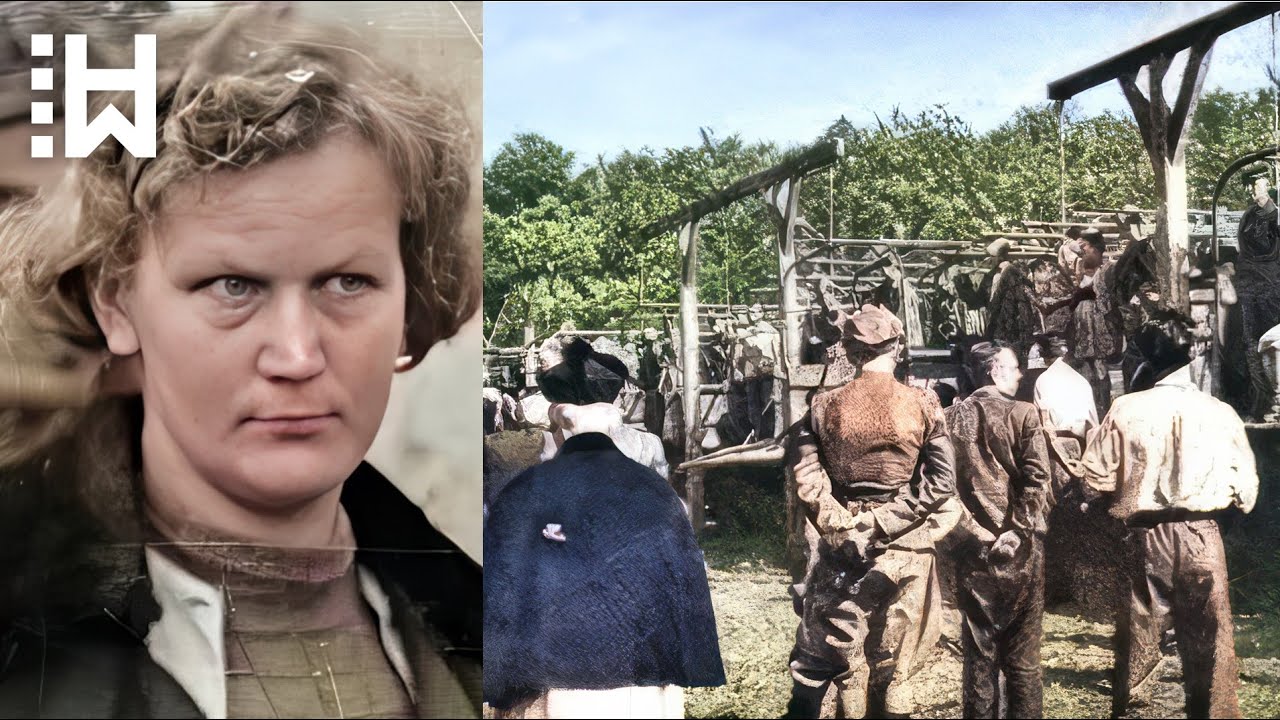
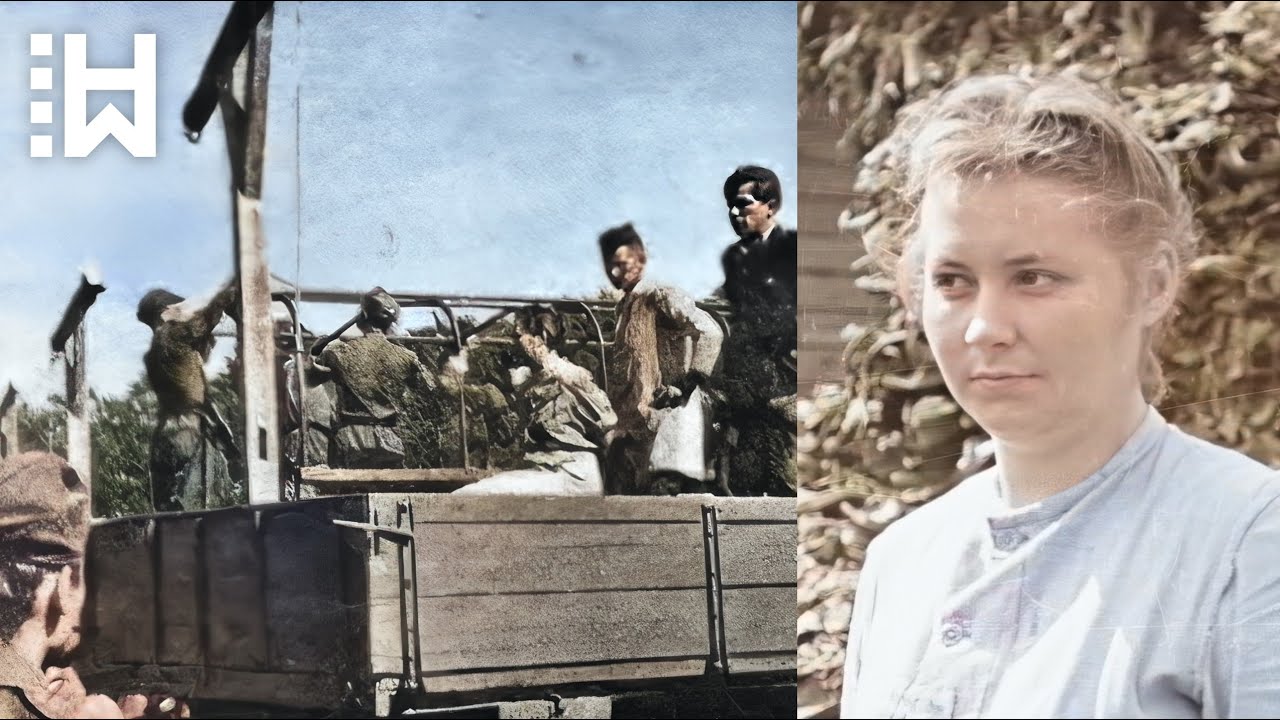
If they were more intelligent, then they did obey orders and everything was all right. ” On the 17th of November, The British Military tribunal sentenced Elisabeth Volkenrath to death by hanging. She was 26 years old when the British executioner Albert Pierrepoint carried out the sentence on the 13th of December,1945.
Volkenrath was the first to be executed that day, her time of death was at 9:34 AM. There were no tears shed for Elisabeth Volkenrath. Thanks for watching the World History Channel be sure to like And subscribe and click the Bell notification icon so you don't miss our next episodes we thank you and we'll see you next time on the channel.