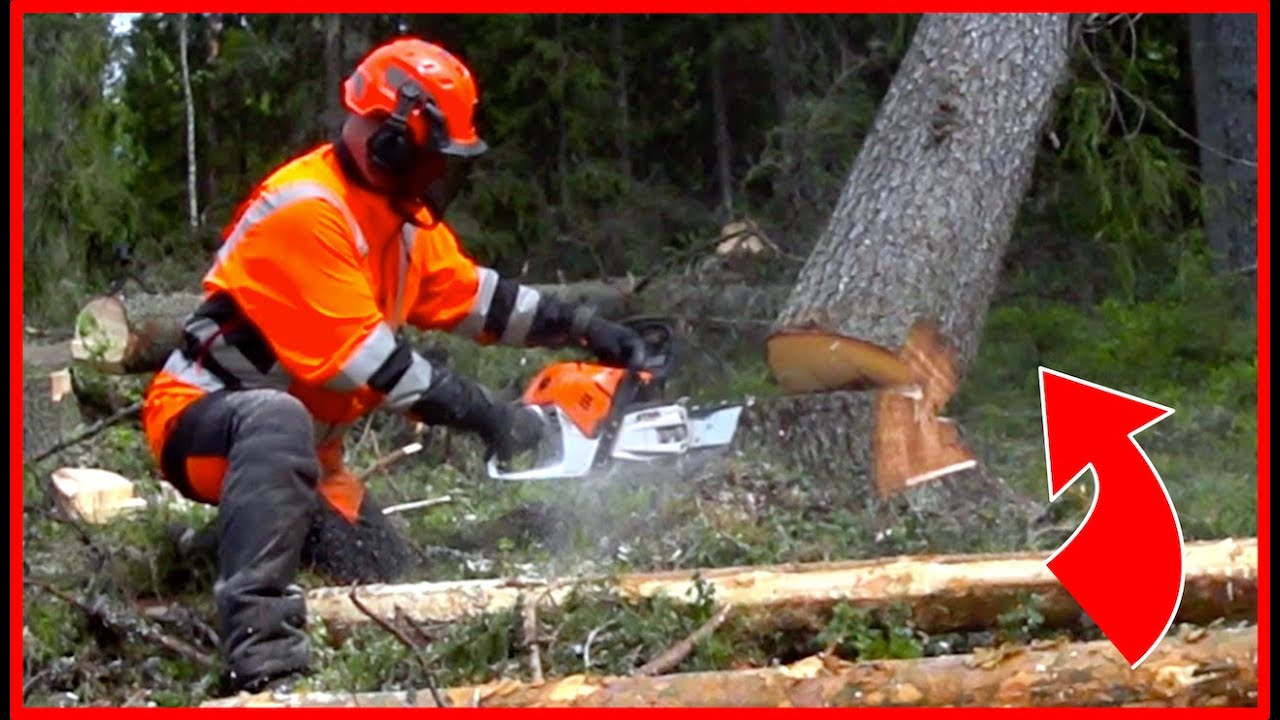
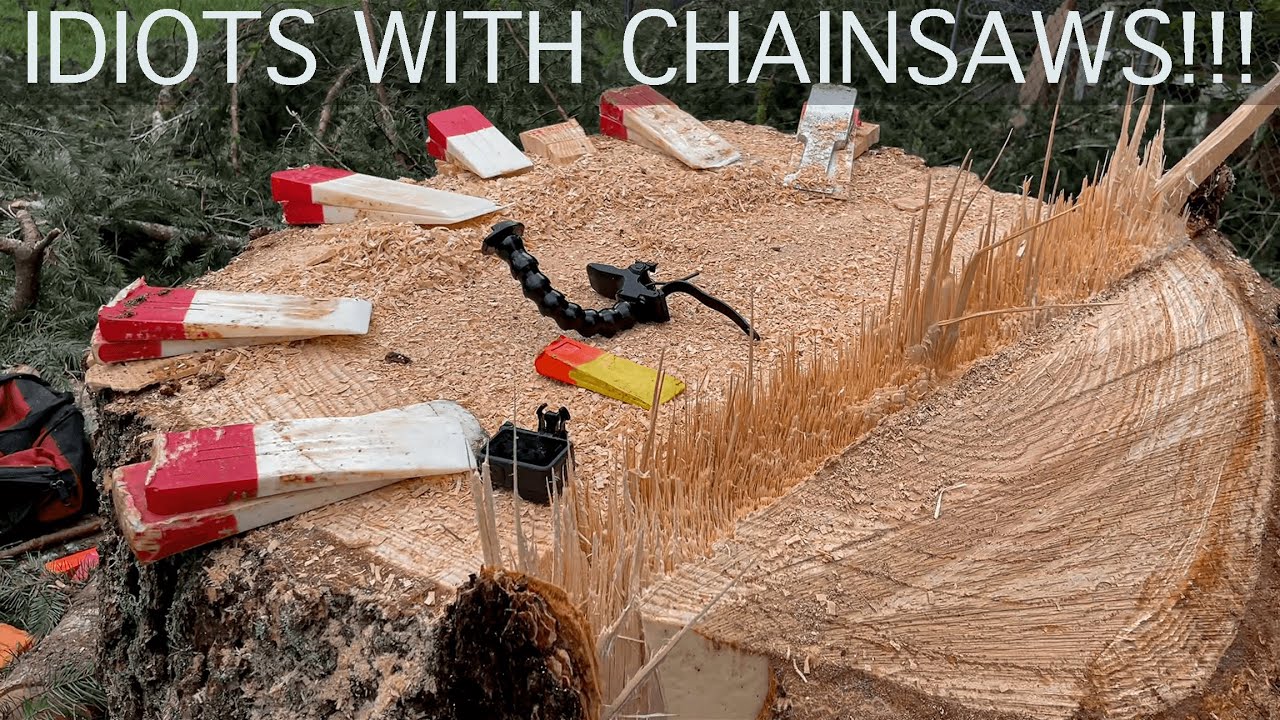
hi it's daniel murphy and i want to take a look at another video of a barber chair here on downloaded from youtube this to me is a classic example of an unintentional bypass dutchman in the face causing the barber chair and let's take a look at how dangerous that could be that piece lifted up about 20 feet and then just slammed down to the ground so why did i say that this is a barber chair caused by an unintentional bypass in the face watch here he's going to stop for a second and look up at
the tree so he stops and looks up now why did he do that let's replay that in slow motion so now he's on his feet he's in the back cut and we got this plane at half speed if you look not at the follower but look at the top of the tree you'll see the top of the tree starts to move right there and then he stands back and he looks up at he's expecting the tree to start to go let's watch that over three more times again and you can see that tree's moving all
right here it is again tree's starting to move and he stands up and one more time as he finishing the cut watch that tree start to move just in case you didn't catch that look at these still photos the back and forth movement at the top of that tree it's very very slight and it's actually the slight bit of movement that is the clear indicator and uncontrovertible evidence to show that this tree was cut with an unintentional bypass dutchman in the face with the bypass dust and what that refers to is the two cuts for
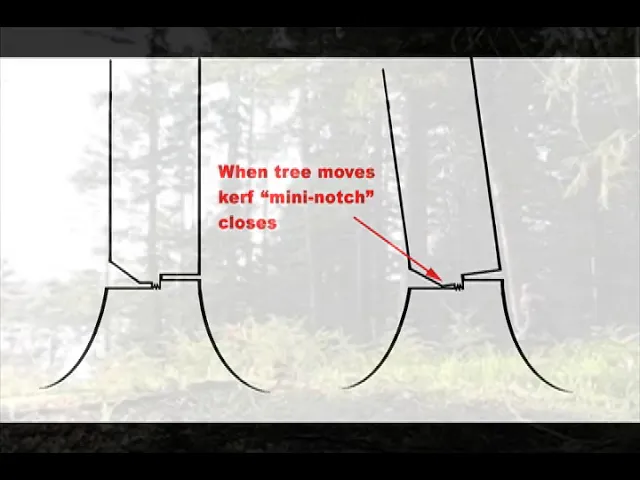
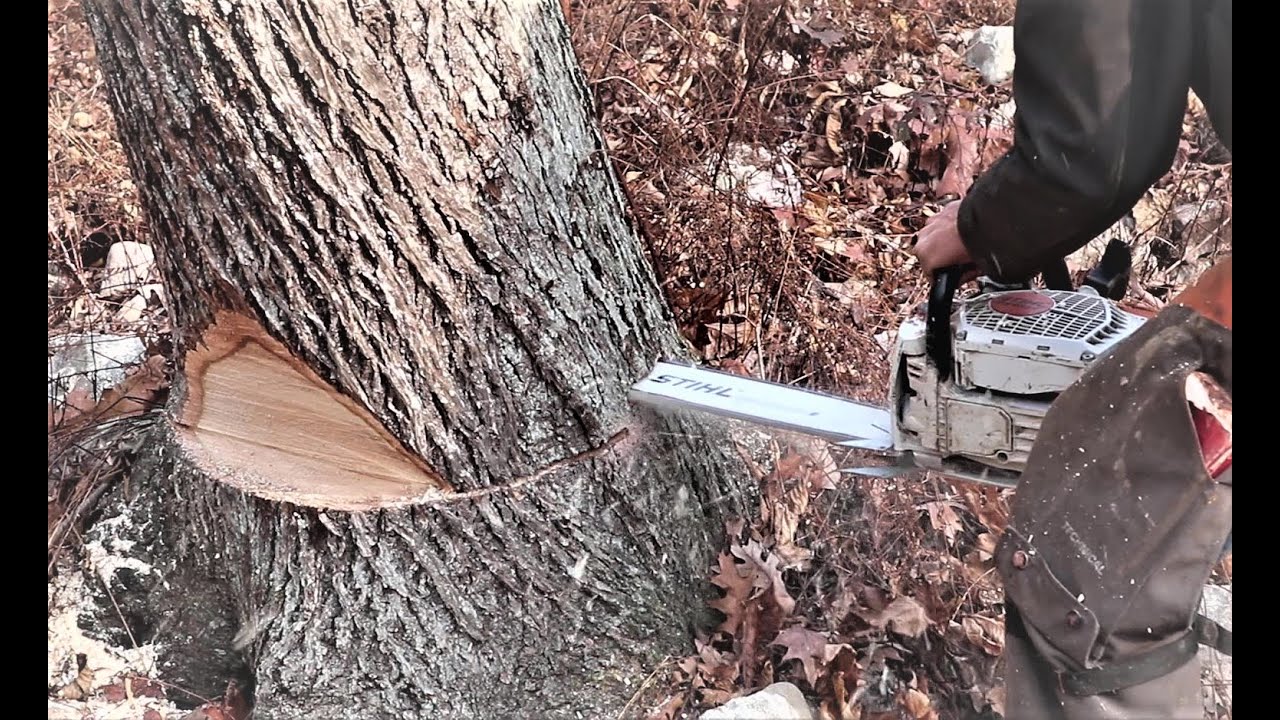
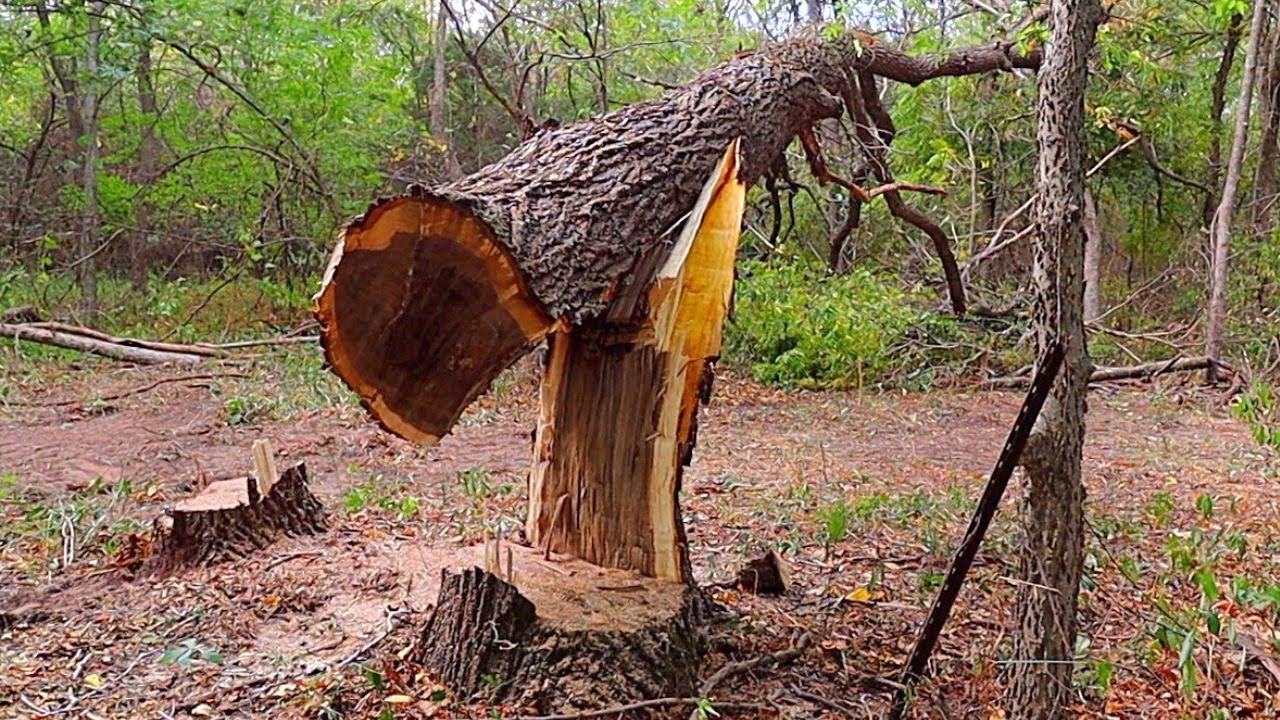
the form the face cut one of them goes further in the other in this case the lower cut the floor cut is bypassing and you can see that that kerf then begins to act as its own mini notch so the tree will move ever so slightly until that curve closes and when it move when that curve closes it hesitates there begins to move and then stops that is the clear indication of a bypass dutchman and when that tree stops now it has a little more forward lean and you have a little momentum of the top
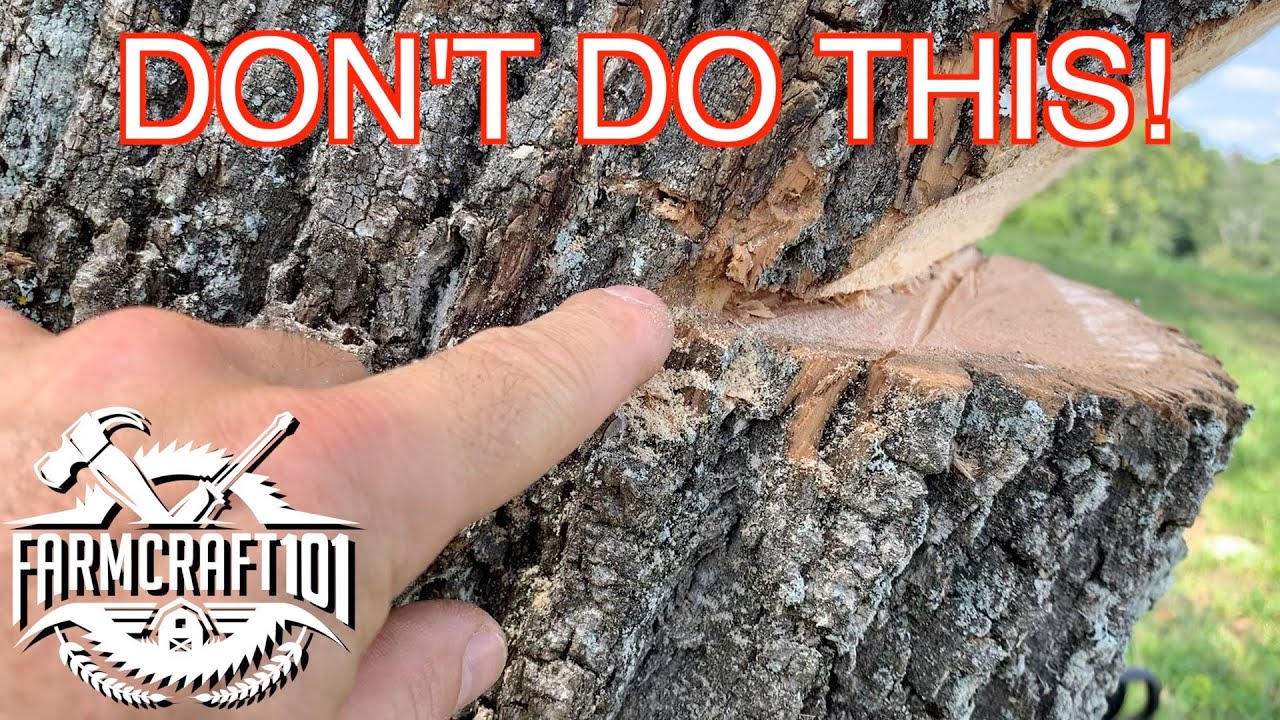
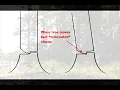
pulling forward which creates a vertical split in the trunk gives it that much more potential to split up the trunk like that and with species that are prone to that kind of splitting in this case i believe it's an alder but certainly white ash in the east coast is one of the worst you're going to end up with a split trunk there's an example right here of the bypass you see the flat spot in front of those hinge fibers that was an unintentional bypass of the top that the buddy of mine cut in this diagram
you can see that the bypass could be with either cut the angled cut or the flat cut and oftentimes they fill up with sawdust you'll often see experienced flowers when they're done making their notches they'll get in there and they'll brush out that sawdust to make sure the sawdust isn't hiding a bypass and if you're working with a short bar or your cuts aren't level sometimes the bypass will only be on the one side of the notch so the far side of the notch oftentimes it's hidden over there that's why you always double check your
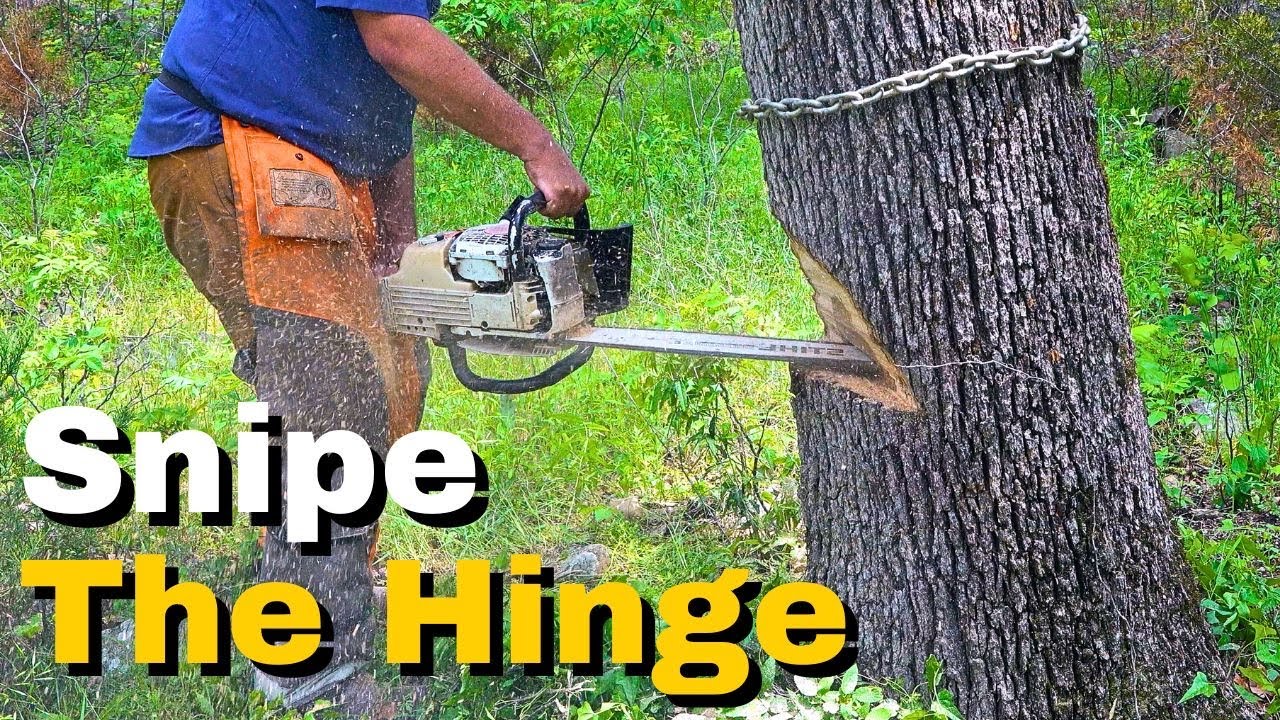
notches and you can see what happens there when the piece stops the the forward pull on the top wants to pry along that dotted line there pry those fibers apart and it'll create that whole back side to lift up there are a number of techniques you can use to make sure you avoid the bypass and the dutchman one of the techniques i use is called the play cut and generally when i'm done the play cut i can put a finger or two fingers in that apex there's definitely going to be no bypass in that notch
so watch your notches be extremely careful make sure they're cleaned out make sure you get in there and take a good look at them make sure there's no bypass and you will avoid the number one rookie mistake in tree falling thanks for watching daniel murphy leave comments below let me know what your thoughts are