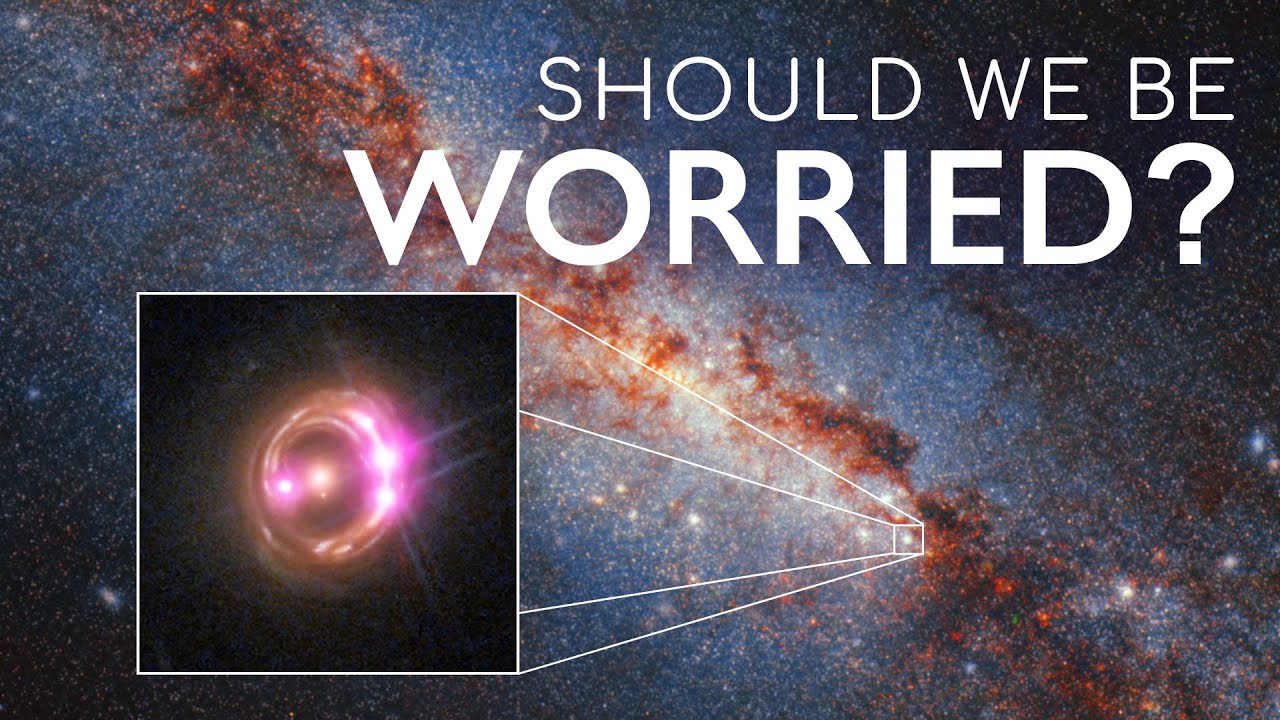
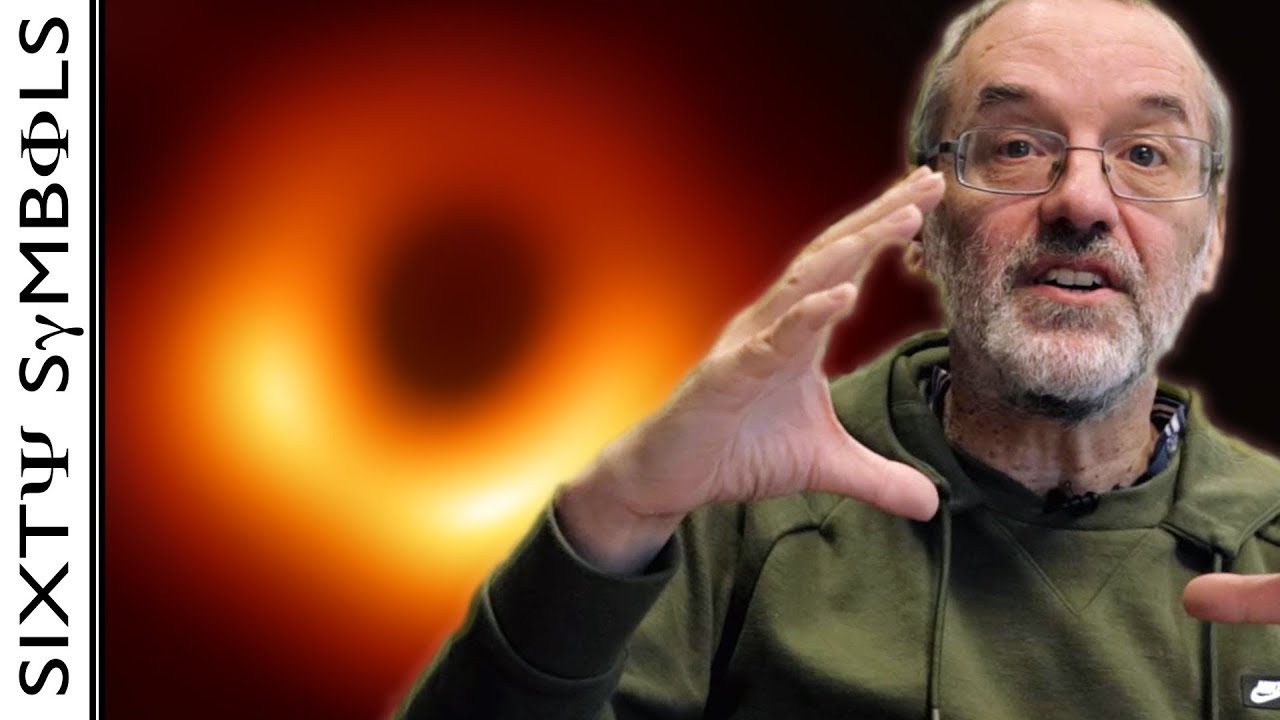
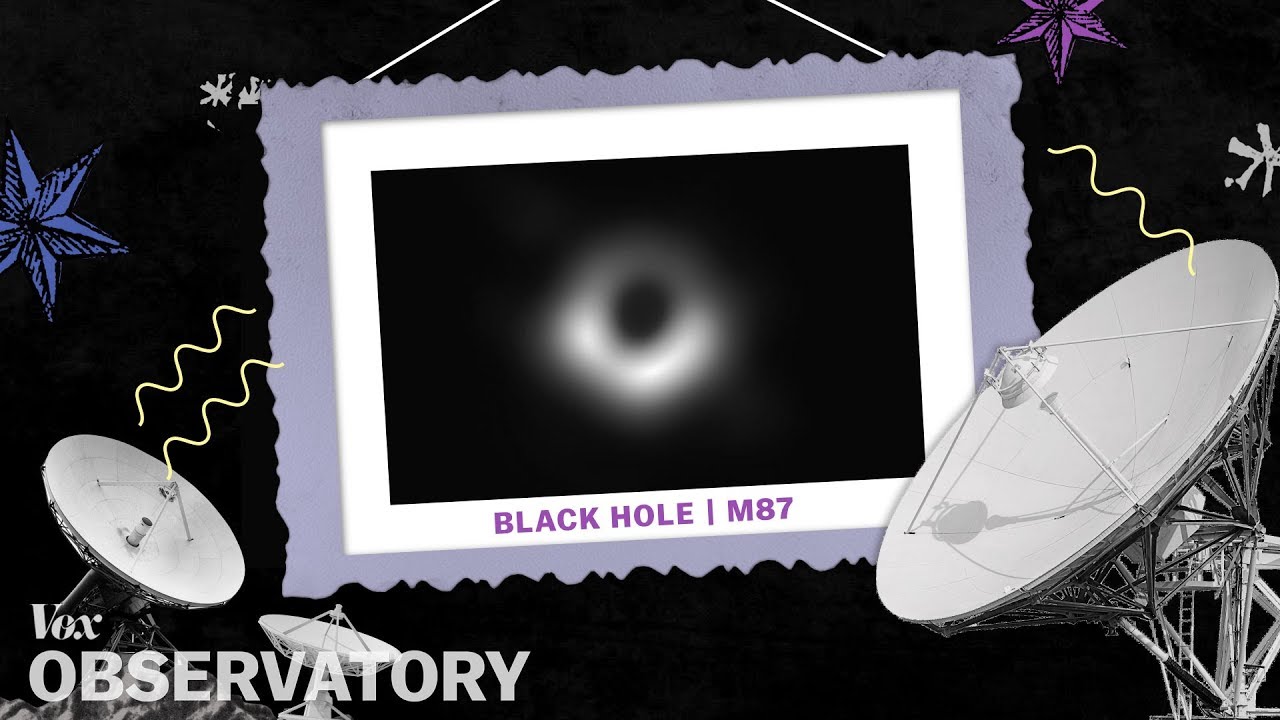
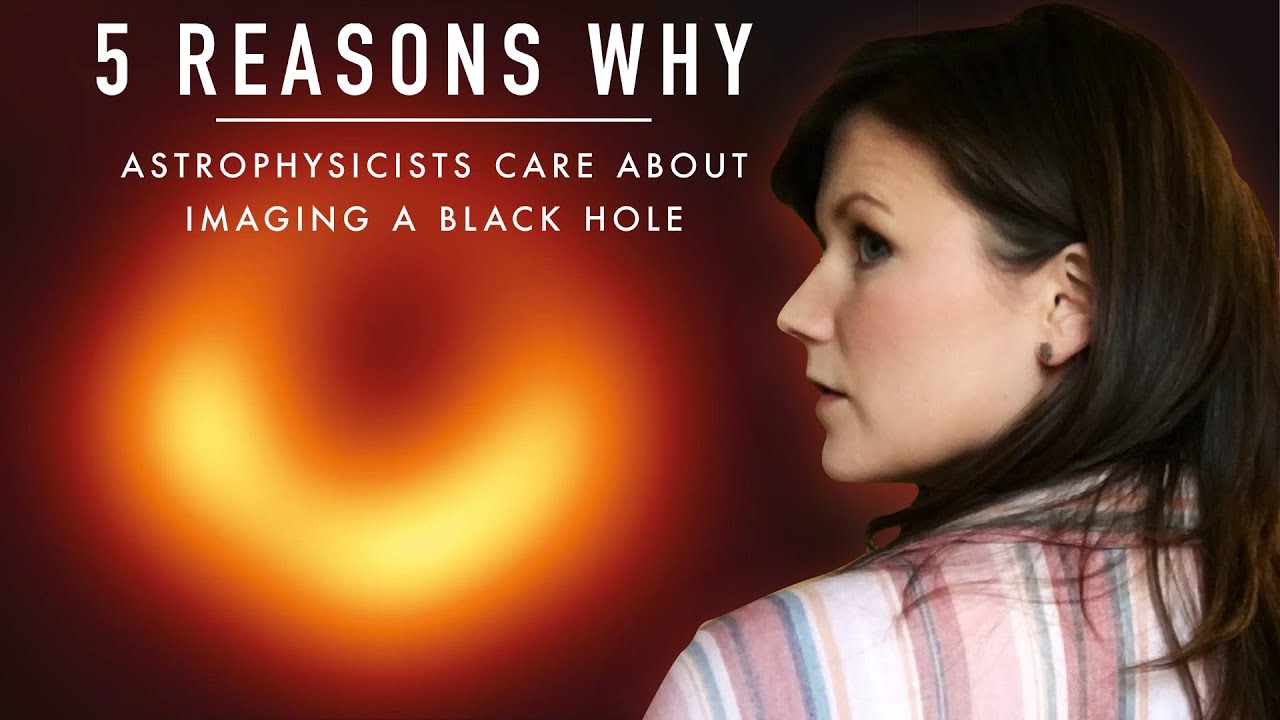
I’d be surprised if any of you managed to avoid the news about the black hole that was imaged at the centre of M87, an elliptical galaxy roughly 55 million light years away from us. This mammoth of a black hole is one of the biggest that we know of, with a suspected mass of around 4 billion Suns. This makes the supermassive black hole at the centre of our own galaxy comparatively puny, Sagittarius A* being only 4 million solar masses.
M87’s black hole, known as M87*, is not just massive, but also huge. The way we measure a black hole is from its event horizon, or the point in which not even light can escape the black hole’s gravity. Just to give you a sense of scale, if our solar system was sitting at the centre of M87, the orbit of Neptune wouldn’t even come close to the event horizon.
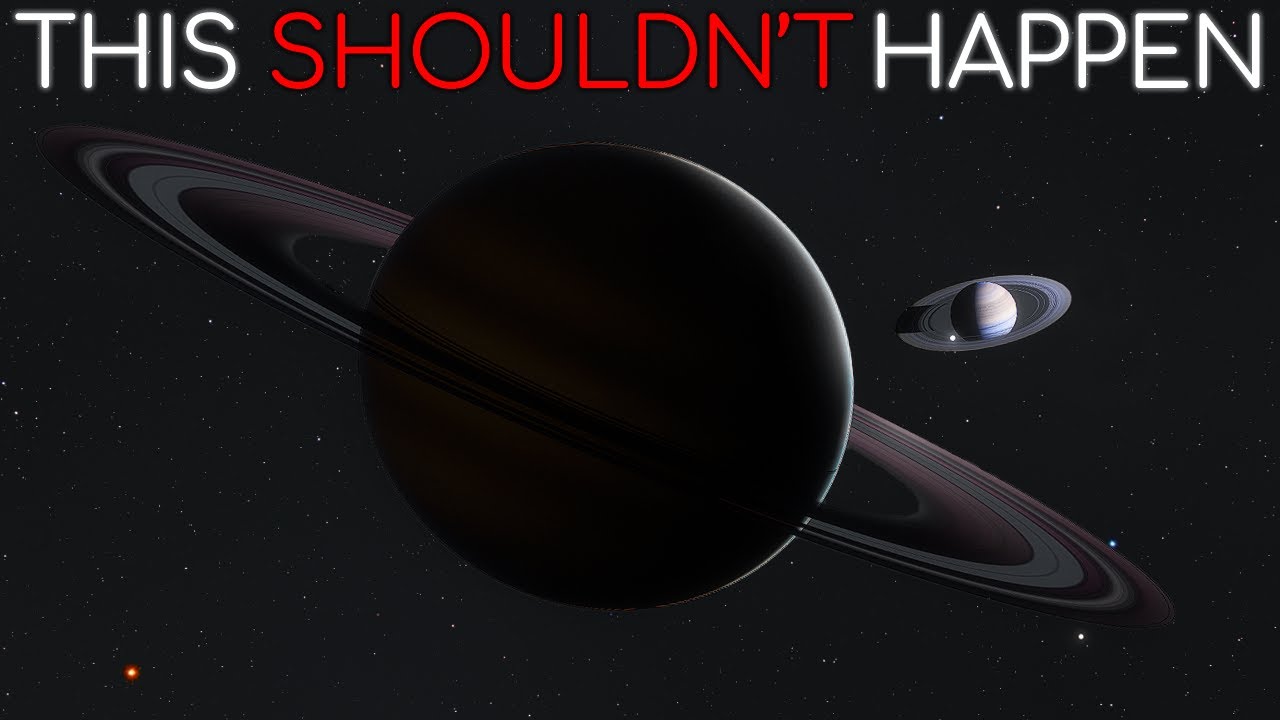
It even dwarves the largest star that we know of, UY Scuti, which is the star in this video by the side of our solar system. So, why not use Hubble to image M87*? It’s the best telescope we’ve got at the moment, right?
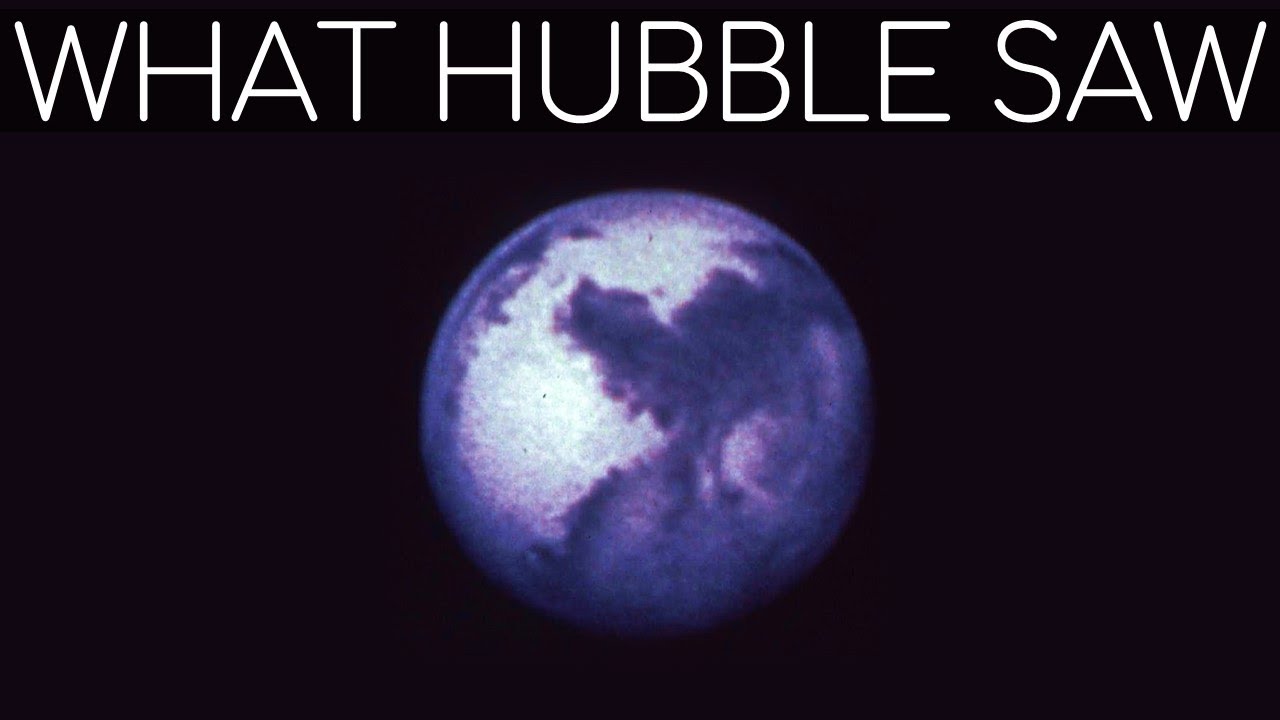
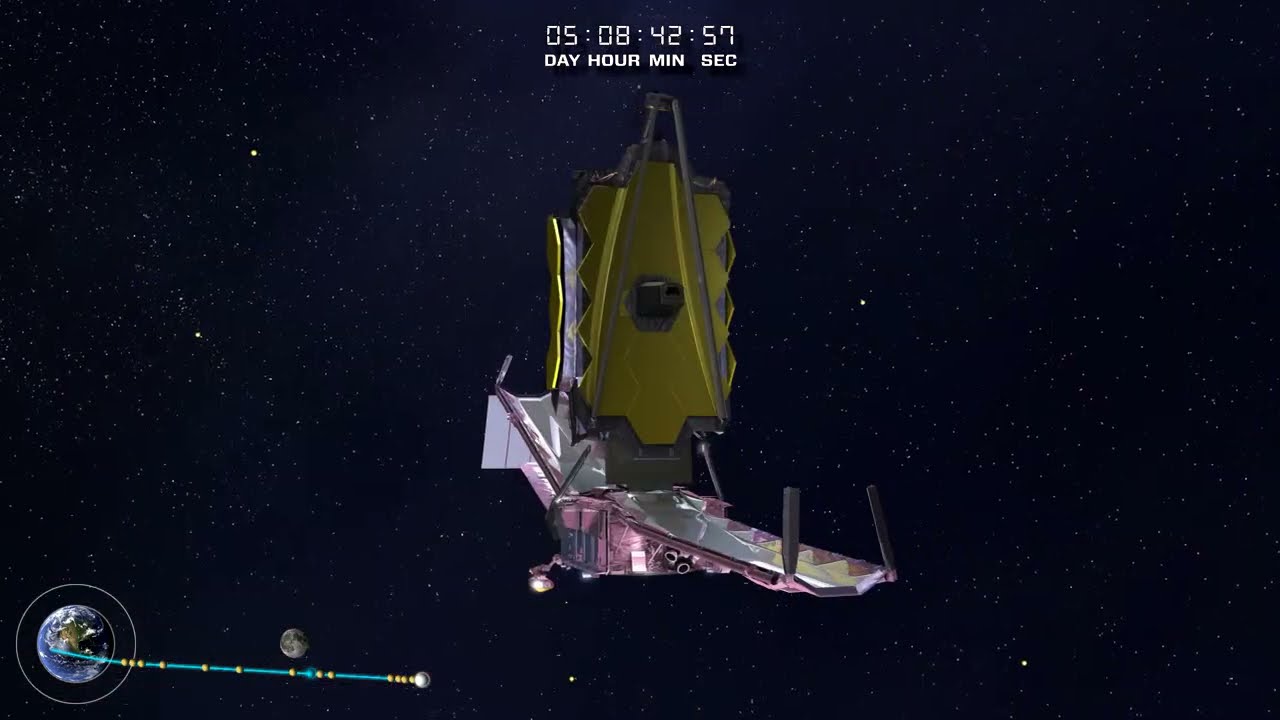
Well, in some ways, yes. But not all telescopes do the same thing. The Hubble telescope has indeed looked at M87, but Hubble can only see predominantly in visible light wavelengths.
This isn’t so good for looking through objects, like gas and dust which blocks the view. That’s why Hubble’s view of nebulae and galaxies looks so impressive, it sees all the dust structures and molecular clouds. Black holes, unsurprisingly, don’t produce any light, which makes them extremely difficult candidates to observe.
What we can see though, is the bright material found in a black hole’s accretion disk. Still, due to the vast amount of material in a black hole’s accretion disk, actually observing a black hole is very difficult in the visible light spectrum. This video shows what the accretion disk of a black hole would look like through different wavelengths of light, starting with shorter wavelengths.
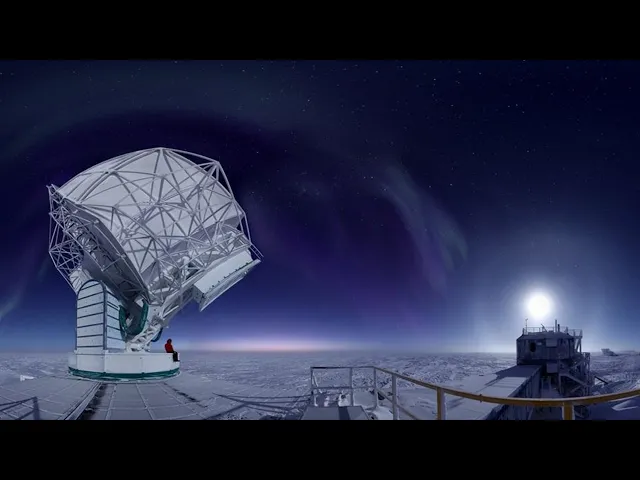
As the wavelength decreases, the material surrounding the black hole becomes more visible. So, the secret to imaging a black hole is to get the frequency just right, to give a good balance of what’s visible. And that’s what the Event Horizon telescope is, it is an array of huge, ground based radio telescopes throughout the world acting in unison to image black holes like this one.
An array provides a much bigger aperture, effectively the size of the Earth, as they have synchronised telescopes together from all over the planet to provide a much sharper image than a single telescope could achieve. Although it should be noted that this doesn’t make the whole Earth a giant mirror, the light collecting capabilities are only as large as the size of the mirrors collectively used, it’s just the aperture that improves. The other major difference between the Event Horizon telescope and Hubble is the angular resolution it can achieve.
Even though M87* is a mammoth black hole, the distance to it is so vast that the Event Horizon Telescope is effectively looking at the equivalent of a grapefruit on the moon, an object only 30 microarcseconds across. Hubble doesn’t get anywhere close to this resolution. In reality, when studying astronomical objects it is important to use all the frequencies of light, as this provides a more complete picture of the object in question, for instance while the Event Horizon telescope can look closely at the black hole itself, other telescopes can observe the accretion disk, the jet blasting away from the black hole, and the galaxy itself.
I think this just leaves one question about imaging black holes, why did they choose to image M87* and not the black hole found at the centre of our own galaxy, Sagittarius A*? Although it’s smaller, it’s much closer so it must be easier, right? Well the difference is that M87* is also a lot more active than our black hole, and combined with its giant size makes it is easier to observe.
It is thought that roughly one solar mass is falling into the black hole from the accretion disk every ten years, and this jet blasting away from the black hole for tens of thousands of light years is testament to this tumultuous activity. On the other hand, Sagittarius A* is very quiet, meaning it is a lot harder to see at the moment, but the Event Horizon telescope will be having a look at this one too, so it won’t be long before we can compare the two hopefully. Want to learn something new on your commute, while traveling, or just without a constant stream of phone notifications?
Brilliant's new offline courses will allow you to do just that! Download any of their dozens of interactive courses through the mobile app, and you'll be able to solve fascinating problems in math, science, and computer science no matter where you are, or how spotty your internet connection. You are no doubt here because you like astronomy, and with their interactive courses you can get greater understanding for the Size of the Universe, the Life Cycle of Stars, and Worlds Beyond Earth!
So, if you want to support Astrum and get unlimited access to all of Brilliant's in-depth math and science courses, you can head over to brilliant. org/astrum/ to get 20% off their annual Premium subscription. So, there you have it!
Thanks for watching. If you are new to the channel and you liked this video, I’m sure you’ll like my others of space too, so subscribe so you don’t miss out on them in the future. Big thanks to my Patreons for supporting the channel, if you would like to support too then the link can be found here.
All the best, and see you next time.