[Music] hey welcome to try this from The Washington Post try this is a series of audio courses to help you take on common challenges and learn something new without having to make a big time commitment I'm Christina Quinn and as always I'll be learning with you in this course we're going to take on our relationships with our devices the idea is to become more aware of why our brains get so sucked in by what's on our screen and then we can change that behavior to make more time for activities that are better for our health
spending time with loved ones sleeping getting outside you probably know exactly what you can use more of in your own life if you're new here welcome this course will have four classes also known as four episodes okay classes in session let's try this so why do we get so tied to our phones and tablets why does that happen even though we know it's not great for us the quickest way to get to the bottom of that is understanding a certain neurotransmitter can you explain what the purpose of dopamine is dopamine is a chemical that we
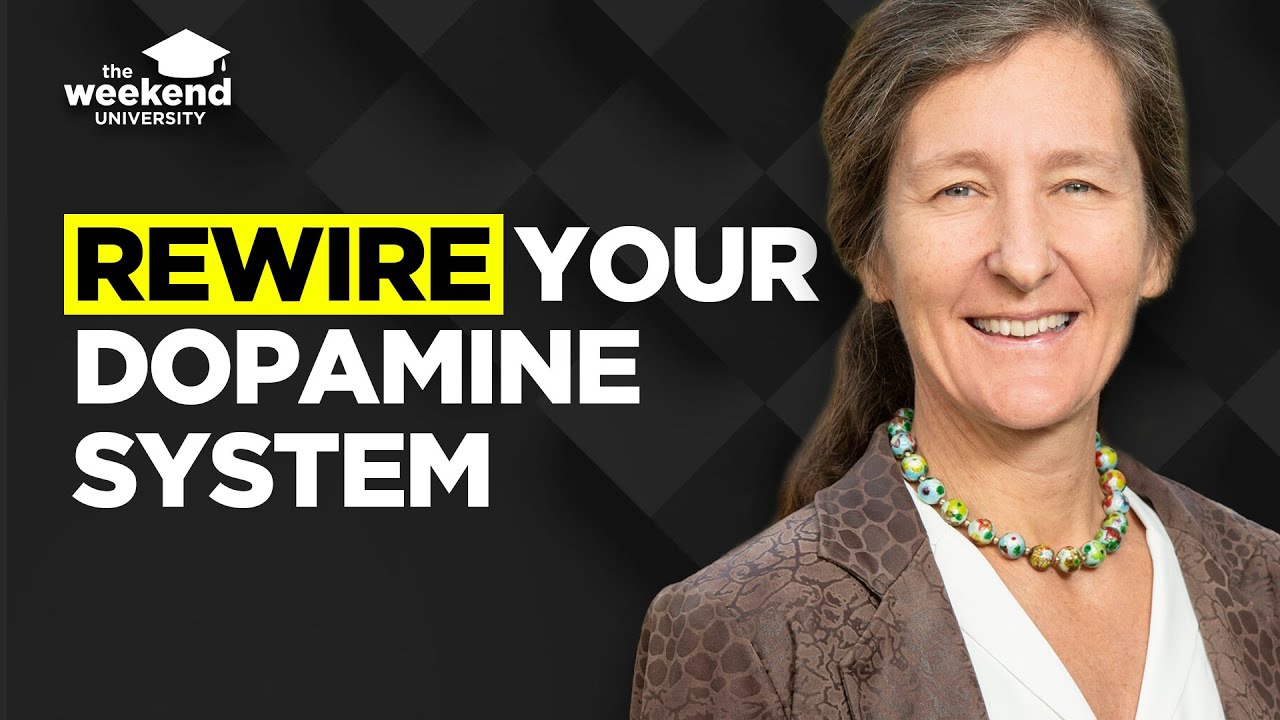
make in our brain it has many different functions but one of its main functions is that it's very important to the experience of pleasure reward and motivation and that is Anna lmy psychiatrist at Stanford University School of Medicine an author of dopamine Nation finding balance in the age of indulgence she explains what's happening inside your brain when you're scrolling through social media we're always releasing dopamine at a kind of Baseline tonic level when we do something that's pleasurable or reinforcing we increase dopamine above that Baseline level for a period of time we are likely getting
a dopamine hit from scrolling on digital media meaning that it's pleasurable it's rewarding we want to do it again dopamine is very sensitive to novelty or newness um it engages a kind of treasure seeking function where we're now we're you know on the lookout for that similar type of pleasure but the problem is that with repeated exposure to the same substance or behavior the brain adapts it stops releasing dopamine in response to that pleasurable or rewarding substance or behavior and over time it actually goes below Baseline as we develop tolerance [Music] which puts us in
a dopamine deficit basically we've flooded our brain with dopamine and in response the brain is trying to correct this imbalance so it stops producing dopamine so what do we do we keep trying to find that dopamine hit elsewhere is there a connection between a dopamine imbalance and our attention span like can a dopamine imbalance affect our attention span uh I think so yes I mean first of all what we're seeing empirically is that um people who spend a lot of time online report that they have they're more likely to report symptoms related to attention deficit
disorder and the inability uh to be focused and attendant for long periods of time on anything so so my hypothesis and it's really just a hypothesis is that the Mental Health crisis that we are facing now with Rising rates of anxiety depression and other mental health disorders including addiction uh is in part due to overstimulation of our brains too much reward and our brains attempt to compensate to this environment this essentially Drug aied World by downregulating our feel-good neurotransmitters including dopamine to subnormal levels which by the way looks and feels exactly like clinical depression Anna
explains more about how dopamine and digital media affect our Human Experience after the [Music] break sometimes when I've had a hard day I grab my phone and before I know it I've gone down a rabbit hole of watching videos of comedy routines or really wild nail art and Anna raised doing this herself watching YouTube videos initially it feels good right it's sort of of an escape I'm fully you know in the moment I'm not thinking about the past or worrying about the future But as time goes on I begin to be aware of the tension
between this thing that is less and less enjoyable the longer I do it and all the other things that I really need to be doing right and that kind of tension is essentially the definition of stress we live in an age of sort of unprecedented wealth for the most most part right in the in the developed World um and and yet we are some of the unhappiest people right so if you think of maso's hierarchy of needs maslo was the psychologist who theorized that we all have a hierarchy of certain needs he first laid this
out in the early 1940s I know you've probably seen the pyramid so as a reminder at the bottom of the pyramid the first layer is our physiological needs food water sleep then comes what we need to feel safe including good health a job love and belonging comes next and second from the top is esteem and we now live in a world where most people in wealthy Nations um don't have to worry about that and so we're at the top of maso's pyramid hypothetically which is self-actualization realizing your full potential being all that you can be
in this beautiful short life except instead of engaging in activities that would lead to self-actualization we are relentlessly pursuing these drug aied Goods um and kind of you know checking out Anna calls this the Plenty Paradox basically we weren't built to have everything available at our fingertips we have so many choices right I mean this is this is the issue and this is also the the source of our anxiety and stress right where we're continually bombarded with choices many of them not good for us and many of them you know behaviors and substances that in
the short term relieve us from the burden of thinking about our choices but in the long term actually uh you know leave us worse off because now we've spent all that time doing that and these other things that I really needed to be doing didn't go away right you know it's funny like okay I think of myself and and friends who are just like okay well at the end of the day I just kind of want to zone out because you know it's work work work taking care the kids work work work take care of
the kids and why not get as much jamine as I possibly can um because you know life's hard you know life is hard and I would be the last person to tell to judge another person's Behavior Uh you know about what what they need in their lives or what works for them um what I'm trying to say is that if indeed we become addicted to a substance or behavior life is harder we need to hear that that life is harder yeah yeah so you know all good things in moderation including moderation however I think we
have to seriously ask ourselves you know is this how I want to spend my life including is this how I want to relax and spend my leisure time and what are the real costs to me and the people I care about and like I said it's very hard to know those costs until we've taken a break for long enough to let our brains establish a new Baseline and then really evaluate what's happening in our lives we will explain how to do just that in the rest of this course but for now a recap dopamine is
a neurotransmitter a chemical we make in our brain that signals reward and pleasure as Anna explains social media activates dopamine in our brains which is why it's so easy to mindlessly scroll for a half hour watching videos of high concept man youres or whatever novel thing your brain has never encountered before our ancient lizard brains have not evolved to handle this endless ambush of content and so we keep seeking out more ways to increase our dopamine levels to the point where we end up with not enough of it and so the feedback loop continues but
we can stop it that's in our next class where we'll hear more from Anna lmy on how to reset our dopamine Baseline [Music] if you are listening when this is newly released you can hear the next three episodes on subsequent Tuesdays March 25th April 1st and April 8th but you can hear the remaining three classes right now and add free with a subscription to the post if you already have one great just look for the Washington Post channel in apple podcasts and you can link up your subscription there and you're good to go if you
don't yet have a subscription you can subscribe to The Washington Post through the link in our show notes thanks for listening and I'll meet you in class 2