in the last year's of the 19th century thousands of people came to London to see an intriguing new exhibit they came to marvel at the art of an alien culture produced by a supposedly savage people the very existence of these works of art represented a challenge to the dominant ideas of the time ideas that underpinned an empire the public were fascinated but also troubled by what they saw what bothered them was that this was the work of an African society and almost everybody in the 19th century believed that Africans lacked the technical skills needed to
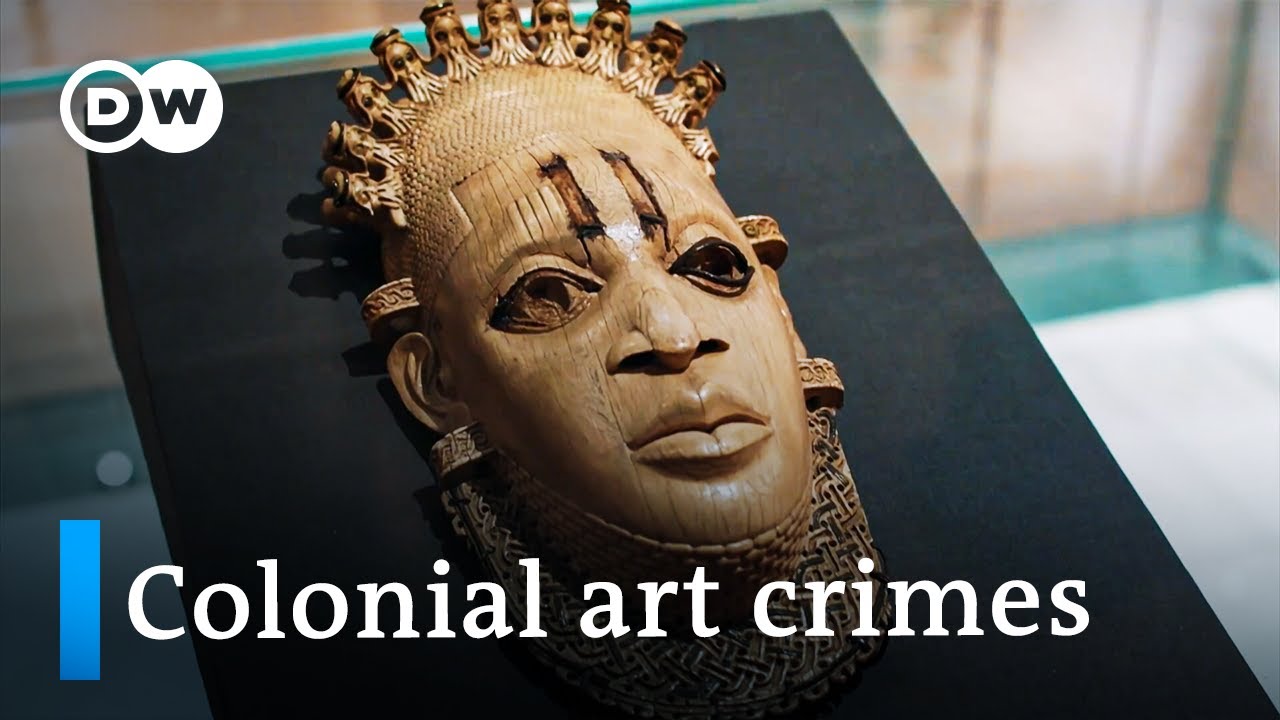
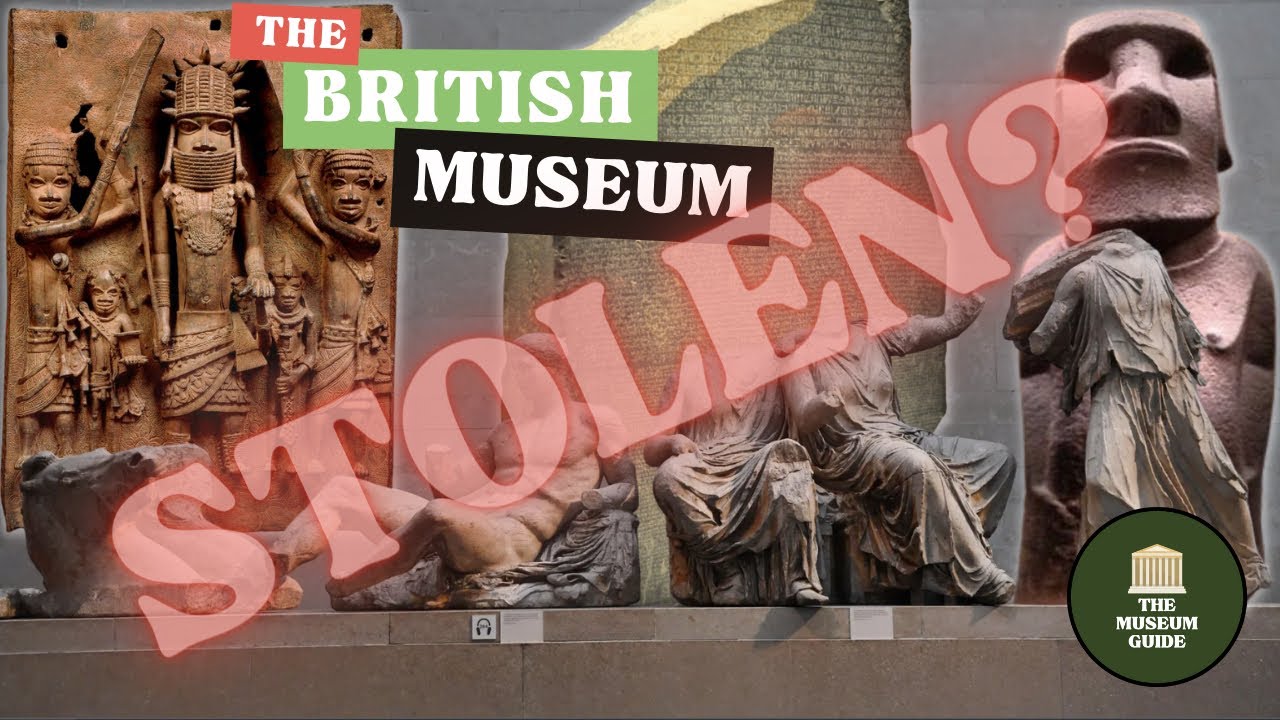
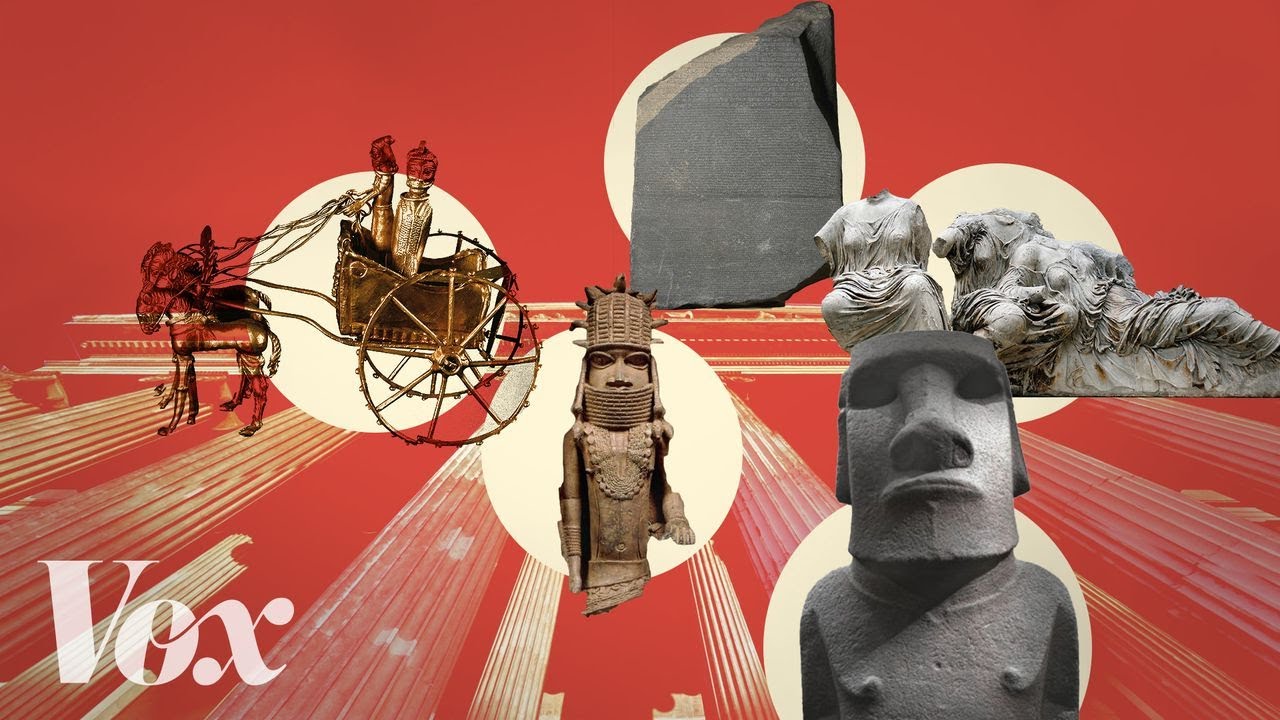
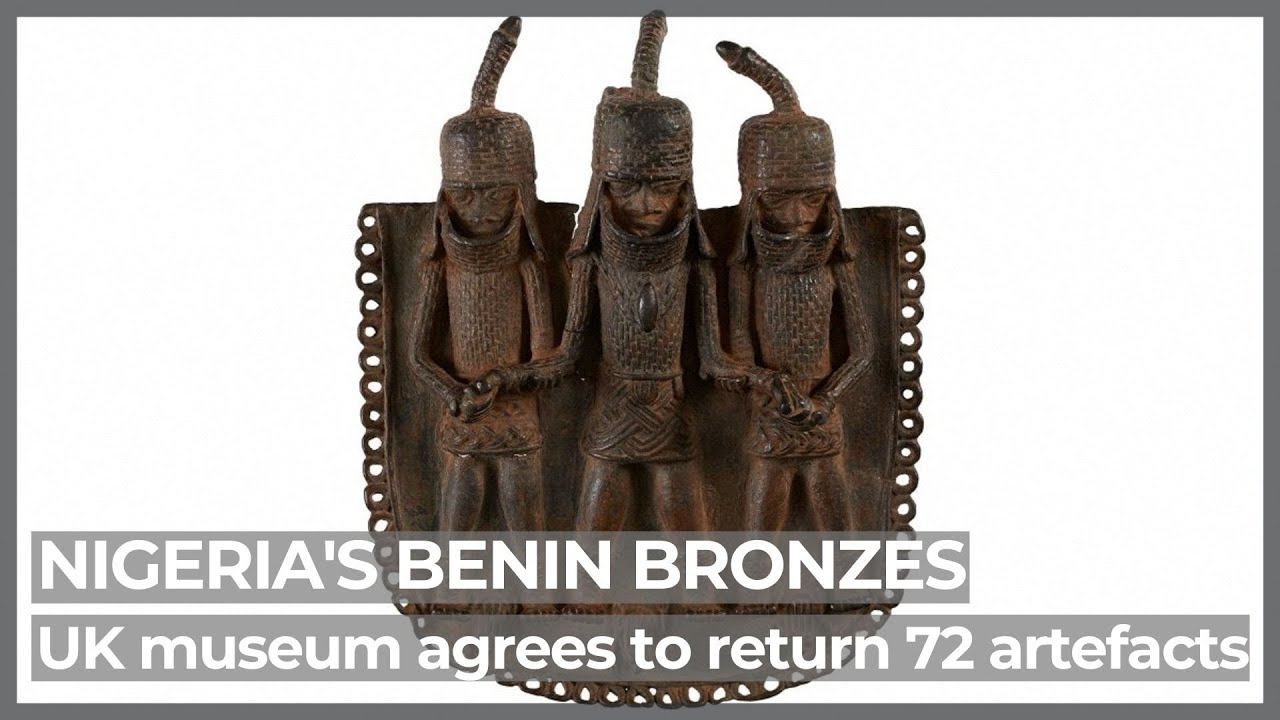
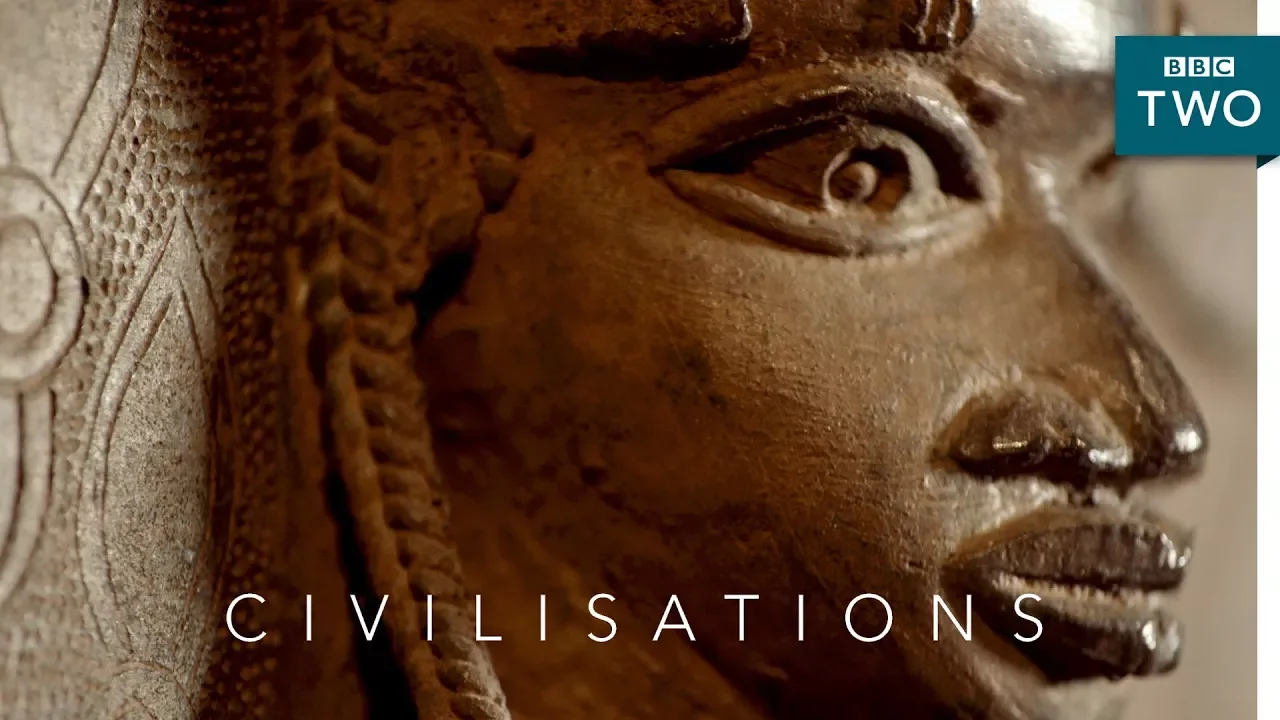
produce great arts and the cultural sophistication needed to appreciate it it was in fact widely believed that the people of the dark continent had no history and no culture and were incapable of generating this thing called civilization these reliefs that so disturbed the Victorians are the Bennion bronzes they're now regarded as one of Africa's greatest treasures created from the 16th century onwards in the ancient west african kingdom they were called Benin's great kings her wealth her military power and the history that Africans were supposed to lack I've been coming to see these works of art
my whole life I was first brought to see them when I was just a little boy by my family I've spent hours and hours over the years standing here looking at them and as someone born in Africa feeling a strong sense of connection to them but despite all their beauty they are to me tragic works of art because they are loaded with a sense of loss and that's because today they're not in Nigeria among the people whose ancestors made them they're here in London in the British Museum the Bening bronzers came to Britain as the
spoilers of an act of plunder in 1897 British colonial forces attacked Benin City it was an act of revenge for the ambush of an earlier British expedition they deposed the king the Oba or van around when sent him into exile and burned his palace to the ground they looted the brass plaques and statues that once decorated the palace walls took them back to London and sold them off some were put on display in the British Museum yet many of the Victorians who puzzled over the existence of the bronzes had forgotten that they were not the
first outsiders to see the art of many centuries earlier Portuguese explorers had encountered the bronzes in their original home on the walls of been Eames royal palace it stood at the heart of a vast City ringed by one of the largest earthwork walls in the world these early European travelers came not to conquer but to trade before the prejudices of later centuries they had no trouble recognizing Benin as a powerful sophisticated civilization one that was capable of producing great art and it's in the art that we find evidence of these first relationships between West Africans
and Europeans evidence that shows the phases of early Portuguese traders complete with beards and long European noses this is art that reveals a very different civilization to the one the Victorians imagined not an isolated Kingdom but one shaped by centuries of contact with the wider world [Music] you