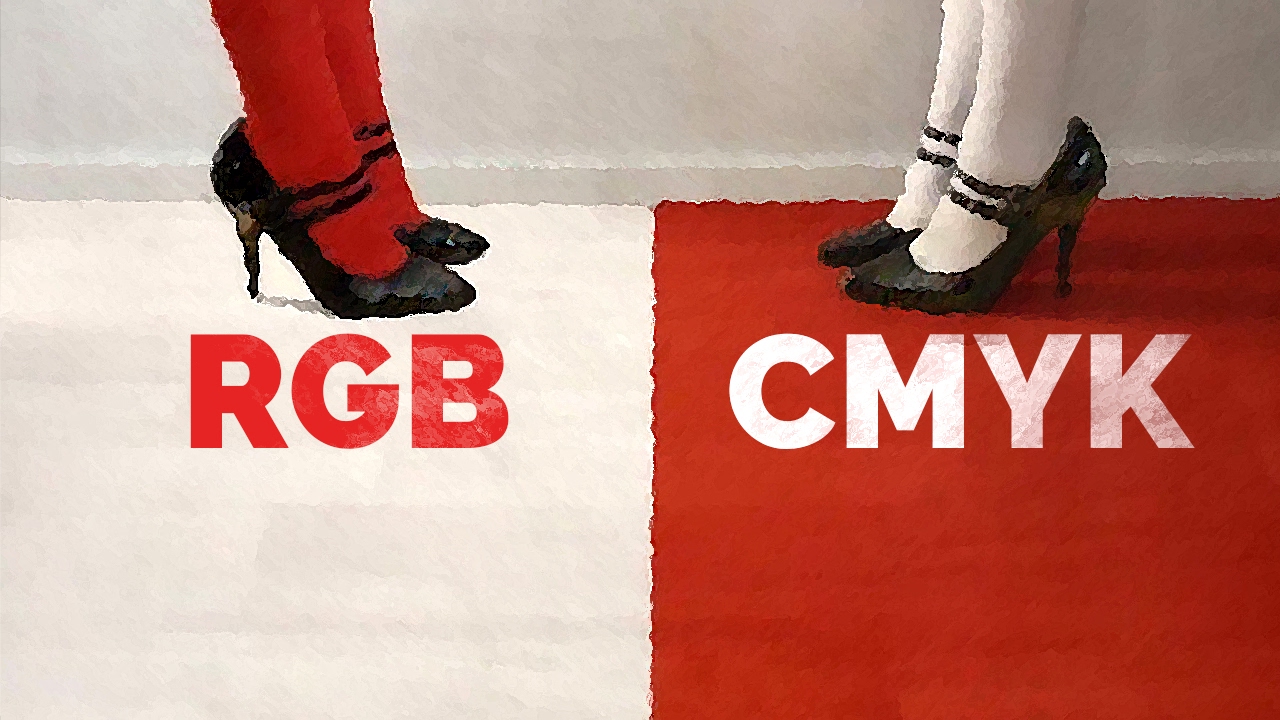
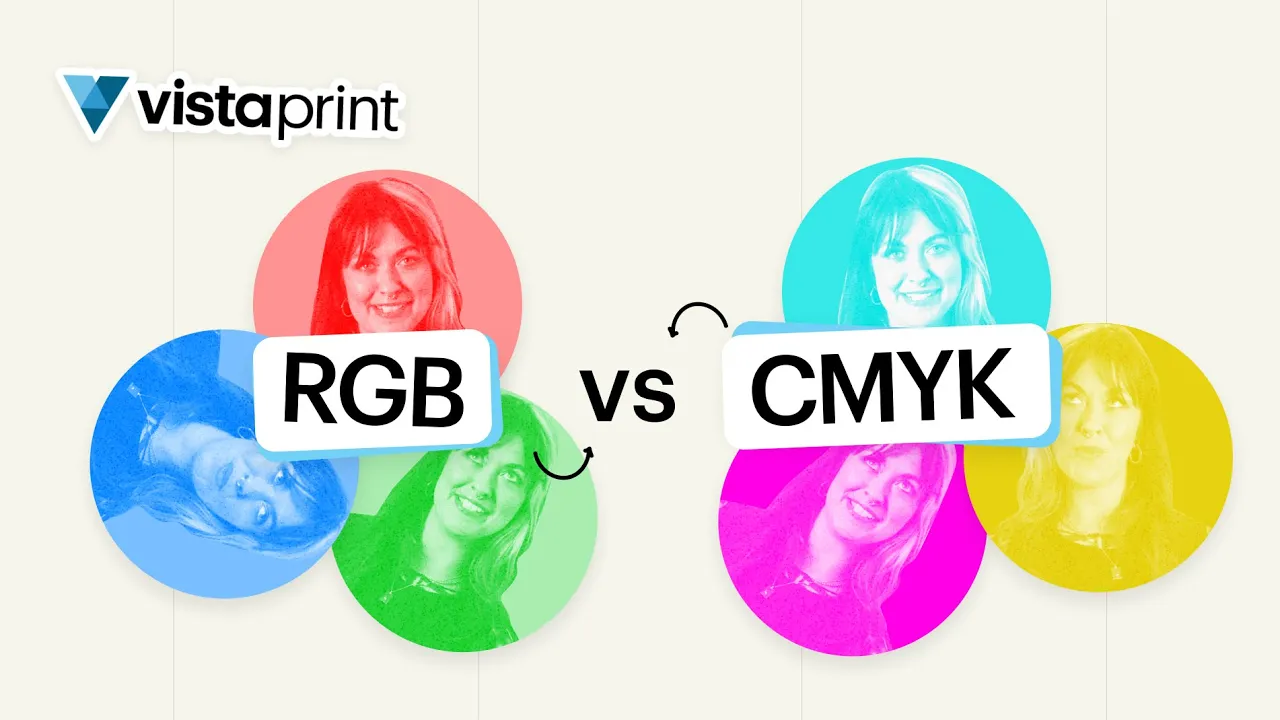
Do RGB and CMYK make you think, "WTF? " They sound like alphabet soup, but they're actually an important part of the design process. [Robyn clears throat] By the way, please spare a thought for your friendly video host, who will have to spend the next few minutes trying to say R, G, B and C, M, Y, K over and over again without getting a stress headache.
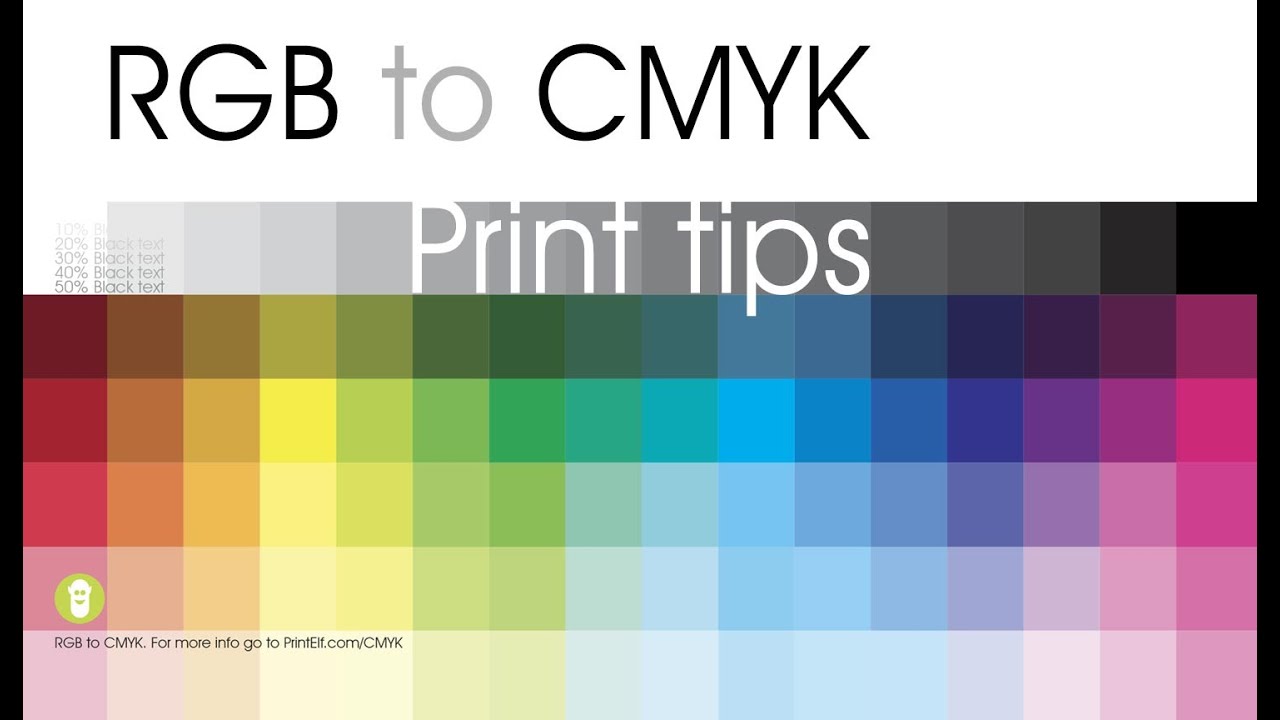
So these letters mostly stand for colors, and they represent different modes for mixing color in graphic design. Typically, RGB is used in digital design while CMYK is used for print. In this video, we'll learn more about these color modes and why you need to know them.
So let's get into it. Ahhh, the notorious RGB. What is it, you ask?
RGB stands for Red, Green and Blue. Artists and scientists experimented with RGB in early color photography, then later in color television and computers. Today, RGB is the color mode to use if your design will be displayed on any kind of screen.
If you take a very, very close look at your color screen, you can actually see the color split. That's because the light source within a device, like a computer or a phone, is part of the process that creates the color, and it can change the intensity of each red, green and blue value. Designers can control things like saturation, vibrancy and shading by modifying any of these three source colors.
And because it's done digitally, the designer can also manipulate the light on the screen to create the color that they want. Now you know what RGB is, but when do you use it? You'll need this color mode when your design project involves web and app design, social media posts, online branding and other visual content like this video you're watching.
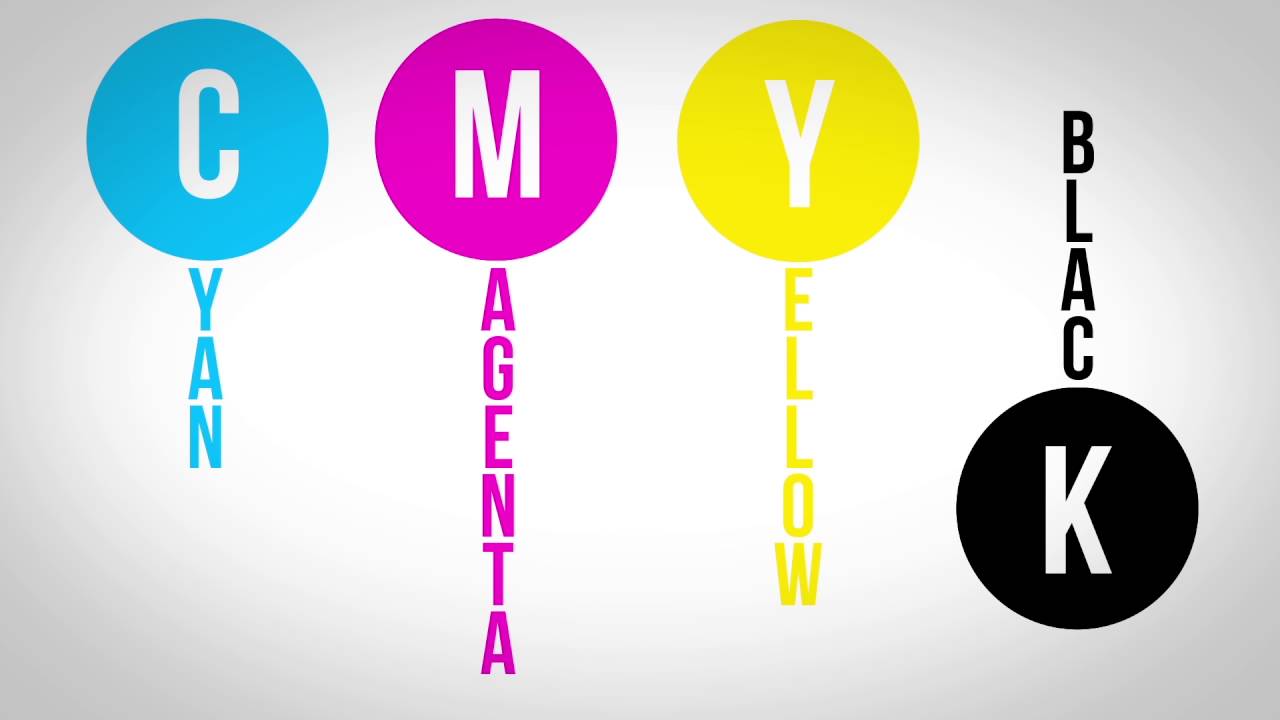
The best file formats for RGB are JPEG, Photoshop files, PNG or everybody's absolute favorite, the GIF. What about CMYK? The acronym stands for the ink plates used in color printing, which are Cyan, Magenta, Yellow and Key A CMYK printer layers tiny dots of these four colors in varying sizes to create an image.
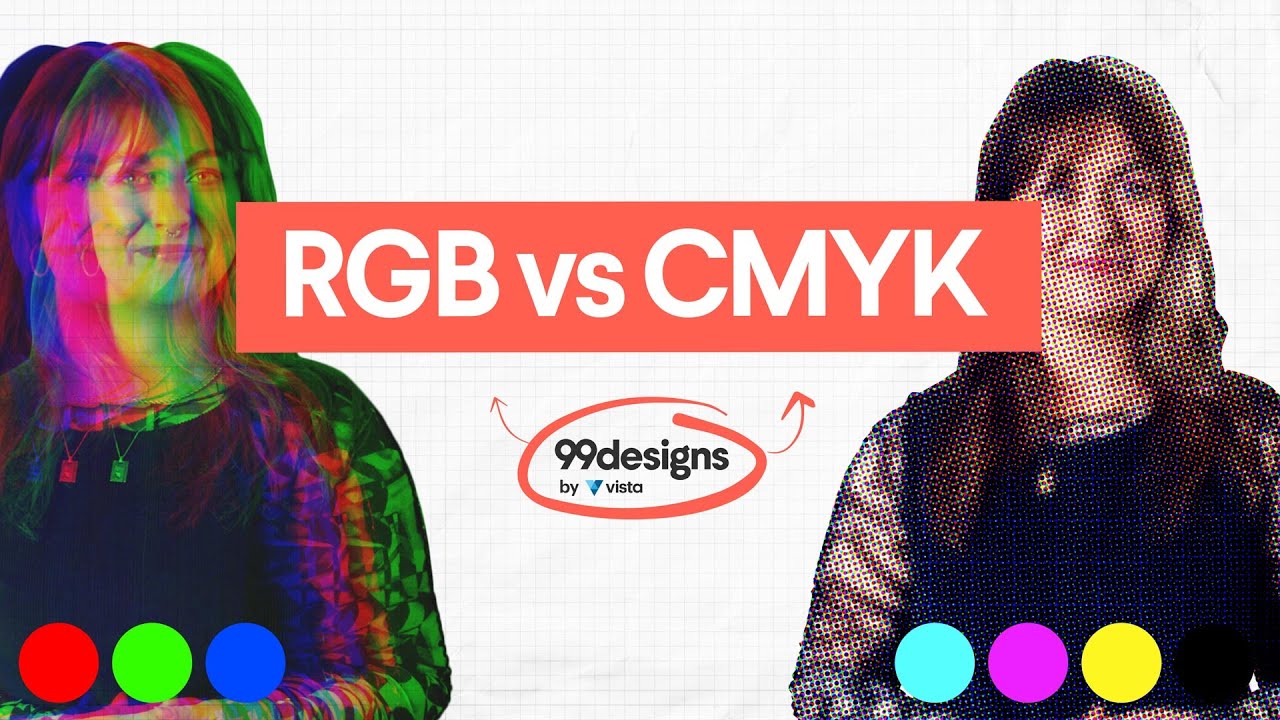
These dots are called halftones, and if you take a magnifying glass to a CMYK print, it would look like this. Fun fact: Because CMYK requires the base paper to be white, CMYK printers don't actually print white ink. So white is just no ink this stuff can get pretty complicated and technical, but if you do want to learn more, like how to change your color mode settings, click the link in the description box below.
So when would you use CMYK instead of RGB? CMYK is for any design that will be physically printed, i. e.
not viewed on a screen, because that's how you get the most accurate results. Turn to CMYK if your project involves branding, advertising, merchandise or any other physical materials. The best file formats for CMYK are PDF, Illustrator files or EPS.
All right. I'm going to go take a much needed, acronym-induced lie-down. what's also known as an MAILD.
It was all worth it, though, because now you know a little bit more about how color modes work, you can help make sure that your design turns out exactly the way that you envisioned. Basically, all you need to remember is RGB is for digital design and CMYK is for printed design. So now you’ve aced your colors, VistaPrint can help you ace your logo design From creating your own on logomaker To working one on one with a professional designer To getting options from dozens of designers Get a logo you’ll love, guaranteed!
So remember, choosing the right color mode is how you keep your design’s true colors shining through. C M Y you later, K?