It was a pivotal year in the history of the modern world. After 1945, nothing would ever be the same again. And it came as devastating battles were still raging around the world.
It's chaotic. It's out of control. In January, Nazi Germany's final offensive.
This surprise attack did take the Americans take by surprise. In April, the battle for Berlin. Block by block.
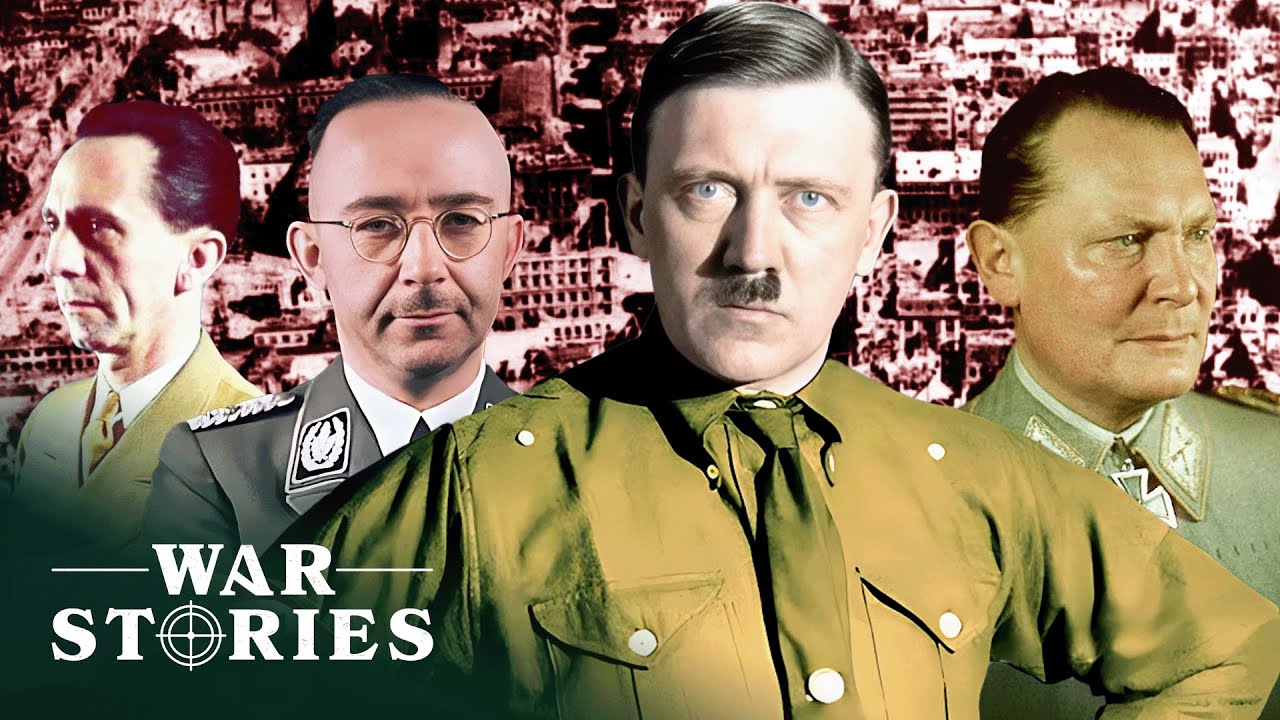
Self-propelled artillery pieces, tanks. Adolf Hitler was determined to fight to the end. He had no doubt about his own death, but he felt that the German people should share his death.
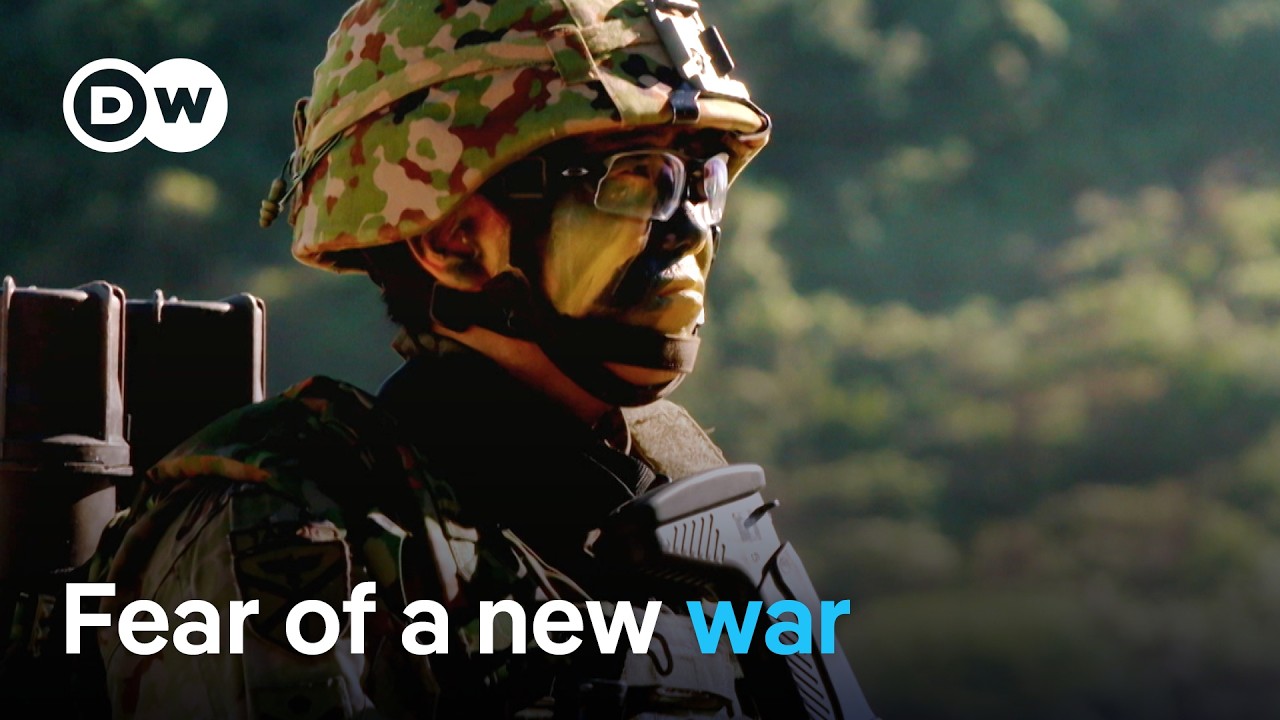
And the nightmare wasn't yet over in the Pacific either. The Japanese strategy is still the same. inflict as many casualties on the allies as possible.
On August 6th, the US became the first nation in history to use an atomic bomb. Everything changed. Human beings could create weapons so terrible that they could basically eliminate their own existence.
And behind the front lines, indescribable atrocities in Nazi extermination camps. The horror was almost beyond human imagination. Amid purges, trials, and tribunals, the United Nations was established, and with it came hopes for lasting peace.
But the beginnings of the Cold War were already taking shape. All Eastern Europe was under the diplomatic and military control of the Red Army. Extraordinary archival footage allows us to revisit these decisive moments and the most important challenges of this watershed year in [Music] history.
It lays the foundation for what is our world today. 1945 was enormously consequential. At the beginning of 1945, a bloody war was still ongoing in Europe.
The Third Reich was on the brink of collapse, but it continued to fight. In the east, the Red Army was gaining ground. In the west, the Allies had liberated nearly all French territory.
They'd also gained a foothold in Belgium and advanced into the Netherlands despite difficult [Music] conditions. The winter of 1944 to 1945 was a particularly harsh winter. It was also uh very dispiriting, as you might imagine, for all of the soldiers living in these muddy trenches or whatever, often in flood planes.
The biggest problem on the American side is the lack of proper foot gear. In other words, like your feet are immersed in icy water, slush, snow for far too long and they're not insulated well enough. And of course, you're not taking your boots off in this kind of environment.
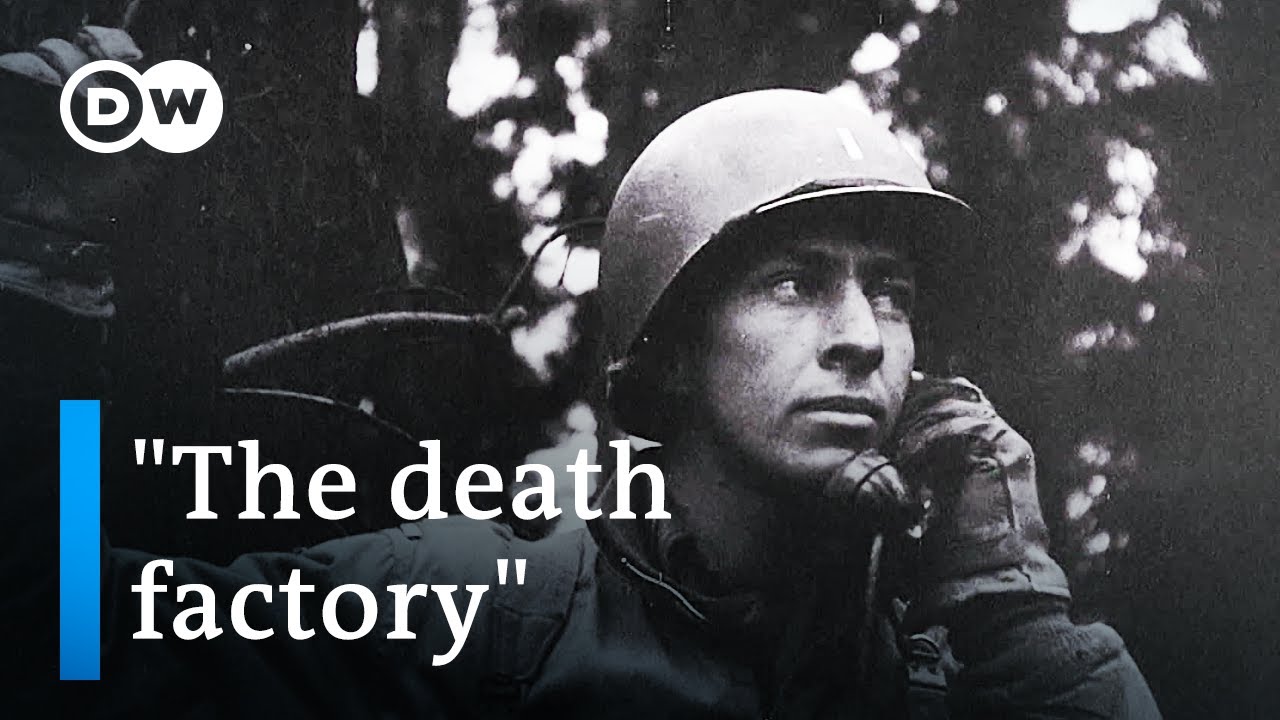
And eventually, you know, your feet just start to die. In early January, troops fought one of the bloodiest battles of the war in Europe. Two weeks earlier, the Germans had launched a counterattack in the densely forested Alden region in Belgium and Luxembourg.
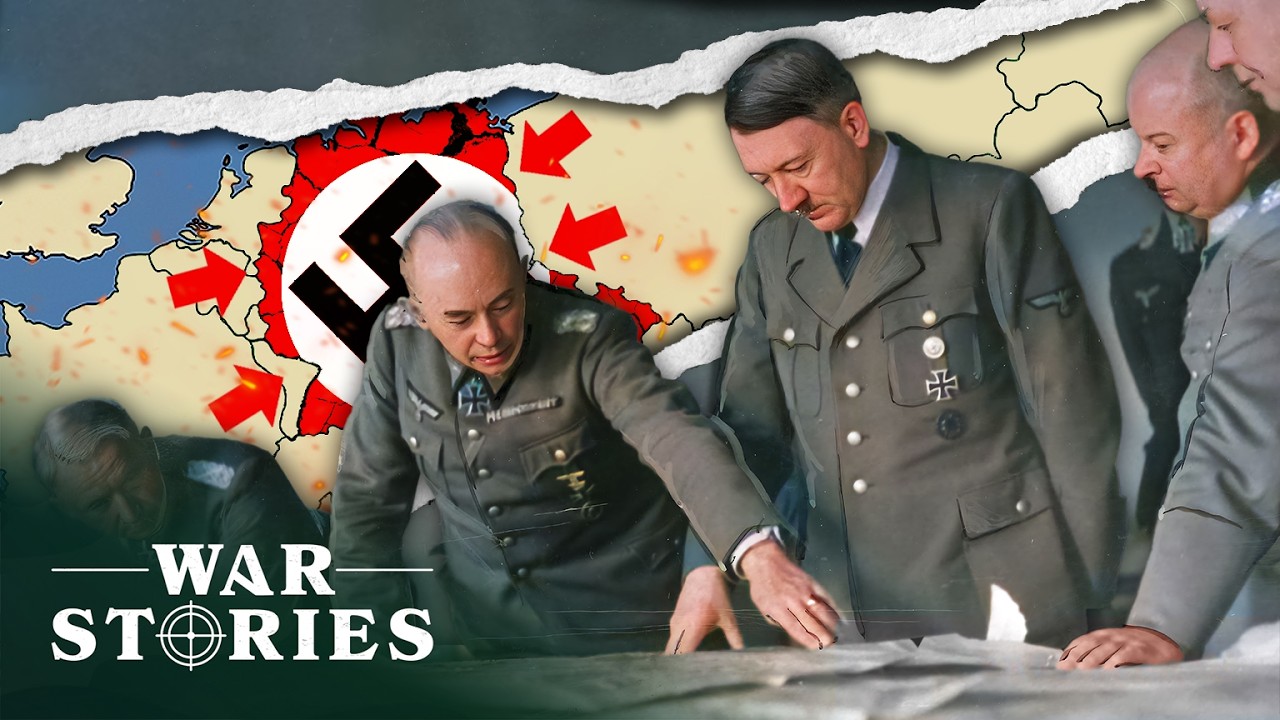
Hitler's aim was to turn the tide of the conflict and take the Allies by surprise. The Nazi strategy was one basically of holding the western the alli Anglo-Saxon armies on the line of the river Rine. But Hitler had this idea that he wanted to surprise and astonish the world with a huge counterattack in the Ardan.
The idea being basically he felt and this was sheer fantasy that if he managed to charge across the river MS and then swing north all the way to Al and capture that port this would actually knock the British out of the [Music] war and was a very important target for both sides. for the allies because they really needed a port. For the Germans, because they wanted to prevent any more weapons from landing in Europe, [Music] But the counteroffensive failed.
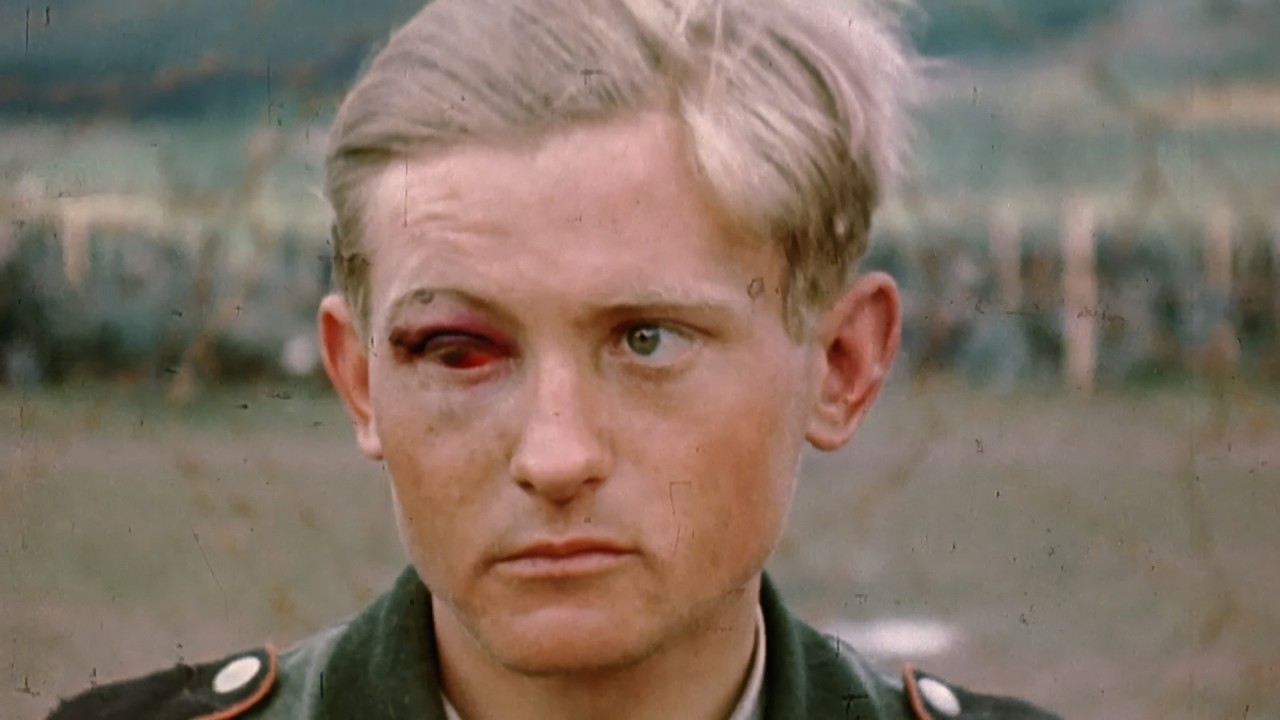
The German air force, the Luftvafer, had been decimated and couldn't hold its own against its British and American counterparts. Down on the ground, despite their exhausted troops, the Allies gained the upper hand, forcing the Germans to retreat. This surprise attack did take the Americans totally by surprise, but they did react with astonishing speed.
And only the Americans had again the resources with troops. They were bringing in up to 45,000 men a day in reinforcements. [Applause] The future of Hitler's Third Reich looked bleak with the situation on the Eastern Front also deteriorating.
In mid January, the Red Army launched a major offensive. You have armies attacking across the Vistula north into East Prussia and all the way across towards the river Oda. The Red Army had 6.
7 million troops between the Baltic and the Adriatic. So from this point of view, they had more than double the German armies present on that front. There were nowhere near enough German troops to defeat Soviet forces.
The enemy was now advancing into East Prussia as well as Polish territory. Germany gathered its last forces. By this stage, the regime relied heavily on reserves.
From the end of 1944, all able-bodied men in Germany between the ages of 16 and 60 were conscripted into a people's militia, the Fotorm. But this too would not help to stop the Soviet tanks advancing. It was terrible how the party attempted to stall and defend every single place with foxtorm units with civilians who were supposed to somehow defend themselves.
It was a completely absurd situation. They were in no position to oppose the Russians with their handguns and rocket propels grenades. They were hopelessly outgunned by the Russian tanks.
[Music] The advance of the Red Army was unstoppable and brutal. [Music] The idea of Russian brutality was part of Gobel's propaganda, but it was also fed by the experience of soldiers after the Russian armies crossed over into the German Reich. It triggered a panic that of course encouraged people to flee from East Prussia.
As Germany retreated, unspeakable horrors came to light. What the world was about to witness was truly incomprehensible. [Music] 10 days after entering Warsaw, the Red Army liberated the Ashvitz Burkanau extermination [Music] camp.
On January 27th, 1945, Soviet soldiers discovered the few survivors of this hell on Earth as they advanced further west. [Music] More than a million men, women, and children had perished here. Most of them were Jews, murdered in the gas [Music] chambers.
The Soviets filmed what remained from the victims. The SS had seized everything they could in order to enrich [Music] themselves. To destroy the traces of this systematic mass murder, the SS had burned the bodies in crerematoria.
Poles, Cinti, and Roma people and political prisoners also died at Avitz. [Music] People had known about concentration camps, of course, already before the end of the war, but knowing about things is never quite the same thing as actually seeing them. The horror was almost beyond human imagination.
Avitz would go down in history as one of humanity's greatest crimes. The war was not yet over, but plans were already being made for what would come afterwards. [Music] February began with a summit in a former Taurus palace on the Black Sea.
The Allied heads of state met here near Yaltta, a small seaside resort on the Crimean Peninsula. British Prime Minister Winston Churchill, US President Franklin D. Roosevelt and Soviet leader Joseph Stalin wanted to speed up victory and prepare for the post-war era.
Stalin had his main priority which was to assure Soviet control over central Europe and above all Poland because as far as Stalin was concerned that was where he had been surprised in June 1941 and never again was he going to allow the Soviet Union to be taken by surprise. Roosevelt had a very different priority. He had this idealistic view of preventing war in the future by the creation of the United Nations.
And this was going to be his legacy. He was prepared to make concessions to Stalin so as to get Stalin into the war against Japan, but above all to agree to the United Nations. The Allies agreed to divide a defeated Germany into occupation zones.
And yet the Third Reich fought on. To force Hitler to capitulate, British and American forces unleashed a firestorm of aerial bombardments. They dropped huge quantities of incendiary bombs on the city of Drsston.
Around 25,000 people were killed. At the same time, ground forces continued their offensive, advancing towards Berlin. By February 9th, the first French army supported by US forces had liberated the city of Kulmar, despite an icy winter and enemy resistance.
But now the Allies were faced with a natural border in the form of the River Rine. Hitler's mindset at this point is to fight to the end. So he hopes that the Rine will be an impenetrable barrier in the West to the Western Allies and thus he can then hold on to the heart of Germany that way.
To hinder the Allied advance, the Germans destroyed the bridges over the Rine. At the last minute, the Americans succeeded in capturing a bridge at Remag, the last one still standing. The Germans had tried to blow it up, but the main structure survived.
On March 7th, the Allies crossed the Rine and established a bridge head on the right bank. The US Army now had its sights on the heart of the German Reich. The inevitable German defeat sparked a rivalry between the Allied [Music] powers.
Those in command were faced with a new challenge. Which army would be the first to reach Berlin? On the other side of the world, the Allies were fighting the Empire of Japan.
More than 3 years after the attack on Pearl Harbor, the Americans had gained the upper hand in the Pacific. In early March 1945, fighting raged on the island of Ewima, located about 1,200 kilometers from Tokyo, it would provide a valuable base for Allied air forces. But the island had a network of underground defenses.
The Allies were caught up in a vicious guerilla war with fierce resistance from the Japanese. They were determined to fight to the end. I mean, it was quite astonishing.
No soldier was allowed to surrender. The humiliation at home would be intense. To win the war, the Allies weren't restricting themselves to close combat.
They also wanted to destroy enemy cities from the air. On the night of March 9th, they set their sights on Tokyo. The US Air Force dispatched its bombers to the Japanese capital haven't given its pilots clear instructions.
Low-level nighttime incendiary bombing just basically to burn out Japan cities. There's a lot of cottage industries that are melded in with the residential areas. And in many of those areas, of course, the buildings are built of wood and paper and whatnot that are quite vulnerable.
[Music] Japan's imperial capital was reduced to rubble. An estimated 80 to 100,000 people were killed. It was the deadliest single conventional bombing raid of the [Music] war.
In Europe, the Allies were now deep in German territory. At the beginning of April, the Americans too discovered the horrors of the concentration [Music] camps. In Odorf, a sub camp of Bhanv in central Germany, General Dwight D.
Eisenhower saw the victims with his own eyes. [Music] It was such a shock that General Eisenhower decided this had to be publicized very widely in news broadcasts and cinemas and radio and so on so that people would finally understand what the war was fought for. He himself was horrified.
What was to happen to the survivors? This question arose in spring 1945 and became one of the great challenggers of the postwar period. The former deportes had become refugees.
Many of the Jews who came from places like Lithuania, Poland, Ukraine, and so on couldn't really go back home because there was nobody left. They'd lost all their family, their friends. These were often places that were still hostile to Jews.
And so, they had nowhere to go. And so the old concentration camps then became so-called displaced persons camps where some people desperate to go somewhere Palestine, the United States, anywhere were cooped up and sometimes for years. The Allies were moving ever closer to Berlin.
The Americans were under 100 km away. But Eisenhower, commander of the Western Allies in Europe, made a decision that would prove controversial. Eisenhower makes what he terms a military decision, but it's also a political decision in a sense of saying, you know what, we're not going to go with our armies to Berlin.
Eisenhower was not willing to lose the lives of British, Canadian, American soldiers for terrain you were going to maybe give up to the Soviets. The Americans would let the Red Army suffer the casualties necessary to take Berlin. Stalin's troops now prepared to invade the capital of the German Reich.
In 1945, the Soviet army was superior in terms of manpower and machinery. That applied to the number of aircraft and tanks, too. It was the numbers that mattered, not the capabilities.
[Music] [Music] Soviet divisions prepared for the battle to take Berlin with 2 and 1/2 million men ready to storm the city. [Music] The offensive began in the early hours of April 16th. Over 2 million shells were fired on that very first day.
The artillery was literally sort of parked wheelto-wheel in such a concentration. The German capital was brought to its knees. [Music] Hitler's time was almost up.
He knew by then he was going to die, usually by suicide, because Hitler had this terrible fear of being taken back to Moscow in an iron cage and being humiliated. So he had no doubt about his own death, but he felt that the German people should share his death. On April 20th, Hitler turned 56.
At his last public appearance a month earlier, his poor state of health was plain to see. And here you actually see the last film of Hitler as he goes along the line of young heroes from the Hitler youth who have been used in fact basically as suicide squads. He was in such an advanced stage of uh decay and disability.
The day after Hitler's birthday on April 21st, 1945, the first Soviet units entered the city. The battle for Berlin was shockingly brutal. block by block, combined arms warfare, self-propelled artillery pieces, tanks, infantry soldiers cleaning out sewers and building blocks and all that.
And of course, everybody on the German side just a weapon thrown at them and told to fight. While Berlin descended into chaos, the Allies joined forces further south. On April 25th, US troops met the Red Army on the banks of the Ela [Music] River.
In Italy, Hitler's allies fell into the hands of the victors. [Applause] On April 28th, Benito Mussolini was executed by resistance fighters. The next day in Milan, the fascist dictator was hung by his feet alongside his lover.
Their bodies jered by an angry crowd. The news of Mussolini's humiliating end reached Germany. Hitler had seen it.
He was afraid of his corpse being displayed in public. Hitler's determination was that his body should be burned. Adolf Hitler's final act was to commit suicide.
According to new findings, he died by swallowing cyanide and then shooting himself in the head. Germany collapsed. The world of the national socialists was swept away in Berlin and many other cities across the country.
Political leaders, military officers, and civilians took their own lives. It's fascinating to see how many Germans, especially regime functionaries, were prepared to kill themselves and their families. We have new studies that have investigated this and found that there was a prevailing end of days atmosphere.
It was something Hitler had systematically prepared for. He thought of the downfall of Germany almost like it was a vagarian opera. [Music] [Music] But for many, the Allied victory was cause for celebration after years of horror, hardship, and tears.
[Music] [Applause] In many countries, of course, the liberating armies were greeted like rock stars really because not only were they liberators, but they were also richer than the local population. They had chocolate to dispense, Hershey bars, silk stockings, chewing gum, and so on. And they brought jazz music with them.
[Applause] [Music] Such celebrations were in stark contrast to the killing that was still going on thousands of kilometers away in the Pacific. After the capture of Ioima, the Americans became embroiled in a ruthless battle to take Okinawa. Located about 500 km from the main Japanese islands, it was a strategically important target.
There are now the preparations in fact for basically operation downfall which is going to be the invasion of the home islands of Japan which actually terrifies the allied planners, the British and the Americans because they are estimating that they are going to suffer half a million casualties. In this phase of the war, Allied ships faced great dangers from the sky. The Japanese air force was overstretched.
Increasingly, it resorted to an intimidating weapon. Kamicazi pilots. They found at this particular point that their most effective way was simply to pack the aircraft full of explosives and then they would use recruit pilots, new pilots who'd only just finished their pilot training to fly these aircraft straight into American warships.
They would always be accompanied by a veteran pilot in another aircraft uh ready to shoot him down if they wanted to change their mind at the last time and avoid uh crashing themselves. In Europe, the initial joy of liberation was fading. Deportes were returning.
There was political division and rationing. Europeans were faced with a new challenge. How to rebuild a devastated continent.
The struggle is just beginning. Who's going to pay for that? And what does it cost?
Imagine if your house had been destroyed in in combat and you still live there or not. What is your life going to be? Have you lost people to the war from your family and how is that going to affect you?
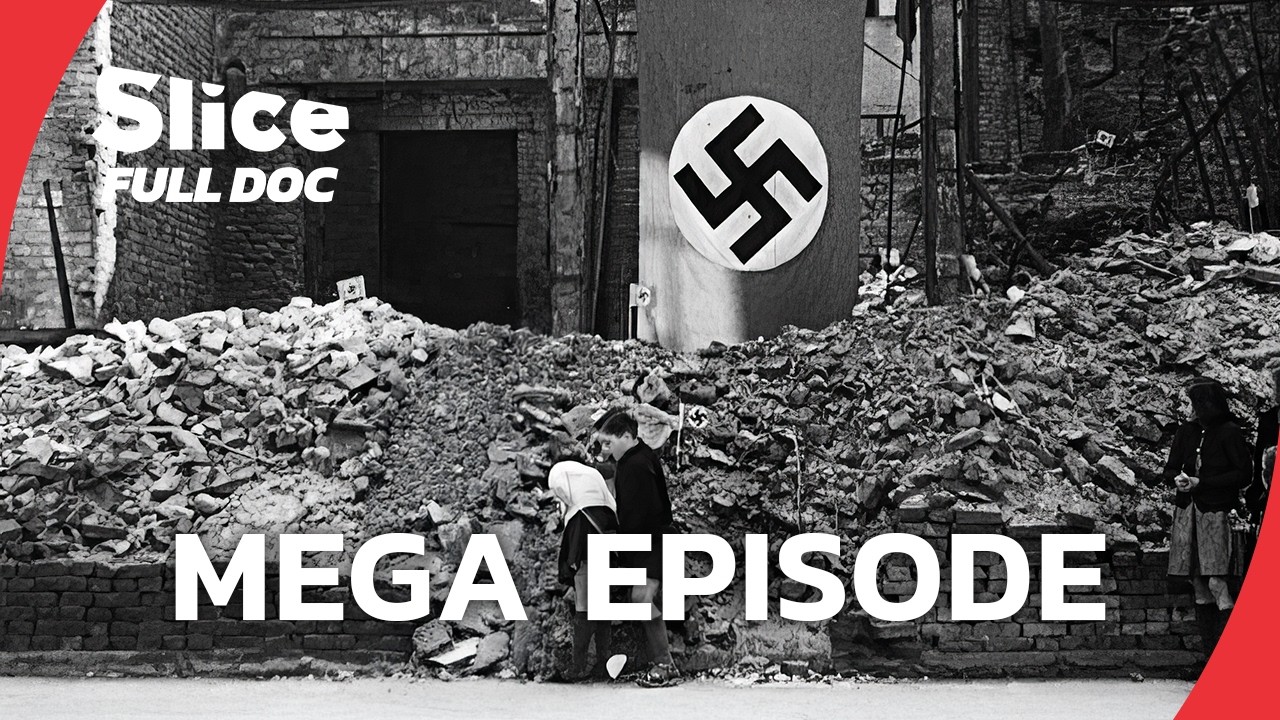
the areas which have been fought through Normandy and France the destruction there has been appalling whether one looks at uh the Netherlands the starvation of the hunger winter in Italy the starvation there Yugoslavia almost all of Europe had suffered appallingly in that particular way the defeated Germans were confronted with unprecedented destruction [Music] The Third Reich had been pulverized. Society was in ruins. Public transport no longer existed or hardly existed.
Most of the buildings had been destroyed. The situation was catastrophic. It's estimated that 38 million buildings were damaged or destroyed during the war.
[Music] On August 2nd, a few kilometers from Berlin, the Potdam Conference came to an end. Joseph Stalin and Winston Churchill posed for the cameras beside the new American President Harry Truman. His predecessor Roosevelt had died almost 4 months earlier.
[Music] Godam is the most important conference at the end of the Second World War. It's where the seeds of the Cold War are sewn, which would break out two years later. The impending confrontation between the two blocks also had an impact on Germany.
The Allies divided the country among themselves. In the West, the British, the Americans, and the French each occupied a zone. The East was assigned to Soviet control.
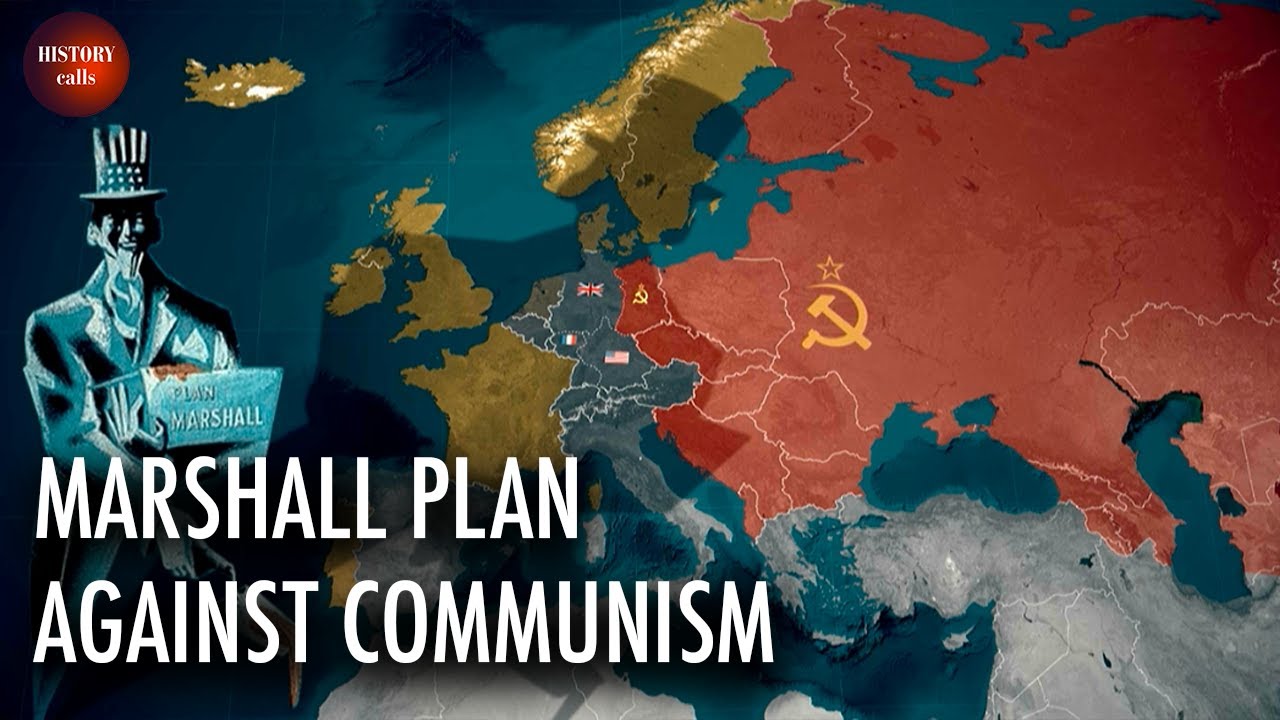
The city of Berlin was also divided into four parts. But for Stalin, Germany was just one of many conquests to be made on the continent. In the spring of 1945, Eastern Europe was under the diplomatic and military control of the Red Army, which occupied all the countries in the region.
They were gradually brought under the political control of the communists. The Western Allies who occupied West Germany didn't establish a fundamentally new order there. In other words, there was still private property and a similar system of life.
The only changes were demilitarization, the introduction of a democratic government, and [Music] denazification. But on the Soviet side, there had been a completely different goal. Ever since the Red Army marched in, regimes were established that were similar to the Soviet system.
The policy was socialism and ownership of the people. So there was a different social economic model. Shortly after 8:00 a.
m. on August 6th, 1945, the first atomic bomb detonated over Hiroshima, leaving the Japanese city almost completely destroyed. the immediate loss of life in the terrible heat.
People burned to death, people incinerated, people esphixxiated. Of course, the radiation sickness that's going to follow, but a lot of the deaths were from the collapse of structures. It's just so devastating.
[Music] The Americans justified the use of the bomb by saying that it saved lives, that the human cost of a victory against Japan using conventional weapons would have cost several hundred,000 soldiers. In Hiroshima, at least 70,000 people were killed immediately. Tens of thousands more died from their injuries in the following weeks, but Japan remained resolved to fight [Music] on.
The commanders of the Imperial Japanese Army and the Navy refused absolutely any idea of unconditional surrender. But even with the American offer of keeping the emperor, which was a key element in any question of what postwar Japan would be like, was not enough to satisfy the diehard military commanders. And this was when the decision was finally taken to drop the second bomb on Nagasaki 3 days later.
And that point the emperor had also received details of the devastation of Hashima. He knew that there was no option. I think that the shock of those nuclear explosions was what finally persuaded the emperor to order the [Music] surrender on September 2nd, 1944.
5. A delegation from the Empire of Japan arrived on the deck of the American battleship USS Missouri to acknowledge defeat. General Douglas MacArthur spoke at the ceremony.
We are gathered here, representatives of the major waring powers, to conclude a solemn agreement whereby peace may be restored. The Second World War was officially over. [Applause] [Applause] a conflict that had claimed the lives of at least 50 million people, most of them civilians.
Amid the sense of relief that the atrocities had ended, there were other feelings beginning to stir. Something had fundamentally changed since Hiroshima and Nagazaki. The idea of one bomb being able to destroy a whole major city was really unknown in human history up to this point in time.
Everything changed. The nuclear age had begun. And we begun to see that human beings could create weapons so terrible that they could basically eliminate their own existence among civilian populations.
The years of conflict had also brought societal changes. Women had assumed new roles. Most men were either locked up or fighting on various fronts.
This meant that for the first time, women were taking jobs that normally had been reserved for men in industry in other parts of the economy. In 1945 and in the subsequent period, there was a terrible anti-limax for women because the men would return. They would be given back their jobs.
But above all, the men had felt that they'd lost control of their families in a way that they were no longer sort of the center. And there was therefore a tremendous amount of repression. But such issues were not a priority for the Allied heads of state.
The victorious powers were more concerned with the world's political future. On October 24th, 1945, the United Nations Charter officially came into force. The document had been signed 4 months earlier at the San Francisco conference.
It marked the birth of the UN, a new international institution. An initial 51 countries representing around 80% of the global population would unite to shape the future of the world. The idea is we can never have a war like this again and that maybe the United Nations we can begin to quell conflict around the planet and maybe we can do that if the superpowers will work together sufficiently to do so.
Men of goodwill from around the world attend. If we do not want to die together in war, we must learn to live together in peace. The Cold War was already looming, but the victors of 1945 were still working together.
On November 20th, the Palace of Justice in Nuremberg, Germany, became the scene of a historic trial against the Nazi regime's main war criminals in the city where anti-semitic laws had been proclaimed and the Nazis had staged their rallies. It took hours for prosecutors from the victorious nations merely to read out the indictment in the name of the Union of Soviet Social. The idea of having trials, it was interestingly enough encouraged more by the Soviets than it was by the Americans.
The Soviets partly because the Soviets were used to show trials and they like to use trials for political ends. In the name of the French Republic, Mton that was not of course what the British and the Americans and the French wanted. What they wanted was to as part of this exercise of restoring the world order was to make a point of the rule of law.
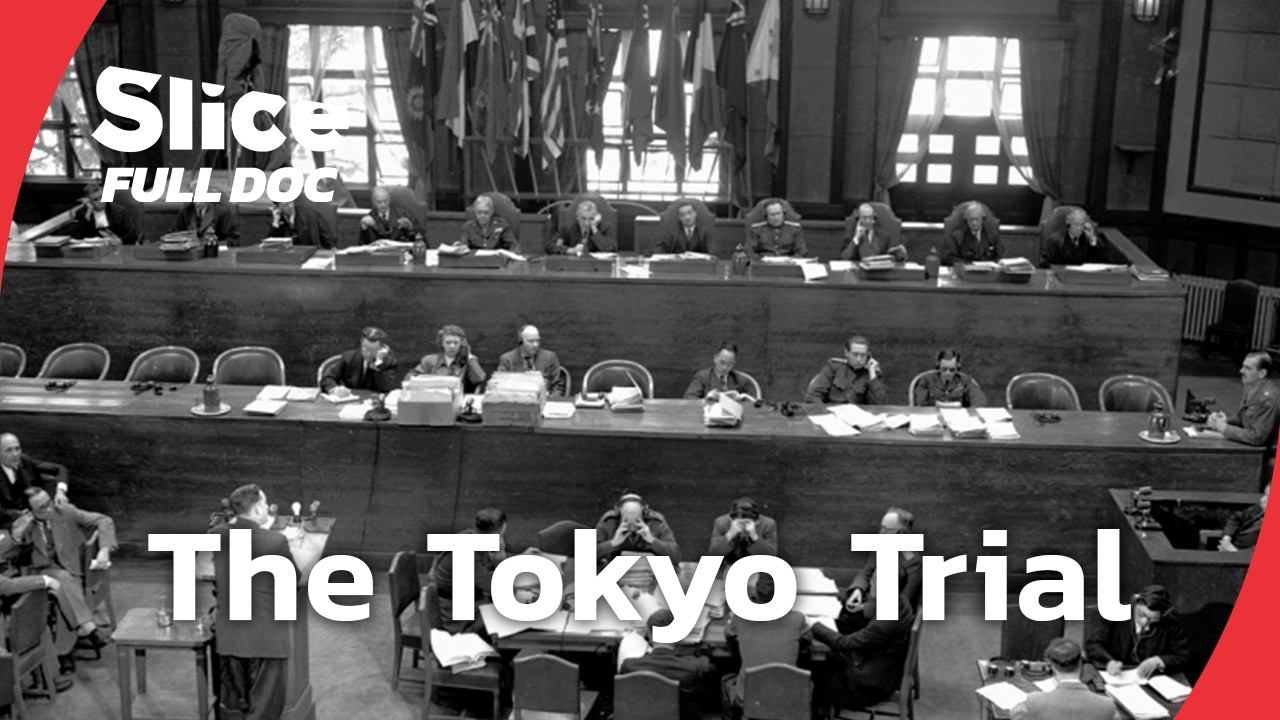
Short cross delivers his summation. Nerburg 22 people stood trial at Nuremberg, 12 of whom were then sentenced to [Music] death, the others to long prison terms, while some were also released. It was really only criticized by experts who saw it as victor's justice.
For most Germans, it was an understandable reaction from the Americans and the other allies. Yet, our task is finished. Now it is for you in the silence of your deliberations to listen to innocent blood crying for justice.
It also for the first time made the defense that I was simply following orders inadmissible. If the orders are immoral, you do not obey them. It cannot be an argument anymore.
And the Nerburgg uh trials really laid down that principle. So it was again a way to build a better world that would make future wars [Music] harder. The victors emerged into a new world in which the US and the Soviet Union were adversaries.
The European colonial powers were weakened. The United Kingdom was on the verge of losing its imperial possession. India colonized peoples were demanding their share of freedom in Indochina and Africa.
France was preparing to go to war again. It was the dawn of the era of decolonization. 1945 is a quintessentially modern year in that sense that it lays the foundation for what is our world today.
By the end of 1945, the new postwar world was in its infancy. A world full of new promise and new dangers. [Applause] [Music] Heat up [Applause] Heat.
Heat.