Have you ever wondered what a world-renowned heart surgeon actually eats every day and which foods he completely avoid? In this video, we uncover the daily habits and practical food choices of legendary Russian cardiac surgeon Dr Leo Bokeeria, sharing simple yet powerful tips that could transform your heart health. Dr Leo Bokeeria is one of the most well-known Russian cardiac surgeon in the world.
Born in 1939, he has played a pivotal role in advancing cardiovascular surgery in Russia and internationally. Dr Dr Bokeria is the longtime head of the Bullev Scientific Center for Cardiovascular Surgery in Moscow and has performed thousands of complex heart operations including pioneering work in off-p pump coronary artery bypass surgery. He even performed cardiac surgery up until the age of 83 years.
He continues to train up generations of surgeons. He has utilized his influence as being one of the most famous doctors in the nation. Dr Leo Bkeria has been a vocal and influential figure in public health advocacy in Russia, particularly concerning cardiovascular disease prevention.
Given that cardiovascular diseases are a leading cause of death in Russia, Dr Bokeeria has used his authority and media presence to educate the public and push for health reforms. Dr Bokeeria is widely recognized for his blunt, nononsense communication style during interviews and public appearances, which has made his health messages both memorable and impactful. In one well-known paraphrased statement, he observed, "People come to us when it's already too late.
But a person could live decades longer if they simply didn't smoke, ate modestly, and walked every day. " Through this kind of direct engagement with the media and public, Dr Bokeeria has become a powerful advocate for lifestyle-based prevention, urging individuals to take control of their health before reaching a crisis point. Longevity tip number one, antismoking campaigns.
Dr Bokeria has been an outspoken critic of Russia's high rates of tobacco use, calling it a national catastrophe due to its devastating impact on cardiovascular health. He has strongly advocated for stricter antismoking measures, including comprehensive bans in public spaces and significantly higher taxes on tobacco products to reduce consumption. According to global research, including findings from the World Health Organization and the Lancet, one of the world's most prestigious and widely respected peer-reviewed medical journals, smoking is one of the leading modifiable risk factors for cardiovascular disease, nearly doubling the risk of heart attack and stroke due to its role in accelerating atherosclerosis and damaging blood vessel linings.
Dr Beria often highlights these facts in public discussions, tying Russia's cardiovascular mortality crisis directly to widespread tobacco use and calling for immediate large-scale preventive action through policy and education. Tip number two, exercise and lifestyle. Dr Leo Bokeeria strongly advocates for daily physical activity, particularly among middle-aged and older adults, emphasizing that even simple routines like walking can significantly reduce cardiovascular risk.
He often refers to a sedentary lifestyle as a silent killer, underscoring the importance of regular movement. This perspective aligns with findings from Russian research published in the Russian Journal of Preventive Medicine, which indicate that moderate daily exercise contributes to a decrease in mortality rates, including those from cardiovascular diseases. Tip number three, early detection and preventive screenings.
Dr Beria advocates for regular health checkups to catch heart problems early, especially for those over 40, recommending simple tests like ECGs, blood pressure readings, and cholesterol checks. These screenings can detect issues such as high blood pressure, irregular heartbeats, and early signs of heart failure, even without symptoms. Early detection allows for timely treatment, preventing more serious heart disease.
Scientific evidence supports this approach. Regular blood pressure checks can reduce the risk of heart disease and stroke by up to 40% as shown in the Lancet. Routine ECGs help identify arhythmias with circulation research revealing that early intervention in atrial fibrillation can cut the risk of stroke by 60%.
Blood lipid tests are crucial for detecting high cholesterol, a key heart disease risk factor, and studies in JAMAMA show that cholesterol-lowering treatments reduce the risk of heart attacks and strokes by 30 to 40%. Additionally, early detection of heart failure through screening allows for treatments that prevent worsening with research in European heart journal indicating that timely interventions can improve survival rates by 50%. These findings emphasize the importance of routine screenings to catch heart rellated issues early and reduce severe complications.
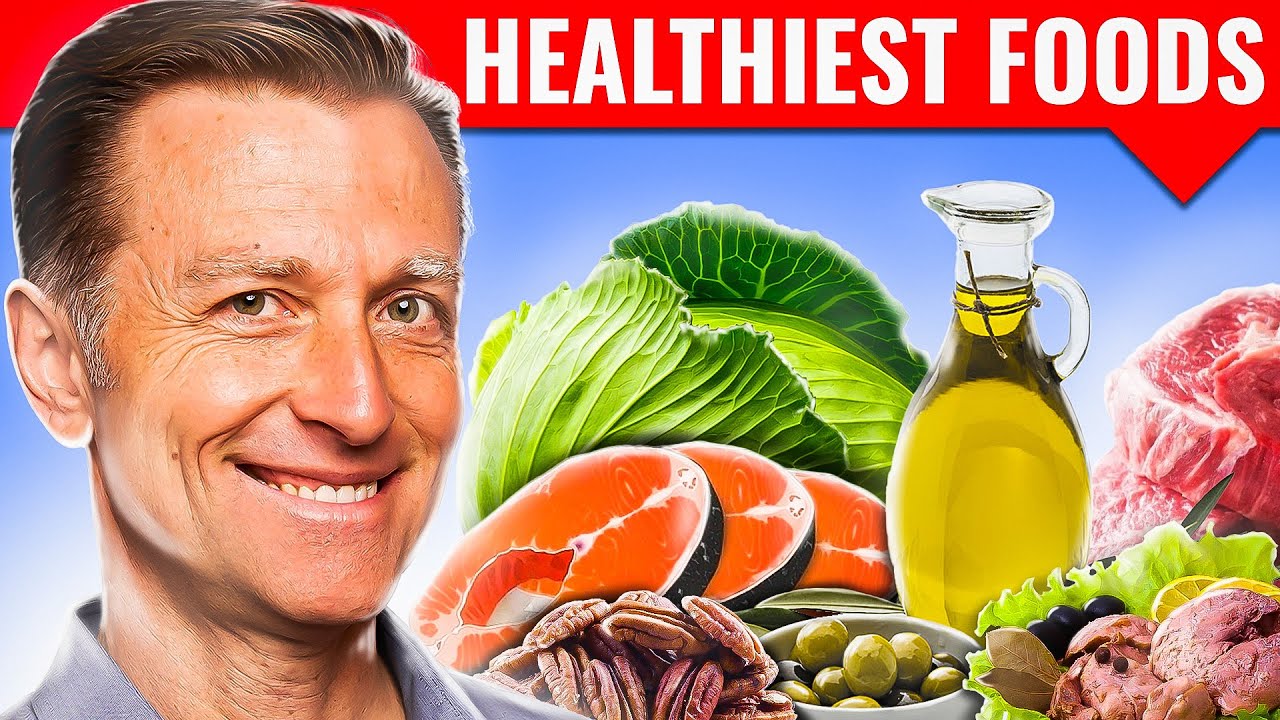
Tip number four, combating obesity and poor diet. Dr Beria frequently warns against the excessive consumption of fats, sugars, and processed foods, emphasizing their role in the growing epidemic of obesity and heart disease. As a strong proponent of healthier eating, he advocates for a Mediterranean style diet rich in vegetables, lean proteins, and healthy fats.
Yet, while drawing from Mediterranean principles, Dr Bokeeria also highlights the health benefits of traditional Russian foods, many of which align with global nutrition standards. No matter where you are in the world, these six time tested Russian ingredients can support heart health through their rich content of fiber, antioxidants, protein, and healthy fats. Top eight foods for heart health and longevity.
Buckwheat gretchka is a nutrient-rich gluten-free grain that's a staple in Russian kitchens. High in fiber, plant-based protein, and essential minerals like magnesium and manganese, it helps support heart health, stable blood sugar, and digestion. Buckwheat also contains antioxidants such as ruten which can improve blood vessel function and reduce inflammation.
Commonly served as a side dish or with mushrooms and vegetables. Its health benefits and versatility make it a key part of a heart- friendly diet. Cabbage is a low calorie high-fiber vegetable rich in vitamin C and antioxidants and it plays a central role in Russian dishes like borched and sky.
Whether eaten fresh or fermented, cabbage supports digestive health and its benefits go beyond the gut. A growing body of research shows that a healthy gut microbiome can directly influence heart and artery health by reducing inflammation, helping regulate cholesterol and blood pressure, and lowering the production of harmful compounds like TMAO, which is linked to a higher risk of heart disease. Fermented cabbage, such as sauerkraut, also provides probiotics that nourish gut bacteria, making cabbage a powerful ally in both digestive and cardiovascular wellness.
Beets are a vibrant, nutrient-dense root vegetable that feature prominently in Russian cuisine, especially in dishes like borched. They are rich in folate, fiber, and powerful antioxidants called betalanes, which have anti-inflammatory and blood pressure lowering effects. Beets also contain natural nitrates that help improve blood vessel function and circulation, making them especially beneficial for heart health.
Studies have shown that regular consumption of beetroot can reduce systolic blood pressure and enhance exercise performance. Both of which support cardiovascular wellness. Mushrooms, especially wild varieties like porcini, chanterels, and morelss are a flavorful and nutritious part of Russian cuisine.
They're low in calories but packed with fiber, plant-based protein, and essential nutrients like selenium, potassium, and B vitamins. Mushrooms also contain powerful antioxidants such as ergoionine which help reduce oxidative stress and inflammation, both of which are linked to heart disease. Some studies suggest that regular mushroom consumption may lower cholesterol and support healthy blood pressure.
Cottage cheese to is a traditional Russian dairy food that's high in protein, calcium, and essential amino acids, making it excellent for maintaining muscle mass, bone strength, and metabolic health. Tor is often enjoyed as part of breakfast or snacks paired with fruit, honey or herbs. Its high protein content supports satiety and can help regulate blood sugar and body weight, both important for cardiovascular health.
Additionally, calcium and phosphorus and torid contribute to healthy blood pressure and vascular function. Fish, particularly freshwater varieties like pike, perch, and trout is a key component of Russian cuisine and a heart-healthy protein source. Rich in omega-3 fatty acids, fish helps reduce inflammation, lower blood pressure, and improve cholesterol levels, all of which contribute to better cardiovascular health.
Omega-3s are also essential for brain function, and can help prevent the development of arterial plaque. Studies have consistently shown that regular fish consumption lowers the risk of heart disease and stroke. Carrots are a widely consumed root vegetable in Russian dishes known for their rich content of betaarotene, fiber and essential vitamins like vitamin A and K.
Betaarotene, an antioxidant is converted into vitamin A in the body, supporting eye health and immune function. Carrots are also linked to improved heart health as their high fiber content helps regulate cholesterol levels and supports healthy blood pressure. Additionally, their antioxidants help reduce oxidative stress, a key contributor to heart disease.
Garlic is a powerful, flavorful ingredient commonly found in Russian dishes. Known for its numerous health benefits. Rich in sulfur compounds, particularly allisonin, garlic has been shown to help lower blood pressure, reduce cholesterol levels, and improve arterial health.
Its anti-inflammatory and antioxidant properties also support heart health by reducing the risk of atherosclerosis and heart disease. Regular consumption of garlic is linked to improved immune function and better circulation, making it a staple in heart-healthy diets. In his public health messaging, Dr Bokeeria consistently criticizes the rise of fast food culture and urges moderation, especially in older adults, to reduce cardiovascular strain.
By turning to these simple nourishing ingredients, he believes people can reclaim healthier eating habits rooted in both tradition and science.