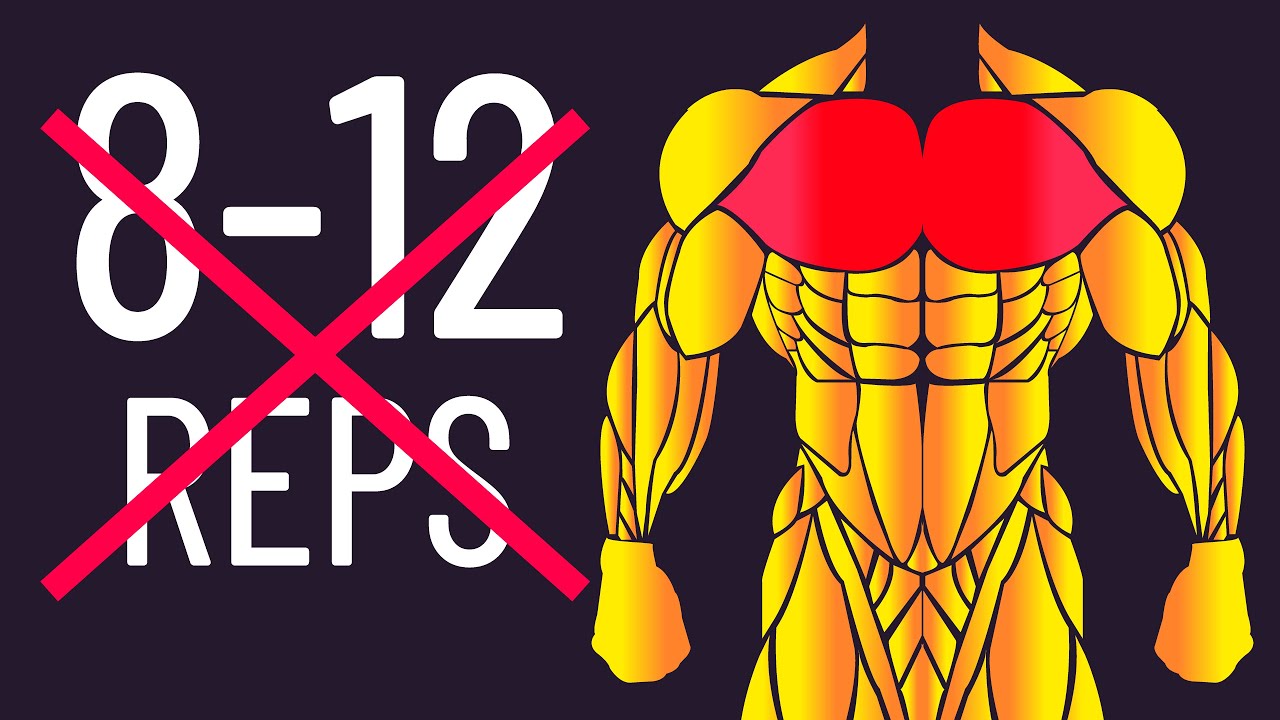
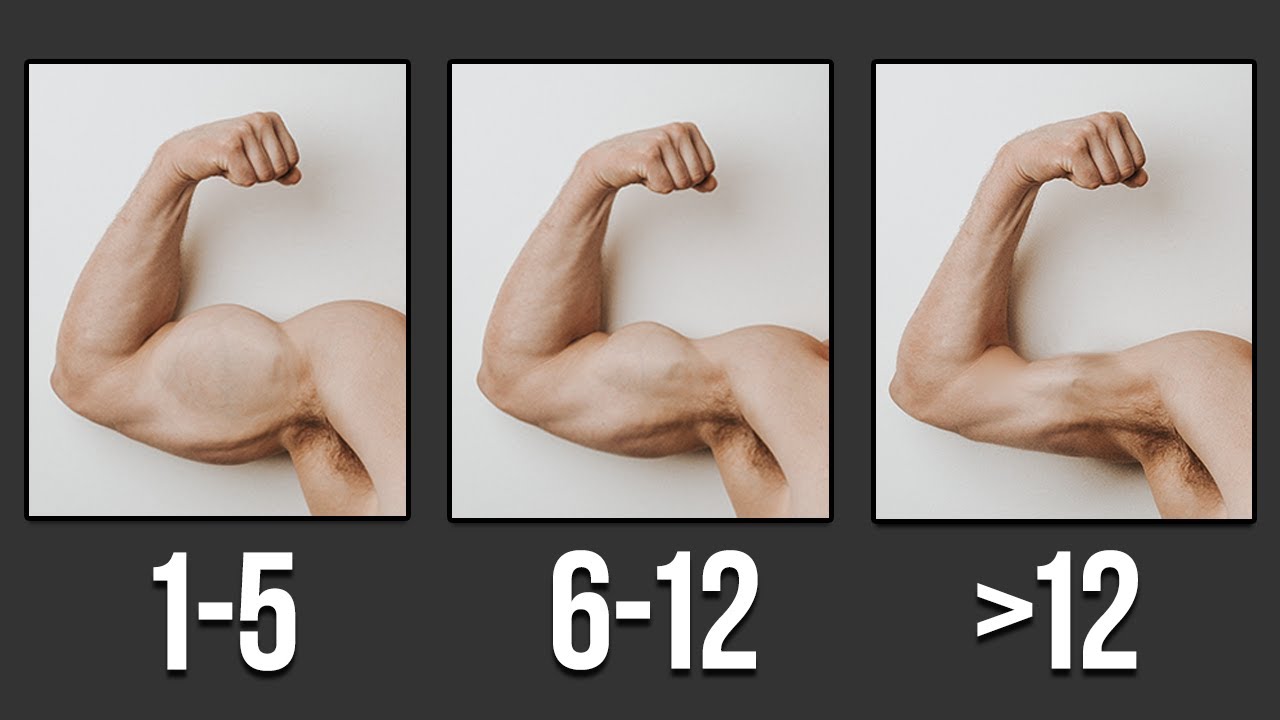
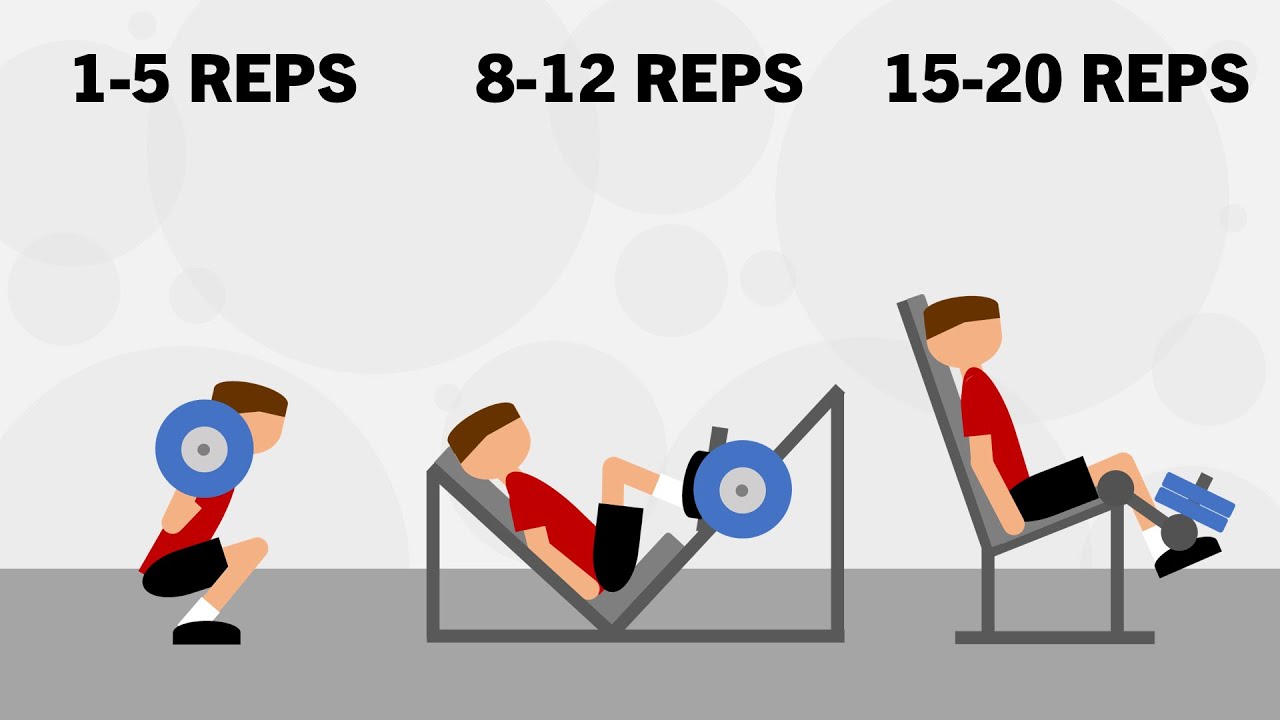
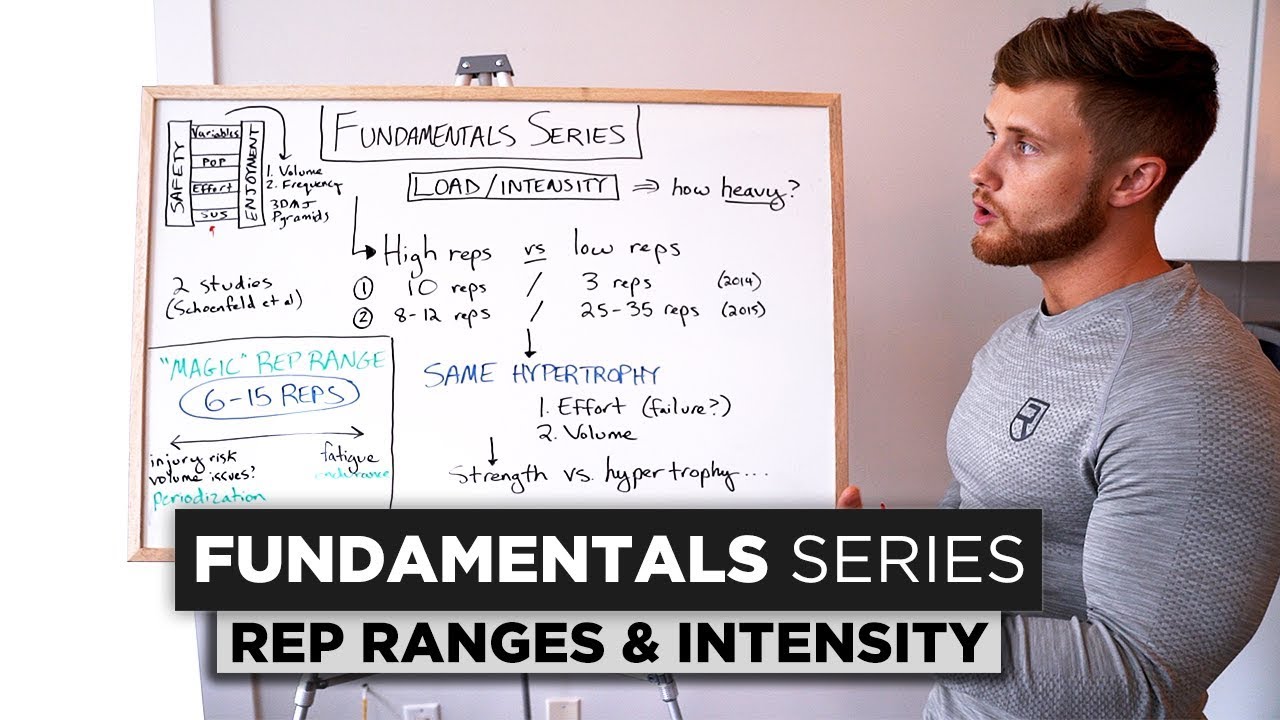
when it comes to building muscle reps between six and twelve are commonly used with the belief this best promotes muscle growth this idea does somewhat stem from a pre-existing rep range continue also stating one to five reps of superior strength or thirteen past reps are severe for endurance this continuum does have some truth to it the evidence to support the idea strength is best trained with lower reps given strength is based on lifting heavy loads training with lower ups makes sense likewise the evidence does also support the idea endurance is best trained with higher reps
given endurance is based on sustaining multiple contractions this again makes sense however when it comes to the muscle growth rep range this continuum is slightly misleading this is simply because the current evidence does not support the idea of muscle growth is best achieved exclusively in the 6 to 12 rep range the best evidence relating to rep ranges and muscle growth comes from a 2017 meta-analysis by shown from aquatics for those unaware meta-analysis of studies that combine the results of multiple scientific studies that address the same topic returning to the meta-analysis by showing fear and colleagues
they found that both low load and high load training resulted in similar increases in muscle growth provided reps were taken to muscular failure if we were to take a look at the individual studies involved in the meta-analysis we would see that the loads used range from 30% 1rm to 85% warrant this would equate two reps between 35 and 5 so why is the actual muscle growth rep range so wide to understand this we first must explore the concept of motor units motor units consist of a motor neuron and the muscle fibers they innervate multi-units can
generally be classified into three kinds slow multi-units fast fatigue resistant motor units and fast fatigue herbal motor units slow most units are small motor neurons that innervate slow twitch muscle fibers these contracts slowly and produce low forces but are highly fatigue resistant fast fatigue resistant motor units are slightly larger motor neurons that innervate fast twitch oxidative fibers these contract faster and produced greater forces fast fatigue herbal motor units are larger motor neurons that innervate fast twitch glycolytic fibers these have the fastest contraction and greatest force producing abilities but they do fatigue quickly motor units are
recruited in a progressive sequence when force requirements are low slow motor units are recruited however with increase in force requirements those faster motor units are recruited to aid those slow motor units high levels of multi unit recruitment is an important component of maximizing muscle growth simply because this is one of the main aspects of mechanical tension at this moment in the research mechanical tension is the best categorized rival of muscle growth physiologically mechanical tension is primarily equal to the amount of force generated by a muscle again this is more or less equal to multi recruitment
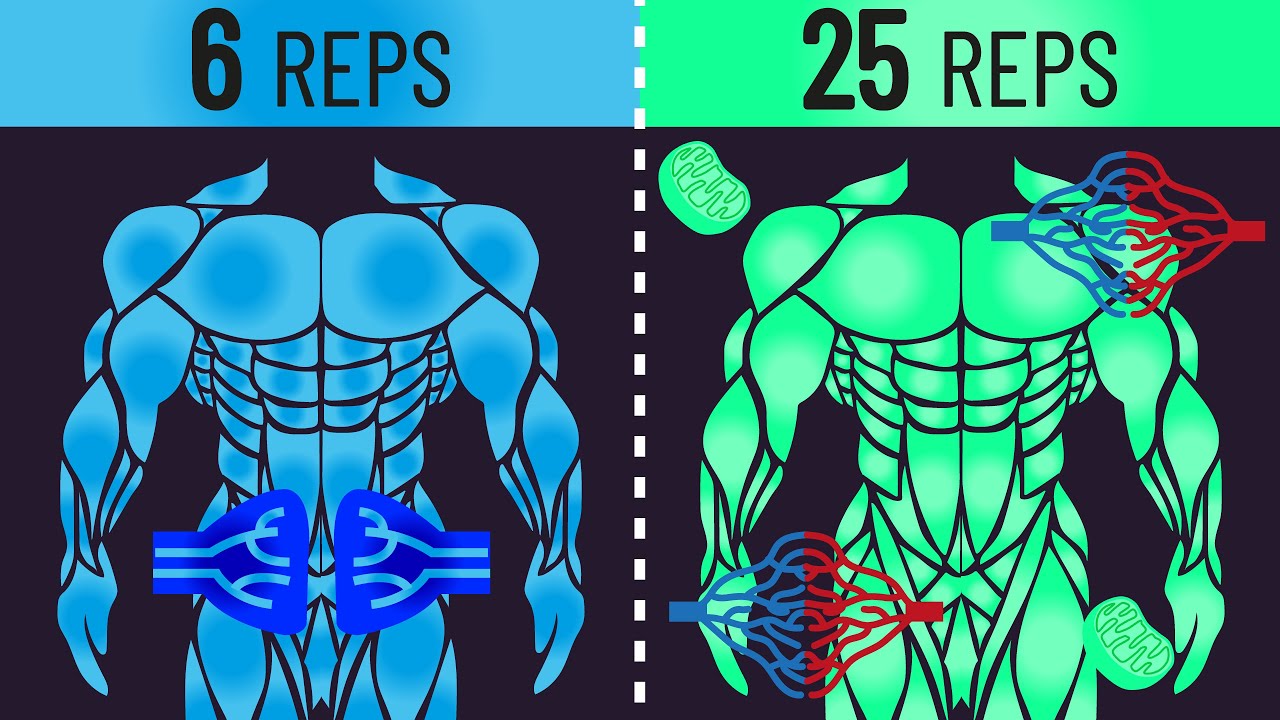
it's believed various mechana senses lightly located within a neuron muscle fibers detect mechanical tension and subsequently initiate a signaling cascade that ultimately results in muscle growth based on the principles presented you may be tempted to take heavy loads and therefore lower reps are required to achieve high levels of multi-unit recruitment it is true heavy weights readily recruit faster most units as force requirements are initially high as a reps approach failure further recruitment also likely occurs with the light loads and therefore higher ups as force requirements are initially low slow machinists are primarily recruited however as
reps get closer and closer to failure those faster motor units are recruited to help sustain water production what this means is that both light loads and high loads are capable of achieving high levels of most unit recruitment this is the primary reason as to why the actual muscle rep range is so wide before we end some of you may be wondering about the research related to perhaps below 5 and reps above 35 there is evidence that reps as low as 3 can build muscle optimally however three of the studies that did find this used a
greater amount of sets with the low rep range groups so all in all it isn't entirely clear I should mention that it has been reported that training with heavy loads and multiple sets is more stressful on the joints and connective tissue potentially meaning that in the long run it's likely smarter to train with reps above 5 if the goal is to solely maximize muscle growth as full reps above 35 the only research that gives us a fair comparison comes from a list of idiots and colleagues they compared the use of 20% 1rm 40 % 1
RM 60 % 1 RM and 80% water up on the bicep curl a leg press what they found was that as expected the loads between 40 and 80 % RM led to similar increases and hypertrophy of the elbow flexors and vastus lateralis however using 20% at 1 RM led to significantly less hypertrophy of these muscles roughly half that up loads between 40 and 80 % worn around using 20% or 1 RM usually means you're performing more than 60 reps per set to achieve failure it's likely that using 20% of one room is just too light
to maximize mechanical tension the threshold could be lower than 60 reps therefore just to be sure it's probably best to not exceed 35 reps additionally outside of the lab I'm not too sure many would willingly perform more than 35 reps for any exercise [Music]




![Taurine: The Nutrient of Youth [Science Explained]](https://img.youtube.com/vi/qH5QumHGrgk/maxresdefault.jpg)