I started out as a behavior therapist so to be perfectly honest with you and never even entered my mind the behavior therapy wouldn't work so behavior therapy blew up it was a disaster and the reason was it's because in behavior therapy the patient comes in you evaluate them you do a diagnosis of them and things like that then you say okay let's wait a week and then next week we'll talk about and we'll see what we can do to be helpful and then they come in and you say things like I can see that the
problem is this and we could really work on this and the many you do that's why you're saying I'm the problem which point I was saying no I don't think you're the problem I'm not saying you're the problem absolutely not the problem so that was problem one okay so that didn't work out very well then I said okay I'm gonna do an acceptance strategy where you just kind and accepting and you're listening and all that kind of stuff so I brought him back in again or another group and I started to do that and the
client says you're not gonna help me I said well of course I'm gonna help you so that's when I realized that for this treatment to work at all I was gonna have to figure out a way to bring acceptance and change together because those are the two fundamental treatments of the day and that's when I realized that I didn't really know anything about acceptance I knew a lot about change because I had a lot of training in behavior therapy but I had no training in exceptions I didn't have the faintest idea how to do that
and I knew that I couldn't do it myself if there's anything I know about therapy is that you can't teach something you don't know how to do yourself so that's when I had to go learn acceptance and then I when I brought that in and made it part of the treatment my great fear was I didn't know whether I had a new treatment or I just had an old treatment that I'd added a few things to my worry was maybe this is just plain old behavior therapy so I sent letters of major people in the
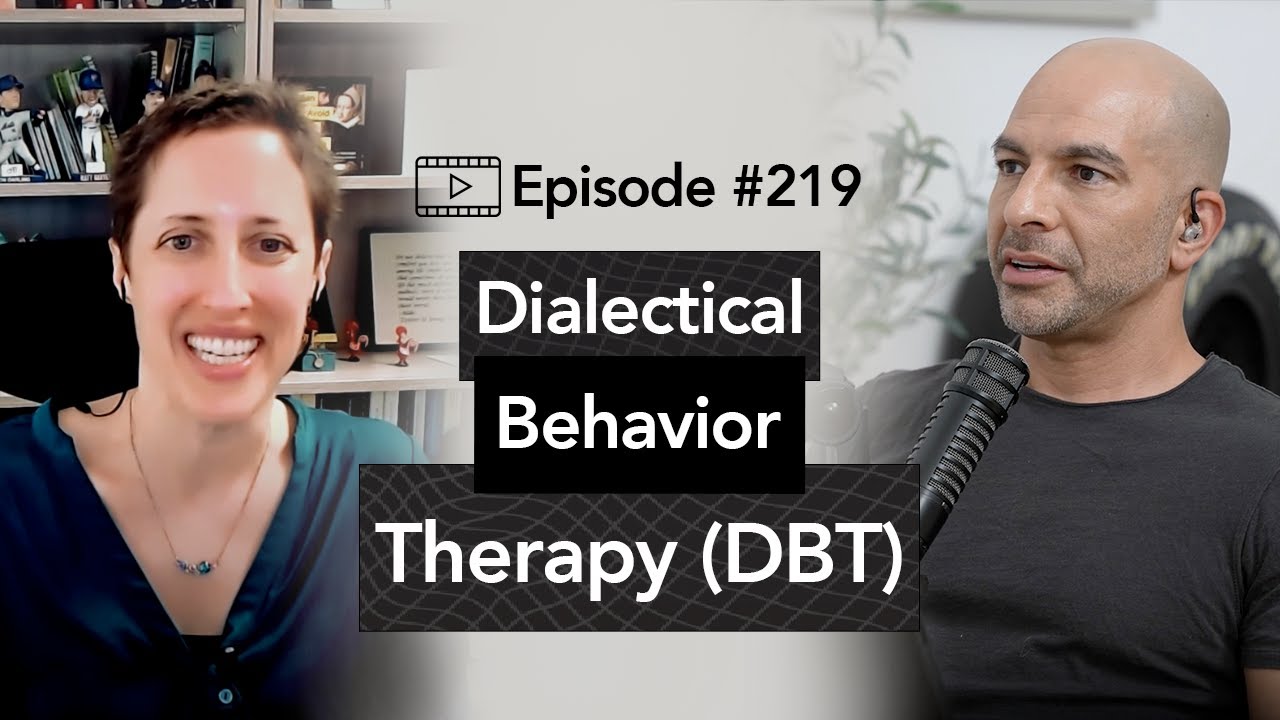
field and I said could you let me know if this is different or not and they sent back saying this is very different because you've brought these two things together likely unique also is the use of skills because DBT use the skills intentionally and widely in the treatment itself in other words everyone who comes into DBT get skills and the reason for that is is that we know that the skills pretty much project all the outcomes a lot of other treatments aren't based on skills even though they're based on change of behavior in many ways
the definition of skill is changing behavior into a behavior that brings about outcomes that are the outcomes that you want for your life