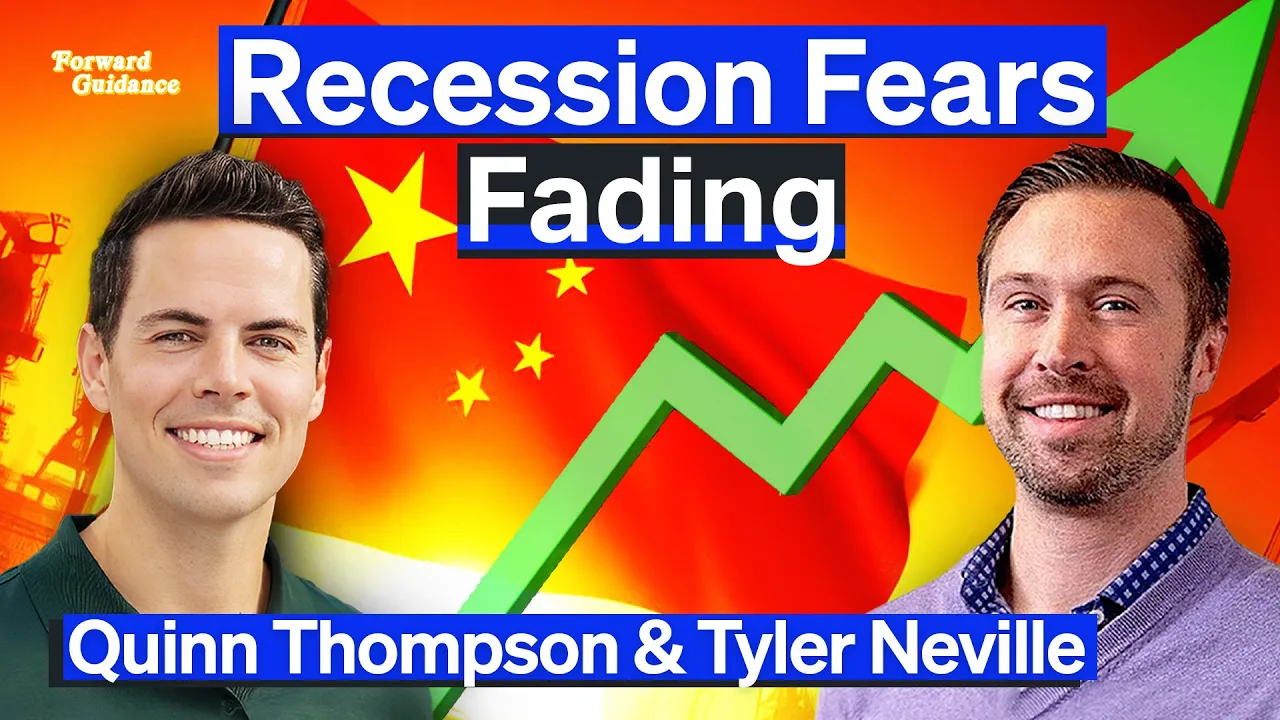
all right what's up everybody oh God ter what is up everybody just roll it just roll it we're just doing it live it what's going on everybody we got the Roundup edition of Ford guidance and for the first time in a few weeks it's it's back to the trio myself Quinn and Tyler what's going on guys how's your week good good end to the quarter we're uh we're liking what we're seeing out there it was so over but we're so back now Quinn's also on his fourth wedding of the year or uh the quarter what
was it month third of the month month oh Jesus yeah yeah I don't think our listeners know that Quinn is just been in pretty much every different wedding venue across the entire world for half of these recordings through the summer you want you want this one this one's in Birmingham Alabama look at what I'm wearing to commemorate rip the king yeah dude so you went from France to Birmingham Alabama that might be the only person in history to do that transition that's a crazy friend group you have hey get yeah get you get you mans
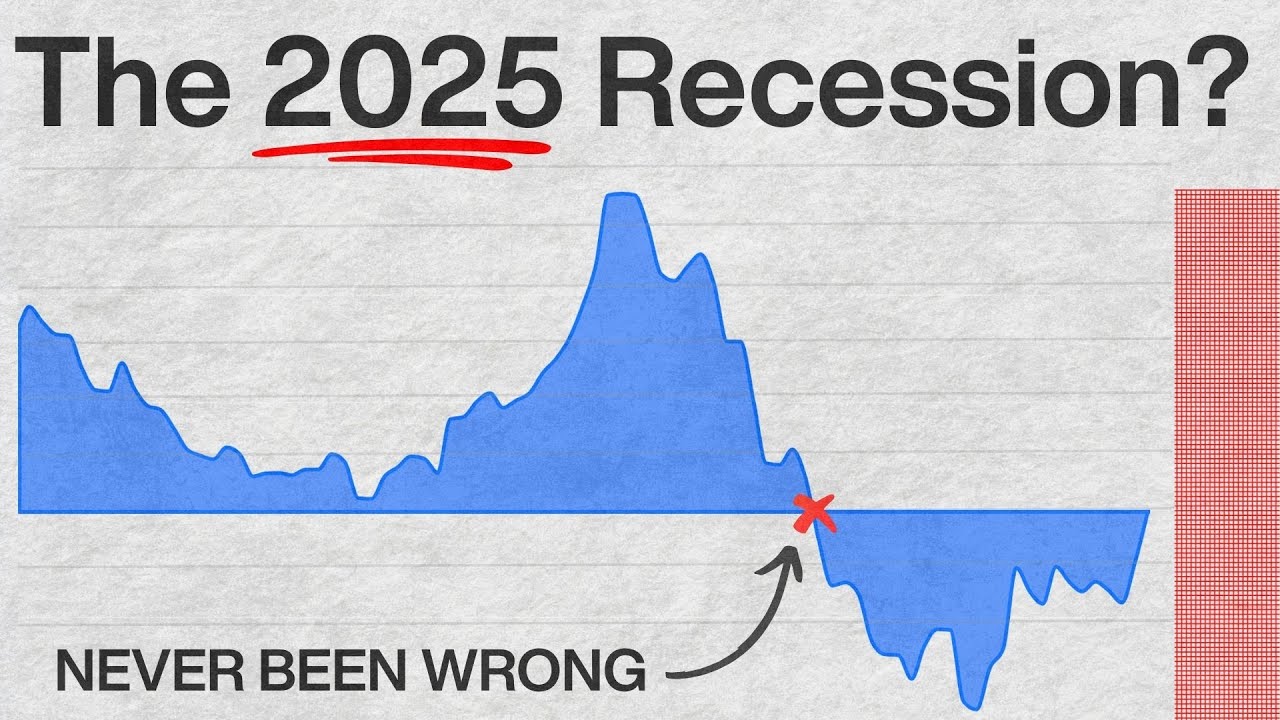
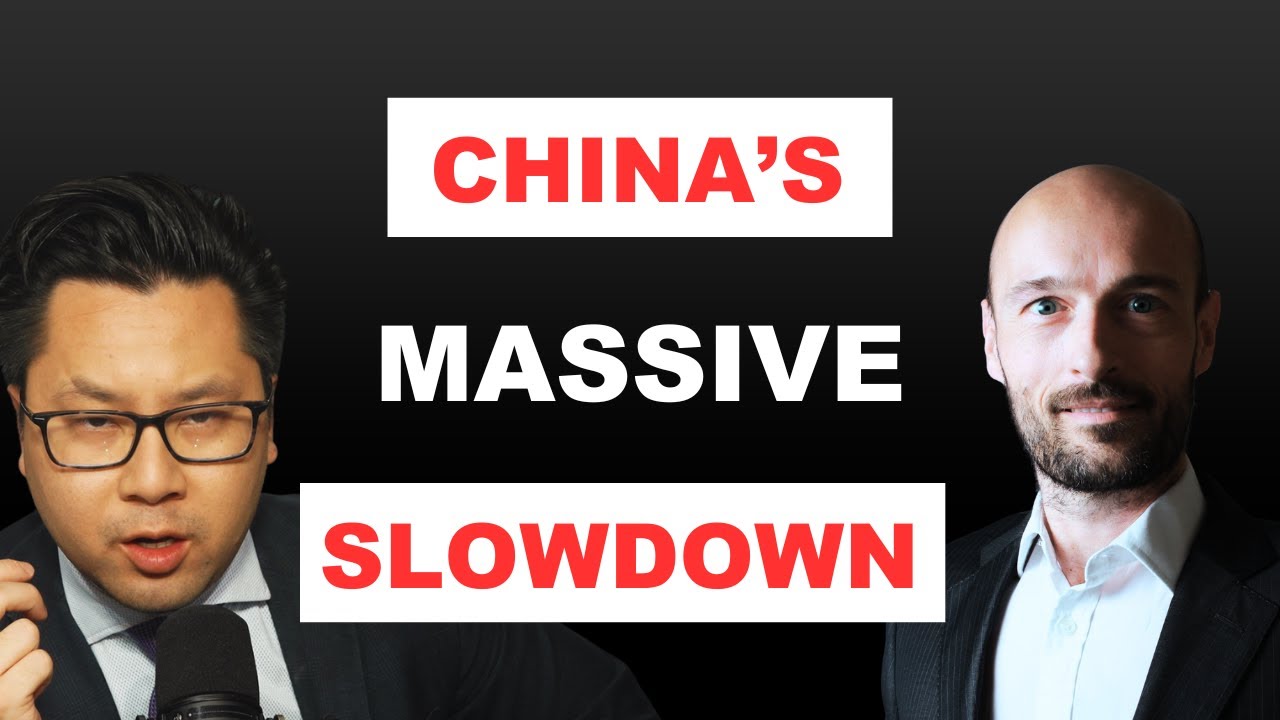
who can do both you know love it yeah me too man it's been a big week for uh for Bazookas from the central banks China has been been the leader of it um so if you guys remember a few weeks ago we we brought up this chart and we started to really talk a bit about how China is seriously deteriorating and it was it was looking like it was going to be the canary and the coal mine um and this is just looking at nominal GDP of of China which you know they typically um try
to Target on on this this long-term forecast of of 5% and just looking at the M1 money supply of the of the Yon in like six months forward looked like it was about to drop off a cliff this got a lot of people worried and then even just looking at this chart I thought was really good at just showing just how below Trend the China's growth has been since the end of covid they didn't really recover like you know the US did as much they've sort of just been below Trend and stagnated quite substantially um
you know Jack in one of his last episodes on here had Richard coup on the podcast where he talked a bit and explained this idea of a balance sheet recession and how China is actually in one right now and a lot of that has to do with just the amount of that debt has been piled up and that is being having the focus in terms of being paid off and just how difficult that is to stimulate in that kind of a environment so that's all been happening we've been talking a bit about it on the
show um and what happened is that finally um and you know this is my big speculation is people were wondering why isn't China stimulating significantly things are really you know falling apart we starting to see deflationary spiral just so happens a few days after the FED starts cutting rates starting off at 50 bits the Bazookas start to come out um first off you know maybe it just came out as an RPG but we started to move up into the Bazooka land um so the first thing that came out was the China um head of the
Central Bank um pen gong xen came out and just basically you know did as much as the monetary side could do so you know cut rates by 50 basis points um cut mortgage rates um basically tried to increase as much and promote as much Landing as possible and that was a good start um but really again with this Dynamic of a balance sheet recession which I'm not smart enough to explain compared to somebody like Richard cou so go watch that episode if you want to learn more about that but we started to you know see
these more fiscal stimulus type of things come out so we got this um where they're they're basically planning to and in considering of just basically giving out fiscal stims um which just seems to be the thing to do these days is just to literally you know have helicopter money so you know there's plans to basically give out helicopter money to individuals um and overall things are coming out you know there's there's you know $500 billion in facilities being set up to buy Chinese stocks there's um you know $140 billion I believe um being set up
to inject into the top Banks there's a lot of things um you know we can get into the Nuance of you know whether it's a technical adjustment or not I really love this meme from srini that he posted the other day you know just just call a spade a spade we we got a lot of Chinese easing coming down um as it stands here so lots happening I W to I want to get how you guys are reading this um to me it seems pretty clear that you know the Bazookas are are are starting starting
to fire off um you know I I definitely agree that we we may need more but it's clear where their head is at and now that you know PA is eased they've basically got in the green light to just do as much as they can right now we've talked about China decent amount and uh I think that's that's kind of my take is like everyone's been questioning you know why like pointing to China as this like horrendous nightmare situation which for all the problems they have yeah it's their economy hasn't been great but it's simply
because they're now competing with the dollar and treasury market for a global Reserve currency it's you know this this de globalization is where the US weaponizes the dollar to remove uh basically confiscate Russia's reserves you know has has created a multi-polar geopolitical environment and so China for them it's an opportunity to capture some of that uh let's say market share for the store value away from the dollar and treasury market and to do that they've sacrificed you know fiscal irresponsibility like the US has gone full bore at in order to make their bond market the
best performing bond market in the world and not sacrific their currency and so this whole time they've weathered extraordinary economic pain to to make sure their currency stay strong and now that the fed you know just in the same way that boj is taking taking their foot off the hiking gas after the FED fed doish now China's doing the same and it look at I I tweeted this earlier the most interesting thing of the week is the CNY Chinese currency strengthening against the dollar on these moves so it's basically the market saying wow good on
you China for you know holding out from irresponsible fiscal action and monetary action for literally since Co three plus years and now you're doing this you know stimulus action today you're going out strong you're nipping this in the butt and you're doing it at opportune time post fed when the fed's probably going to do another 50 in November so it's like and then you have people like kind of you know poo pooing this the the Quantum of the stimulus and this is about as close to a whatever it takes moment as you could have like
daily communication on new rollouts and and then to top it off you had David terer on CNBC this morning which was a mirror image of him in 2010 or was it 2009 or whatever after the GFC saying buy stocks like the the central authorities are telling you they're going to do everything possible to pump the stock market don't overthink it and to me that was just like icing on the cake I'll I'll let you get in there Tyler for for a second but I just want to yeah say I totally agree that it definitely feels
like a Mario drogy whatever it takes moment you know they're like we'll we'll throw 500 billion w at it and if that's not enough we'll just throw another one and so it's like okay like it's clear where their head is at they're just trying to to gauge you know what is required to create that confidence it reminds me a lot of March 2020 when you know the FED cut to the zero bound overnight and we kept dumping and people said oh my God you know the FED has lost control they can't get under this this
thing and you know you just got to wait for these facilities to roll out then you know they started to say they're going to buy corporate bonds if they need to and things they got underneath it just you know give it a little time these things roll out um you know Chinese equities are definitely reacting positively so it's clear what's happening Tyler what's your read on this geez I think the world is changing before our very eyes and I'd like to go through a couple just slides slide Neville here if you go to slide 51
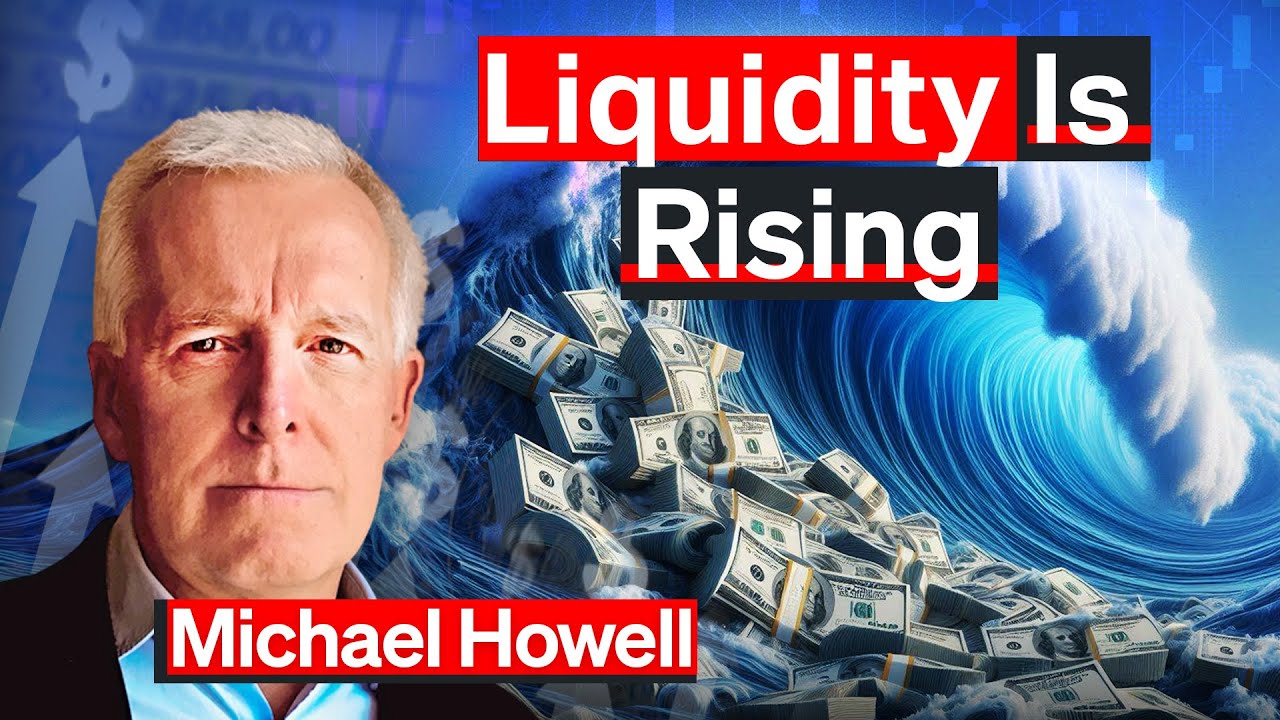
the professor this is the Asian dollar Index now we talked about this a month or two ago three three months ago when it was at 90 and I think we were all saying watch out there could be a Global Credit crisis if this breaks and inevitably what happened the world controllers the central planners came in and they essentially weakened the dollar and now go to uh slide 50 this is the global liquidity cycle from Mike Howell we're we're on the same path as the 1985 Plaza Accord where you know we we weakened the dollar massively
and I think the same sort of thing happened behind closed doors with China is they went to yell in and they said we're imploding here you need to let out um dollar liquidity which is exactly what happened um behind closed doors and everything kind of we we we're seeing China's deflation benefit us now right because the the Chinese 10 year yeld I think is at like 2.2 and that's allowing us to ease here so essentially you know we're in the same sort of situation as the 1998 Asian financial crisis where the the disinflationary pressures of
of the rest of the world is allowing our Federal Reserve to to ease rates and you can see that in the forward break evens that we talk about every week even today break evens are at s you know us break evens one year out are at 70 basis points so there this is incredible China just pulled out an absolute bazooka and oil's at $67 Barrel so what exactly is happening here I think what's happening is you know the world is going from centralization to decentralization this is very like high level you you know you don't
even have to show any more charts on this this is just me ranting but I think the past 40 years was about two hedgemon Rising you had the US and China China was a hedgemon of manufacturing that allowed us you know massively disinflationary pressures to build up our US tech hedgemon so those two things were symbiot for the past like you know 40 years now what we're seeing is a breakage and what's happening is we are we're probably going to import we want to build our manufacturing sector because we don't want to just be centralized
in just us Tech we don't want to be the Saudi Arabia of US tech Saudi Arabia meanwhile doesn't want to be just the Saudi Arabia of oil so we're watching like really interesting moves one one really um interesting point was uh if you go to slide 53 the biggest banks in the world just uh pres said after the um the Three Mile Island they they said they're going to pledge support for nuclear power because this is the decentralization of the energy Supply chains if if we do nuclear power now the next day Saudi Arabia comes
out and like oh my God we're going to pump more o so we could potentially be in this weird weird world where massive fiscal stimulus happens in all these markets for because the the world's engine is slowing of growth and if you have a a decentralized energy supply chain meaning you know nuclear power wind solar oil all these things are are natural disinflationary And if every country adopts you know a diversified source of energy it could be that we can really pump the the the steroids on fiat currency whether it's fiscal or monetary and you
kind of work your way out of this like that's it's kind of a weird because you default to oh my God they're GNA print a lot of money there's going to be inflation but oil's down so something something different is happening so oil is down you're right it's at 67 but you know if we just look at like copper Dr copper it's it's surging um yeah Metals how do you how do you think you square those two things because I think China's fiscal is going this is the Saudi Arabia effect you know they're gonna try
and rebuild their economy and a lot of that's going to go to metals and Mining those are actually doing quite well and I think there's a lot the supply and demand is way different oil's supply and demand is really funky because we're now the largest producer of oil and I think Quinn has a lot of charts on this but when you have everyone pumping and not only that but financing costs are getting easier to pump oil it's it's almost like this you know I said last week Mark andreon technolog is doing more and more with
less and less and commoditized goods they're commodities for a reason because everyone can produce them so we could be seeing what I'm trying to get at is OPEC could be breaking up here if it turns into a kind of everyone pumps and and you get Trump in and he he wants to pump more and more and the financing costs are advantageous to pump more you get into like this self-reinforcing game of oil prices lower now I'm not an energy expert I'm just talking macro here of what I'm seeing in the price reaction to a large
Chinese stimulus and it's it's kind of odd that we didn't see a a pump in in oil after that it it is there is a brief one my only critique Tyler on and because you always correct my accent is China not China China my take I'm I'm an oil bull here at least I'm an oil Bull in so far as it Hedges my digital assets because the lower oil goes the lower inflation Vibes are and the more they can print and the higher Bitcoin Etc can go but um I think personally that there's still this
recessionary Vibe I I look across like the Macker universe and and it's despite this bazooka stimulus there's still this huge recession wall of worry deteriorating labor market concern like I don't think that's left and I think there's remnants of selling uh recessionary cyclical like oil to fund your you know I think there's a bit of an algo thing I mean you look at these that Saudi headline is kind of I don't really but read into it too much like it it reminds me of when reuter this one Quin yeah it reminds me when and Reuters
leaked from their sources in the summer that OPEC wasn't going to extend the cut and then the following oils down three the following day the exact same sources they they are going to extend a cut and like oils right back so I just think there's this kind of Hangover on on the recession Vibes that and if you think about it right these these stimulus rate Cuts work quicker in the financial asset markets than they do in the real economy and ultimately if they are going to be effective they're going to reinvigorate the economies and oil
will increase I believe in everything you're saying Tyler but I think that uh I think that that transition will not be as quick as six months to you know yeah I think there's a lot of confusion in the markets and like you say this recessionary Vibes thing and you know all three of us are kind of pretty strongly in anti- recession Camp so I've been trying my hardest to understand like what is the argument and I just have a few slides I want to talk a bit about in terms of the labor market side of
things what are you laughing at Quinn fact that like you know I look every day in industrial stocks go to new highs and you know there there's a bunch of different sectors just keep ripping and people calling for recession and then I look at the fixed income market and there's no sign of stress there every single week and I know the sentiment hasn't changed and you know we get a lot of comments in in these videos people are like you're just too young to understand I can't believe you and I'm like I I I'll take
the Contra until I see credit spreads blow out I'm going to stay like long this same but okay okay so let's walk through the lab because that's the big one that people are looking at for understanding if there's a recession so for those that don't understand what this chart is this is the beverage curve um it's one of those fancy curves that's named after a fancy Economist and people at the fed and you know with their phds look at it and basically what it shows is the job vacancy rate um so as measured by by
the jolts data or the job openings data versus unemployment rate um and so Chris Waller who is one of the governors at the FED has been talking a lot about this Dynamic of how to actually achieve this soft Landing um he talked about this first in 2022 and he had an update to it earlier in the year we talked about how in his analysis the vacancy rate can get down to 4.5% before see a meaningful increase in the unemployment rate so effectively they can fight inflation and and and try to tighten as much as they
can until the job vacancy reaches that 4.5% and then that's where they see that buffer running out and seeing this unemployment rate kind of increase so you can see um this is uh this hasn't been updated with the August data but we're basically at 4.6% right now on the vacancy rate and so when you think about this that is you know just a 10 10 basis points about 4.5 level and oh look like the FMC has just gone ridiculously doest they're they're throwing 50 basis Clips um and you know there's another 50 basis point cut
pric in in November and this is the game at hand here is that they have they have seen and so far it's been bang on like you know Chris Waller has been banging on on this is that you can you can tighten up until that 4.5% without getting this huge increase in the unemployment rate we've seen a bit of an increase in unemployment rate but it's difficult to see if how much of that is because of Labor Supply increase but overall like this is the path that the FED sees for for the soft Landing um
so that's that's the soft Landing soft Landing argument there's been some interesting survey data so this this was the the consumer um conference board data survey that came out a couple days ago and and one component of that is just basically confidence in in getting a job um as measured by the labor market differential and basically what this shows is that based on confidence in the survey the unemployment rate should should be heading meaningfully higher here now the issue is um is that these these surveys have been really wrong the cycle and this was actually
a really interesting chart from Bob Elliott that just showed how politicized these consumer sentiment surveys have become um especially you know a month and a half before a recession or sorry before an election maybe that was a fraan slip we'll see um but uh look you know these survey these Soft Data points have been extremely noisy this cycle and I think a lot of it has to do with just how you know politicized things have become um okay so a couple more slides and then I'll pause and we can chat about this a bit more
but initial jobless claims which is one of the most high frequency data points we can get in the labor market has just been in a down only Trend um and just you know missing expectations to the downside so less jobless claims than forecasted so this came out today at 218,000 versus the consensus 225 and just looking in the big picture this is from Jim Bianco just looking at like the rolling four-week average um you know we we need to be seeing this going higher meaningfully you know if if you're a subscriber to the Som Ral
and you think we're in an early stage of a recession this should be soaring yes it Peaks out at the end stage of a recession but regardless we should not be at these like you know huge lows that we're seeing right now now the last argument I want to make here um is okay there's this argument out there from from from people that believe that we are in a recession that oh people don't want to go you know register for for you know job initial jobless claims because they'd rather just go work at Uber door
Dash and and deliver there so they're not registering because they're can make more money there but you would see this show up in this chart from Fred showing employment level for part-time for economic reasons and we're not seeing that so I dug in pretty deep on the labor market data this week and I just I just don't see it and the FED is highly attentive based on what we just looked at in the beverage curve that they're just going to ease as hard as they can now that we reach this 4.5% level in the vacancy
rate so if we're not seeing it right now and you know by the time we get into the middle of next year we're going to have quite a few Ray Cuts underneath our belt here like what's the recession argument I want to just point something out that is just if you're not a believer in the the centralization and you could call it corruption maybe people take a negative connotation but the controlling of this whole system you're just not thinking hard enough so I'm looking at a headline right now illegal border crossings fell in July to
lowest levels in four years uh this is talking the southern border apprehensions and a big part of this labor market quote unquote weakness is you know an increasing labor force from foreign born workers which this whole time this whole political uh open border policy and this is objective like was to suppress wage inflation and that's it the politicians are never going to say in the same way the fed's never going to say their new Target is 3% the politicians are never going to say uh yeah we're gonna sacrifice the lower income in this country increase
uh competition and you know immigration to to take those jobs to suppress the lower and middle income work uh wages to get inflation down they're never going to say that but that's exactly what's going on I think Powell said that last yeah well the FED has acknowledged it the fed and treasury have acknowledged it but but the clowns running the country won't so you uh you're just and now all of a sudden uh when all the slack is gone out of the labor market isn't it just so strange what a coincidence that the border is
now tightening up oh and and we're headed into a consequential election where you know supposedly that existing Administration has all the you know the new found keys to solving the Border crisis like these things are not coincidences at all and then you know the other funny thing is we're gonna get a we're gonna get another messed up month in uh September October on you know this new hurricane data and so that's going to just be another great data point for the FED to oh you know it it was maybe it was onetime weather maybe it
wasn't you know but more more reason to cut like it's all the it's all just part of the game what's up everybody just want to take a second out of the show to talk about the next major block Works conference that's happening permissionless 3 is a leading crypto conference and it's going to be happening in Salt Lake City this year from October 9th to 11th there's going to be some major legendary speakers there from the likes of BAGI Chris Dixon and macro veterans like Dan tapiero will also be there not only that but we're also
going to be doing a live recording of the weekly Roundup guys and poring Edition so you can come meet myself and Tyler and Quinn and even Mike will be there if you're interested we have a discount code use that and you get 10% off as well so I hope to see you there and that we can catch up all right back to the show well here's here's my thing about all the data like well first of all Felix that was a master class in data analysis I do love and incrementally it's great but part of
part of me wonders what's not taken into account like this is a horrible but old fans reported 6.63 billion in Creator payouts and and what part of the economy is that showing up in like are those part-time workers for like I and how does that factor into like the gig economy there there's so much other stuff going on nowadays with where you can make money that maybe it's not showing up in the unemployment data I just on average on Trend I kind of like enjoy looking at the data but they it's so much more complicated
than that and I take stock price as like the Holy Grail that's what exact exactly like credit spreads will tell us if there's an actual concern here I fully agree I just you know I I got to go try and do that work to prove it out because we we we got to try because that's that's a lot of the narrative on the recession side and I just I'm sorry I don't see it I think the thing that people get hung up on is it's we talked about it before but it's like this argument about
what I think is right what the FED thinks is right and what they should do and these can all like they're going to depreciate the currency and paint whatever picture they need to to be able to do that and support the markets going into an election trying to get re you know maintain their incumbency uh support the economy at at an aggregate headline level so that you know they're they're not the at the helm of a of a big recession um so like see I don't even think I I don't even think it's political like
I I used to be like that where going to juice the economy I think they just got it kind of got lucky because they really tighten fast and CH they they caused China to bend the knee and now that allows them to ease because like Global I mean look at look at uh look at Australia they can't they can't cut yet because they're too slow to hike so so now they're they're they're still not doish yet um you know they're more likely that the hike still than cut because they have a really bad inflation problem
and that economy is quite similar to Canada but we actually got underneath it and hiked significantly and now can cut significantly where I'll agree with you is like if you look at the was it reverse repos coming down like they're doing the fiscal the fiscal push probably that that's where you could say it's a little more political but I don't know how really has if you're looking at what they look at I think it's less political I mean Trump would be you know easing massively if he was in office to I think what's crazy is
you know stock prices are at all-time highs and they're begin an easing cycle and we're just in Yar Germany like that's the funniest thing to me is that everyone just keeps calling for we might have stock prices go up in a recession like the next generation is just going to be printing so much money it's a global fiscal super cycle that's what we're looking at here I mean today's GDP print what was it's like 3% basically yeah I mean I want to talk a bit about this because okay so I got the revised data here
so that was at 3% and I want to talk a little bit about this because so you know on a in a in a normal model GDP equals GDI they're just measuring different sides of the balance sheet um one is output one is income so they should generally speaking you know meet somewhere in the middle last quarter during the the previous estimate GDI so gross domestic income was at 1.3% while real GDP was at 3% and so what started to come out was there was a bunch of people saying oh you know at the turns
of the economy right before recession GDI leads um GDP so GDP is overstated right now and it's going to be coming lower to that 1.3% oh my God we're on the r verge of a recession um the exact opposite happened GDI got revised higher to 3.4% to match GDP so here's that here's that shown in chart um and it just goes to show like suddenly this became the narrative that shifted for for the recession is oh look GDI is the real number so okay GDI is a real number perfect it just got revised higher to
match GDP how is that recessionary and at the same time it that also changed the personal savings rate people were saying oh the consumers Tapped Out look at how low it is it's it's cyclically low they have no more money to spend that got revised higher significantly today too so this is just it in chart form is you can see this was before the data um before the revision came out and you can see the Miss in GDI and now we're with the revision it's it's actually above GDP so yeah you know you you can
pick and choose your your data points but when I look at everything like this and and now these revisions that you know this was the the recession argument and that just got revised higher what what else is there you know what I think you know Richard coup brought this point up but China's an IM balancy recession and he says you just to rehash it if you have a a thousand dollar in GDP and you save 10% of it you save $100 and 900 goes into the economy and you spend it that $100 that you save
in a growing economy is a borrower a borrower borrows that $100 and goes and spends it so you have a $1,000 in GDP total from that borrower what happens in the balance sheet recession is they that $100 goes to pay down debt so your $1 thousand GDP economy drops to 900 and so the government needs to make up that $100 of spending right and so that's China right but now they're turning on the spigots that that fiscal impulse to make up that $100 of spending is is getting back into the global M2 right the the
deal the reason why the stock market keeps going higher in the US is becau because we've already delived our economy you know not from The Sovereign balance sheet but from the corporate balance sheet so now and and what they're doing is yield curve control yellen's been a master at issuing on the front end and not on the back end to cause you know some sort of credit credit shock that's we're in centrally planned economies and now you're going to get Global M2 rocking and that should kick off I don't know I think a pretty self-fulfilling
like Global GDP growth so as long as oil stays at Bay and other inflation doesn't get too crazy we could be in kind of just a putal along nominal GDP growth here so I'm I'm in the non-recessionary camp obviously we printed a 5.5% nominal GDP growth and why in the world are we even talking about recession I mean like I mean like next next topic you know this this is ridiculous yeah I mean headlines dude I wish I was I wish followers you know what it is is that people have been attributing too much to
things like the yield curve inversion and you know there's been some great work done on this by guys like George Robertson you know Danny Dan Michael Howell they've all done their own models of this and there's issues and signal in the long end of the yield curve and it gets back to Tyler's point about you know this form of yield curve control I would argue 100% we have an artificially low long bond yield and that's skewing the signals we get in terms of yield curve conversions I think that's thrown a ton of people off yeah
first principal thinking is uh tough you know at some point the inflation will come and when you see China's you know 10year yield actually start Rising look China's the Yuan usually when it strengthens you see global inflationary pressures increase we haven't seen that yet so they're not doing enough fiscal when they do enough fiscal and they issue enough bonds to get get things stewing there again we'll adjust we're not like dumb and just like permes here we'll adjust our our story but you know right now it's like Goldilocks okay let's let's switch gears here you
mentioned Global M2 that's a great segue into some interesting work that I actually saw Lyn Alden post the other week or the other day actually just looking at correlations between different asset classes and growth in in global M2 and so this really gets into why us as macr first analysts are big fans of of crypto and Bitcoin is this just looks at the rolling correlation um and directional alignment of of Bitcoin and other asset classes to changes in global M2 and basically for for 83% of the move in global liquidity um Bitcoin essentially captures um
yeah 83% of it which is the most of any asset class so it's the most sensitive to changes in Lo Global liquidity on an average 12-month rolling correlation uh 0. 51 so you know a decent positive correlation but you know it would be a lot higher if it wasn't for Bitcoin is a lot of um it gets held up by a lot of these idos sycratic events like we just experienced this past summer where Global liquidity was rising and you know gold setting new alltime highs every day right now but Bitcoin has been down because
of things like the mount gawk selling um you know just overleveraged Deens and perss um German government selling and that sort of thing so this to me is why it's it's it's the asset to express um your your views on global liquidity yeah there's one trade there's only one trade yeah it's it's all one trade now you know and that's why we were talking a bit about this off camera before we jumped on it's just looking at like earnings multiple um as like a signal for equities and you know it gets into a little bit
what I talked about last week about how I'm a lot more bullish on gold and Bitcoin because they don't have cash flows versus equities um Quinn you had a good explanation on that do you want to unpack that around just like how you're viewing multiples at this stage basically I had a conversation yesterday with a group who uh you know that was the kind of one of the bigger risks on their mind was multiples being rich and they are rich it's like 25 times trailing I think like uh like low 20 on a uh on
a forward but like go go back and again this that's this isn't normal history but 2020 to 2021 is an example they of a similar amount of Market manipulation treasury monetary intervention that we're seeing today I would argue and you know there's almost a twoyear full stretch of extremely elevated multiples so uh you know I think it like we saw in the augusty leveraging and we saw in the September jobs report scare the equity dips have gotten scooped like nobody's business and the the takeaway from that plus this Global bazooka is these central banks are
cut cutting and stimulating massively into 3% bottom trough inflation and so if if you're you know a market practitioner that's saying like Okay that's going to do something it's not going to make inflation go down uh we're probably looking at maybe a reignition to like four or five% from here earnings are nominal numbers you know the economy is fine it's going to reignite yeah expectations are high and growth is strong but it it very well could improve from here and I'm not saying that equities are the bargain of a lifetime but I'm saying that when
you have the central authorities doing what they're doing and telling you we're gonna do China said we're going to do everything possible to make sure stocks don't go down they just said that like translated to that like that's why multiples are going to stay elevated and so like it's not like bull markets don't die of old age they die of a of of something that causes those to to come down and and the the last point on that is crypto has always had its best Bitcoin and crypto performance in the last portions of the liquidity
Cycles when equities are elevated so think about this here's a here's a zoom out like dumb brain uh example I'm an investor and I see Equity multiples say say I believe like 10 to 15% from here and we're at like Peak valuations Okay cool so that's not that great um but I see the economy strong I see the central banks stimulating like crazy and but I know stocks are expensive but I need to allocate Capital because yields on my fix income portfolio just came down you know 50 B base points in another 50 next month
what do I do I'm going to go out the risk curve in the crypto so the liquidity spice is Flowing I'm not going to bid equities to Pico Pico alltime alltime High multiples because that is a little too ridiculous so I'm going to go out the risk curve into Bitcoin and then crypto and more speculative assets where I can hopefully achieve a higher rate of return that makes up for uh the falling risk-free rate and and that's why you get these periods where liquidity cycle booming econom is booming and you know people people speculate on
longer taale risk assets and and that's where that's the environment we're entering yeah and the other thing to add to that is yes some stocks are expensive but there's other stocks that aren't expensive and in the easing cycle you could very well see the rotation into those stocks which I think we do I brought up carvana like a gazillion times but you know that's expensive but it's more of a a sign that underneath the fangs a lot of rotation is happening like I brought up space stocks those are rocking you and there's a lot of
a lot of things that are you know changing underneath relative to large cap Tech yeah the the the other point I'd make on that just you know give give some love to the to the Bears uh so people just don't say we're 20-year-old Moon boys uh is is yes multip it's it's it's an if then probabilistic thinking that you need to be using yes multiples are elevated so if there's a problem then there is more room to correct right like if multiples were at 15 and the problem comes up like whatever ever like you know
stocks kind of usually have a floor in valuation somewhere you know so it's a if then thinking but if things are are cooking and the economy is fine and central banks are getting easier by order of magnitude then we're more likely to stay in a in a supported regime and I would just say you know probably put this in the back of your mind for three to four months or five or three to six months but everything appears very calm on the surface you know oils cooperating uh yields are down and cooperating the economy is
fine geopolitical stuff you know despite every week a new headline of more missiles being sent to another you know war war site you know that's that's very calm but what I would not describe as calm is the second and third largest global stock markets having minus 10% day in August with J Japan and a plus 10% day in September with China CH uh that is not calm under the surface so while everything looks great and Rosy there is stuff that's like Tyler's mentioning these big picture shifts in in uh you know what the kind of
like Rule of Order and stuff there are shifts happening and there's going to be a day where you're going to want to be really concerned about it um but that's just not today and and you got to kind of dance When the Music's playing yeah yeah I mean I feel like the bigger thing to be worried about is if you know we get to a point where central banks start to to lose control of you know the long Bond and you know that's really the the key fear of mine at least I mean look at
what's happened on TLT versus gold every day since the FED meeting TLT is down and gold is up I got a great chart on on tangent to this once you finish yeah I mean that's the main point honestly it's just like that's what the market is telling you right now um and you know we're getting 50 basis cuts at at the last meeting that's what's priced in as the most likely outcome for the November meeting so they're getting underneath this so okay the way my simple frame on I'll let you go on this Tyler is
that okay if the FED is late then yes their 50 basis cuts are are not going to save things in time but they will a year from now probably is is when there's going to be that meaningful impact but when we look at all the lior market data that I just went through that says that okay if you're a Som Ru believer and that means we're in the early Innings of a recession that labor market data should be way worse than it is yes 5% of it you can argue something about it being bad but
again I want to look at the aggregate data so 95% of it tells me that things are fine so if that's true and they're cutting right now then that you know you know basically floor falling underneath beneath you risk I feel like is very low and they're already you know as the market is telling us with go going higher every day and long bond yields going higher every day is they've already you know cut the taor risk quite significantly and so I don't know how you could get a recession a year from now if we're
not in one right now if they're already using this much agreed the the the chart I was going to show is uh slide 52 this is kind of just an interesting macro take so this is the debt this is a great chart from incrementum US debt held by Foreign banks on the leftand side as a percentage of total debt and then Central Bank holdings of gold as a percentage of currency reserves going up and so this is really interesting just from a global collateral standpoint less and less foreign banks are holding our treasuries and more
and more are are holding gold which is why Gold's been going up every single day and and just you know to hammer home that point about you know cheap stocks this is just don't own it but k Ross Gold's growing at almost 40% this year it trades at a 16 times PE relative to like the tech sector and think about that the rotation you could see into different you know forms of collateral is really interesting I think to this point Bitcoin today was interesting because Bitcoin was up and the cues weren't up as much and
if Bitcoin becomes Global collateral similar to to uh gold as people stop holding uh treasury bonds that could set off just this like realization and and the FED will probably have to do once they lose foreign buyers of us treasuries they're GNA have to do more more QE or you know yield curve control or fiscal mmt type things and that's just the natural cycle of Our Generation taking over we we they've the Boomers have completely ruined you know the finances of the country and we'll have to paper over it and that's the end game here
and where we're seeing just just by pure gold this is this should be a sign that something has changed in yeah what what Global sovereigns believe is is collateral so anyway thought that was really good yeah I think that's super well said like these are these are the big risks you know yes if we get a classic recession there could be a short blib downwards um but you know they have the tools to do it they have they have a Fed funds that's way above neutral right now they can cut a ton if they need
to they can turn off QT they got plenty of tools to deal with a deflationary scare what's the bigger issue and this is what we're seeing again in these in these Bond markets and gold markets is that the the bigger fear is you know what happens if we if we see them lose control um you know what does that right tail risk look like that's why we like hard assets yeah I mean it's gonna happen then the problem is when it when it happens again uh there's not going to be the level of excess savings
that that existed postco stimulus uh like it did in 22 and 23 they're not going to have the same leeway on draining an spr that's already drained they're not going to have the same leeway of strong arming their geopolitical opponents into peace time during the election year and uh inflation's going to be high again so like an unemployment rate is not going to be starting from a 3% trough it's goingon to be starting from a four and a half 5% CH so like yeah they won't have that job vacancy uh buffer that they had last
time that I was talking about things are bullish spies hit a new alltime high again today Gold's hitting new alltime highs every day um bitcoin's on the verge of breaking out we'll change our tune if if we see it but as it stands right now it just looks like the FED is cutting big into what looks like resilient growth to me yep and crypto it's really reassuring that we you know for we were perplexed as to what was holding it down it just was idiosyncratic Supply and next week FTX creditors get you know it's rumored
to 14 billion dollar of cash back which potentially could go back into the ecosystem that's you know a catalyst then you have Trump trump potentially you know having a Bitcoin Sovereign Reserve there's a lot of interesting things coming here in into a a rising Global liquidity environment so really hard to stay bearish totally all right guys well that was a great show we'll let Quinn get to his 20th wedding of the year um have a I will I will all right fellas peace out good stuff