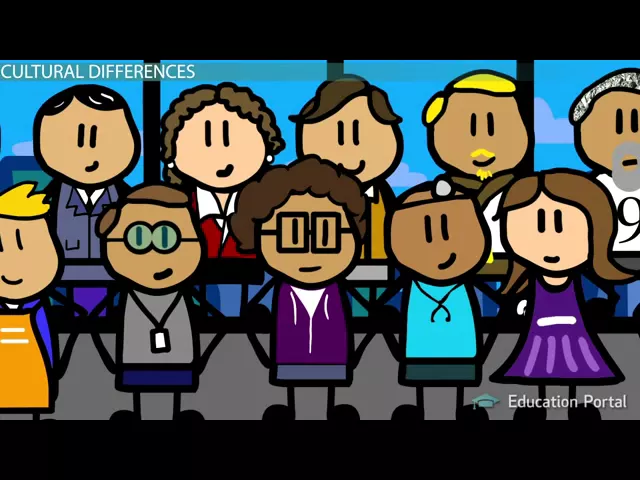
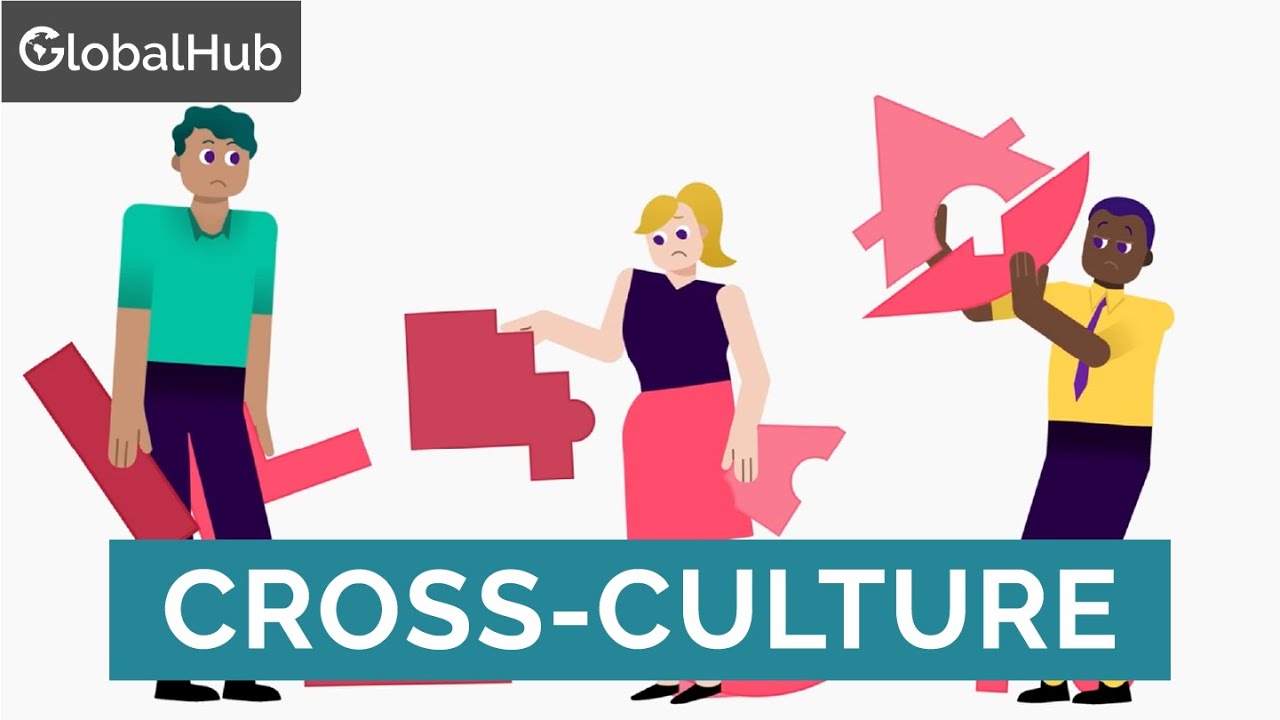
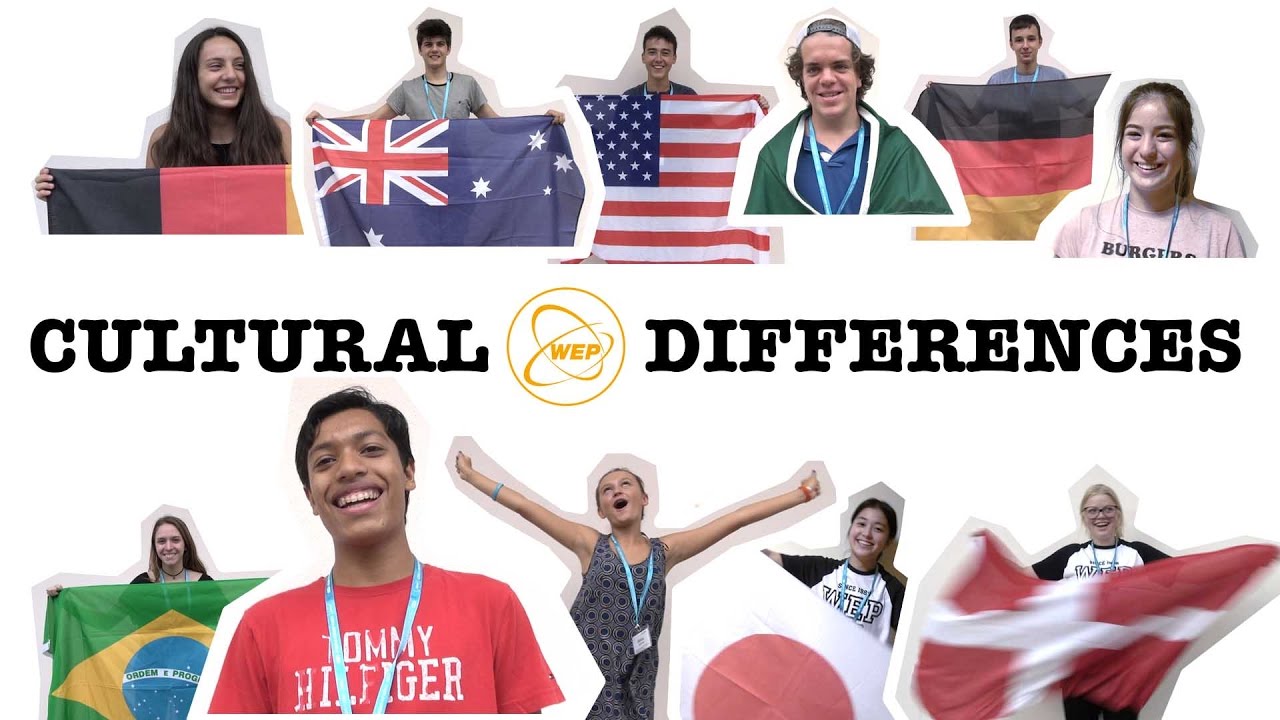
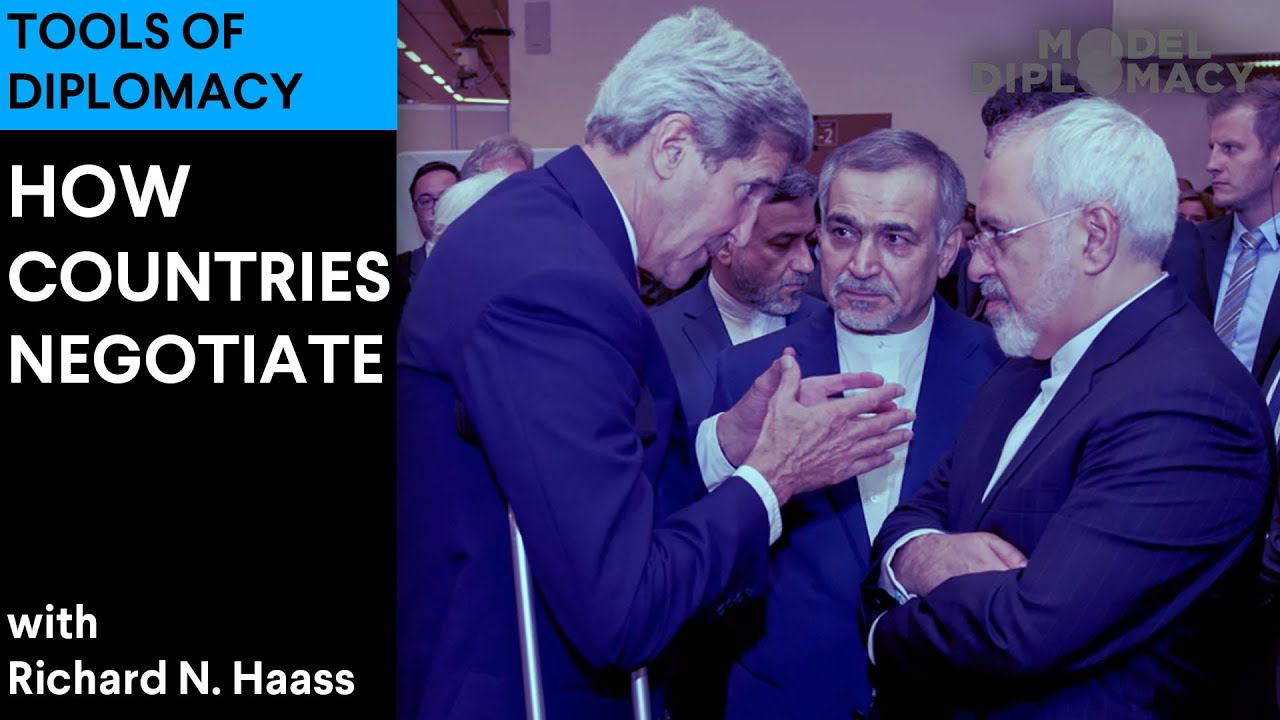
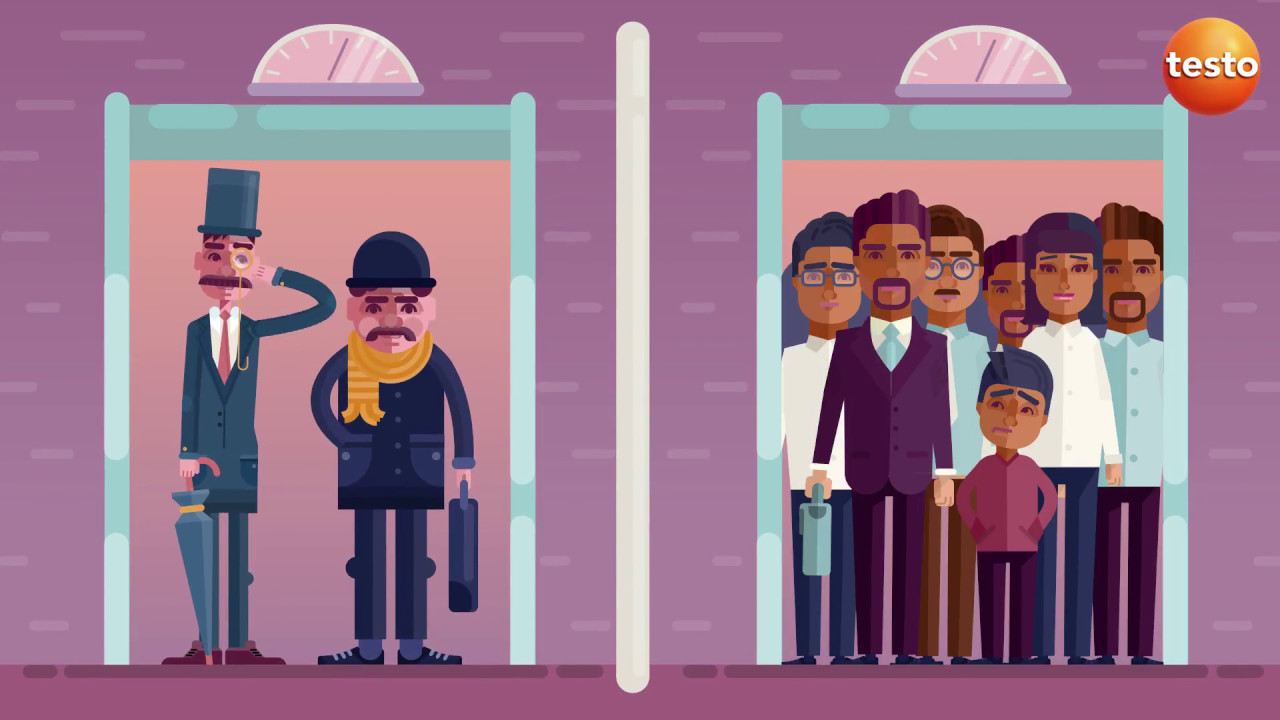
different people negotiate different ways an older gentleman might negotiate one way while a single mother of three might negotiate another way these differences are not only present here in the US but also when we negotiate with individuals from other countries culture influences how individuals negotiate and how they View and interpret the negotiation process if we understand that negotiations are conversations aimed at reaching an agreement and if we can also understand that differ cultures reach agreements in different ways then we have the basis of international negotiations that is to say how one culture may look at
the negotiation process totally different than another these differences can create conflict in the process there are several main areas where cultural differences impact negotiating the following are all differences that may arise during the negotiation process due to cultural differences desire for a long-term relationship or just a one-time deal preference to win negotiating or preference for a win-win negotiating informal or formal attitude direct or indirect communication style show emotion or hide emotions decisions made by the group or by the leader let's look at each of these points to get a better idea of how they can
affect negotiation first we can discuss whether the negotiating party is looking for just a one-hot type of business or long-term relationship while some markets might be looking for just a contract Spain for example members of other countries might be looking for a long-term relationship India for example next we have the win-win thought process of negotiations some cultures look at negotiating as a win-win type of process as the Japanese do but countries like Spain typically do not view the negotiation that way they prefer to win the negotiation and are not as concerned with the win-win proposition
personal style also plays a cultural part in negotiations specifically is a person more formal professional detailed structured and businesslike or informal more personable wanting to connect with the other party when it comes to negotiating as it relates negotiating the Germans are more formal where individuals from Mexico are more informal this formality helps guide how these two different cultures negotiate and in turn how you should negotiate with them tied somewhat to the aspects of formal or informal culture is the aspect of whether individuals in the culture communicate directly or directly an example of this is in
negotiations yes does not mean yes with the Japanese Yes means I understand and is very indirect means of communicating on the other hand the Israelis believe in very direct communication which can sometimes feel offputting to those do not understand this cultural difference there are many other aspects that can affect negotiations such as if individuals in the culture typically hide how they're feeling like the Japanese or do they show their feelings right away like much of the the Latin culture there's always the concept of how group decisions making is handled do they make a decision as
a group or does one person in the group make the decision many Asian cultures stress team consensus before a decision can be made and typically in the US we're looking for the group leader to make the decision all the aspects that were just explained influence how negotiations are going to take place each country unless they are well educated in the negotiation position of other countries will enter a negotiation from the perspective of what they are most comfortable with mainly how they negotiate in their home country do we not as Americans enter into negotiations thinking how
everyone in the negotiation should act as we have seen here that is not the case and different cultures will negotiate in different ways or we could say from different perspectives and unless a person understands these cultural nuances they can perceive these nuances as being rude time wasting or even disrespectful negotiating is an art no matter what country you're in weaving your way through a negotiation so you can obtain what you want or need is a skill unto itself thus it makes sense that understanding cultural aspects of negotiating can make you a stronger negotiator as the
world gets smaller and the organizations become more diverse it is not just the international traveler that has to be aware of these cultural issues indeed for anyone to be truly skilled negotiator they have to know the person they are negotiating with which includes the cultural aspect remember when dealing with with culture and negotiations and potential conflict there are several main areas that are present desire for a long-term relationship or just a one-time deal preference to win negotiating or preference for a win-win situation informal or formal attitude direct or indirect communication style show emotion or hide
emotions and finally decisions made by the group or by a leader