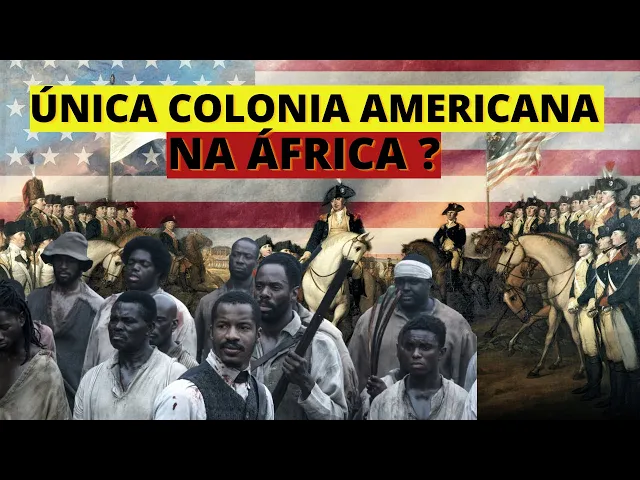
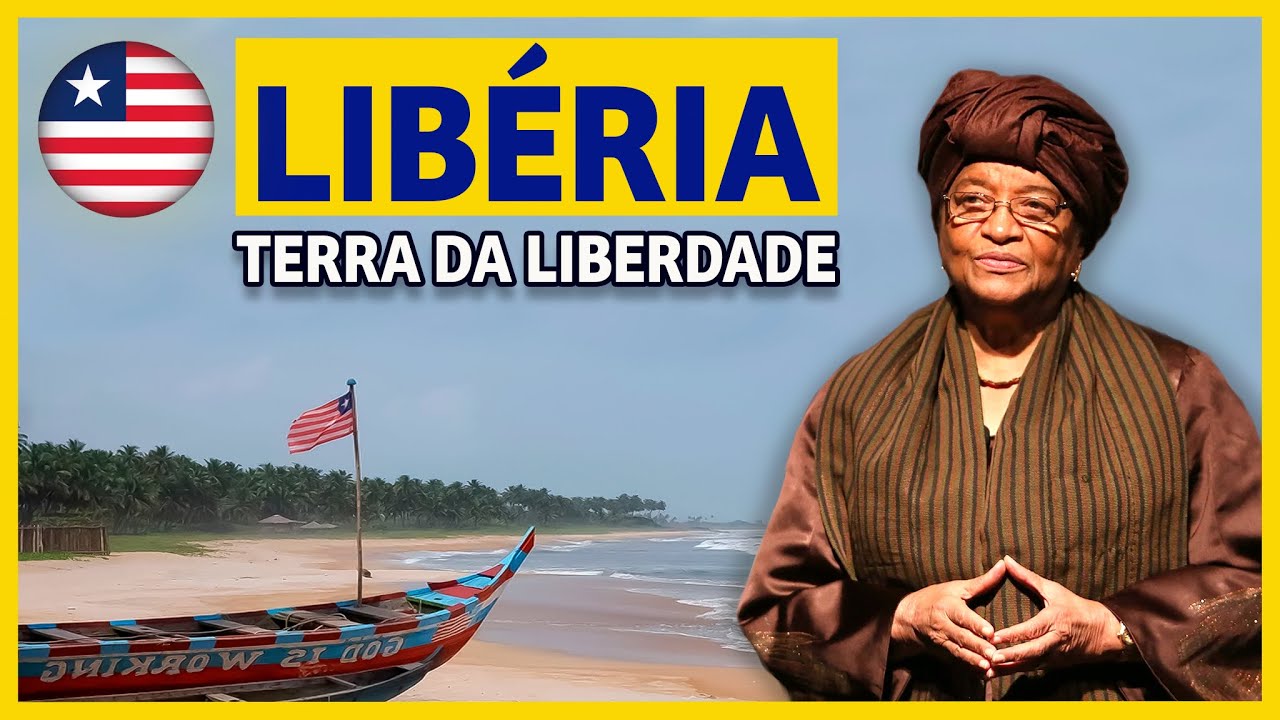
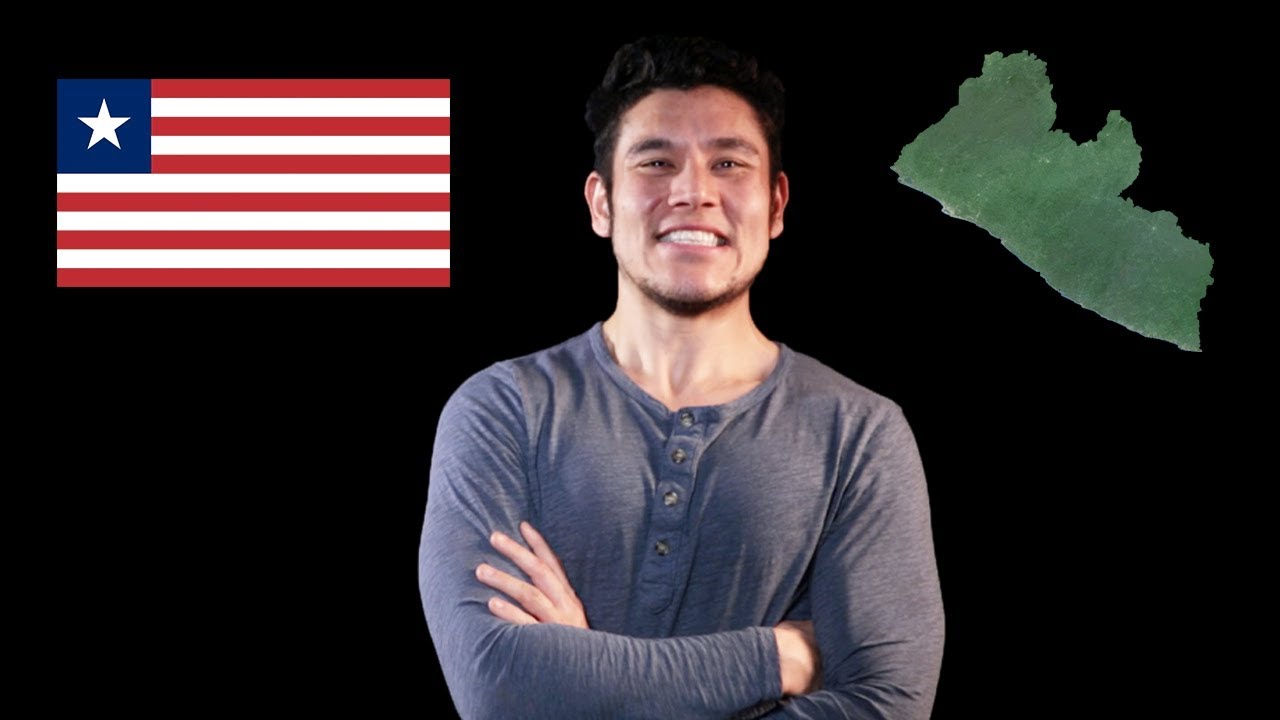
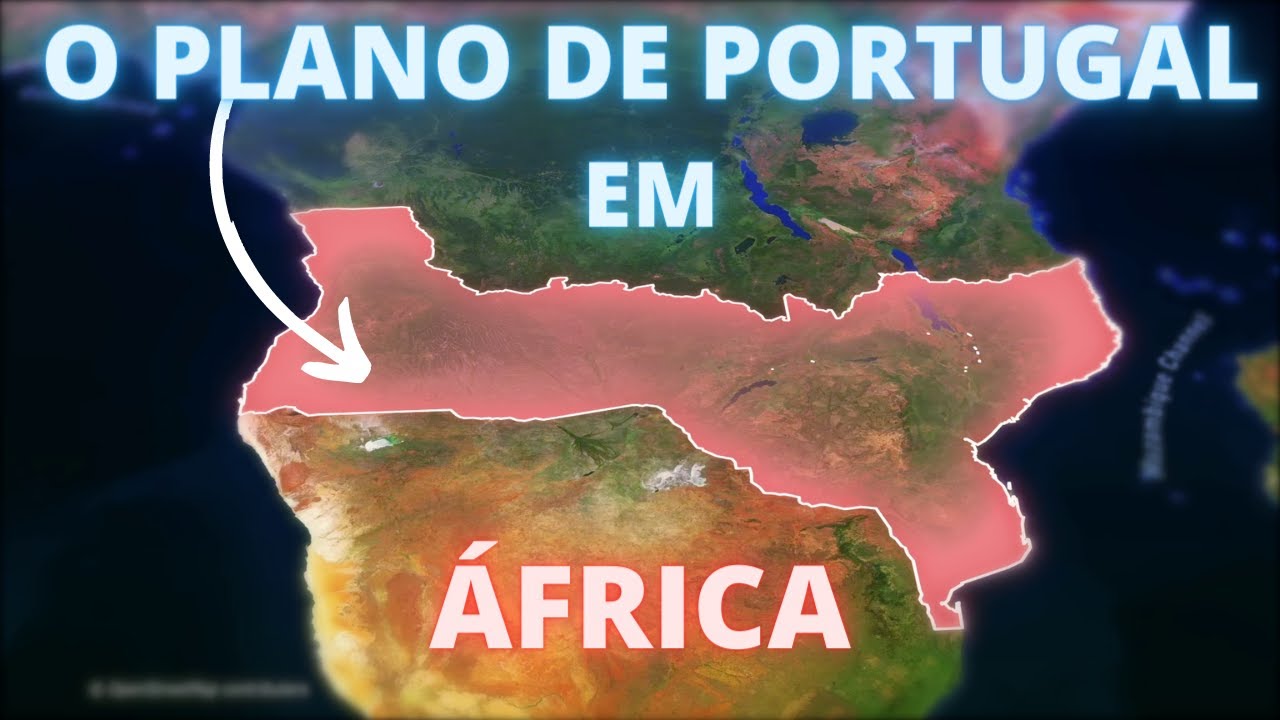
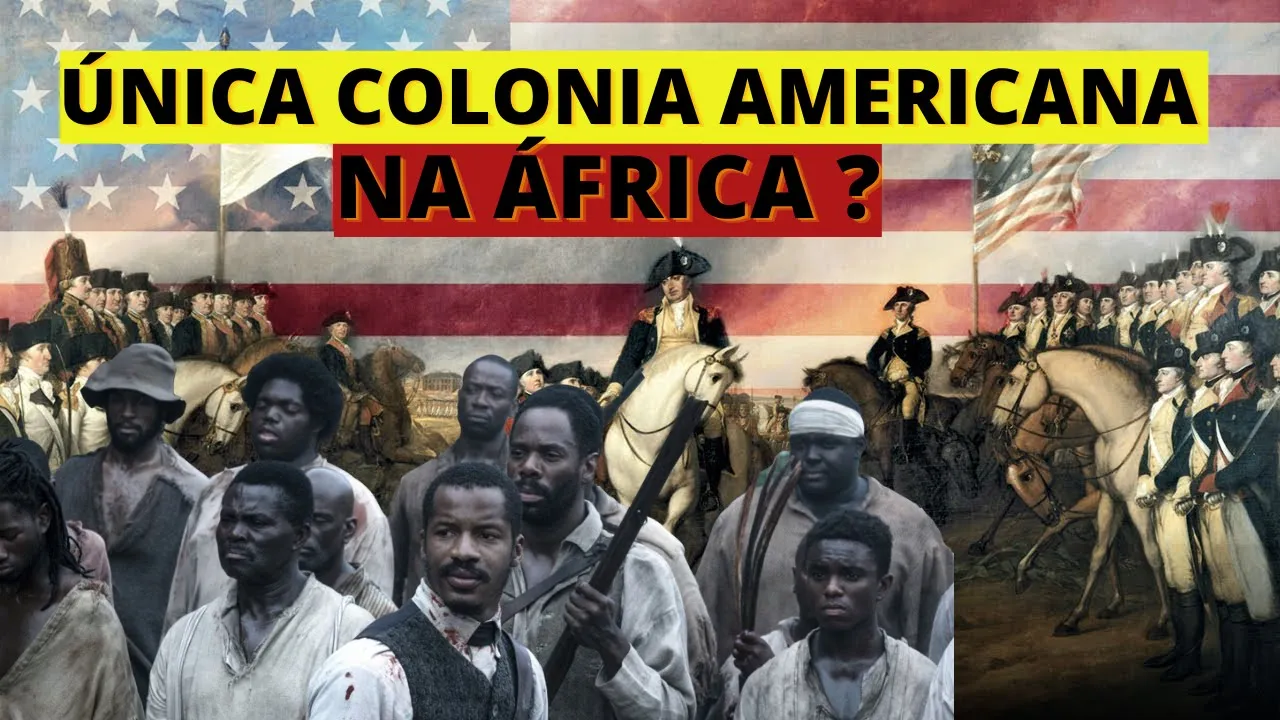
Since the Berlin conference of 1884 that marked the European collaboration in the division territory of Africa. until 1914 90% of Africa was controlled by European countries only two countries remained independent Liberia and Ethiopia A Ethiopia's history is quite simple they fought for freedom. now Liberia despite never being a European colony, Liberia was still a product of colonialism deeply connected to the United States.
So why was Liberia never colonized? The truth about Liberia not being colonized is not so simple it is a story of injustice, slavery, American elite minority interests , geopolitics, and imperialism American. And the strangest reason of all was the fear of interracial relationships.
So for context let's go back to 1619 when the first people enslaved arrived here in Virginia in the United States some people were against the issue of slavery. . .
when I say some people were like very few! Years later in the 1680s the slave trade to the mid-Atlantic colonies increased substantially, and by 1710 the African population in Virginia had increased to the United States. States has become a conglomeration of many different peoples from different regions of Africa, at the same time, the first abolitionist movements against the international slave trade, and in 1750 the movements gained some including some slave owners, mainly in the Upper South, here in this region they began to free their slaves, and philanthropists and Charitable groups bought and freed slaves.
At that time in the 1750s, a gentleman also appeared who campaigned against trade slave master Thomas Jefferson, ok, try to remember this gentleman why are we going talk about him further on because he is also an important part of this story So these abolition movements against slavery alone were not enough the campaigns were not large. 15 years later with the start of the war of independence of the United States against the British Crown between 1765 and 1775 American revolutionaries wanted support to increase their army so they started offering freedom to slaves to fight on their side against the British Crown, so many slaves fled and joined the war with the hope of becoming free it is estimated that the American army was about quarter black Approximately 20,000 slaves fought in the American Revolution. Remember this Mr Thomas Jefferson?
During the American Revolution, Jefferson represented Virginia in Congress and more later he was the main author of the Declaration of Independence. United States of America became an independent nation in July 1776. The blacks who fought during the Revolution and who had been promised freedom became free.
. . No!
They did not immediately become free and we have to agree that the offer of freedom was designed primarily for reasons and interests of American rebels who wanted to increase his army, and not for moral reasons such as humanitarianism. However, with the United States Independent Jefferson continued to campaign against the slave trade and demanded immediate measures to free other slaves In the first two decades both in government of George Washington and his successor John Adams little was done for the abolition of slavery and in 1800 Thomas Jefferson assumed the presidency, and made state legislatures and individuals take steps to free slaves. By 1804, all the Northern states had passed laws banning slavery, three Years Later In 1807, Congress acted on the advice of the President Jefferson and made the importation of slaves from abroad a federal crime.
And where slavery was more widespread, laws were passed later and slavery it was gradually abolished at the end of the 18th century in all states. Though slower than usually imagined Former slaves and other free blacks suffered social discrimination and they were for many considered non-citizens and were also unwanted despite the fact that they worked much and received little the native whites said that they were taking jobs from the white. What is not true.
. . Therefore, some abolitionists, such as Thomas Jefferson himself, were among those who proposed to relocate free blacks to Africa, The question is why so many Americans natives wanted blacks to return to their continent of origin?
In fact, it wasn't just for work but for the growing number of relationships interracial! funny thing is that President Jefferson himself was a bastard, he had a relationship with a 14-year -old black woman Sally Hemings, an enslaved woman, Jefferson had at least six children with Hemings. now I wonder if he would have also relocated Miss Hemings.
. . not Miss Hemings!
will be? Hmm, I don't think so! So some real abolitionists including blacks like shipbuilder Paul Cuffe , believed that blacks should return to establish a thriving colony in Africa", based on trade.
And in 1811, Cuffe founded the Friendly Society of Sierra Leone, a group designed to encourage blacks to go back and found African nations" Cuffee hoped to send at least one ship a year to Africa with ex- enslaved people. Rich African-American shipowner Paul Cuffe transported 38 black Americans to Freetown in the Sierra Lioness in 1816 at her own expense. Unfortunately a year later he died in 1817, as the saying goes, People and the world change by their example and not by their opinion So Cuffe's private initiative helped to arouse public interest in the idea.
. . And it was Cuffe who inspired Robert Finley, among others, to create American Colonization Society or ACS an American organization dedicated to the transportation of free blacks and Emancipated slaves to Africa founded in 1816.
The organization's support came from philanthropists, some churches, and the federal government provided some initial funding. With the view that free blacks should be repatriated, several attempts to send enslaved people failed. In 1821, the ACS managed to establish itself in these lands on the coast of West Africa where no another European power had still claimed, but there were also other proposals about where to send emancipated slaves, such as to the Caribbean islands or America Central.
Then, after protracted tender negotiations, the organization acquired the area from Cabo Mesurado, which is located here in the current Monrovia capital of Liberia. Over time Monrovia became the largest settlement and was named in honor of to the President of the United States, at the time James Monroe, who supported the ACS in the decades following. Monroe also wanted to gain political influence in Liberia but relations began to deteriorate over time.
Since Liberia was still in formation , the population depended on the money that the organizations were receiving from donors. This, over time, meant that organizations had to cut support for Liberia. Unable to pledge more funds to the colony in formation, the newly arrived black Americans began to form their own political identity and ethnic consciousness based on In individualism and classical liberalism, A class divide emerged among the people mainly by the color of the skin where the mestizos with European ancestry were the group of elite and emancipated blacks the majority poor It was remarkable an aristocratic class in training, rendering the founding organizations largely useless.
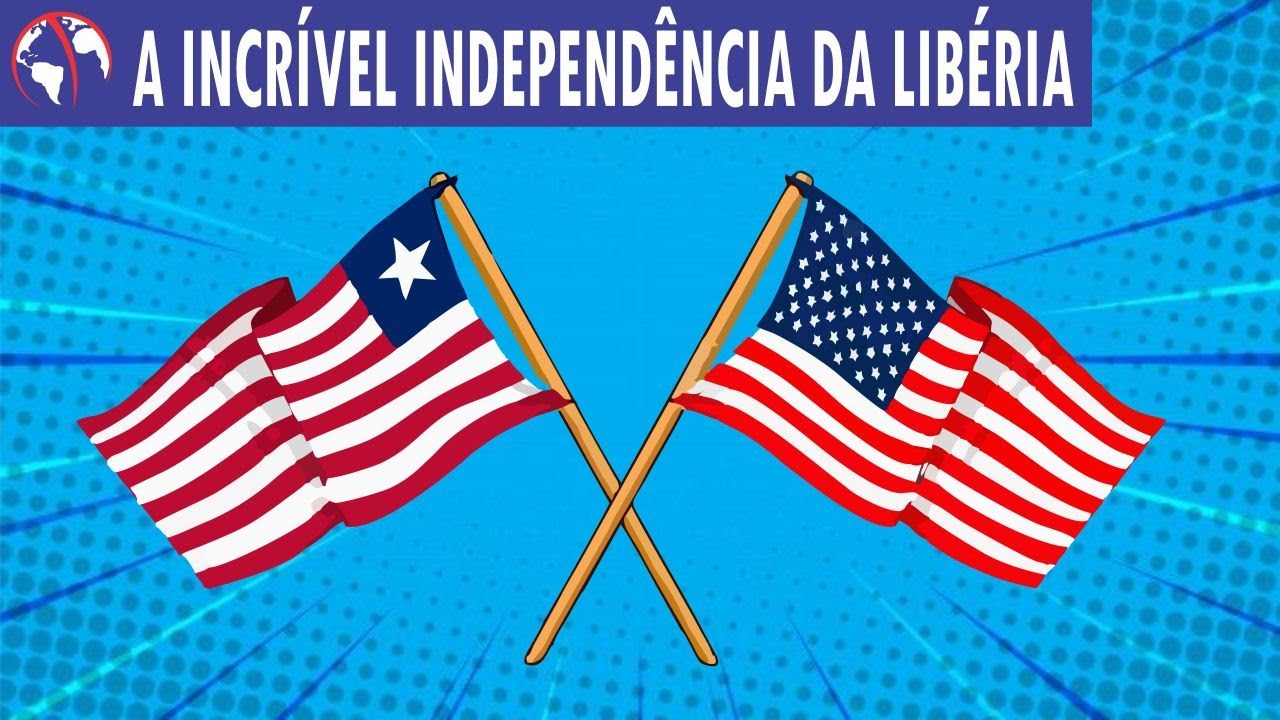
Because of the inability to produce more aid, Liberia was asked by the organizations to declare its independence, and did so in 1847 On July 26, 1847, Liberia's Declaration of Independence established the free and independent Republic of Liberia. Joseph Jenkins Roberts, was named the first president of Liberia. Since then, the Republic of Liberia has instituted a government inspired by the United States, including Liberia's flag looks like the US flag.
. . It took several years for other nations to recognize Liberia's independence, especially Great Britain recognized it in 1848 and France in 1852.
Liberia maintained its independence during the dispute over Africa by colonial powers European countries during the late 19th century, while remaining within the American sphere of influence. Liberia today still conveys many of the ideologies and principles on which America was founded so again I have to ask you do you think America had a colony in Africa?