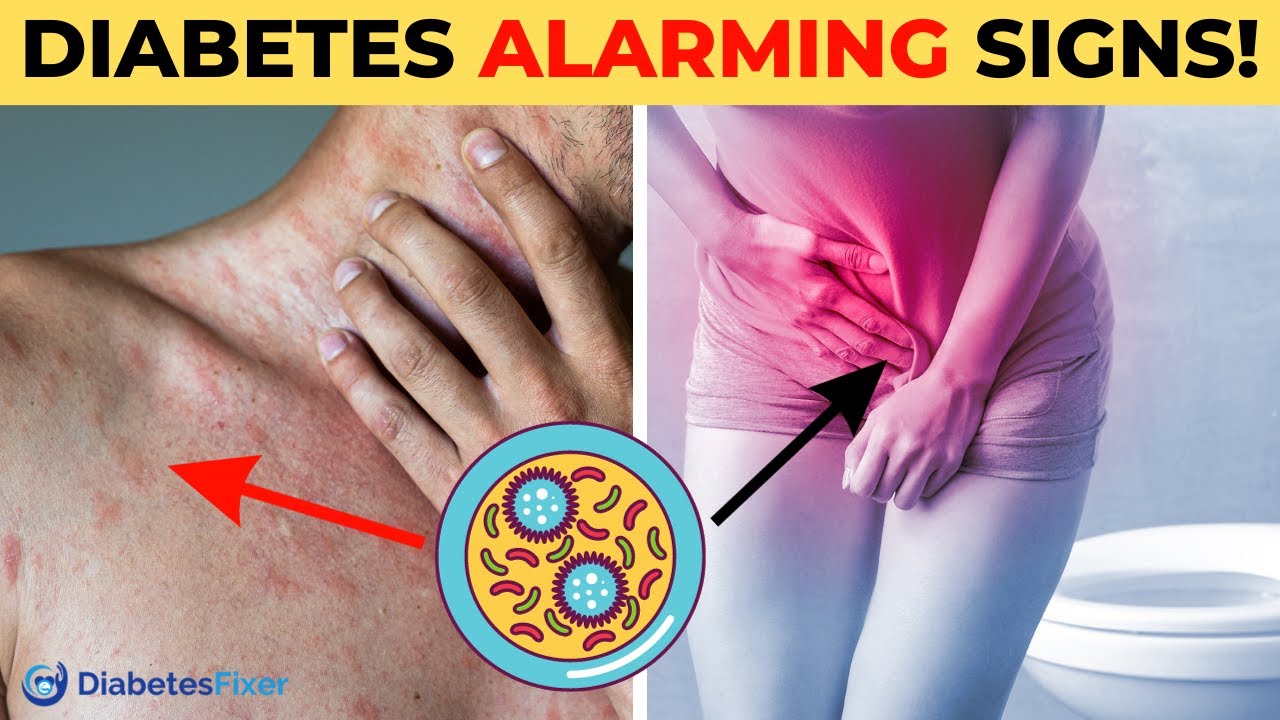
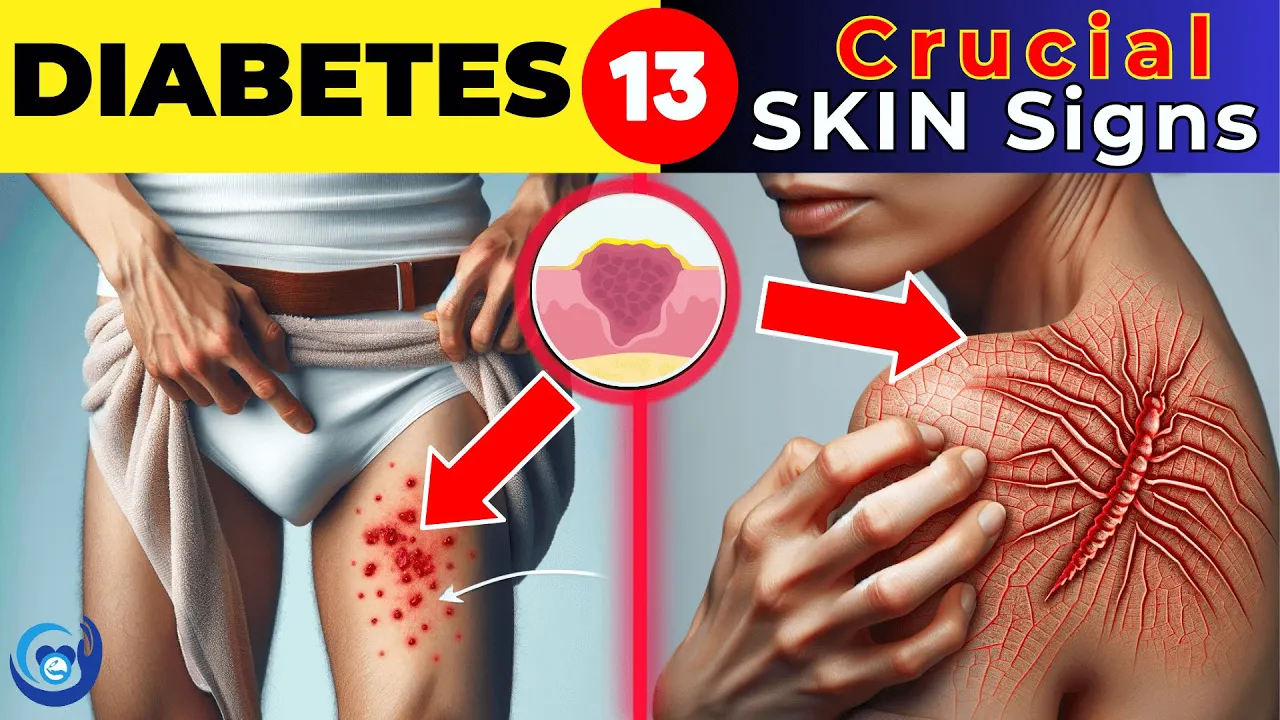
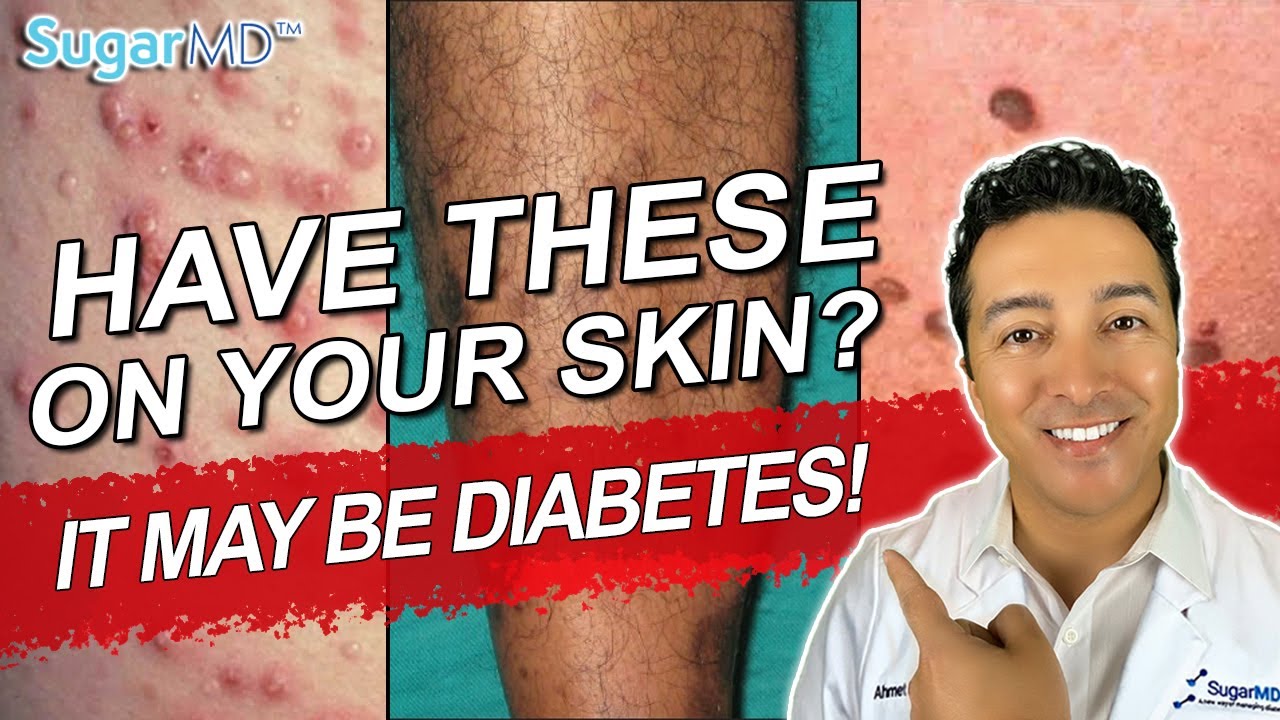
today we'll be delving deep into 1 surprising and common skin indicators of diabetes did you know that a staggering 25% of people with diabetes discover their condition because of skin related problems that equates to a quarter of all cases brought to light through the narratives our skin provides as our body's protective shield the skin often reveals the first warning signs of underlying health challenges those subtle skin changes you've been dismissing could very well be your body alerting you to fluctuating blood sugar levels indeed every rash or seemingly insignificant skin tag might be hending at a
chapter in the intricate tale of your overall health before we dive in could you take a moment to hit that like button also ensure you're subscribed to diabetes fixer for valuable insights on Diabetes don't forget to click the notification Bell so you never miss an update from us and here's a little teaser stay with us until the end end and discover how to claim two exclusive free gifts have you ever wondered why certain wounds on your body take an unusually long time to heal even with meticulous care and those dark velvety patches appearing in your
body folds could they be hitting at more than just skin discoloration dive into this video with us as we unravel the Mysteries Behind these symptoms and shed light on what they truly signify about your health don't miss out your skin might be telling a story you need to here at number 13 eruptive zenil mosis this relatively rare skin condition is linked to individuals with poorly controlled diabetes distinctive by its raised bumps these lesions usually emerge in areas like the buttocks upper thighs ins sides of the elbows and behind the knees they might also appear on
the arms legs and shoulders these bumps often have a reddish periphery with a central yellow Hue and can be itchy according to a study published in the journal of clinical and aesthetic Dermatology eruptive xanthomatosis is closely associated with hyperglyceridemia which can be exacerbated by uncontrolled diabetes while these lesions themselves are not harmful their occurrence can be a sign that your diabetes management needs attention seeking advice from a health care professional can guide towards topical treatments to manage symptoms and underline the importance of diligent Diabetes Care spotting number 12 dry and itchy skin persistent skin dryness
and recurrent itching might be indicative of more than just Dermatological concerns elevated glycemic levels have a propensity to extract crucial fluids from the body culminating in skin desiccation moreover excess cellular glucose can potentially inhibit the body's sebaceous functions precipitating the emergence of flaky putic skin regions if you've been confronted with these Dermatological symptoms and hypothesis size a correlation to diabetes it's imperative to engage with a health care specialist they'll undertake a comprehensive glucose evaluation to determine any potential diabetic interplay for individuals already diagnosed with diabetes or on the cusp of pre-diabetes consider the following skincare
regimen number one ensure rigorous glycemic regulation to maintain optimal bodily fluid balance number two favor tepid showers or baths excessive thermal exposure can compromise epidermal lipid layers number three post ablution it's advisable to apply a moisturizing agent promptly aiding in hydration retention number four regular hydration is Paramount consume adquate water to offset potential fluid deficits associated with hypoglycemia and number five periodically conduct a diligent skin Examination for early signs of complications such as aemma or Ed let's proceed to number 11 necrobiosis lipoa necrobiosis lipoa is a skin issue link to both types of diabetes it
happens when there's a change in our Skin's collagen causing the blood vessel walls to become thicker sometimes this might be the first hint that someone has diabetes so if you see signs of it and haven't been tested for diabetes it's a good idea to do so it's also worth noting that those with celiac disease might have a higher chance of getting this condition at first necrobiosis lipoidica might show up as small skin bumps the skin can turn shades of yellow or brown and it might feel different becoming thicker or even gaining a shiny appearance you
might also spot tiny colorful blood vessels beneath the skin surface this skin issue tends to come and go in stages when it's active the affected skin area might become sore or irritated while it's not typically severe there there are times when complications can arise for example there's a chance of infection although it's rare if you see any unusual changes in your Skin's look or feel it's crucial to consult your doctor they can help identify if it's necrobiosis lipoa and advise on ways to manage and treat the symptoms number 10 skin tags skin tags medically known
as ACR cordin are small benign growths that can appear on different parts of the body according to a study published in the Indian Journal of Dermatology there is a significant association between skin tags and diabetes melodus these formations can resemble pale moles or darkened dots either raised or flat individuals with diabetes tend to have a higher incidence of skin tags possibly due to elevated blood sugar levels or increased insulin while skin tags themselves aren't harmful it's crucial to monitor them should you notice a surge in their their appearance it's recommended to see a doctor as
they might indicate shifts in your health or other underlying conditions at number nine digital sclerosis digital sclerosis manifests as thickened taut and fissured skin prominently on the hands and feet this condition can lead to Joint stiffness hindering activities like writing or simple hand movements as it progresses this thickened skin can extend up the arms legs and even the back in severe cases joint flexibility especially in areas like the elbows becomes noticeably limited this condition not only affects physical well-being but can also diminish one's overall quality of life though the root cause remains uncertain individuals with
a long history of diabetes seem more susceptible if you notice signs such as Skin tightness or joint rigidity it's crucial to seek medical advice promptly a combination of physical examinations and blood blood tests can help diagnose this condition depending on its intensity your doctor might suggest topical treatments physical therapy or both to alleviate symptoms taking the number eight spot skin infections individuals with diabetes frequently encounter a heightened risk of skin infections elevated glucose levels in the blood can diminish the Skin's natural barriers making it prone to dryness and subsequent cracks a study from the American
Diabetes Association highlighted that high blood sugar levels compromise the Skin's natural defenses increasing its vulnerability to bacterial and fungal Invaders as the Skin's defense diminishes it becomes a Gateway for these microorganisms manifesting as infections common signs include redness swelling small raised bumps flaky patches and sometimes even fluid filled blisters particularly susceptible areas are the spaces between toes around toenails and the scalp given the potential complications and the underlying connection to diabetes management it's crucial to seek medical attention for persistent skin changes the timely intervention not only addresses the skin concern but also underscores the importance
of optimal Diabetes Care number seven diabetic dermopathy diabetic dermopathy often referred to as Shin spots is one of the most common cutaneous manifestations of diabetes melodus a study in the Journal of the American Academy of Dermatology reported that nearly 55% of patients with diabetes exhibit signs of diabetic dermopathy at some point characterized by light brown scaly patches these marks predominantly appear on the legs and feet but can also be found on the thighs torso and arms although these patches are usually painless their presence might suggest suboptimal diabetes management regularly monitoring these patches for ch changes
is essential while the patches themselves are benign managing them with treatments like moisturizing creams or corticosteroid injections can help reduce potential inflammation and prevent them from worsening at number six santhy Asma sanil Asma refers to yellowish soft flat lipid Laden plaques that are often symmetrically situated on the upper and lower eyelids near the inner kthy their texture can be soft semi firm or calcified these plaques are essentially accumulations of cholesterol underneath the skin a study published in the Journal of diabetes and metabolic disorders has established a significant association between the presence of xanthelasma and diabetes
melodus suggesting that they can be a cutaneous marker of underlying insulin resistance or elevated blood sugar levels therefore If You observe these yellowish plaques on your eyelids it's not just a cosmetic concern but but a possible sign of diabetes and it would be prudent to consult with a health care professional familiar with diabetes care for further evaluation and guidance spotting the number five nail changes diabetes can usher in notable changes to one's Nails presenting symptoms like nail thickening discoloration and heightened susceptibility to fungal infections the elevated glucose levels in diabetics can compromise the immune system
making it challenging to ward off these fungal nail invasions onicomicosis is one such concern moreover diabetes might lead to unusually dense Nails possibly resulting from diminished nail blood circulation or even neuropathy which impacts the surrounding nail muscles and tissues distinctive nail color shifts from subtle yellow Hues to deeper Browns or even Stark black can also be observed such nail Transformations could be indicative of underlying diabetes making it crucial to consult a healthcare expert for a comprehensive assessment and subsequent guidance number four dark velvety skin patches or acanthosis nigricans one of the Hallmark skin manifestations in
individuals with insulin resistance often seen in diabetes or in those who are overweight is acanthosis nigricans this condition is characterized by dark velvety patches on the skin according to a study published in the American Academy of Derm ology these patches form due to an increase in insulin that stimulates skin cells to reproduce at an accelerated rate commonly these patches appear in areas of skin fold such as the armpits the back of the neck groin and elbows but they can also manifest elsewhere not just an external skin concern their presence often signals an excess of insulin
in the bloodstream serving as a potential red flag for conditions like pre-diabetes or or type 2 diabetes if one notices such distinctive skin changes it's imperative to seek medical consultation healthare providers can conduct necessary tests to evaluate blood sugar levels and determine the appropriate course of action for diabetes management it's essential to note that individuals who are overweight or have a family history of acanthosis nigricans are at a heightened risk emphasizing the importance of regular skin checkups for early detection and intervention next on our list at number three blistering or diabetic bully for some with
diabetes A peculiar condition called diabetic bully Mighty merge manifesting as sizable fluid filled blisters predominantly on the legs and feet these blisters are more prevalent among those who've been grappling with diabetes for an extended period the Genesis of these blisters is believed to be intertwined with neuropathy or nerve damage and compromised circulation in the impacted regions yet it's vital to discern that not every Blister in diabetic individuals is attributable to diabetic bully blisters can also surface due to external factors like physical friction or minor injuries and their frequency might be accentuated in diabetics due to
diminished sensation a strategic approach involving Vigilant blood sugar management and routine foot assessments can be pivotal and averting or addressing diabetic bully and associated skin concerns stemming from diabetes at number two diabetic rashes diabetes with its intricate web of symptoms can sometimes manifest on the skin as puzzling rashes these rashes though diverse in appearance often act as silent Heralds of fluctuating blood sugar levels they might surface as rened inflamed patches or even intricate patterns that itch or burn while these skin eruptions can be disconcerting they serve as crucial markers signaling the body's distressed response to
glucose imbalances recognizing and addressing these rashes promptly is Paramount not merely for the Skin's Health but as an indicator to delve into one's blood sugar management if such rashes make an appearance it's advisable to consult a medical professional their guidance Can Shed light on the underlying cause and if necessary steer the individual towards a refined diabetes management regimen claiming the top position at number one slow healing wounds the most concerning manifestation of diabetes is the prolonged healing time of wounds a study published in the journal of clinical and translational Endocrinology highlighted that high blood sugar
levels can lead to the deterioration of blood vessels thereby restricting optimal blood flow to wounded areas such restricted flow results in reduced supply of essential nutrients and oxygen crucial components for wound repair the challenge is further intensified by diabetic neuropathy a type of nerve damage prevalent in many diabetes patients this condition diminishes tactile Sensations leading individuals to overlook or underestimate minor injuries allowing them to progress into more severe wounds Additionally the immune system's efficiency is compromised due to diabetes slowing down the body's natural response to fend off infections elevated blood sugar levels can also become
a fertile ground for bacterial growth amplifying the risk of wound infections furthermore many diabetics grapple with vascular conditions like Peripheral arterial disease which affects nearly onethird of diabetics over 50 as per the American Diabetes Association and Venus insufficiency both conditions impede blood flow further hindering the wound healing trajectory to navigate these challenges it's crucial for individuals to work closely with healthc Care Professionals emphasis izing strict blood sugar management and thorough wound care proactive monitoring early detection and immediate intervention can make all the difference encountering slow healing wounds or any unusual skin modifications signals the need
for immediate attention to blood sugar control and overall diabetes management together we've delved into the intricate ways diabetes can present itself on our skin highlighting the need for kin observation and proactive steps as we wrap up this enlightening discussion we're genuinely interested in your personal experiences how do you navigate and manage the challenges of diabetes your insights might be the beacon someone needs so please share them in the comments stay connected with us by subscribing and activating notifications to ensure you don't miss out on vital content a token of our appreciation awaits you find your
two free amazing gifts in the description below at diabetes fixer our mission is clear here to equip you with research driven knowledge ensuring you're well-armed in your fight against diabetes we value your time and Trust until next time prioritize your health and well-being









![What are the symptoms of type 2 diabetes [Early Skin Signs]](https://img.youtube.com/vi/Xf1LpDDTcAU/maxresdefault.jpg)