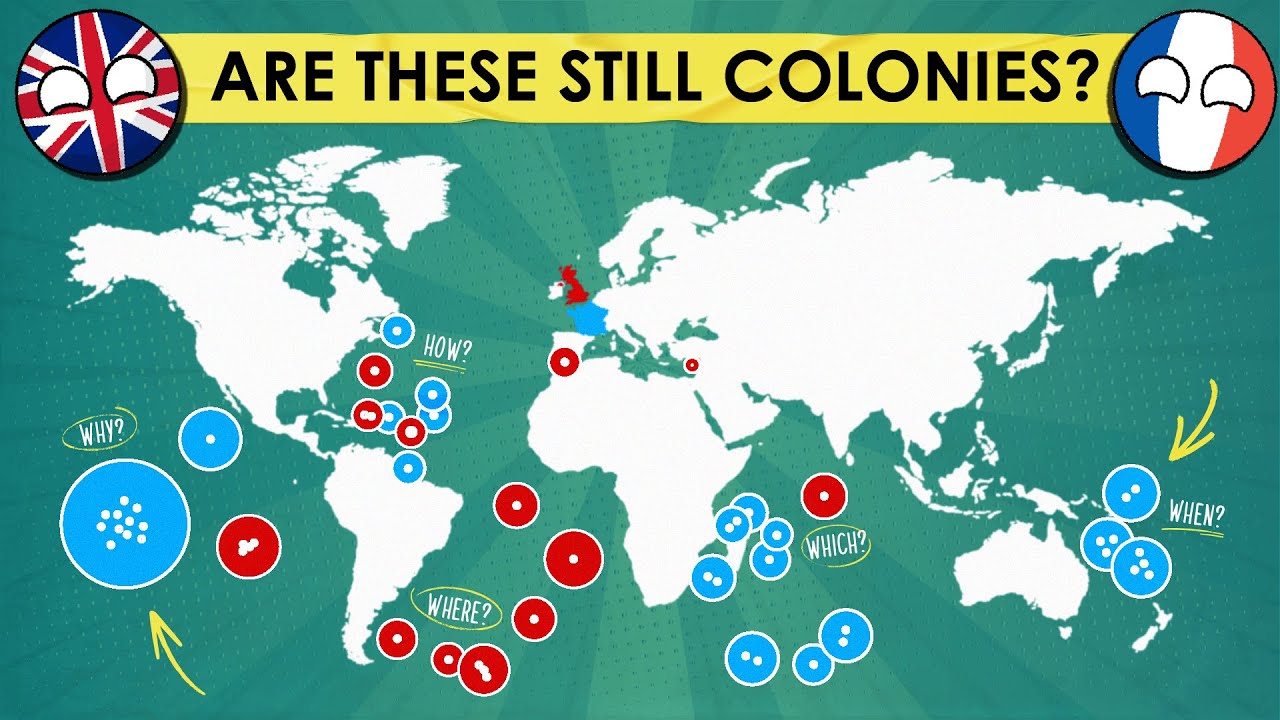
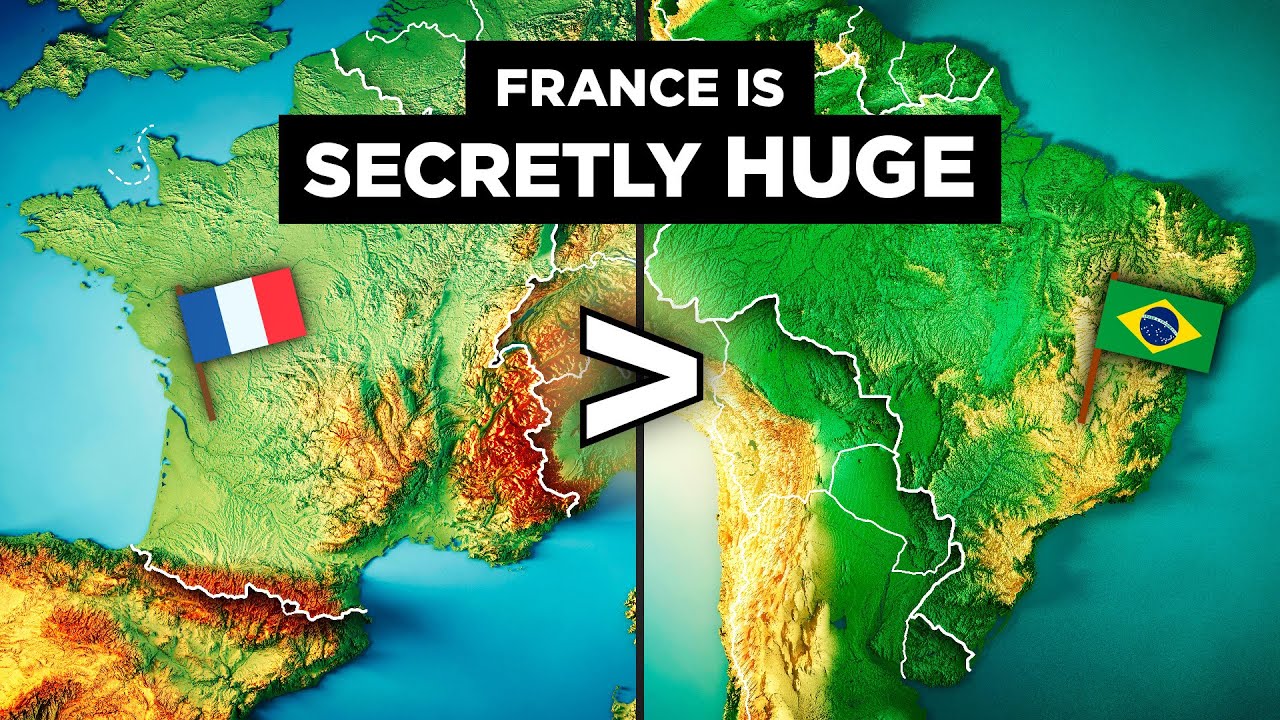
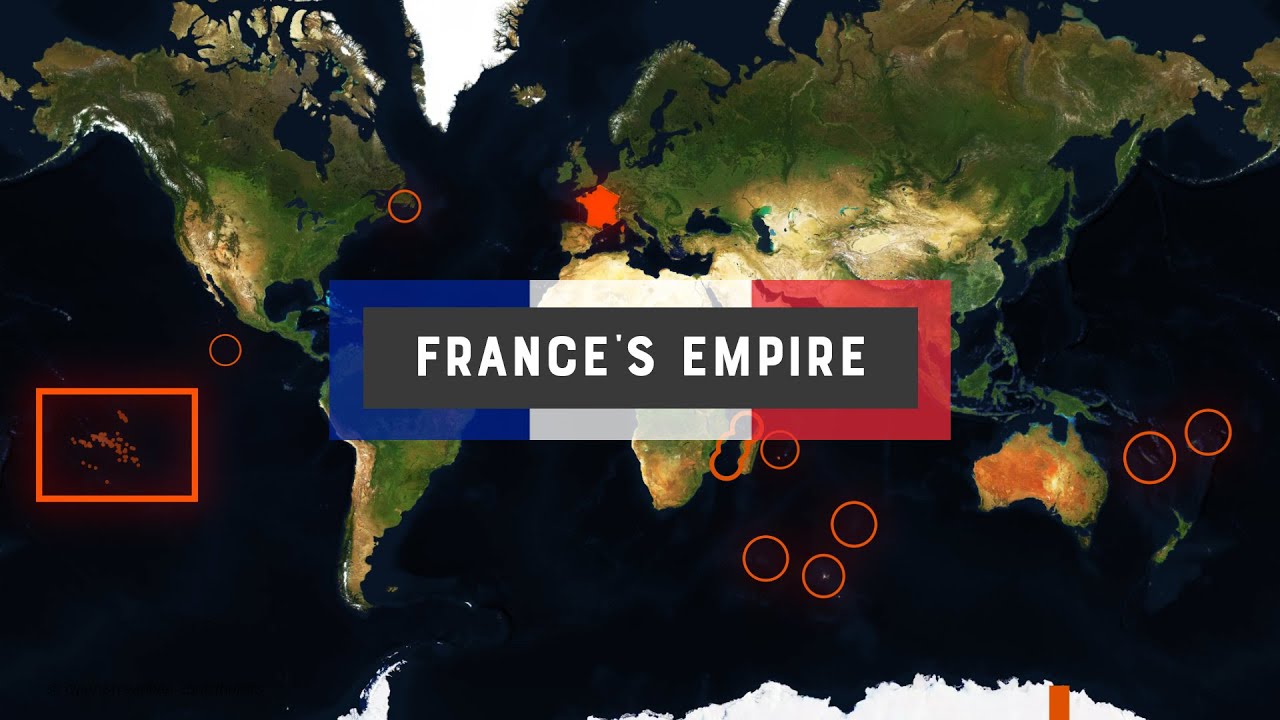
[Music] if you were asked to pick out France on a map you would most likely choose this area in Europe bounded by the Waters of the Atlantic Ocean the English Channel and the Mediterranean Sea as well as the land borders shared with Belgium Luxembourg Germany Switzerland Italy Spain and Andora you would also be right to point out the island of Corsica however this is not the only part of France that is separated from the mainland for the nation's territory actually extends far beyond the confines of Continental Europe from the far-flung Tropics of the Pacific to
the dense rainforests of South America and the storm batted coasts of Canada there are 13 islands and territories scattered across the globe that are collectively referred to as France D or overseas France with a combined population of over 2.8 million people these are the last Imperial vestages of France's once Mighty Colonial Empire in a period of little over 400 years the Zeal and daring of French explorers allowed the nation to exert its control and influence across many regions of the world stretching from the Rocky Mountains all the way to Tahiti but how did this Empire
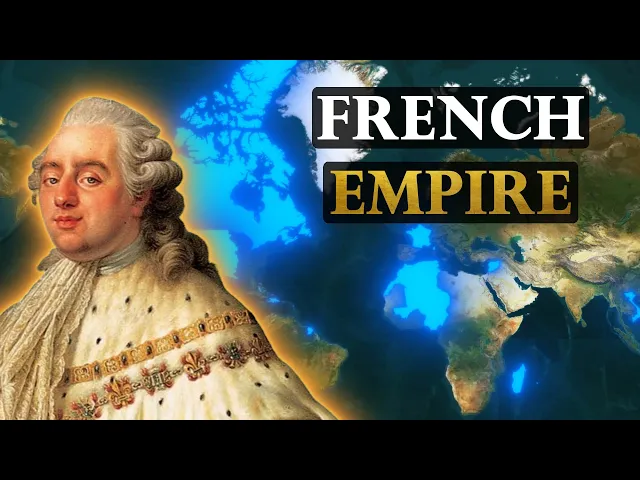
which at multiple times in history stood as the second largest in the world become reduced to only a handful of sparsely populated ated and isolated territories this is the history of the French [Music] Empire learning about history can be both a fascinating and enthralling journey of Discovery what's even more so is when you're able to uncover the past lives of your own family members and ancestors that may have been lost in the shrouds of time luckily you can now uncover the remarkable stories of your forbears for yourself thanks to our partnership with my Heritage you
don't need much to get started simply sign up for a 14-day free trial using the link in the video description and you can begin on a journey that will delve deep into your family's past a good place to begin is by entering the names and details of your parents and grandparents then thanks to the 19 plus billion historical documents available to search on my Heritage you can start to piece together your own family history from searching Census records birth marriage and death certificates immigration records and even newspapers from the time you can begin to build
out your family tree into the past within just a few minutes of entering details for ourselves we were given a prompt by my heritage's smart matches feature which found a long-lost relative who was a direct descendant of the great great grandfather of one of our team members we were then able to add over 31 new people into to their family tree thanks to the instant discoveries feature which match these records to those in other people's family trees helping us to expand our list of ancestors another great feature of my Heritage is the ability to upload
any old black and white photos you may have of relatives and bring them to life with color enhancements and even animations thanks to the power of AI so if you want to begin a historical journey of your own and delve deep into the past lives of your own family then sign up for a 14-day free trial with my Heritage by using the link in the description or scan the QR code on the screen who knows what you might uncover the kingdom of France at the beginning of the 16th century was one of if not the
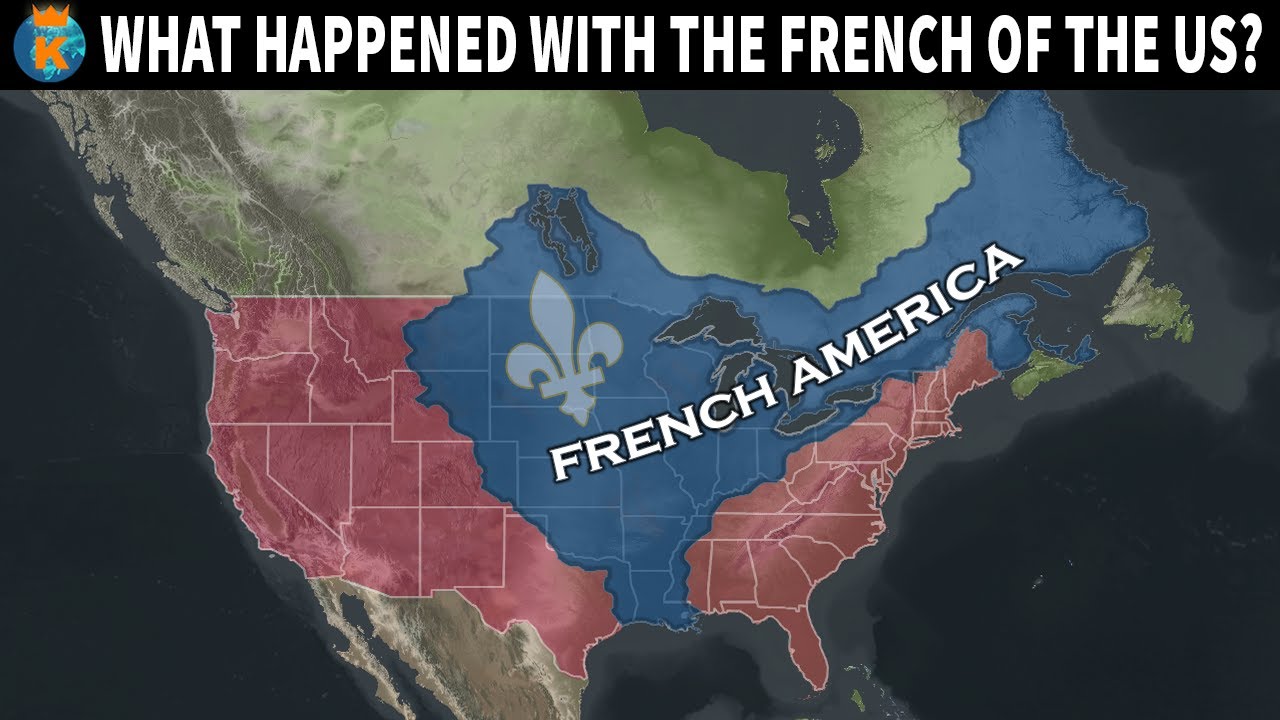
most powerful nations in Europe boasting a strong Army and a well-developed economy France stood fully pois to exploit the opportunities that had presented themselves with the recent discovery of the Americas despite this potential to become a colonial power however France's preliminary Expeditions failed to achieve anything of great significance the first of these Ventures was led by giovan Deano in 1524 which mapped much of the Atlantic coast of North America but failed to establish any settlements whatsoever in the process the second Expedition led by jacqu Cartier one decade later in 1534 saw the St Lawrence River
explored and mapped by Europeans for the first time although the surrounding territory was claimed and christened as New France the small Fort established by Cartier's subsequent expedition to the area in 1541 ultimately came to nothing as it had to be abandoned in less than 2 years France's subsequent colonization efforts during the 16th century fared little better for all the settlements were shortlived and ended in Failure Nicola Duron deil gon's Expedition to Brazil in 1555 did initially establish a settlement within the bounds of the modern day city of Rio De Janeiro France antarctique as the colony
became known attracted a large number of French Protestants called hugenots who were looking to escape persecution back home the colony however would only last for some 12 years before it was conquered by the Catholic Portuguese in 1567 further Hugo voyages to the new world were championed by Gaspar deol a prominent leader of the Protestants who was also the Admiral of France he envisaged establishing colonies as safe havens for his persecuted co-religionists who could look to escape the increasing sectarian tensions in the country which by 1562 had boiled over into outright conflict with the French Wars
of religion he therefore organized two expeditions to what is now the southeastern United States the first to be launched to what was then termed French Florida was led by Jean ribau in that same year but the small Fort that his crew were able to construct in South Carolina called Charles Fort was quickly abandoned within a year the second expedition was led by Rene gulen de lonier in 1564 and resulted in another fortification called Fort Caroline being built near what is now Jacksonville in Florida this too did not last long for it was annihilated by Spanish
forces in the following year of 1565 in the way of these persistent failings a lack of enthusiasm for Colonial Enterprise took hold in France combined with the country's ongoing religious Strife this forced the authorities to focus most of their attention on domestic matters for the remaining years of the 16th century it was only with the dawning of the 17th century that France began to pursue a more serious policy of colonization after it was realized that within their territorial claims of New France were a magnitude of exploited natural resources besides the vast quantities of fish in
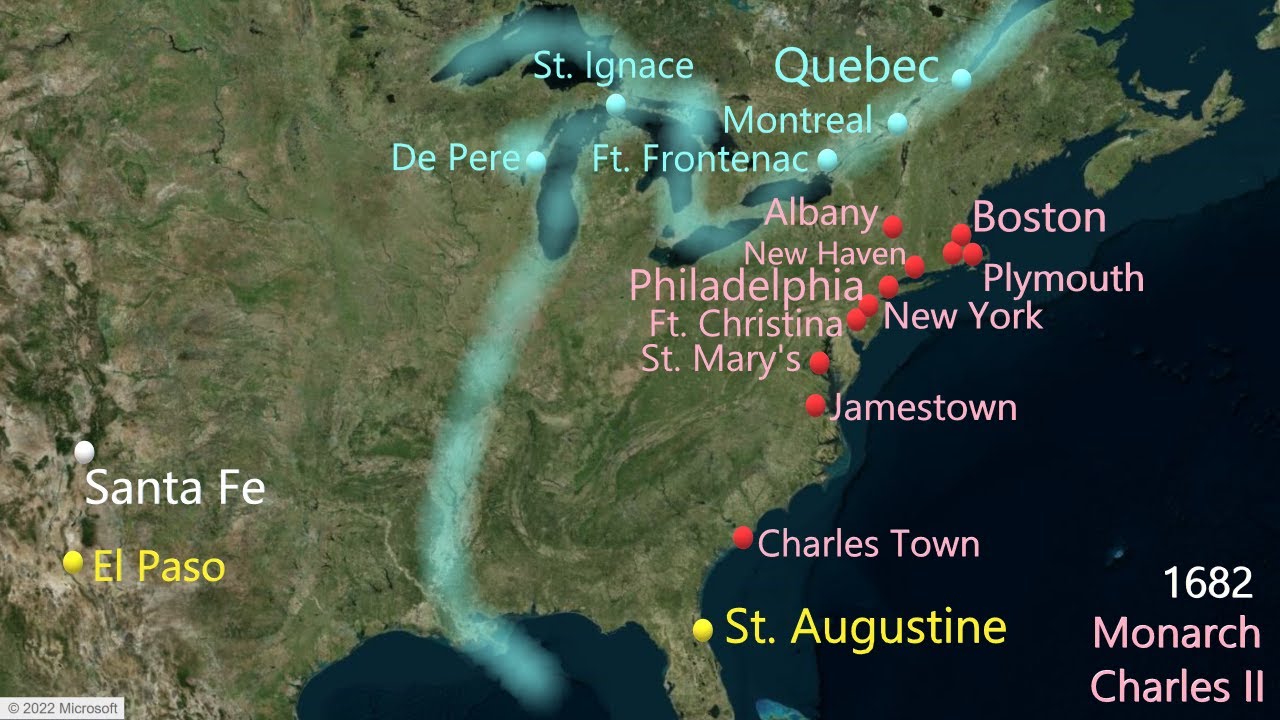
coastal Waters the interior of the territory was abundant in fur bearing animals especially the beaver which were extremely valuable to Traders back in Europe consequently the French Crown decided to establish trading posts in the region like that of tadousac in 1599 and Port Royale in Nova Scotia in 1605 further exploration and settlement of the St Lawrence River followed in the the early years of the 1600s with Samuel Des shampan founding the city of Quebec in 1608 before venturing further westwards into the Great Lakes region and establishing a French presence there through forging alliances with several
Native American tribes despite this progress however the colony of New France remained sparsely populated with European settlers and lacked development especially when compared to the English colonies situated on America's Eastern seaboard in response to this Cardinal risher The prominent adviser to King Louis the 13th founded the company of 100 Associates whose mission was to invest in new France's colonial projects promising land Parcels to settlers who could transform the territory into a thriving and prosperous Colony as a result new settlements quickly followed at Green Bay Tu rier and Montreal which were all founded between 1630 and
the early 1640s further development came in 1663 when New France was declared a royal Province by King Louis I 14th he also sent a regiment of troops to the colony in 1665 to bolster security and later in a direct effort to increase the Region's population he sponsored the passage of young single women to the territory who could then marry the colonial settlers between 1663 and 1672 some 800 women known to history as the King's Daughters traveled to New France and helped to raise the population from 3,200 to 6,700 within the same period although these governmental
efforts brought progress much of new France's real expansion was owed to the Ambitions of the fur traders who were continuously venturing further and further Westward to seek out new sources of wealth to underpin the colony's success in 1673 an expedition led by Lou Joliet and jacqu Marquette began to Traverse the Mississippi River they reached as far as the mouth of the Arkansas River before turning back Having learned that the Great River ran towards the Gulf of Mexico and not towards the Pacific Ocean as they had presumed this feat was followed in 1682 by the expedition
of Renee Rober Cavalier and the Italian HRI detonti who traversed the entire length of the Mississippi to its Delta where they then planted a cross and a column to proclaim the whole area was now a possession of King Louis I 14th French Colonial activity was by no means limited to North America as like many European powers of the time it sought to exert its influence on a truly global scale its presence in the Caribbean began in 1625 when Pierre Bandz nuk landed on St Kitz and agreed to share the island with a small group of
English settlers who had arrived at the same time he returned to France the following year and together with Cardinal risher organized the formation of a trading company that would eventually establish further French settlements across the Caribbean by 1664 France had secured possession of the islands of guadaloop martinque Dominica Granada Marie Galant s barteli s qua St Lucia St Martin St Vincent and Tobago as well as some partial control over the Western half of Hispanola where French Buccaneers had carved out a semi-independent colony called sandang French Traders and explorers also ventured along the northern Coastline of
South America during the early 17th century however the threats posed by the Dutch and the Portuguese in the region had prevented any settlements from taking hold the French were eventually able to carve out a territory of their own just north of the equator with what would eventually become French Guana and its capital Cayenne being founded in 1643 in addition to sending their own settlers across the Atlantic to populate the colonies of the new world France participated in the transatlantic slave trade like many of its European contemporaries countless enslaved Africans were brought in to work as
laborers primarily on the sugar plantations of the Caribbean to support this practice they also established a handful of colonies and trading posts on the West African Coastline with a presence in senagal being founded around 1626 similarly France also gained influence around the Indian Ocean with Madagascar and the mascarene islands seeing settlements by the mid 1640s the real prize in World Trade however came in the form of establishing trade routes to Asia which was home to the richest markets in the world the English Dutch and Portuguese had already pioneered lucrative connections to the likes of India
and Indonesia through the formation of their own respective East India companies not wanting to be outdone King Henry IV established France's equivalent in 16004 however its initial Expeditions paled in comparison to their European counterparts for much of the early 17th century they did nevertheless establish fortified trading posts on the Indian subcontinent with Shanda nagore and PES sherei being founded in 1673 and 1674 respectively as the 1600s Drew to a close France had carved out an Empire stretching from the mountains in the West to the Bay of Bengal in the East however the following Century would
see much of this progress undone owing to a series of conflicts with France's age-old enemy Britain the first of these hostilities to break out was the war of the Spanish succession in 1701 although it was primarily fought in Europe some action did take place in the Americas and by its conclusion in 1714 newfinland the Hudson Bay Region and Acadia part of modern day Nova Scotia had been seeded to Britain who also gained permanent control of St kits in the Caribbean a little over 30 years later the war of the Austrian succession broke out which again
saw fighting in Europe and North America but also in India where the interests of the two Colonial Powers collided the end result by 1748 was largely inconclusive with what little gains either side had made being returned to their previous owners this left many simmering tensions between France and Britain particularly where their colonies bordered one another in North America and India which both saw a continuation of smallscale fighting for many years after the conflict had officially ended one such episode took place in 1754 where in the Backwoods of Pennsylvania a small company of British American troops
under the command of a young leftenant Colonel named George Washington engaged a party of French Canadian soldiers who they believed were encroaching on their territory this small Skirmish snowballed into a wider Colonial conflict and eventually culminated in the outbreak of the Seven Years War which was fought not only in America but also across Europe Asia and Africa despite some initial French successes Britain gained the upper hand in the later stages of the conflict and practically drove the French out of North America entirely by conquering New France as well as most of their Caribbean islands France
also saw its influence on the Indian subcontinent greatly diminished which all in all brought to an end what has been termed the first French Colonial Empire by 1763 although France did retain some colonies the misfortunes for its Empire continued into the last decade of the 18th century which were compounded by the outbreak of the French Revolution in 1789 sandang the richest and most important of France's colonies was ruptured by a massive slave revolt in 1991 and despite its repeated efforts to retake the colony France was forced to capitulate and formally recognize the newly formed an
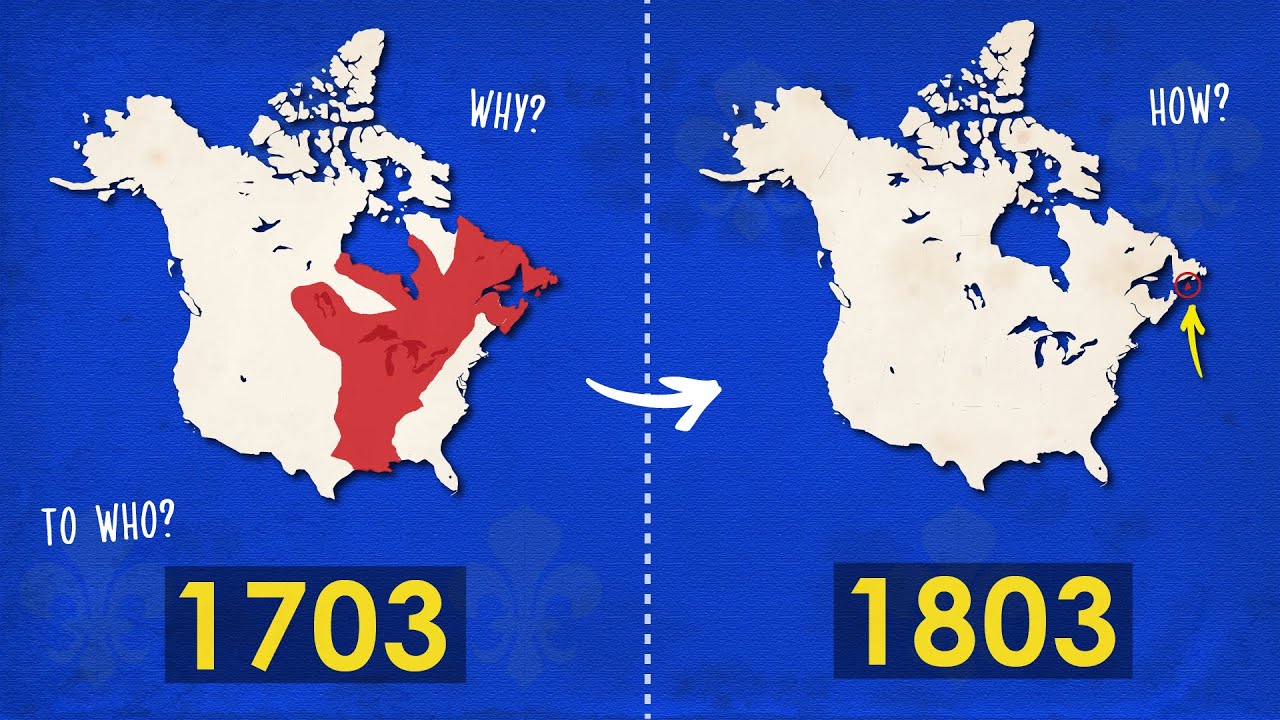
independent nation of Haiti in 1804 meanwhile in North America France had managed to secretly negotiate the recovery of the Louisiana Territory that it had lost in the aftermath of the Seven Years War Spain had ultimately taken possession of the region and agreed to exchange it for some parts of Italy that were under French control in 1800 however Napoleon bonapart who was on his Ascent to becoming the emperor of France saw little value in the territory and agreed to sell it to the United States for a sum of $15 million in 1803 this injection of cash
into the French treasury could not have come at a better time as the Napoleonic Wars broke out that same year although France was able to conquer and Annex practically the entirety of the European continent within just a few years the British once again capitalized on exploiting their isolated overseas colonies and captured most of them in the process although these were returned to French control at the end of the war in 1815 St Lucia Tobago the sells and morius were not and were consequently absorbed into the British Empire this continuing reduction in the number of French
overseas possessions coupled with the restoration of the monarchy under King Louis VI 18th spurred somewhat of a desire to recover Colonial prestige in the following years of the 19th century the second French Colonial Empire began in 1830 with the invasion of Algeria and was later formerly annexed in 1848 thus marking the beginning of French influence in Africa that would last for well over a century during this period known as the Scramble for Africa many European Colonial Powers including France extended their influence and control over much of the continent Sagal became a pivotal administrative Hub in
French West Africa and in 1881 French hegemony was extended over Tunisia further solidifying France's presence in the north and safeguarding its vital strategic interests continuing into the late 19th century France intensified its Colonial Ambitions with the formation of the Federation of French West Africa in 1895 which centralized governance over territories such as Mali the Ivory Coast Guinea and Bina Faso at the same time they acquired Madagascar and Djibouti in 1896 before going on to form French equatorial Africa in 1904 encompassing Gabon Congo Chad and the Central African Republic these Acquisitions achieved France's strategic objectives in
the region by bringing almost all the Northern Western and Central portions of the continent under their control a further addition to the Empire was made in 1912 when France established a protectorate over Morocco alongside Spain French Colonial Ambitions also extended into southeast Asia partly to uphold its self-perceived duty of protecting Catholic missionaries in countries such as Vietnam in 1858 the Vietnamese Emperor tried to expel the Catholics permanently from his kingdom but Napoleon III responded by sending a naval force that captured Danang and Saigon ultimately resulting in coochin China becoming a French territory by 1864 later
France would expand its Colonial Holdings in the region to cover the entire Eastern portion of Indochina by 1887 whilst also gaining control over some areas in Chinese cities like Shanghai and tianin meanwhile French exploration of the Pacific Ocean which had begun back in the 18th century culminated in the annexation of New Caledonia in 1853 as well as Tahiti and its surrounding Islands by 1880 as the 20th century began France's Colonial Empire stood as the second largest on the planet behind only that of Britain's with the outbreak of the first world war in 1914 it relied
heavily on the resources of its colonies both in terms of Manpower and materials to support the war effort early on in the conflict France began recruiting Colonial soldiers known as tiur who played significant roles in various campaigns these troops were drawn primarily from North and West Africa as well as Indochina and were predominantly deployed on the Western Front participating in major battles such as the battle of the man Verdun and the Som after World War I the French Empire reached its Zenith covering some 5.2 million square miles this was helped by the disintegration of the
Ottoman Empire in the Middle East which allowed for the absorption of Lebanon and Syria as well as seeding the former German possessions of Cameroon and Togo in Africa the beginning of the end for the French Colonial Empire however would be brought about by the second world war in 1939 with the surrender of France early on in the conflict the colonies became divided between the vichi regime and the free French forces led by charl deul who sought to continue the fight against the Axis powers like in the previous war many Colonial troops were called up for
service and made enormous sacrifices for the mother country however after peace was restored in 1945 many within the colonies believed that France would offer them Independence in gratitude for their service Char deal on the other hand had no intention of liberating the colonies and instead assembled a conference of colonial Governors to announc plans for a post-war Union that would replace the Empire these plans angered many nationalist groups across the colonies and almost immediately led to calls for decolonization throughout the 1950s and 60s many of France's colonies fought Wars of Independence against their colonial Masters these
conflicts ranged from Vietnam Laos and Cambodia in Indochina to Algeria and Madagascar in Africa and were both costly and politically damaging for France after eventually coming to terms with decolonization being inevitable France began to engage in more peaceful Independence negotiations by the 1970s consequently the 30 or so French possessions that had existed Ed in the aftermath of World War II were reduced to just 13 overseas regions and territories even though the physical boundaries of the French Empire no longer exist one can still gain an understanding of how truly immense it was by looking at a
map of where the French language continues to be predominantly spoken today from Quebec and Louisiana in North America to Vietnam and Polynesia in the Pacific there are over 238 million people around the world today who speak French as either either a first or second language this stands as a true and worthy Testament to the spirit of those early French adventurers who set off centuries ago to explore lands unknown just a reminder that this video was kindly sponsored by my Heritage and if you would like to sign up for a 14-day free trial then follow the
link in the video description or scan the QR code on the screen