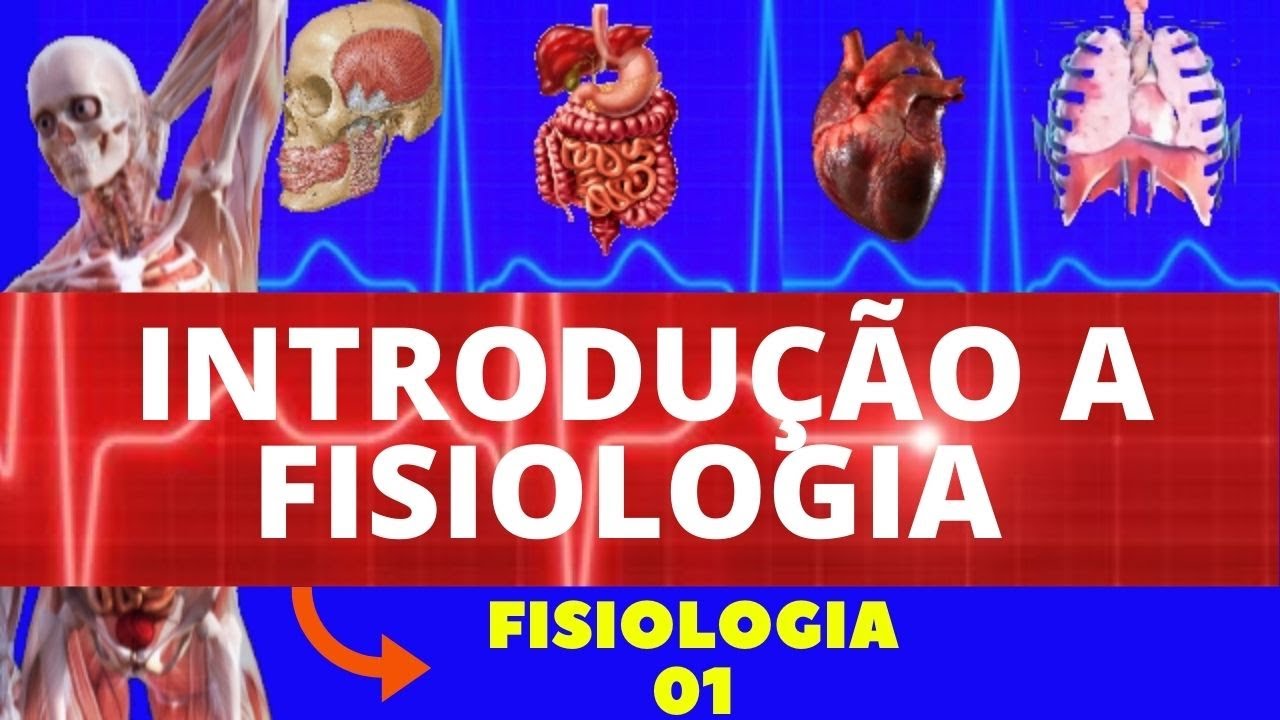
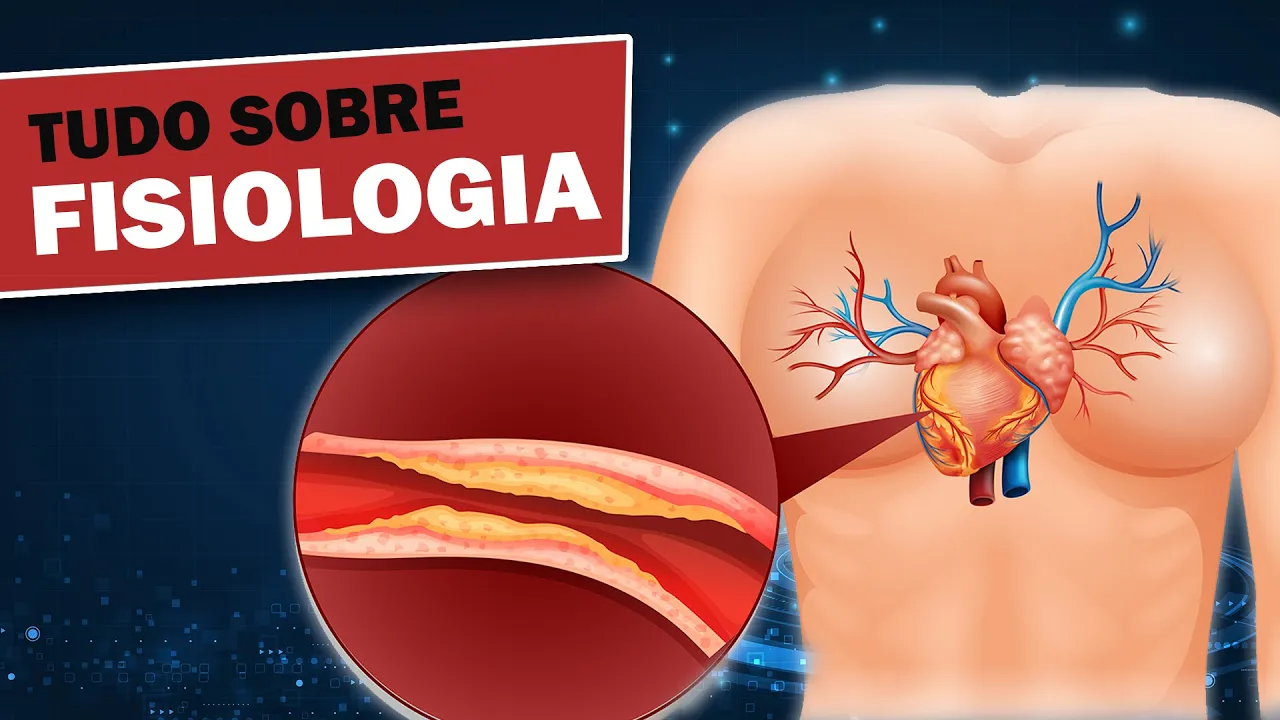
Hey, folks at Radiologando, how are you? We are here for another video on the channel. And in today's video, we're going to talk a little bit about what physiology is.
But, calm down, before starting the video, you who are not subscribed, already subscribe to the channel, activate notifications so you don't miss any video and, of course, stay on top of all the content that is posted. And also follow me on social media, both on @Radiologando and @ygorjulioprof, where you can also follow the posts we make, both on us and, of course, stay in the know even more about everything that is posted, both on Instagram , as on YouTube. Well, as I said, we are going to talk a little bit today about physiology and find out how this knowledge is and how this subject is directly related to radiology and anatomy in general.
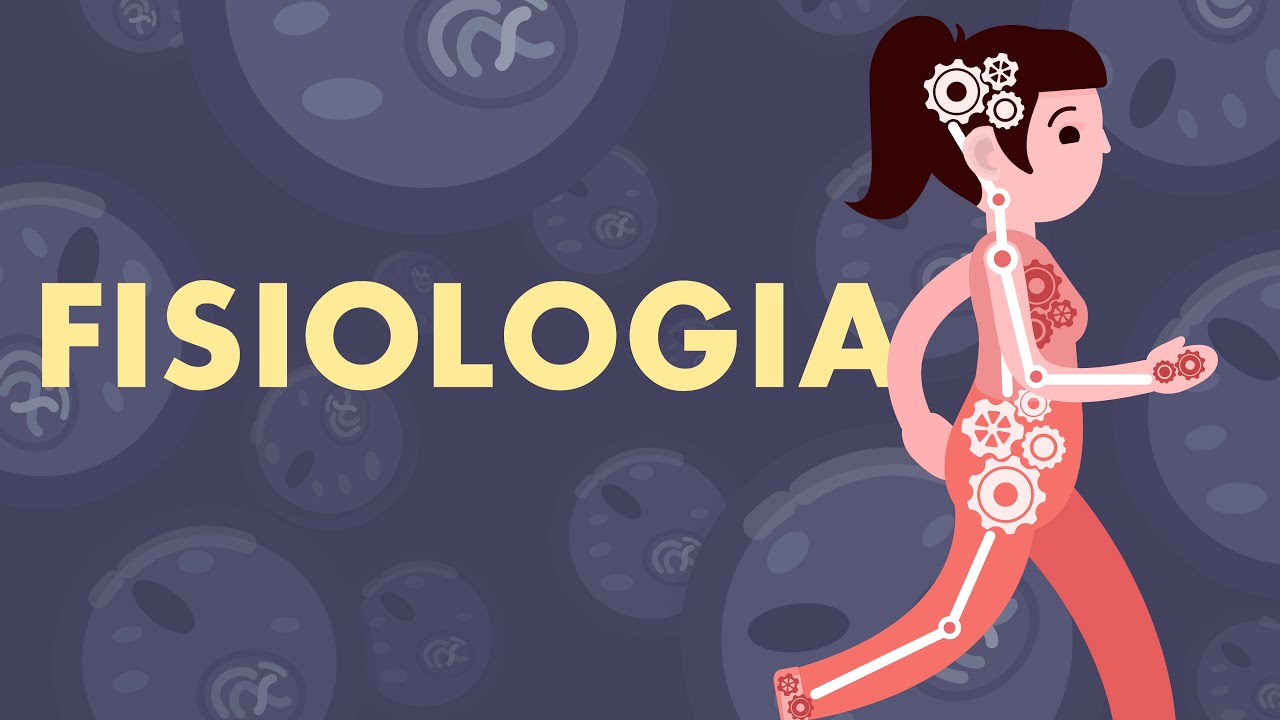
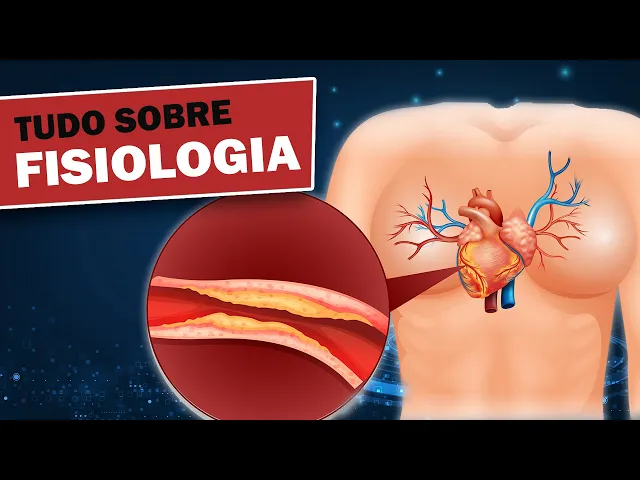
Without further ado, let's go to the video. Well, folks, physiology, in turn, is not considered a system. However, physiology can be synonymous with functioning.
Functioning of all systems that make up the human body. Well, we already know that the anatomy will tell us exactly the system name , the organ name and the structure name. Physiology comes together with this content so that we can understand now how it works.
For example, we know the right lung, the left lung, but how do they work? We know that the heart, it has four chambers, the triventricle. But how does it work?
This is where the question of physiology comes in. It is knowing exactly how each organ, how each system will function in relation to the human body. Remembering, once again, that the systems of the human body, they work in an integrated way, that is, they act as one.
Well, folks, physiology, with respect to the human body, is going to tell us exactly how it works. However, there are some functional changes that can be expressed by the body, both anatomically, that is, where we have an alteration where it is possible to visually identify, through macroscopic anatomy, if that type of anatomy where we can study, simply, watching or touching, where we don't need any kind of equipment to apply this method. However, there are also some functional alterations, that is, internal alterations that may exist, but which are silenced there, which may or may not also provide anatomical signs.
For example, there are some diseases that, apparently, with regard to the human body, don't give any sign. However, some functional changes, especially in relation to the nervous system, we can see if the individual, he has any change or not, and where does this change come from? What systems are being changed?
That's where the physiology part comes in, especially with regard to the studies that are applied and, of course, each study, each diagnosis, is different, both . So, it is also necessary to apply the specific technique to know what kind of functional change may be being triggered there. Physiology, in turn, will also be directly correlated with the endocrine system, since the system is responsible for producing and releasing hormones for our body.
So, for example, let's say you're on a street walking quietly and suddenly your body needs to take action where you need to run. How do you think this happens? It's like that, instantly.
Theoretically, our body, it is always prepared for every action, there is a reaction. So, the adrenal glands and are glands that are close to the region at the top, which can also be called adrenal glands, will release adrenaline in our body, so that the heartbeat is accelerated, with this heartbeat there will be a greater blood circulation and with this greater blood circulation , there will be greater oxygenation for the whole body and then where you will be able to perform such a run to be able to run, to be able to hide, to be able to do any other activity that you leave your stable mode to its excited mode and so the physiology can be easily understood, knowing exactly how each system, each structure of the human body will work depending on the action it will undergo. Another very common type of example regarding the physiological system, or better, the functional part of the human body is when we eat lunch, after lunch, our body usually tends to relax a little more and that drowsiness where we have that laziness.
Is this common, teacher? Depending on individual to individual, it's super common. It depends on the routine that individual has.
If that individual, he has a daily habit of always taking a break of ten to fifteen minutes after lunch, it is common for him to have this lifestyle until this cycle is changed, but in general any individual has this break, have this moment of rest. Why? After the meal, it is common for the digestive system to come into action now, to be able to carry out the entire digestion process, both the enzymatic drops , and in relation to the production of gastric juice, among other actions that the digestive system will have to act.
And so, physiology, it is given in relation to the human body. Okay, professor, is it possible to study physiology only with imaging exams? Yes, remember I told you that physiology is related to the functioning of the organ or the system?
Well, in radiology there are specific exams in which we will be able to see certain physiologies, certain functioning of some organs and some structures. Of course, we are not always going to be able to study everything, but there are some exams that we can see and this is mainly referred to in relation to contrast exams , with an inspection monograph, with an esophagography, a radiograph of the esophagus and odenum, or in other words, a cerebrum, we will also be able to see the computed tomography, where we will be able to perform the CT angiography exam, in which, through the addition of venous contrast, it is possible to observe the entire extinction of the aorta and know if it is there some dysfunction is an aneurysm, is a dissection and even other types of changes that structure can suffer. And in the contrast examination, we can see if that structure is working correctly, that is, anatomically or not.
There are also other tests that are performed in the medical specialty of nuclear medicine that are called scintigraphy. Nuclear medicine is a medical specialty, where it is specifically focused only on functional studies. And yes, it is a branch where various types of exams are performed daily.
Bone scintigraphy, pulmonary scintigraphy, cerebral scintigraphy and the main one, myocardial scintigraphy . Another technique that is also possible to study the human body in relation to the functional system in relation to physiology in relation to the functioning of the human body is the interventional radiology technique, specifically in hemodynamics, where through catheterization is to evaluate the coronary arteries of the heart and to know if they, in fact, are irrigating, are providing oxygen-rich blood to the heart in an adequate way, when a minimally invasive procedure is not performed , in order to be able to carry out the treatment. Anyway, people, in the area of radiology, there are several other diagnostic methods that allow not only anatomical studies, that is, those static studies, but functional studies, functional images, physiological images that offer the physician the possibility of having a notion how that organ, how that system, how that structure is functioning in our body.
Well, folks, with regard to the systems of the human body, we will easily be able to study the circulatory system more easily . Why? In the area of radiology, it is very common to add contrast to observe the circulatory system , for example, in relation to the administration of iodinated contrast, ionic or non-ionic, which will serve there to study the entire circulatory system, depending on the region that will be requested by the doctor.
So, I spoke of CT angiography, but it could be a cerebral angiography, a geography of the lower limbs, a geography of the upper limbs, in short, among other exams that are performed. But we were also able to study the digestive system , with the addition of both barium sulfate, which will serve to study the esophagus, will serve to study the stomach and will also serve to study the small and large intestines. Both in an anatomical and natural way, that is, having a normal spent flow, as well as in a retrograde way.
As an example of the exam, which is a specific exam to study the digestive system in relation to the large intestine, which is also widely performed in the area of radiology in relation to contrast exams. Well guys, this was another video of and of course I hope you guys enjoyed it. But if you still have any questions, you can leave it in the comments, you can follow me on social networks, or on the at sign where you, in addition to clearing your doubts, can log in close to us, OK?
Until the next video, guys, thanks. Oh, and don't forget, always leave a like at the beginning of the video or if you haven't, leave it there, if you're not subscribed, subscribe to the channel and activate notifications. See you in the next video, guys.
Thanks.

![[ART] Anatomia e Fisiologia Humana - Sistemas Respiratório e Cardiovascular](https://img.youtube.com/vi/g99Q9Mk4k7M/maxresdefault.jpg)