hello everyone and welcome I am km wiland I run the writing website helping writers become author.com and I've written a couple books you may have heard of such as structuring your novel and creating character arcs and today we're going to be talking about what is very possibly the single most important element of any successful story and that is the LIE the character believes so why is the LIE the character believes so important and what is it so the LIE the character believes very simply is just a mistaken or limited perspective that the character holds at
the beginning of the story which will be challenged as they go through the plot and in some stories they will overcome it in exchange for a thematic truth which is a broader and more expanded um perspective of themselves of or the world around them in other stories they may fail to do this and in which case they'd be arcing negatively probably into a worse lie um or it's also possible that they start out in possession of the truth and it's the world around them that represents the lie and they are able to use their uh
broader understanding of something to bring more refinement and calibration to the characters and the world around them but fundamentally it is this push pull this conflict between the lie and the truth that first of all creates character Arc it creates change within the character and therefore by doing that is is also something that drives plot and is driven by the events of the plot so this is something that I discussed in depth in my book creating character arcs because as I say this is the foundation of character Arc um so if you want more information
on this than just what we're going to talk about in this 20 minute video then you can check that out and I will also leave lots of resources um from my site down below as always so first of all let's just talk about what is the lie and what is the truth so I like these terms because they are very black and white and they immediately give you a sense of of what the the deeper archetypal purpose of them are within story but it's important to understand that both um can be very relative within the
story and that fundamentally all they are is that the LIE is this limited perspective it's something that the character believes to be true about themselves or the world and it may be true to a certain point but it's limited and the events of the story whatever is happening that's that's asking them to sort of Step Up within the the plot that that you've created for your story is challenging this limited perspective and and basically saying like this isn't good enough this isn't going to get the job done there's more to it and the truth the
Thematic truth stands in opposition to that as something that the story is positing is more true about the world than this limited perspective with which the character starts out so I call it the Thematic truth because ultimately theme in a story is whatever the story ultimately is trying you know um consciously or unconsciously to prove about reality so sometimes this is going to be very explicit and the character you know learns the truth they learn is some sort of aphorism or axom you know like um the golden rule or something like that but sometimes it's
it's never outright stated within the story and it's just proven through what is effective in the character's AC actions as they move through the plot you know so in a very plot driven Story the truth may be you know simply you need to learn this you need to learn Kung Fu in order to defeat the bad guy you know something like that that's just they need to learn this new way of being in the world this new skill or you know it could be something like they you know you need to learn that that Darth
Vader is your father you know you need to perceive something that you is literally a mistake about how you are interacting with um the information that you need in order to reach your plot goal and then again in other stories it's something that is you know much more personal and can be hard to Define sometimes even in in concrete terms things you know like believing that you're worthy or you're lovable or or or something like that there's a broad range here but ultimately whatever the truth is in your story and therefore whatever the theme ultimately
is has to do with what the story is proving works it's is proving that this is a more effective um way of thinking about the world a more effective way of being in the world which is then proven by how the character is able to move toward their plot goal and whether or not they achieve it so obviously if they're effective in reaching their plot goal by the end then that would indicate that they were able to overcome the LIE the limitations of that and move into this more expanded and effective um perspective of the
truth whereas you know they may if they're in a negative change Arc they may ultimately end up ineffective in the plot in some way even if they're able to gain their plot goal there's some sort of you know moral failure moral um defeat that we understand is in that they their their actions in the plot were not effective because they were not able to grasp the truth so even in stories in which you know the truth um doesn't win so to speak like the characters are not able to use it in order to get what
they want or to be more whole within themselves and the story World it still is proving this Truth by the very fact that they're not happy or they're not effective or that we understand they've they fatally compromised their integrity in some way so the story as a whole every story you know whether it's very plot driven or very character driven will ultimately revolve around some level of this conflict between lie and Truth between a limited way of being and more expanded and effective way of being within the story the way that character Arc specifically works
is you start out with a character believing some lie some limited perspective depending on you know what you're trying to explore in your story it can be many different things but they will start out with this limited perspective and as the plot kind of rolls into view right something happens the inciting event comes online and their reality begins to change right that's that's the whole point of why you're getting this story where it is or why you're telling this story at all something's happening something's changing within the character's reality and that is going to challenge
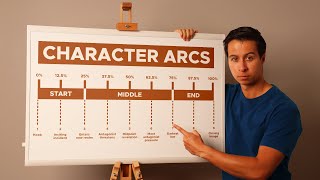
their perspective of the world and themselves up to this point it's no longer going to be as effective as it once may have been and so there begins to be kind of this inner conflict that the character experiences as they try to grow into the person they need to be to meet these plot challenges that are coming out there so generally speaking the First Act the first 25% of the story is where you're really going to be exploring the LIE this is where you're exploring what this looks like for the character how it may have
been very effective for them up until this point and also how now that these you know things are starting to happen changes are coming they're developing a new plot goal that they need to go after for whatever reason this is where you can start exploring the dysfunction of the lie and why it's no longer going to to prove effective as they move forward why they need to change you know and in essence why they need to accept that Call to Adventure that Call to Adventure to change in order to be effective as they move through
the actions of the plot so as they enter the second act after the first plot plan they enter you know that threshold through the doorway of no return and they enter the full-on conflict of the second act that first half of the second act is very much about the characters kind of reacting to everything that's changing they're a little bit off balance they don't know where they're at and the primary reason for this is because they don't have an understanding of the truth yet right they're still trying to operate off of their old mindset which
is the lie and how can they you know do that when what they've what has been their perspective and their mode of being up until this point actually isn't effective to meet these new challenges so it's kind of a what I call a grumpy bumpy period where you're like just growing and everything just feels uncomfortable and you don't quite know what's going on you're maybe not completely embracing the process like you'd rather you know just stick with your old way of being and you know keep pretending that you know you have a hammer so all
the world's a nail so you just keep hammering away at it that's kind of the this point of this story is the character is meeting challenges that are not nails that are bigger than you know what they've ever encountered before and it slowly starts you know to Dawn on them like the old way of doing this is not going to work and so this is a a time in the plot where they'll be running into to um defeats kind of you know maybe not definitively but they'll try to use you know their old their old
perspective their old way of being and it doesn't completely work it's not completely effective and so they have to adjust they have to learn as they go and you know so they slowly begin to sort of explore the limitations of the lie and it begins to dawn like maybe this isn't the end all be all of how to see things and that will bring them to the midpoint which is defined by what I call the moment of truth and this is a moment where you know something big happens and the accumulation of everything that the
character has been learning up to this point leads them to the ability to really see the opposing Viewpoint to see the truth of this story and how effective that it could help them be in getting what they need basically they they it's like a light bulb goes on and they're like oh this is what I have to do to get what I want um and in some stories it's as simple as that it can just be simply plot Revelation like oh we need to go you know find the plans to the bad guys's Evil Base
and that's going to let us get what we want so something very practical and action-based but specifically within theme and within character Arc it's also something that is a deeper understanding and expansion within the person you know they have to be able to to see something in a way they've never seen it before and to expand into that it's challenging them you know to become a new version of themsel in some way so from this point on they can take that truth that they've gleaned at the midpoint and move into the second half of the
second act which is very much an action phase they're able to move out of kind of that hapless reaction where they don't know what they're doing or quite how to get it done and they become more and more effective as they go now it's also likely that the antagonistic Force whatever that is in your story will also be pushing harder and getting bigger so it's not necessarily that the that the protagonist is winning in the conflict but they are learning how to become much more effective by using you know a more accurate understanding of the
conflict and of themselves in that conflict that's going to lead them okay so one more thing I need to say about that part of the story is that they recognize the truth at the midpoint they do not yet however reject the lie so they you know basically get this shiny new toy and they're like oh wow I totally get it this is amazing I'm going to be awesome from this point on but they're not yet willing to totally give up who they were before or their old modes of being you know and this could be
for ego reasons you know they're very identified with whatever it is but it could also be just survival it's like this is how I've always survived I can't let this go yet and that's not necessarily you know an inaccurate perspective on their part because they haven't fully integrated the new way of being so if they just let go of the old way then you know it too soon then it could be very destructive depending on what it is throughout the second half of the second act after the midpoint they're again going to be with experiencing
this inner conflict between truth and between lie as they begin to move more and more into the truth but it's still this conflict of like how can I hold these two perspectives or ways of being at the same time and it becomes more and more clear that they are in fact incompatible and that they probably are going to have to let go of the lie completely at some point and that is going to lead them to the third plot point which is the low moment it's symbolizes death rebirth within the story and specifically on the
Character level of character Arc What's Happening Here is that if the character is to succeed in in achieving a positive change Arc and and embracing the truth then the person they were the person who believed in the LIE is going to have to die that identity is kapo at this point if they're going to succeed and then they're going to have to be reborn into this person who has fully integrated embraced and understands the truth of the story and this can and I think in the most poignant stories this usually is a very um complex
moment because we we hear a lie and we hear truth and we think well obviously we want the truth why would we hang on to the lie but in our own lives and therefore what we want to see mirrored in in story is it isn't this simple right the LIE has been like our old friend it's been this limited perspective has been something that has been effective for us to some degree and therefore you know we're kind of loath to give it up and we're identified with it on an ego level to some degree so
it does feel like I'm giving up myself I'm giving up a part of myself my old way of being and in a story it's definitive whatever you're dealing with is something very definitive so there is a death of some part of the character and therefore a grief and a very real desire to hang on to that and not to let it go the character is met with a moment where their refusal up to this point or their inability to completely give off the LIE will lead them to you know what seems maybe like a victory
at first but it is ultimately a defeat of some sort and it becomes very clear that you know the defeat is the consequence of their refusal to completely give up the lie and that they will not be able to overcome it or reverse it or finally get what they want or become who they want to be unless they finally and fully grapple with this old IDE identity and give up the LIE this you know can be dramatized very quickly it doesn't have to be this huge you know um Tri trip into the underworld of the
character psyche where they're wrestling with these parts of themselves but it is something that that usually is needs to be hit full on like you don't want to just brush over because this is arguably the most powerful potentially powerful moment within your entire story because this is it this is where the character's Arc is decided are they going to be able to do this are they going to be able to transition into someone who believes in and Embraces and embodies this story's new truth from that point on we enter the third Act and the climax
now the third act a good portion of the third act often is taken up with this kind of this inner conflict and this grappling and then the climax will start um about halfway through the third act and by the time they get to the climax you know they there it may not be crystal clear in their own mind exactly what's what's happening or what they're what they're going to do but they well have integrated the truth if if they're going to integrate it within this story and rejected the lie and they it's un acted upon
it's unproven at this point but it's there it's ready for them to do whatever they're going to do in the climax to make that climactic decision to be a stand for the story's truth to use the story's truth to allow them to be effective as they move against the antagonistic Force um or toward their plug goal whatever that may be so by the time they get to the climax the conflict is pretty much decided and what's left is for them to act upon it to prove it to themselves and to readers and to see you
know what happens what happens when I embrace the truth or vice versa what happens when I reject it what are what are the consequences either way that is character Arc that is the dance between the lie and the truth within a story and this is such such an important foundation to understand within um story Theory and story structure character Arc and story structure are very much connected right you can't have plot without character and vice versa so this transformation in this this um conflict this ongoing conflict between lie and Truth is very important to plot
as much as it is to character and will be found in any type of story even if it's one that doesn't go very deep into the character Arc it's not sketching a huge dramatic character Arc and or it doesn't spend a lot of time on it the underpinnings are still there and exist within the plot structure so just really quickly let's close out with just some examples of some different kinds of lies because again that the the terminology lie and Truth are very black and white right and I like them for that reason because they
you know it's like you can see what they are you can see you can understand kind of their Dynamic within the story but in fact they are not that black and white they are very very relative right particularly I think we hear truth and it's like we think ultimate truth right and that can be what you're dealing with in your story but in most stories all you're dealing with is a Viewpoint that is better than the LIE right and so the LIE fundamentally what is that what is the lie so we have aspects where it
can be a literal lie that the character is dealing with at some some point at some level maybe they were lied to you know maybe they were adopted and they were told that they you know were were somebody's biological children that's a lie or something else you know it could be on a grander scope where you're dealing with a government conspiracy or a coverup um murder investigations in essence you know are a search for the truth to overcome the LIE which is really just a lack of information about who the killer may be right and
that's a very plot-based example of how this might work in other stories it's it's very likely to be something deeper and also it can be these you know it is a Surface example of how it's playing out in the world and also this deeper wrestling within the character of a misconception they hold either about the world around them you know perhaps they have a view that a certain you know type of people are evil and they have to overcome that or perhaps they have a view you know that people in general are unsafe or something
like that and they have to overcome that view to in order to be able to be for instance more effective in a relationship but it can also be a misconception they hold about themselves right or and or they can hold them you know together because very often you know when we have a view about the world it's because we are projecting something from within ourselves out there onto other people in the world around us so ultimately you know at its most psychologically valuable the LIE the character believes is something something that they haven't come to
a wholeness with within themselves it's a shadow piece right which is something I've talked about in my um recent course this year about Shadow archetypes and how we you know really the con the inner conflict within character Arc is this wrestling with the potential that we have within ourselves to claim this new truth and the Shadows that underly that that would pull us back hold us back and or pervert that that new power basically into something that isn't positive or integrated for ourselves or others so at its deepest level the LIE the character believes is
usually some something that they some belief they hold about themselves and how they operate in the world you know that they aren't good enough that they um aren't worthy that um you know that they need a certain status symbol in order to be okay I mean there's many many examples and I talk about this in my book creating character arcs so you can look there for some more examples but the most I mean ultimately just look at your own life right because we we have these we have this Arc from lie to truth constantly within
our own lives and sometimes we can look at really big epochs within our lives where you know we can completely changed our mind or you know our mind was blown by a totally new perspective or change was demanded because our life circumstances changed you know as they do in a story and we had no choice but to adapt and to grow in order to survive and to meet those levels but it also happens you know pretty much every day on a lesser level you know where we're learning you know every time you learn something new
possibly while you're watching this video you are you know broadening your perspective and you know trading a lie or a limited perspective for a new truth or a broader perspective so just in like examining how that works for you on little and big levels within your own life can help you understand how this psychological Arc Works within story and ultimately why it's so powerful and poignant because what story is doing is mirroring this you know this truth of what we experience you know within our own lives and therefore helping us understand our process as well
as perhaps you know helping us see specific perspectives um that we haven't considered or integrated more clearly as we move through the worlds of different people's stories this is one of my favorite topics like I say I think it's very possibly the single most important thing to understand about story if you want to write a really powerful story that works um so I hope that was enjoyable for all of you and I hope that you will stick around for the next video and if you'd like to stay in touch with me um until then the
best way to do that is to sign up for my mailing list at helping writers beome author.com SL mailinglist I put out a lengthy um blog post and podcast every mon Monday so you can um stay up to date with those even when the videos aren't coming out and if you'd also like to connect with me on Instagram at author km Wildland I post fun stuff over there thoughts and musings and epiphanies about writing and life that I don't post anywhere else so I hope to see you around and until then Happy writing