auto and bike taxi platform rapido has raised 180 million dollars in its latest series d funding [Music] with approximately 200 million two wheelers on the road india is by far the largest market globally for motorcycles and scooters uber the ride healing company has lost 2.8 billion dollars last year by taxi service rapido they've survived ambushed by brush ola and uber and seem to be surprising what have they done right [Music] [Applause] hi everybody if you want to beat a billion dollar company then this episode is for you because the story that i'm about to tell
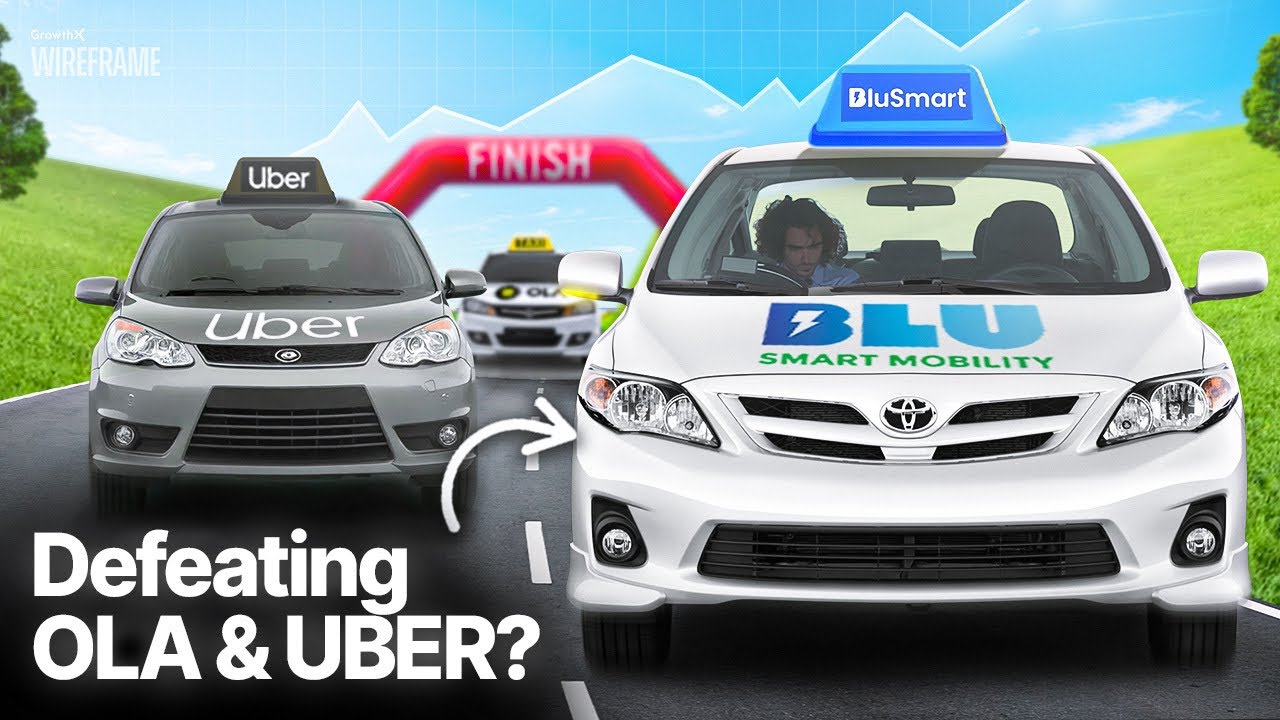
you today is the story of one of the smartest startups in the country the story that i'm about to tell you today is the story of a small company called rapido that managed to break into the powerful duopoly market of ola and uber and while it dozen bike taxi companies emerged and perished while even ola and uber backed on after failing in this segment rapido today stands as a dominating force in the exact same segment this segment that i'm talking about is the bike taxi segment and today rapido is doing so well that they do
4 like rides a day have over 60 000 active riders and have an app download from 25 million customers the question is how did rapido manage to break into the big league of ola and uber while all other bike taxi companies failed what was their strategy that enabled them to crack this non-existent market of india and most importantly as students of business what are the business lessons that we need to learn from the rapid rise of rapido this video is brought to you by golden pie but more on this at the end of the video
[Music] this is a story that dates way back to 2015. during this time ola and uber had already established themselves the jio wave had almost arrived and every other company was jumping into the cab market of india this is when the rapido founders identified three important gaps in the market the first gap that they found was the lack of a ride sharing service at the low ticket segment so while ola and uber were great for cab services the normal cost of the ride ranges between 200 to 400 rupees and the only ride sharing service below
this range were rickshaws and if you look at the per capita income of india it's just 91 481 rupees a year which is 7623 rupees a month so obviously only a six around minuscule minority of the indian population could offer cab rides at 200 to 400 rupees in fact even before the pandemic broke out if you look at the growth of ola and uber in india the growth actually slowed down drastically to just 4.5 percent and the rides per day peaked at 3.65 million rights this clearly stated that there was and still is a huge
demand for 200 and below ticket size segment the second gap that they identified was the huge market of two wheelers in india which were very very underutilized according to the insights from an early investor at rapido there are 220 million bike owners in india and 20 of them are either unemployed part-time workers or students and the average bike utilization in a day is just about 18 more importantly the rear seats of 80 percent of the bikes on roads are weakened and lastly the public transportation in india is very slow and does not cover the most
important locations as extensively or frequently as needed add that up with the misery of traffic whether that is ola uber buses or rickshaws you will end up wasting a lot of your time and sometimes even hours but when it comes to two wheelers we all know how we are experts in using our two wheelers to navigate through both traffic and traffic rules and this is where ladies and gentlemen rapido came in now if you remember from our ola case study the business strategy of these type of companies is quite simple and straightforward the first phase
that these companies roll out is the cash drain phase wherein a company spends a ton of money to acquire the stakeholders for both demand and supply in case of vola they give us the customers insane discounts and ultra cheap rights to download the app and on the other side the drivers were given very very lucrative incentives because of which both the customers and drivers were super happy so in this ways we got cheap rides at our doorstep and the drivers made 50 to 60 000 rupees per month driving ola cabs and then in the second
and the third phase while the incentives of the cab drivers went down the cost of the customers started increasing but in this process these companies incurred hundreds of crores of losses every single quarter and this is where the biggest problem in this model comes in whereby the drivers fully commit to ola during the cash drain phase they take up a loan for buying new vehicles and for the next five years they are tied with the vehicle and olaf for their primary source of income and it's quite understandable because if you're a blue collar worker who's
making 20 000 rupees a month when you see your driver friends make 60 to 80 000 rupees a month it's big enough an incentive to motivate you to leave your job take a loan and become an ola driver but the catch over here is that with time these incentives started feeding away but the drivers liabilities of the car which are loans and maintenance those stayed so while an ola driver's revenue steadily dropped from 80 000 to 70 000 to 60 000 they still had to pay 15 000 rupees installment for the car loans they still
have to incur the rto passing cost which costs around 40 000 rupees a year and then they have to pay around 6000 rupees for bi-monthly maintenance and eventually they end up making only 30 to 35 000 rupees in profits per month and this brought three major problems to the market first of all when you give extremely lucrative incentives a lot of drivers jump on board so the amount of cash drain automatically goes up secondly with the inflation and rising expenses the expectation of the drivers is that their incomes will keep on increasing with time but
with both ola and uber it has been decreasing with time and soon enough they started to feel the pinch thirdly if something like pandemic happens suddenly the very livelihood of all these drivers is at stake but this is where rapido very conveniently sailed over these pains and avoided these problems altogether why because they did not drain their cash into convincing the people to buy a bike and become a full-time driver at all instead they tapped onto the existing inefficiency with the already bought two wheelers in the market and more importantly rapido acted as a secondary
source of income for these drivers instead of the primary source of income so like i said before there are 220 million bike owners in india and 20 of them are either unemployed part-time workers or students and this is where rapido found its workforce so you know what they designed their registration system and marketing such that practically anyone who had some free time could become a part-time rapido captain and they started making anywhere between 200 to 500 rupees per day depending on their location time and peakers and by the way this is not revenue but their
actual profits after cutting down on fuel costs and all these factors together gave rapido three major superpowers first of all even if the rapido captain does this full time the risk in comparison to ola and uber is extremely low so a huge number of captains jumped on board why because the two wheelers have very low maintenance cost and very high mileage secondly for the part-timers like the students or the unemployed 200 to 500 rupees in a day is an absolute blessing with such low barrier to entry so you see while an older driver has to
feed his family and came with an inspiration to make 30 to 50 000 rupees a month the rapido captains by default sign up with the expectation of monetizing their spare time so they are more than happy with making 200 to 500 rupees per day in fact you will see a lot of youtube videos where college students have made vlogs on doing rapido rides watch that and you will be able to empathize with the market that rapido is addressing this is the reason why mr sanga says and i quote our motto is to use the existing
vehicles and create employment for the under employed our product highly attracts part-timers and gives much more flexibility for the captains and because of this the third benefit was that they did not have to roll out super lavish incentives to keep the workforce happy as a result the burn rate of rapido during the cash train phase was and still is extremely low and if you look at their funding history for the first three years until may 2018 they survived on a mere two million dollar seed funding and by the way all thanks to our super efficient
two wheelers the ticket size for these customers is so low that discounts matter less as compared to ola and uber rides now the question over here is all of this could be done by other bike taxi companies also right so why is it that other companies and even giant companies like olan uber couldn't crack the market and rapido did well this is where one of the most critical hurdles of bike taxi market comes in which is regulation because in india you cannot have a wide number plate act as a taxi and in the motors act
there is no provision for buy taxis so regulators did not permit bike taxis in several states and it became all the more complicated in fact this is one of the reasons why ola uber and others initially opted to create new fleets of yellow number plate bike taxis so in a way a single regulation was literally changing the entire business model of rapido itself but this is where the founders indian jugaad mindset came in there were no rapido branded t-shirts helmets or bikes and the transport authorities who went after these bike taxis mostly targeted only ola
and uber because of their visibility all this while most authorities didn't even know that rapido existed now obviously this wasn't a long term solution but here's where they found a loophole you see the rules did not allow buy taxis but there was no rule that banned vehicle pooling on a cost sharing basis so you know what rapido positioned themselves as bike pooling services and while operating under this positioning rapido and its investors went to the ministry of road transport and highways and pressed for legalizing the use of private bike taxi services eventually the committee was
convinced and it recommended the states to promote bike taxis now even though many of the states are still against this concept the regulatory heat has dissipated over the years and rapido's daily rides have kept on increasing and today it has over 25 million customers has 60 000 riders and now it aims to serve over 50 million customers by the end of this year it does close to 20 million orders per month and there are 5 women riders and nearly 20 women customers today as of now bike taxi is its core category but they are also
venturing into autos and delivery this is how rapido being a small company broke into the duopoly market of ole and uber and avoided their mistakes to become a pioneer in the bike taxi segment of india now the question over here is with all the story what are the lessons that we need to learn from the rise of this wonderful efficient company well before we move on to that i want to thank our partners of this episode and that is golden pie people all the stock market investors after having enjoyed their bull run are now starting
to face the brand of the market inflation has crossed seven percent and banks are eating away your money with low returns from fixed deposits which barely give out five to six percent during uncertain times like these you need to play it smart and need to diversify portfolio and fixed income instruments like bonds this way even if the stock market goes down even when the world economy is in recession your portfolio can provide you with a stable return bonds can give you a fixed return of up to 11 as the interest payout happens in regular basis
so investing in bonds will give you an additional stable cash flow previously only the hnis had the privilege to invest in such high quality bonds but now golden pie is making these bonds accessible to retail investors like you and me through user-friendly platforms golden pie is backed by zero da and has partnered with axis direct iifl securities bajaj financial securities limited 5 pesar and many other leading brokers and it acts as a transparent marketplace with the largest range of bonds of all reputed institutions such as nbfcs banks psus corporates etc the best part is that
the minimum investment is just 10 000 rupees in case of ncd ips and currently the india bulls housing finance and euro capital ipos are live so if this sounds useful to you go check them out from the special link in the description moving on the first business lesson that we need to learn from rapido is that whenever there's a new market that opens up while big players often try to take giant pies out of the market they often ignore the breadcrumbs and that could be your business opportunity for example while amazon and flipkart were fighting
for electronics and fashion segments nika started small with personal care and today it's a billion dollar giant in this case while ola and uber were locking hands in the cab market rapido very cleverly tabbed onto the bike taxi segment lesson number two every time you're involved in a cash drain mode in india you might entice the consumers to use your product but when you use cash drain for your workforce it's more likely to collapse after a certain point because you're creating unrealistic expectations so as much as incentives are necessary it's very very important to not
create unrealistic expectations in this case we clearly saw how rapido is very careful with cash while ola and uber promised the moon to the drivers and lastly i as an entrepreneur love the fact that these rapido guys first operated under the radar got proof of concept proved it to the investors that this market deserves investment and then went on to scale their business you know it just speaks volumes about the chugadu spirit of the entrepreneurs so now all we need to do is wait and watch how does rapido collaborate with swiggy and achieves profitability that's
all from my side of today guys if you learned something available please make sure to the like button in order to make youtuber happy and for more such insightful business and political case studies please subscribe to our channel thank you so much for watching i will see you in the next one bye bye [Music]