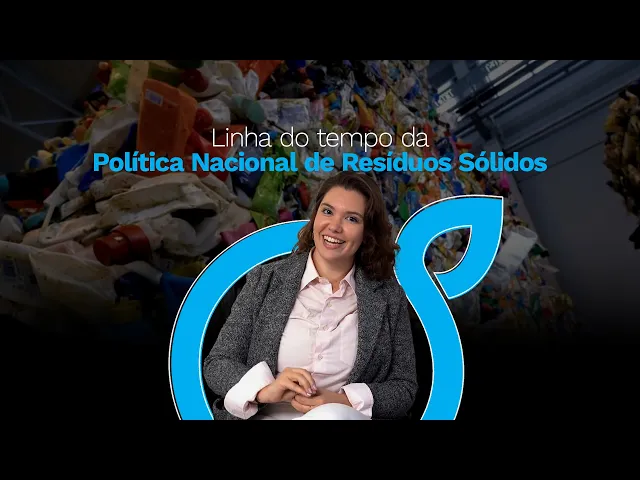
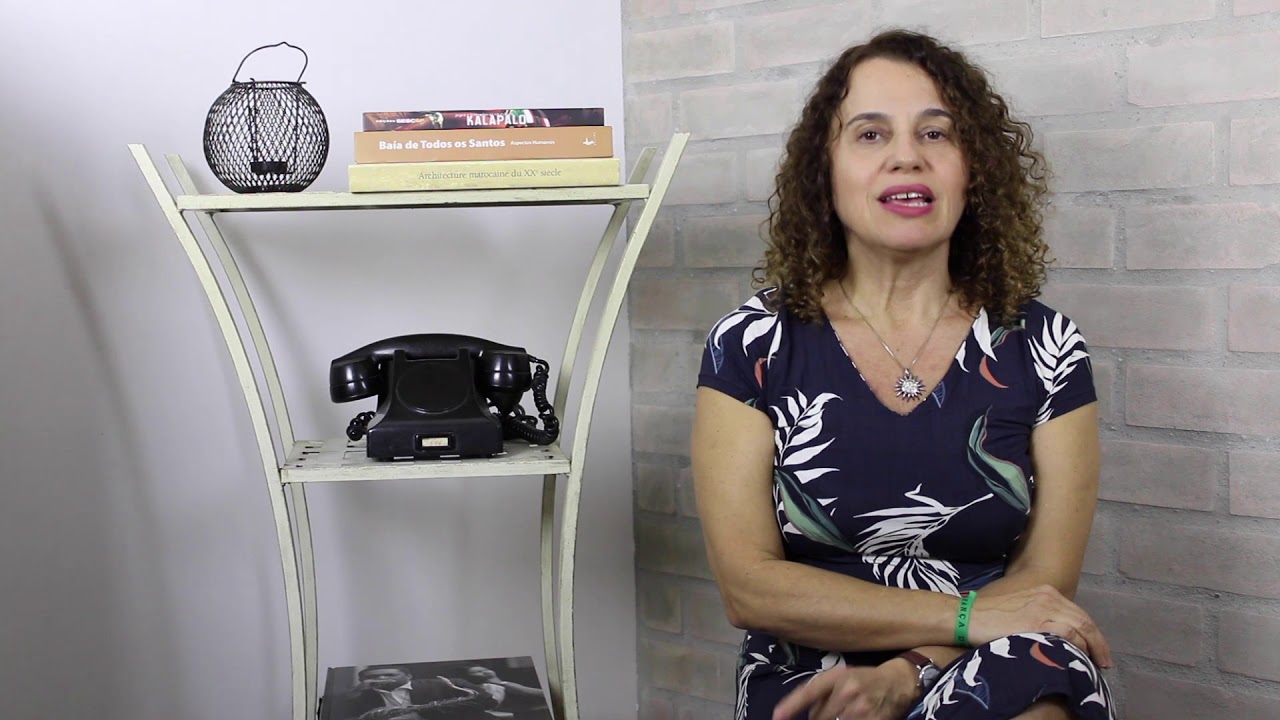
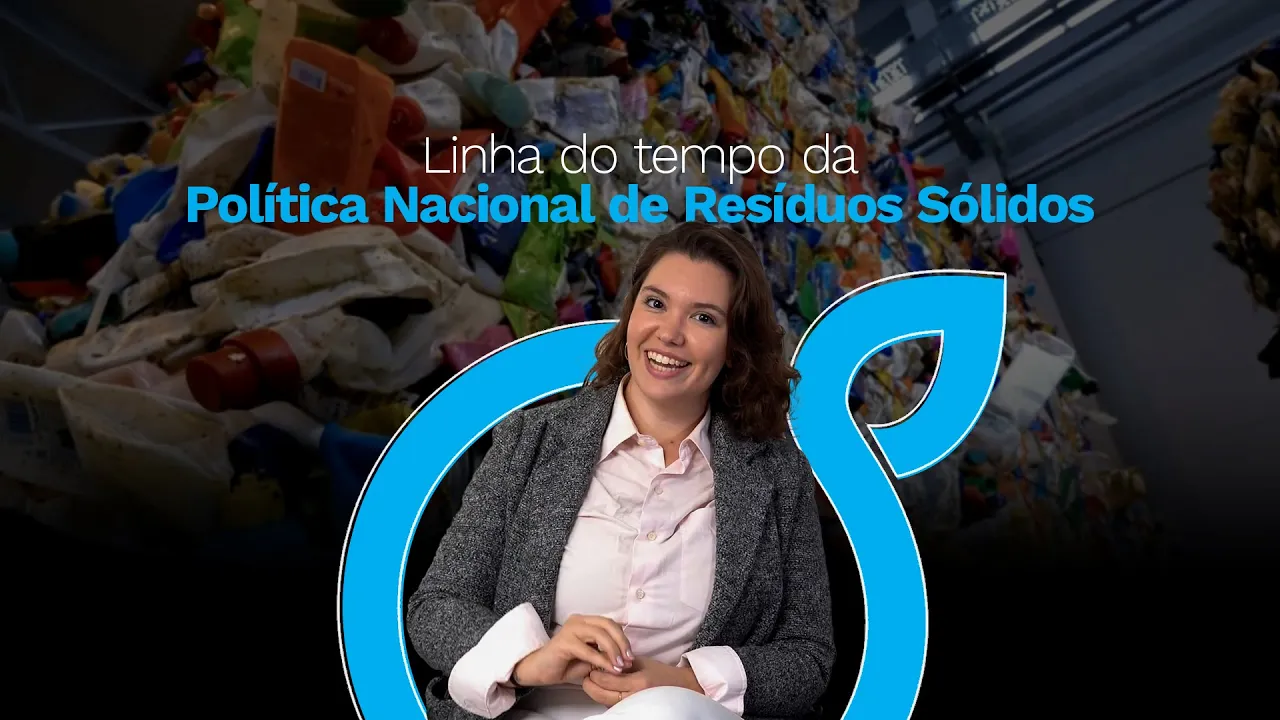
National Solid Waste Policy: Understand what it is and what its objectives are. Welcome to the Yattó channel. My name is Beatriz, I am a project coordinator here, and I have a degree in Environmental Engineering.
I've been working with the National Solid Waste Policy for a few years now, so let's talk a little about it and analyze a little about what it brings. To start talking about this topic, we need to understand what the National Solid Waste Policy is and how it came about. In 2007, the National Basic Sanitation Policy emerged, and why do I bring it up?
It defines that solid waste management is a basic infrastructure system and that everyone should have access to it. This was a first step towards the National Solid Waste Policy, which was created in 2010, where it organizes, structures and gives guidelines on how we should deal with our waste. The National Solid Waste Policy has several objectives, the main ones being to ensure adequate disposal and work on the closure of landfills, in addition to working on social inclusion and valorization of collectors of recyclable materials and ensuring the sustainability of the way we deal with our waste and natural resources.
With the National Solid Waste Policy, we had some milestones and some tools that emerged to be able to meet the obligations it imposes, such as Sinir, which consolidates and unifies all data and information regarding waste management in Brazil. Another that we can mention is the National Environmental Education Policy, which has been trying to resolve the issue of public awareness and involvement with the topic. Another example is Reverse Logistics, which is addressed in this law and gave life to reverse logistics credit, which connects companies with cooperatives of recyclable material collectors.
Another program that emerged was the Zero Waste Program, which set a goal for the closure of landfills. Unfortunately, we were unable to achieve this goal, which provided for the closure of all landfills by August 2024, and that is why we are reevaluating and, soon, there will be other laws with other goals so that we can achieve this objective. One of the main and first initiatives that came from the National Solid Waste Policy is the definition of shared responsibility.
What does it define? Each person who generates waste is responsible for the waste they generated. So, for example, a person, whether an individual or legal entity, if they dispose of some contaminating waste in a river and that river is contaminated by that disposal, it is that person's full responsibility to deal with the impact they caused.
It starts from this premise. Within this, we have three actors: we have public bodies, companies and individuals. Each of them, within this law, has their responsibilities.
Public bodies have the responsibility to structure and provide access to the entire population in relation to waste management, such as the collection of waste that takes place in our homes, selective collection, environmental education, awareness, demanding the participation of companies and people in relation to compliance with this law. These are all the responsibilities of public bodies. For companies, they have the responsibility to work on reducing, reusing, recycling and properly disposing of this waste, in addition to also working to raise awareness amongst their employees within the companies.
But it's not just limited to that. The policy understands that, if that company generated a product and that product was in packaging, it is also responsible for that packaging. After all, let's go to a beverage company: it sells drinks, it doesn't sell packaging, it doesn't sell cans.
Who put that packaging, that can on the market? Therefore, after consumption and disposal, it is the company's responsibility to ensure that the reverse logistics of this packaging takes place. And, last but not least, we have individuals.
What is our responsibility as citizens? It really means finding out about how waste collection is going in your municipality, in your neighborhood, participating in selective collection and, above all, charge public bodies so that you have access to this service, which is your right. By understanding how the waste management system works in Brazil, we are able to look a little more at the challenges in implementing this policy in the country.
For example , based on the responsibilities that each actor has, we were able to identify the difficulty in relation to implementation, cultural change, behavioral change, to ensure that the population is also part of this policy, contributing by separating waste, contributing without doing improper disposal. This is one of the first steps, one of the first challenges we face. And, finally, we also face some challenges in relation to the economic viability of ensuring that this system is implemented efficiently, mainly in relation to the size of the country, which ends up having a lot of geographic differences, cultural differences, which ends up making implementation difficult.
of the National Solid Waste Policy. But let's talk about the positive side of the impacts generated by the National Solid Waste Policy . It established what really is a well-defined, well-structured selective collection, and, as a result, we are seeing more and more municipalities adhering to the obligations that the policy advocates.
So what is a well-structured selective collection? She has been working on the inclusion and appreciation of associations and cooperatives of recyclable material collectors. The participation of this class in the waste management system in Brazil has been very well worked and structured.
Another positive point is that the National Solid Waste Policy has been making the linear economy obsolete, working on the concepts to have a sustainable and adequate circular economy. So, what is the circular economy that is being worked on within this policy? It predicts that waste can be reintroduced into the production market.
Today, we extract raw materials to produce the materials we use in our daily lives. The linear economy extracts, produces, consumes and then discards. The National Solid Waste Policy, as well as the circular economy, foresees that we can extract, produce, consume, discard for recycling and, thus, we would be able to reintroduce this material into the production chain.
That's why it closes the cycle. In other words, it predicts that waste can be reconsidered as raw material. With this move, we were able to ensure that the structuring of solid waste management in Brazil not only requires financial resources, but also generates financial resources.
As we can see, the National Solid Waste Policy is very complex, very comprehensive and, even so, it has been adapting to the reality we face. There is no obvious and quick solution to all the problems we have today regarding solid waste management in Brazil. To achieve this, its future will increasingly involve demanding participation from the population, increasingly demanding participation from public bodies and increasingly demanding participation from private companies.
Another result that we can already see that has been happening is this socioeconomic support that we are giving to cooperatives and associations of recyclable material collectors. It is a path that we are already following and that is becoming increasingly stronger. It is very interesting and very important because it has been connecting companies and these cooperatives, really making sure that everyone has their responsibilities and works in a unified way.
So, as a company, how can you do your part? Be aware of your responsibilities and obligations, implement selective collection internally, involve your employees, work on environmental education, form partnerships with cooperatives and associations, give a voice, have a PGRS, which is the Solid Waste Management Plan, as well consolidated, well-structured and contact Yattó so we can help you implement your initiatives and find solutions for the waste generated. We've reached the end of this video, so if you liked it, like it, subscribe and activate the bell to stay up to date with the next videos.
Until the next video.