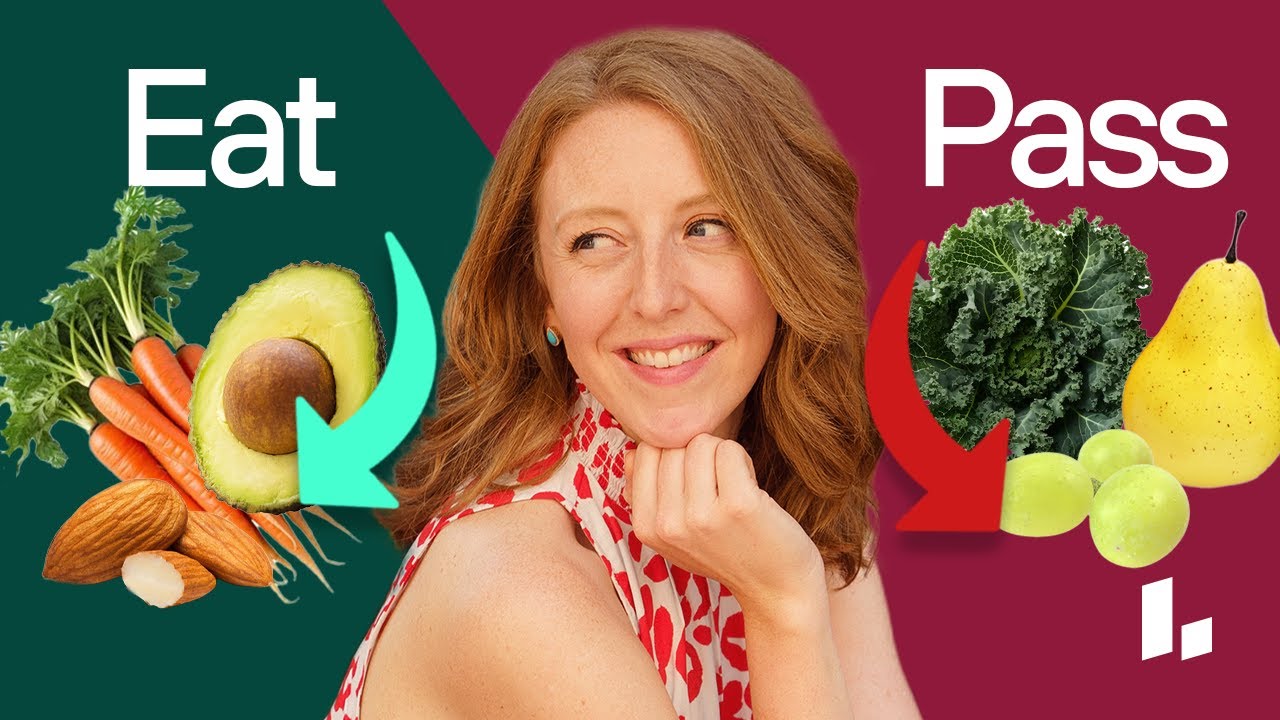
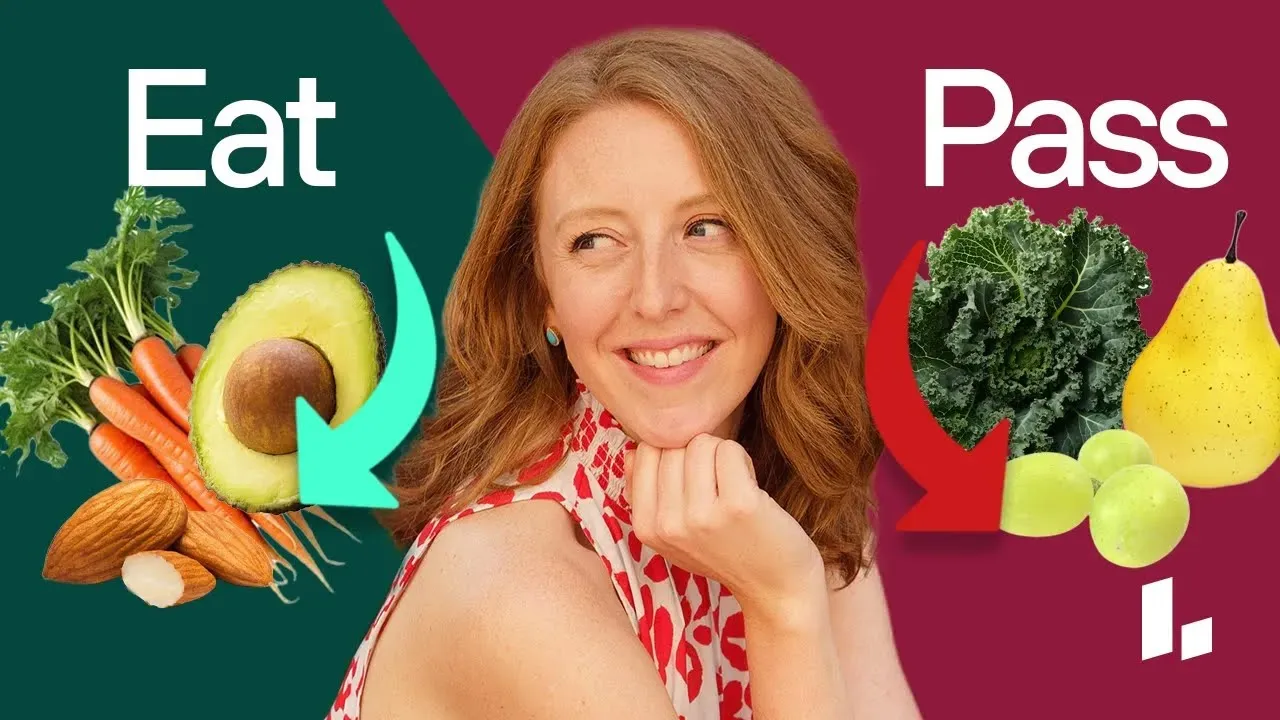
nobody will disagree that Twinkies are just not good for you Skittles are not good for you no one's going to be like I kind of think they're okay right how can we start to make better choices around certain things is what I wanted to dig into and then go through like three three categories of food and say like eat or pass so like should you eat this thing or should you pass like what's the net benefit so pumpkin seeds right SE seeds nuts in general we know that seeds and nuts especially something like pumpkin seeds
are high in magnesium we know they're good for you but then you get into this scenario of well what happens if you eat roasted and I'm not talking about flavored and like barbecue flavor like that's just like yeah don't eat that but you get into like roasted pumpkin seeds that are salted and you look on the back and it's like roasted in a seed oil is it eat or pass like do you like do you is the net benefit of eating pumpkin seeds higher or is it like no avoid them they're in roasted in seed
oil what's your hot take okay hot take is that we really rarely want to ever eat seed oils that have been cooked at high temperatures or really ever we know they have omega-6 fats we know that high heat during roasting can actually make those fats more damaging um create more oxidative stress in the body so as you said raw unroasted always better if you are you know on a road trip in an airport in a gas station and there are literally no options of what to eat and it's the option between like chips or cookies
or roasted salted pumpkin seeds I I'd say go for the pumpkin seeds you know you're going to get more nutrients uh with um something like pumpkin seeds because you're going to get the magnesium and all the other minerals that are in those those seeds um whereas in the cookies or the chips you're still going to get those refined seed oils that have been heated uh but you're not going to get nearly as many nutrients so it's probably a better option but definitely unroasted is the way to go and if you if you only like them
roasted something you can do at home is actually roast them um at a much lower heat for a little bit of a longer time and so that's that's one option pass if you have the option of Raw versus roasted in a seed oil eat if the alternative is grabbing a bag of chips so salmon next one this idea of avoid farmed salmon at all costs we know there are a ton of challenges with that but I would assume I would assume that if somebody is on a journey to health and wellness and they are introducing
new types of foods into their diet the alternative being a Hungry Man freezer dinner is not as good an option as farm salmon we know wild cots better we know all these things but what's the hot take on that is as far as like how bad is farm salmon when you start to talk about like Optimal being wild caught farmed being an option is it is it where does it lie like what's your hot take on that I think if the decision is between eating an ultr processed um microwave meal like which is I'm assuming
what the Hungry Man type of meals are you know that's like you know refined grains Ultra processed know oils and uh cheeses and meats and all of these things then I think there's no question that uh farmed salmon is an upgrade from an ultr processed you know microwave type dinner meal again it all comes back to nutrients while it's not the best choice compared to wild salmon there still are going to be useful nutrients in that food there's going to be vitamins and minerals there's of course going to be omega-3 fatty acids um there's even
been research showing that people can improve their omega-3 fatty acid levels by eating farmed salmon um it is not the optimal choice if you can do it I think the um the better the best possible option is if you are going to eat salmon get a very small amount a couple ounces of the highest quality salmon and then fill the rest of your plate with whatever the cheapest organic vegetable you can find is and you know so shift the quantities around a little bit organic beans are 99 cents a can so you know supplement where
you going to get some of that protein and uh from the salmon with beans that are very inexpensive and try some beans a very small amount of wild CAU salmon and then whatever the most on sale organic vegetable is and so um there are other ways to I think be economical about these things um you know other than just going with the lower quality product so it's not a full pass it's uh understand that there are some benefits to things like Farm s but there are also some challenges things like higher Omega 6 higher environmental
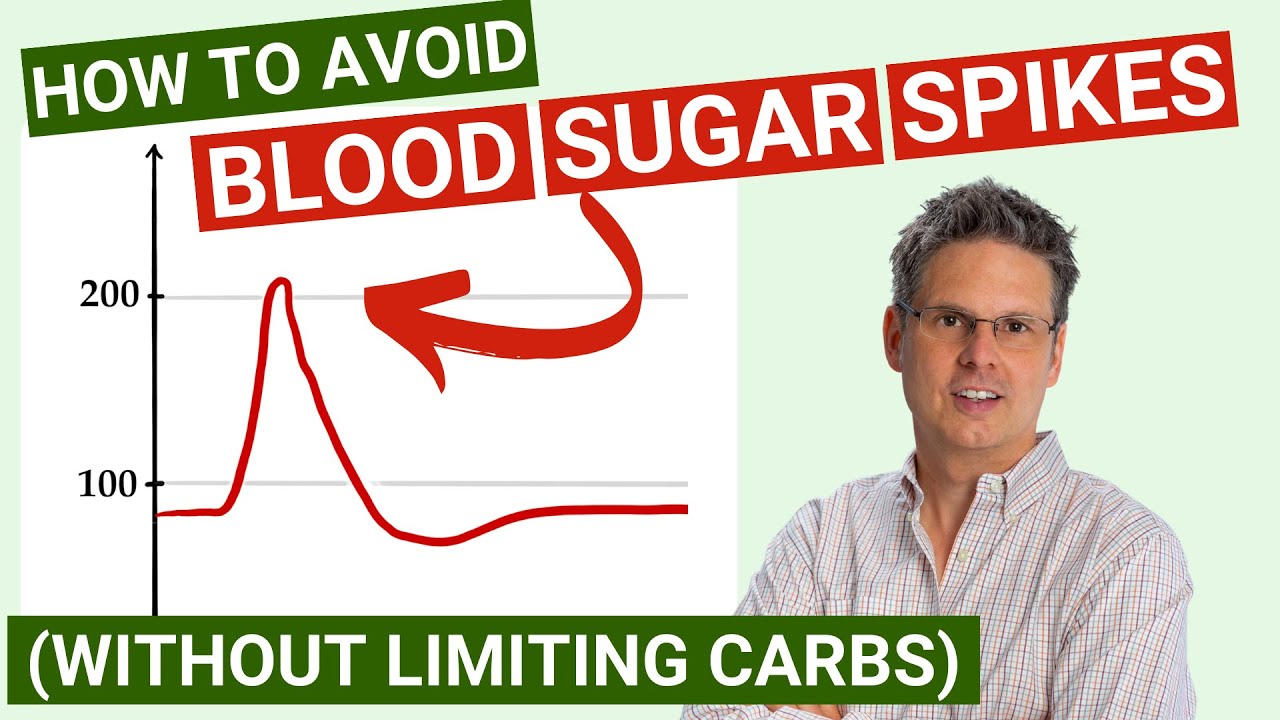
toxins all these things that could go into eating that and it's it's again how often are you eating it and there are all these other factors if you've heard me talk on other podcasts before you know that I believe that tracking your glucose and optimizing your metabolic health is really the ultimate life hack we know that cravings and mood instability and energy levels and weight are all tied to our blood sugar levels and of course all the downstream chronic diseases that are related to blood sugar are things that we can really greatly improve our chances
of avoiding if we keep our blood sugar in a healthy and stable level throughout our lifetime so I've been using CGM now on and off for the past four years since we started levels and I have learned so much about my diet and my health I've learned the simple swaps that keep my blood sugar stable like flax crackers instead of wheat-based crackers I've learned which fruits work best for my blood sugar like I do really well with pears and apples and oranges and berries but grapes seem to spike my blood sugar off the chart I'm
also a notorious night owl and I've really learned with using levels how if I get to bed at a reasonable hour and get good quality sleep my blood sugar levels are so much better and that has been so motivating for me on my health Journey it's also been helpful for me um in terms of keeping my weight at a stable level uh much more effortlessly than it has been in the past so you can sign up for levels at levels. link Health get access to a continuous glucose monitor and the level software that helps you
really uh dial into a lot of these strategies for your life life in your body all right so let's go into the last one this is the this gets thrown around and floated around very often of The Dirty Dozen versus the Clean 15 and again this is where information can be challenging to consume because if you are starting out and you're trying to learn things get talked about in these absolutes avoid the dirty doesn't at all cost only eat the Clean 15 right but if you look and you start to break down certain things well
kale and spinach are in the dirty dozen right but as far as like having a high glycemic index they actually don't at all right like it's they're totally fine in that respect and then you look at the Clean 15 and you get something like corn well sure corn corn doesn't have as many pesticides and toxins in it the glucose responds from corn and we're going we're benchmarking vegetable against vegetable as opposed to saying something like pineapples in the Clean 15 well that's also rocket fuel for your glucose level so what what's the hot take on
this dirty dozen versus Clean 15 when you're thinking about things like kale where people talk about oh it's got a high level of Arsenic and then you talk about things like corn where it's like well there aren't as many pesticides what's your thought on those two things so our ultimate goal is to get as many nutrients as we possibly can into the body to help with our cellular functioning and our Optimal Health while minimizing the toxic burden in the body so that's that's tables spig that's what we want to achieve and toxic burden can certainly
come from pesticides so that's why these lists are really helpful to make things more complex we also want to miniz the collateral damage of certain healthy foods like most plant foods are most unprocessed plant foods are healthy but some carry with them some uh collateral like a really high glucose Spike like with the example that you talked about with corn so this creates some complexity but that's just a framing for like what we ultim want to achieve most nutrients least cat damage least environmental toxic burden so with that we can start to like really you
know go food by food in these lists um spinach and kale are incredibly nutrient-dense foods with almost no glucose Spike so it's like check check but they're on the dirty dozen so they have a higher pesticide load ultimately we're trying to minimize our total our body's total body burden to environmental chemicals that are problematic so it's kind of about dose and like the dose makes the poison if we could eat all organic all the time that's great but if you're eating non-organic every once in a while you know you're out at a restaurant it's not
organic and you you know then I think eating the salad with a ton of spinach and a ton of kale um you know that that's not going to uh that's not going to cause permanent long-term damage we have to think about things cumulatively uh over time if I had the choice personally between eating a huge salad of non-organic spinach and kale um versus eating two cobs of corn actually at this point in my life I would eat the salad the non-organic salad and get all those nutrients from spinach and kale even though there may be
some pesticide burden and I do what I can to minimize that like wash the the food really well um and make sure I'm getting as many other like antioxidants and um healthful things on that salad the best possible scenario I think for people is to figure out how to eat organically essentially for the same price as conventional which I think is totally possible if you're sort of smart and Scrappy about it the way that I approach it is that when I go to the grocery store I am looking for whatever organic foods are on sale
and often when they're on sale they the same or lower price than the conventional food and so I'm looking for highly nutrient-dense plant foods with low glycemic impact that are on sale and what that does for you is that it ends up having you buy things that you might not normally buy which actually is going to increase the diversity of the food that you're eating um that's just one sort of like fun tip that I like to give another is looking for frozen organic food which is often cheaper than the fresh version and has just
as many nutrients so you can buy a large bag of frozen organic spinach often for $2 $2.50 for like a pound of this um and so that's another way to to get those nutrients um organically without such a high price tag of the fresh food so it's definitely important to remember that Frozen produce has just as much generally nutritional value as the as the fresh um as the fresh Counterpoint one other thing to to realize on the these lists is that there's some Trends you'll see the dirty dozen um is all things without peels it's
things where the pesticides are going to be sprayed directly on the plant um and many of the things on the Clean 15 have peels like melons or onions um papaya pineapple avocados things where like the outer layer basically has to be taken off to eat it so also use that as a general rule like um lemon is not on the Clean 15 but I'm assuming given how big the Rind is you know that's one where you might be able to do um non-organic and kind of get away with it and I don't know that for
sure but that's kind of just salt that I I use if it's if there's an outer coating that I can take off um it's probably safer to eat from the uh non-organic perspective [Music]