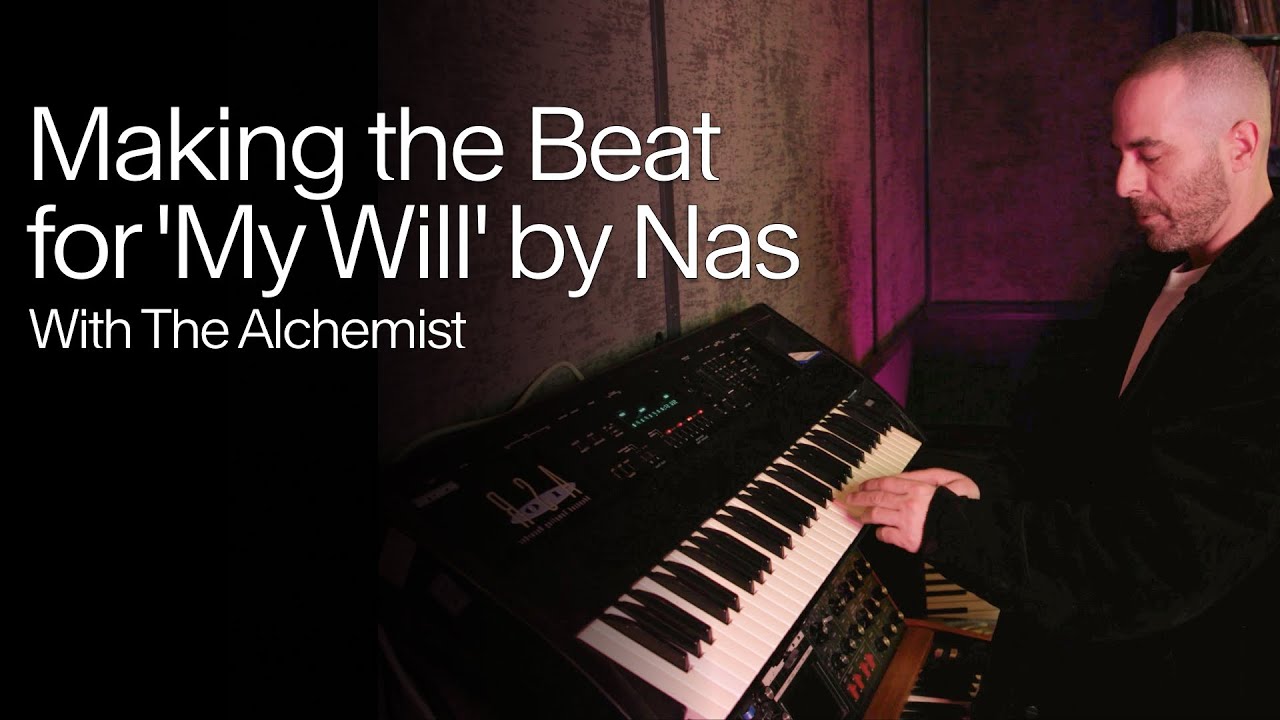
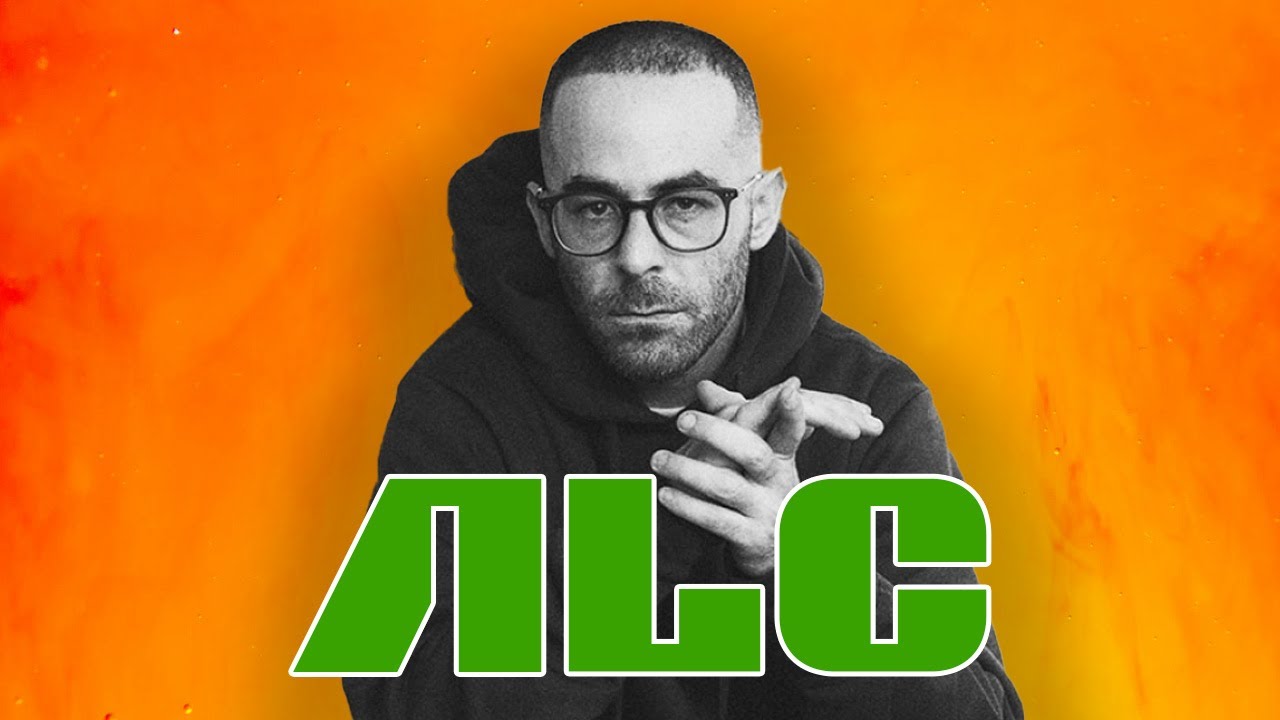
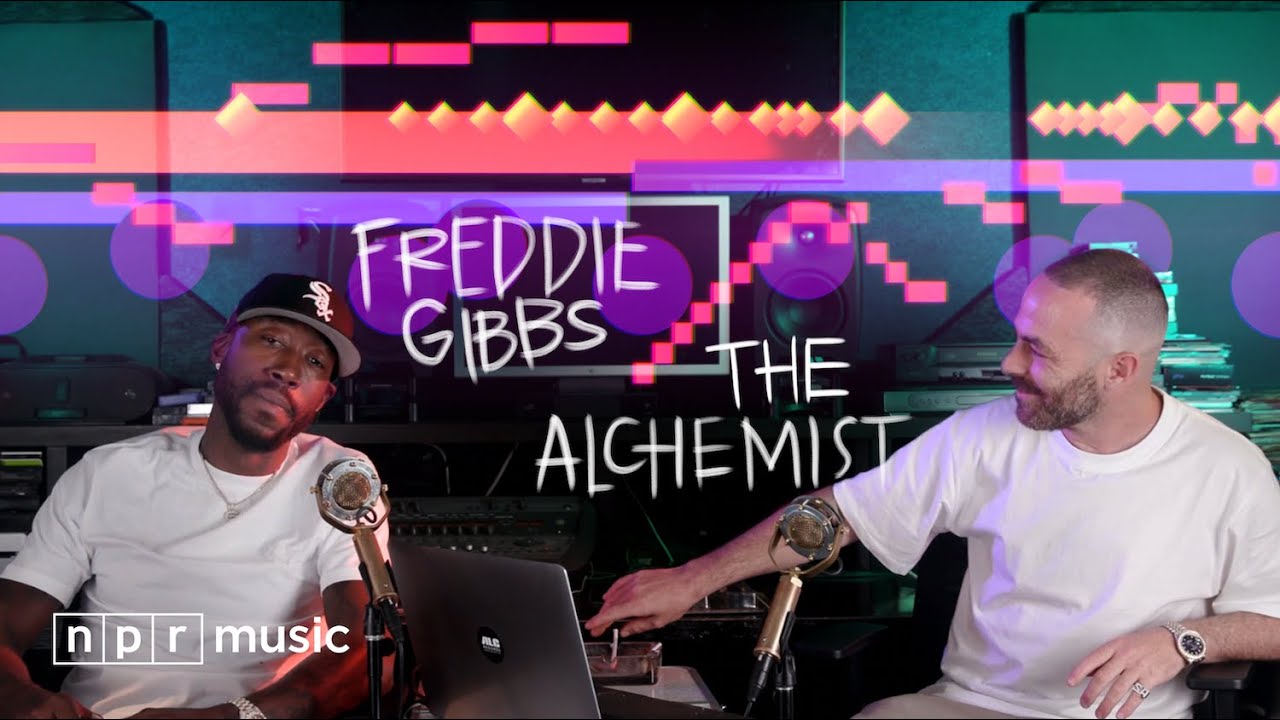
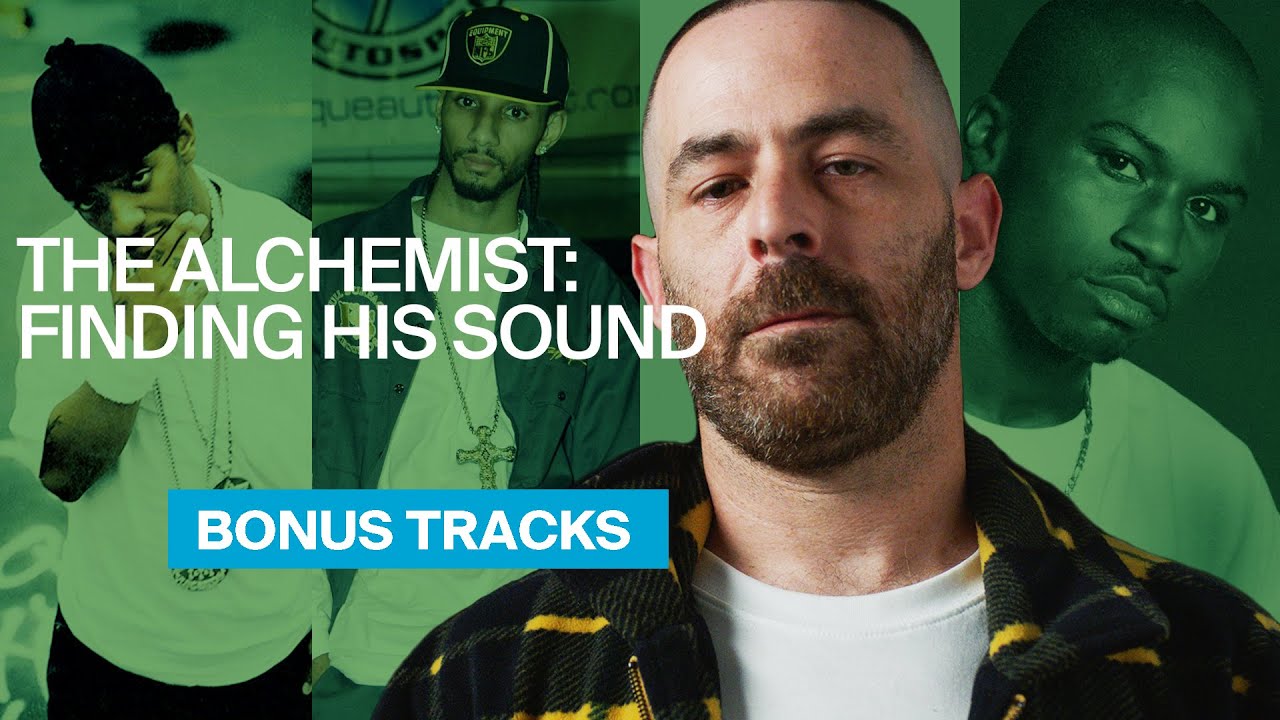
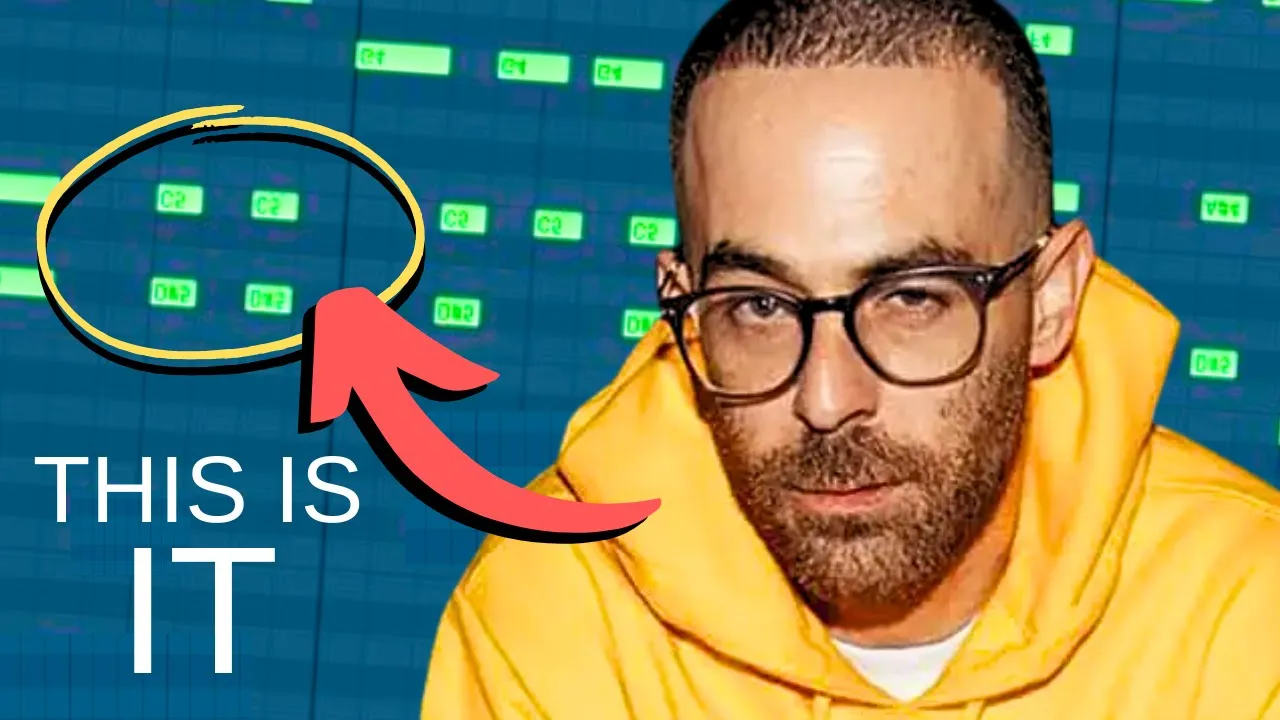
almost 15 years ago The Alchemist made one important decision that changed the trajectory of his career and so it helped him become a critically acclaimed producer get a Grammy nomination and he even had a book written about him I'm assuming this book is about him because I'm actually illiterate but what you might be wondering is what was this big decision that The Alchemist made well let's rewind back in time The Alchemist often talks about how in the early days he was just trying to get a name for himself by working on as many albums as
he could I think I was one of those guys who came in that next generation of producers who was kind of like a nomad like I need to be on as many albums as possible through this he was able to get his Beats into the hands of a lot of the top artists that we all know But as time went on Al didn't like what was happening in music it was starting to feel more and more formulaic and so he chose to do something different he made a decision to change his approach to music he
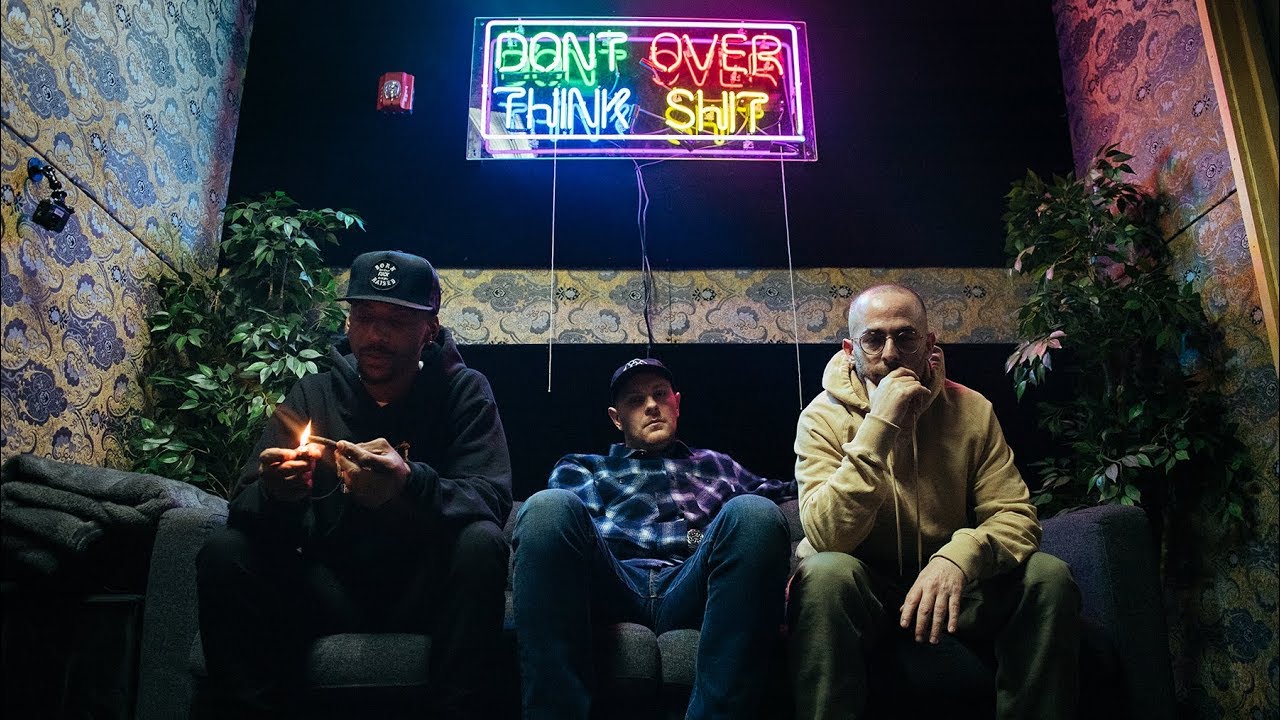
did exactly what the producers he looked up to did the ones I looked up to coming up they all produced whole albums so in 2007 way before the many acclaimed collab albums he's put out today he started with just one he and Prodigy teamed up to put out Return of the Mack and this marked the beginning of a huge change and this album helped The Alchemist develop some really key skills as a producer did it change how you thought about production or making music yeah there's sections of a song right you put in your magnifying
glass and you make each section special So today we're going to dissect some of these key beat ideas that the Alchemists used to make this album so special you'll even see the beginnings of a lot of the production techniques that he still uses to this day on this project and as we do this you can start to pick up on some key beat making ideas that you can use for your Beats as well but before we do think about hitting like And subscribe and if you do um one lucky winner could win this pen here
uh it's blue it's uh it's a big pen so uh yeah you could be the lucky winner so to enter just hit like or subscribe so the first song will dissect is the most popular office album which is stuck on you [Music] now early on The Alchemist decided to make this a concept album focusing on creating a black exploitation sound so we see a lot of soul and Funk samples which is exactly what this track uses [Music] now when you break this beat down it starts off with a very traditional 2000s New York sound we
have the soul sample that's pitched up five semitones giving us that chipmunk Soul sound that was so popular at the time [Music] but as we get into the reverse section we start to have something that feels a bit different and more aggressive so here is the main section of the sample that was used for the verse [Music] apple is chopped up for the verse section is really interesting take a listen [Music] I think this really shows just how important it is to surround your sample with the right sounds and patterns just listening to this chopped
up sample as it is it feels hard to really grasp what the idea is for this beat we have this percussion sound that's really abrasive in the sample and we have that vocal that's in the sample as well that's just singing One Singular note throughout which could make this beat sound monotone and so take a look at what The Alchemist does he builds a consistent drum pattern with a snare and the kick this helps make the percussion sound and the sample feel less abrasive since it's awkward timing doesn't really sound as prominent and affect the
beat as much [Music] foreign [Music] we see something that's more musical which will help keep the Beat from sounding as monotonous this just introduces a lot more musicality into the beat [Music] which we also see once we go back into the hook section and The Alchemist changes the base pattern to introduce even more musicality into the beat helping it sound less repetitive and monotonous do you like just a great beat here and we see some really classic Alchemist ideas that we all know and love but what I find really interesting about Return of the Mac
is that we start to see some really early evolutions of many other production techniques that The Alchemist uses a great example of this is for the beat on stop fronting that was the first beat we saw a traditional approach to sampling which is to chop and rearrange a piece of the sample to make it your own with this beat however we start to see The Alchemist use a collage approach to sampling which is technically more advanced so here is the main sample that's used foreign and for the first layer we have just a single repeating
chop from the sample [Music] but again if he left it here this beat would probably end up sounding really repetitive so here's what he does he finds another piece of the sample from earlier on and he layers this on top of what we have so far and this works perfectly because of where he placed it the drums from both chops align perfectly making this sound seamless foreign [Music] but that's not all the Alchemist then grabs yet another sample and he uses this section [Music] [Applause] and there's at least two different pieces of this sample that
are used he uses this guitar lick at the end of each bar and these strings every four bars [Music] but it doesn't stop there we have a third sample that The Alchemist uses it's that guitar that you heard which is used at the end of every fourth bar so when we take all these pieces and put them together here's what we get [Music] and this collage approach is something that you see in many of The Alchemist modern beats this is something I talked about in an early video of mine on The Alchemist which I'll link
in the description box below but there's one other idea that you see on this album that The Alchemist really pioneered which were beats with a weak or non-existent drums and you can hear this on the beat for take it to the top money and respect when you listen to the sample the kick and the snare which are the main components of a drum Loop just aren't as prominent the instrumentation is the main focus [Music] now what The Alchemist could have done is take the sample minimize how much space it takes up and then added his
own drums into the beat like so but instead we have something that's more raw and for the time especially much more Innovative this beat is basically just the sample as it is with a bit of boosting to make it sound larger and for the arrangement he just uses different pieces from the sample and that's pretty much it [Music] [Applause] [Music] we also had that later part of the beat where that famous Ironside sample comes in [Music] and that's pretty much it this beat is just really raw which is something we started to see more of
from The Alchemist as time went on so you can see working with Prodigy on this album was a real Turning Point a huge pivot in The Alchemist career but it's exactly what helped him have as much longevity as he's had and made him the producer that he is today just an awesome album if you haven't heard it now if you're a fan of The Alchemist I do have another video on the many beat making techniques that he uses so if you want to learn some more in-depth tips check that video out otherwise hit like And
subscribe and uh congrats to whoever wins the pen so I'll see you next week but yeah watch this video