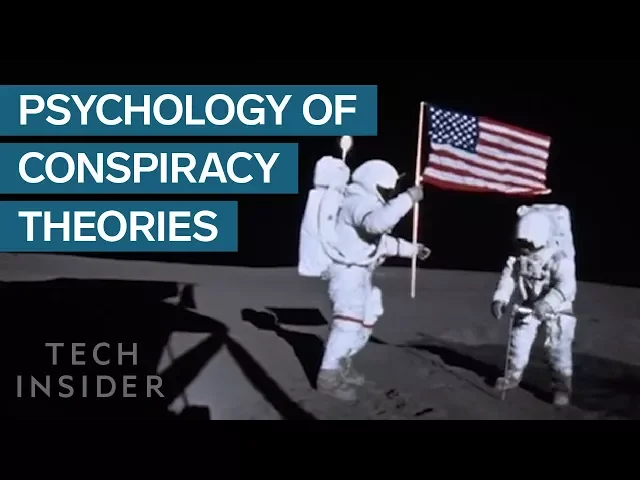
my name is John William 400 I'm an associate professor in psychology from Amsterdam and my area of specialization is conspiracy theories what conspiracy theories always start with a very big of frightening events think of the 9/11 strikes or think of a disease epidemic and people often want to make sense of that they want to understand what happens but stay then they typically tend to fill in the blanks themselves they don't have the information and these blanks often involve people tend to assume the worst so people then tend to assume that these bad events were intentionally
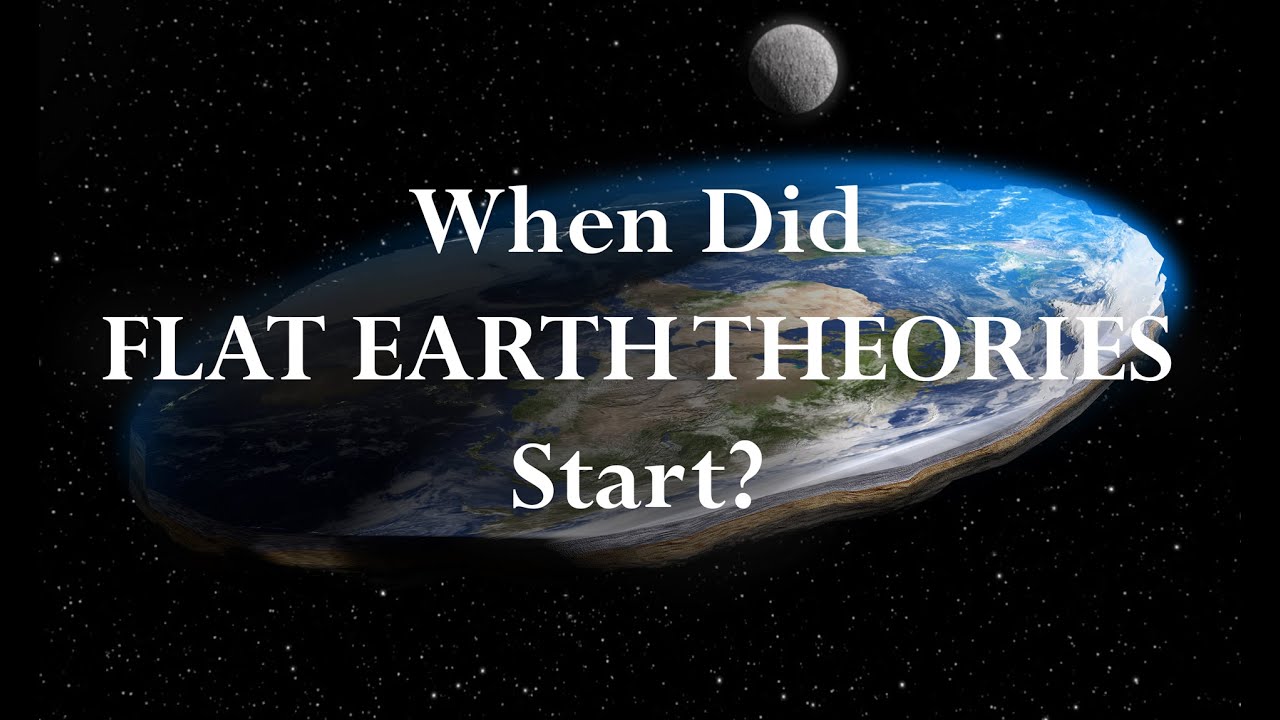
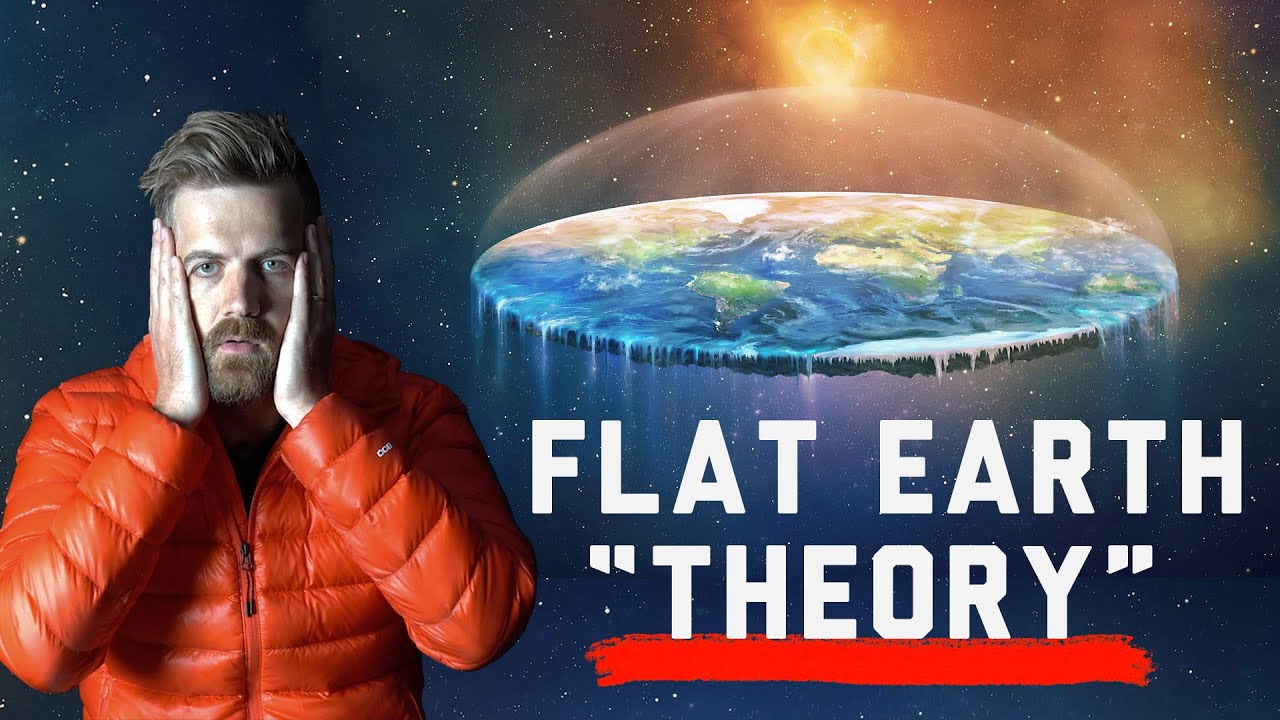
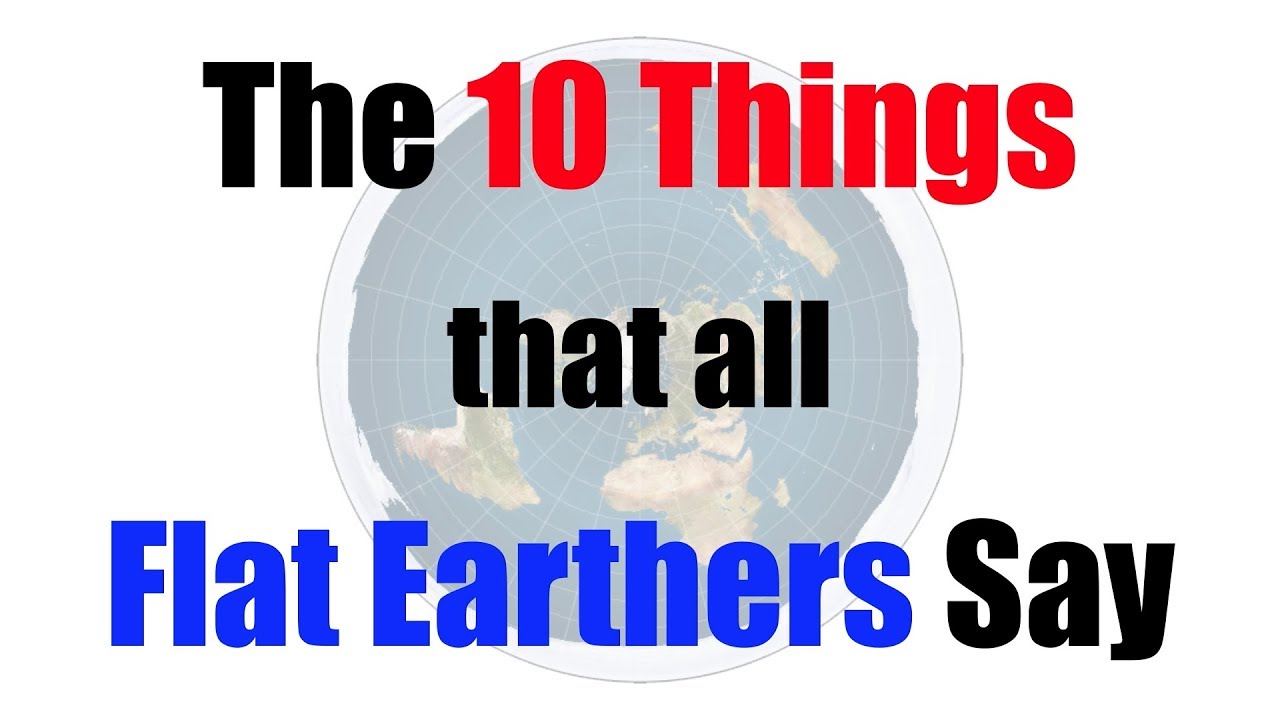
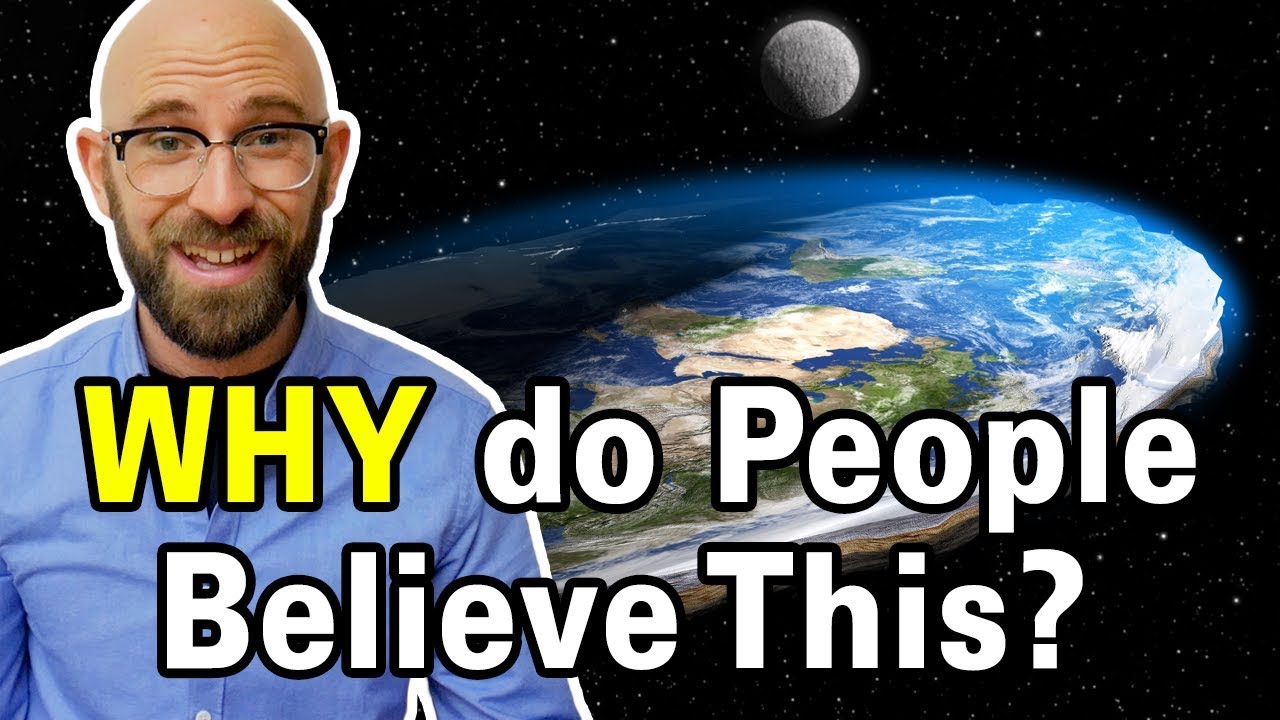
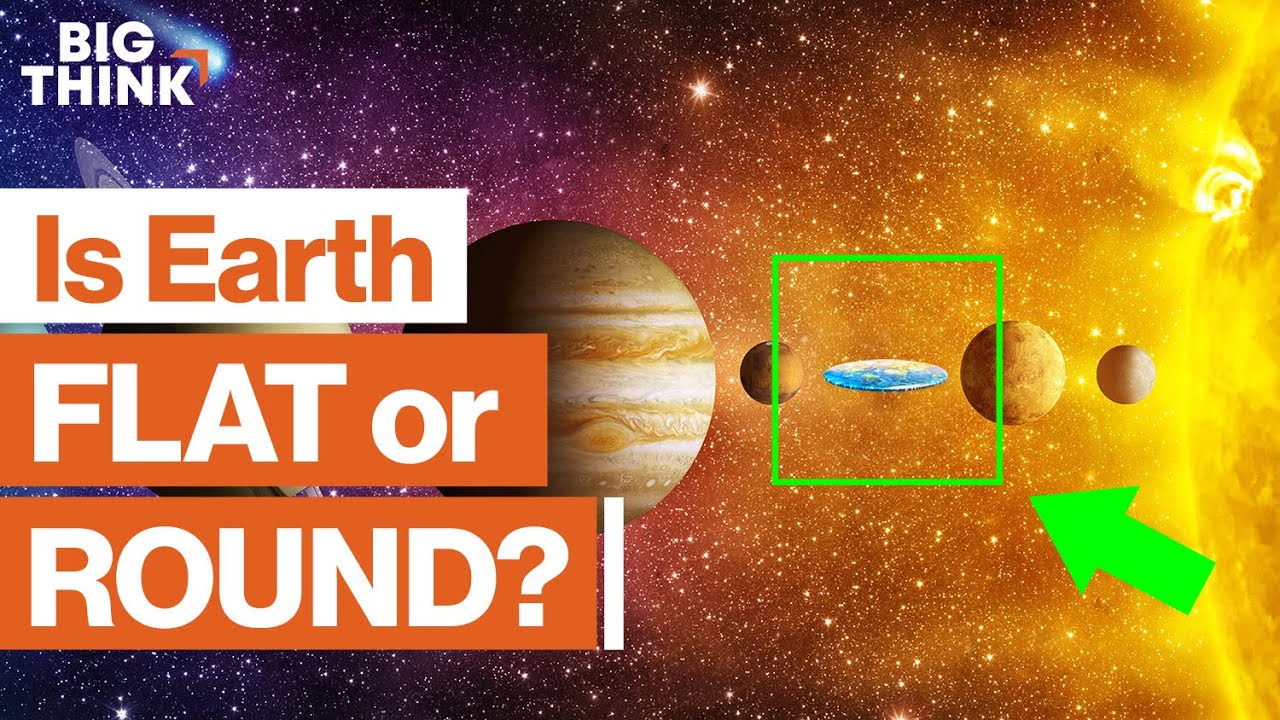
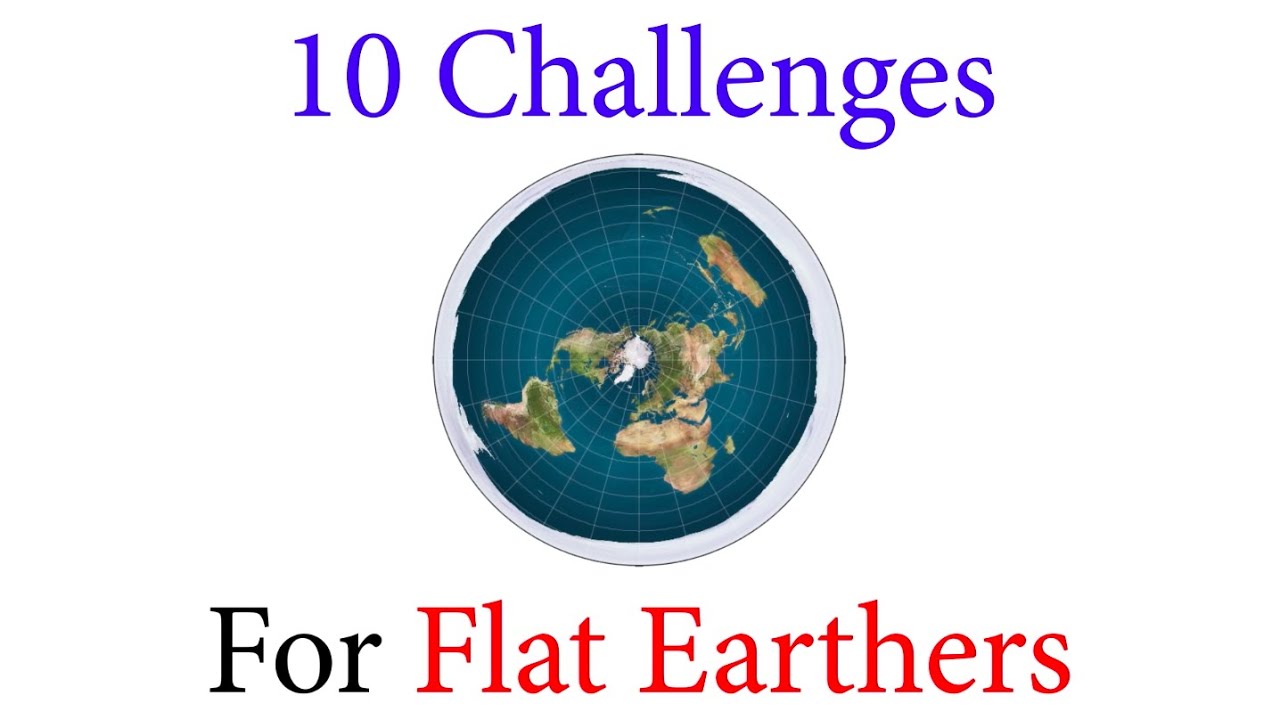
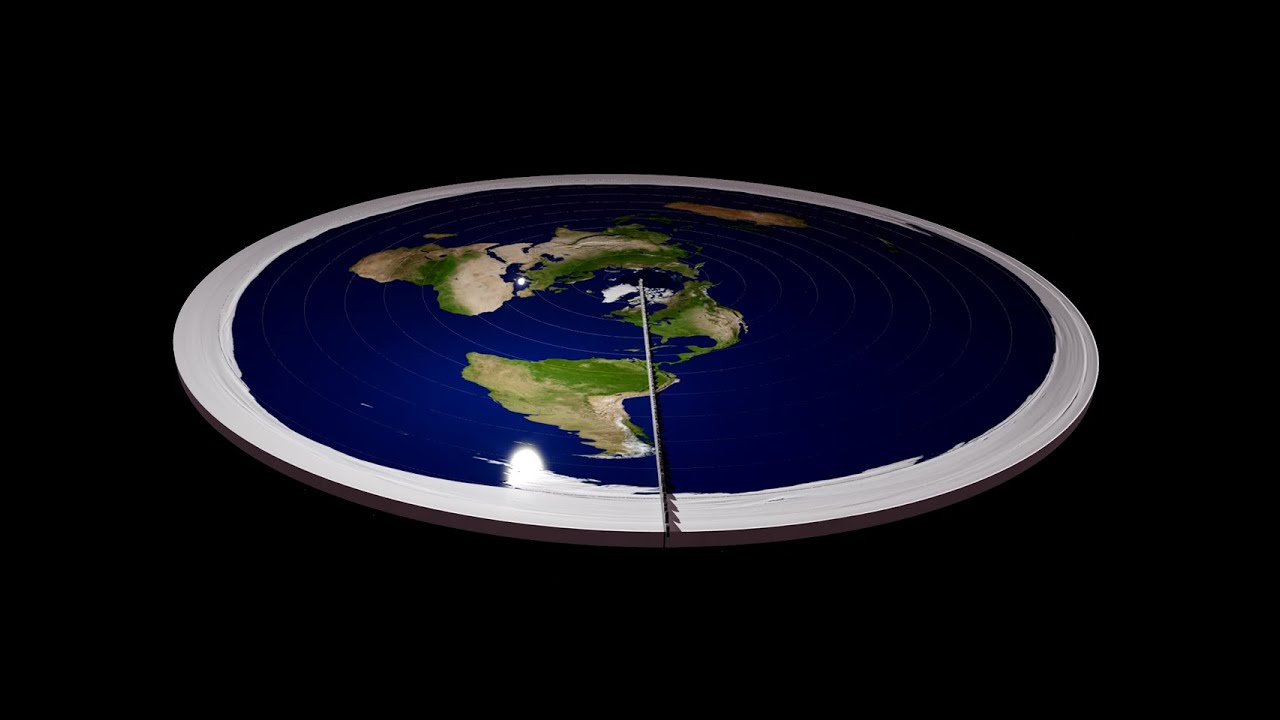
caused by a group of bad people that operates in the shadows that operates its secrets what has baffled me really as a conspiracy theory as outlandish is our the flat earth and Hollow Earth conspiracy theories you know Flat Earth conspiracy theory which is that scientists have been lying to us for 400 years and the earth actually isn't round but it's flat and then there's also the Hollow Earth theory assuming that the earth is in fact Hollow and that scientists also hide the evidence for death and there's a hole at the North Pole where you can
go in you know what has baffled me is that so many people how many people believe that and how they shove away centuries of scientific research what I also find fascinating is Prince of Hollow Earth conspiracy theory was actually a valid scientific theory about 200 years ago and it was also the basis of Jules Verne's novel Journey to the Center of the Earth of course but now yeah we really should know better to me it reflects a complete disregard of what we know for a fact from science you know there's some there's always something mysterious
about conspiracy theories many explanations that involve conspiracy about conspiracy theories say it's response to fear it's a frightening situation I think there's also an elements another element to that it's also you know a conspiracy theory we can also be like an exciting novel or like a thriller like a detective sort of a whodunit and I think that also sort of explains the appeal to them also among people who may not even believe in them because people who don't believe conspiracy theories also tend to find them fascinating or like to read about them or like to
hear about them so yeah I think that's can explain the draw of these theories among such a wide audience some conspiracy theories you know can be you know relatively you know that they do have it they always have an impact let me put it this way but I think some conspiracy theories that go widespread can have an actual impact and not always for the better and what we believe drives our behavior that belief may be true it believe may be false but what we believe drives what we do and to give you an example if
a belief such as that vaccines cause autism and pharmaceutical industries conspire to hide the evidence for that if that goes mainstream and it has gone mainstream actually this can have devastating effects lots of parents who don't get a child vaccinated and we now actually see in various places a renewed search of illnesses that's you know are preventable by simple vaccines so you know sometimes conspiracy theories can go widespread and that the consequences of this aren't always necessarily good