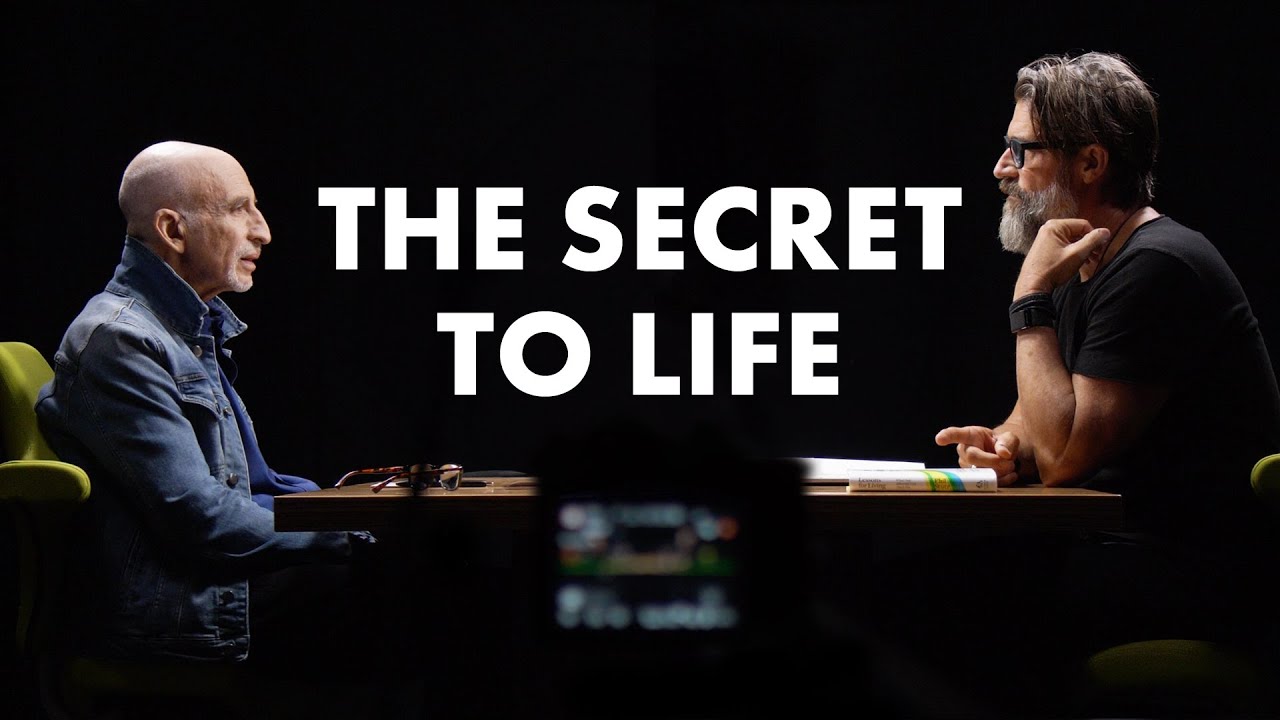
so I consider myself both a failed endurance athlete and a failed alcoholic and it's one of the things failed alcoholic I drink a lot but I just couldn't quite you know I don't know whether I failed at alcoholism or succeeded I think if you're a successful alcoholic does that mean that you are able to be a functional Drinker for the rest of your life anyway go ahead anyway I I don't know what I am and we we could talk about that later I don't I I quit drinking a couple years ago and you look a
lot better look a lot thinner you look fit your skin looks different I'd actually like to talk about that at some point but it it has been profound I've heard that there's a high that people get MH during the endurance training you know the like once you push through a certain amount of pain there's kind of this endorphin rush that starts happening but I'm curious how you would describe your relationship to pain I mean pain is pain has been my greatest teacher and I think from a a general perspective when you talk about pain or
you want to define the playing field here uh you have to look at the motivation behind the pain the the alcoholic might seek out pain because there's this fundamental sense that you're a piece of [ __ ] and you're worthless and you want to punish yourself yeah to you know validate the the veracity of that you know that that idea um on the flip side you know pain can be this incredibly powerful master and teacher like if you're willing to invite a certain amount of suffering into your life and you develop the the wherewithal the
capacity to kind of see yourself through it to the other side that's very empowering like that's that can be an act of self-esteem if your motivation is correct and you're approaching it from a place of trying to grow as opposed to the former which I already described um in my own case you know pain is really you know pain Pain's really the only thing that's ever gotten me to like change my ways like I'm a stubborn [ __ ] and like I don't really want to get out of my comfort zone and look at my
behavior patterns and my looping thoughts and all my Character defects um so it's only when they Lead Me So astray and have created a sufficient amount of like angst and negative life outcomes that I'm finally forced to like confront the behavior and make the change and that change is being driven by pain so pain can be this lever you know if you're present enough with yourself and have a degree of self-awareness to understand when certain things are going ay and you want a course correct um of course I mean you know better than anybody the
choice is always available availability to do something different you don't have to be in pain to make a change I just think there's something wired into our our you know into ourselves into our into our bodies and into our minds that make us resistant to that until we suffered adequately I've I've heard you talk about the turning points in your life and those uh they're they come from a great deal of pain a lot of times but and I've heard addicts say the same thing that they requireed a lot of pain in order to change
what was it about those times though where you did actually change was it just the requisite amount of pain was it some sort of mix of pain and perspective that you had that that led you to be able to change things around um or was it just the pain itself I mean was there anything that was really um coupled with that pain that that yeah it's a it's a good question I don't know that I have a super satisfying answer to that when I think back on the day that I finally decided to get sober
and go to treatment that morning wasn't dissimilar from a thousand other mornings that I woke up hung over and it wasn't like there was an incident the night before that was a catalyst to that um for many years I knew I was an alcoholic it wasn't like a mystery you know I knew that at some point I would probably I was probably going to have to like deal with this problem I was just unwilling to and I think there is room for um a little bit of mysticism here like that day that I woke up
Suddenly I was blessed with a level of willingness that I didn't have before where did that come from I don't know it wasn't there's no direct uh relationship with any event that had occurred the day before even the day before that it was a a growing awareness that this was a problem that was met with uh you know an a sort of existential angst that was becoming increasingly more intense until one day I was like I'm done yeah you know I'm done um and I don't know why it was that day but I think you
know to extrapolate on that point it was like this portal open there was a you know in the book I talk about like a line in the sand like just this moment where this is the moment and I know if I don't act now that moment will pass and I don't know when I'll be Revisited with the level of of kind of willingness that I'm experiencing now and that was the same experience that I had when you know I was turning 40 and was fat and overweight and sedentary and you know just disgusted with my
career path and very confused about what to do with myself that I once again had a moment of willingness that was met with a sufficient amount of pain that motivated me to like take immediate action and try to do something different um but I don't know like I I can't deconstruct it anymore than that it's an interesting question because I think people tend to romanticize or dramatize ize those turning moment like those turning points and those Rock Bottom moments and what what's interesting about your story is that you had a number of moments that probably
should have been like you got you got arrested you had DUIs you had a marriage that failed like those are all kind of your classic rock bottom moments but it was interesting that you you know you kind of denied your way through all those and then it was a more quotidian moment that you're like oh I got to get my [ __ ] together and you you alluded to the the health decision as well like it's just kind of you wake up one day and you go up a set of stairs and you're like oh
my God I can't do this right I found that true in my own life as well like there's like the big major moments that should have like woken me up to something don't yeah and then it's like a random Tuesday a month later that I'm like oh wait yeah you know maybe I should uh quit drinking yeah yeah the reality is is a lot more mundane than you know the narrative or the story that we can spin from it and it's funny because I was reflecting on this the last night as I was going to
sleep and I was thinking about the number of times that I drove Under the Influence starting when I was a teenage like I was my life was spared a thousand times over you know and any one of those incidents should have been a wake up call could have been a wakeup call on some level it gets lodged in your brain you know that you're you know not acting in your own best interest um but it doesn't move the kn like with true addiction and alcoholism the denial is so powerful and the capacity to rationalize your
your circumstance um is profound and it takes a lot to get to a place where that denial starts to fracture and you begin to see the reality of your predicament and it's it's not something that you can Will upon another person which is why it's so baffling and heartbreaking to in a relationship with someone who's suffering from addiction you know I talk to a lot of parents and um partners of people who are in the throws of addiction and you know they say what do I do and it's like you can you can stage an
intervention whether or not that's going to stick or not it usually doesn't because you can't compel another person to be willing to raise their hand and not just ask for help but like receive that help it's an internally driven thing that's very dependent upon that person's interior circumstances and the elevator you know they say oh you hit bottom like I had lots of bottoms you know and and the day that I got sober was not the worst day right so when you think you've hit bottom there's always another the the elevator can keep going down
and when you're when you're when you're when you are an addict in denial you're always quick to look around and and identify the people who are worse than you and say well I'm not that guy like I'm not homeless I'm not this I'm not that so I'm okay or if I can wake up and go to a job or if I can wake up and go to the gym no matter how horrible I feel then I'm okay and that will you know Propel the addiction further and further and further until it just becomes so undeniable
and then you're faced with that choice hey everybody thank you for watching this was part of the subtle art of not giving a [ __ ] podcast you can subscribe to the podcast anywhere podcasts are available at Spotify Apple YouTube Stitcher whatever you use so check it out thanks for watching talk to you again soon