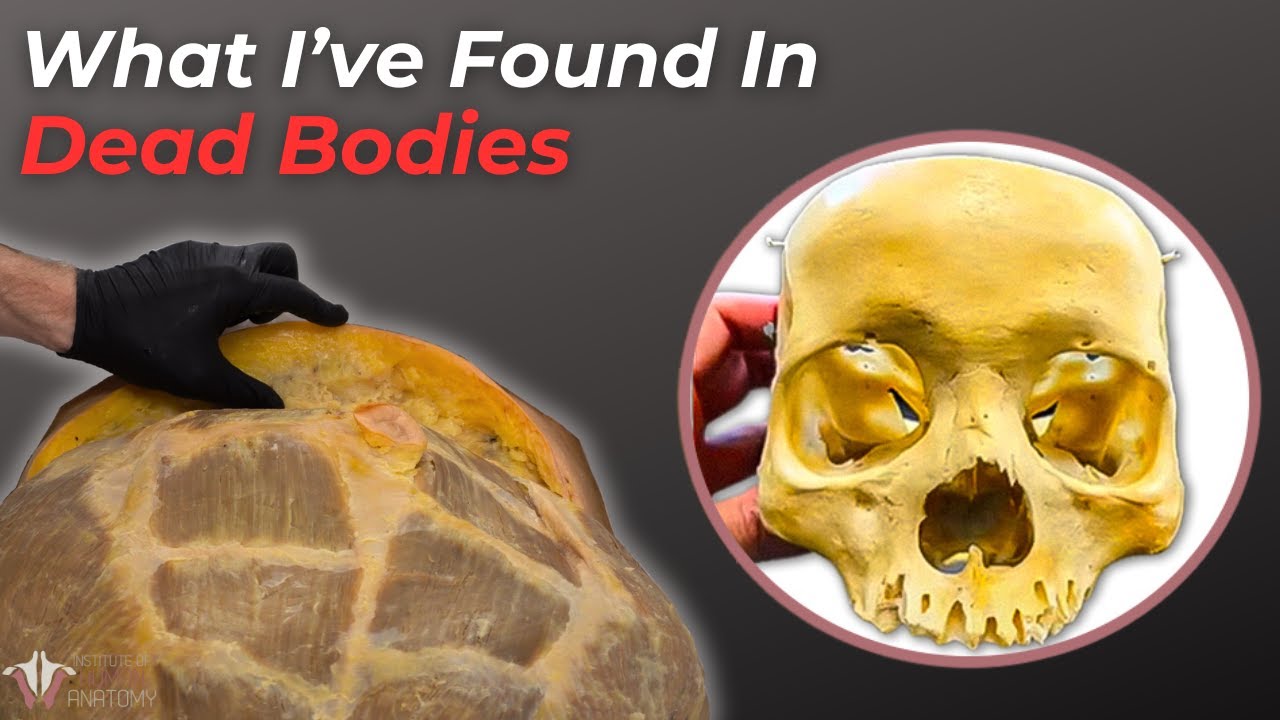
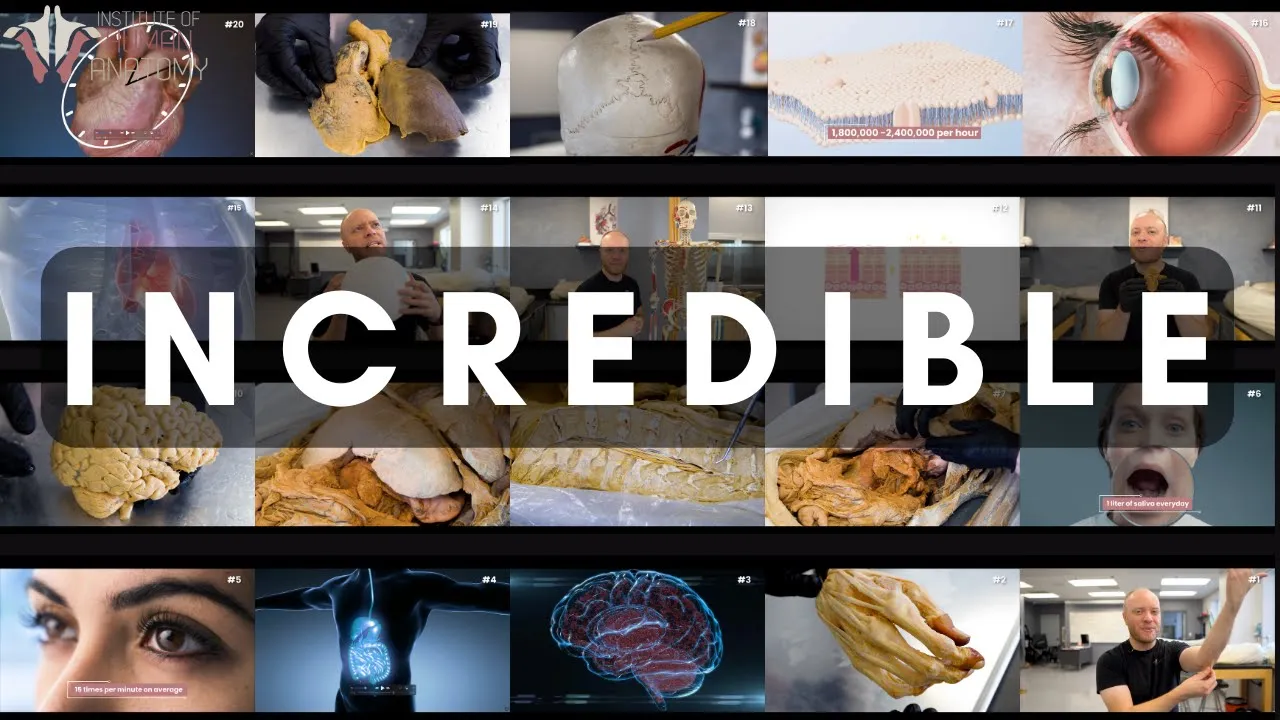
the human body is absolutely incredible and in today's video with the help of the cadavis here in the lab we're going to take a look at 20 mind-blowing facts that help illustrate just how incredible it really is let's do this if someone were to have their heart removed you know like Indiana Jones Style Just minus the forceful entry and bursting into flames the heart could actually continue to beat as it does in Indiana Jones for around 3 minutes and that's because the heart is capable of what's called self excitation which is where the heart muscle itself is what determines when it's going to beat this is completely independent of the brain although the brain can come in there and does play a role in some ways at times I'm just saying the heart doesn't need the brain to beat and this is important because if you had a head injury and you went unconscious and you couldn't tell the heart to beat that's a big problem because neurological tissue can start dying in around 90 seconds or so if you could unfold the respiratory tubes within the lungs and then then lay them flat you would get a surface area around 50 to 75 square m which is roughly the same size as a tennis court this is due to the fact that the bronchial tubes have 33 Generations so what that means is that the trachea here is one generation and then what happens is it splits into the primary broni and that's the second generation then those will split again into the low bar broni creating the third generation that happens 30 three times and it just fills up the entirety of the lungs which is why you're going to have such a large amount of surface area because 33 Generations is just a lot humans are born with around 300 individual bones but by adulthood they reach an average of 26 bones and that is due to Bones actually fusing together to form just larger bones but the reason why I say average is because variability exists within our species and some people possibly even you you have extra bones that the rest of us don't have and a good example of this are what are called wormian bones wormian bones are islands of bone that form within the cranial sutures these wormian bones can arise anywhere within the sutures and look different from person to person so some people may have lots of wormian Bones While others may only have one or none at all determining how many skin cells we lose per day is actually a little more difficult than you may imagine but it's often cited that we lose anywhere between 30 and 40,000 skin cells per minute which would mean we're losing around 1. 8 to 2. 4 million skin cells every single hour which would then mean we are losing between 43.
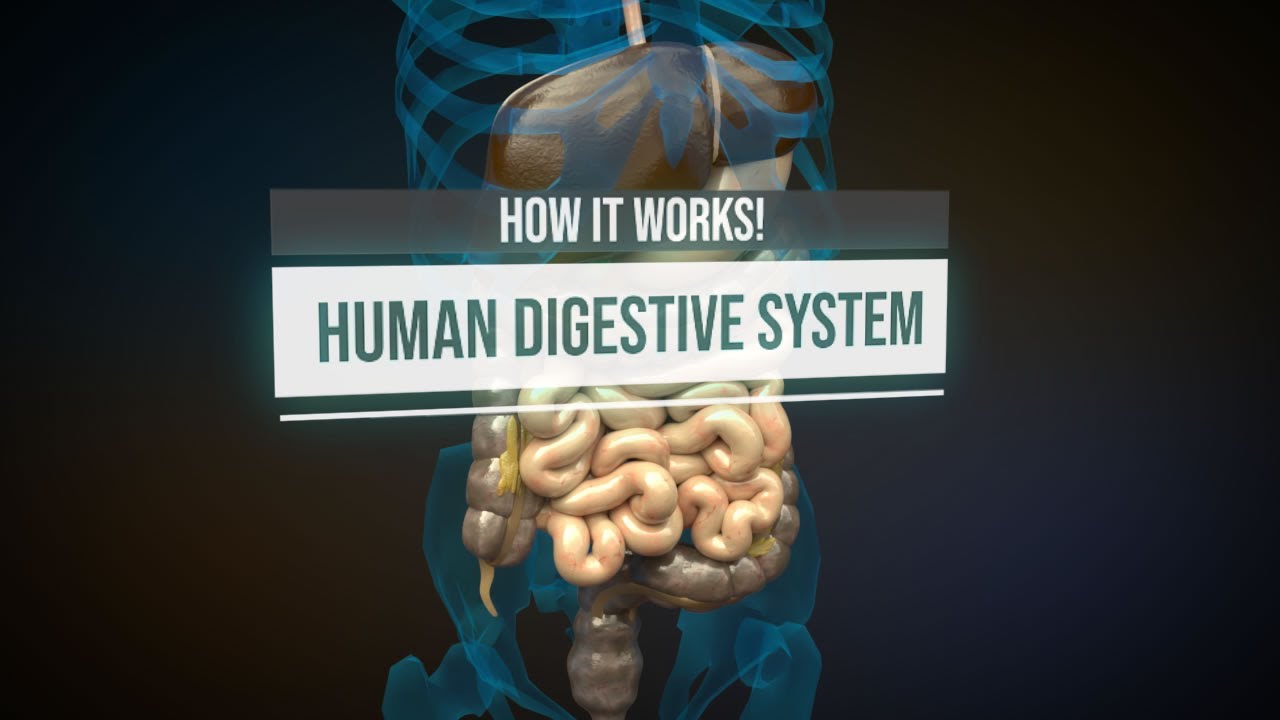
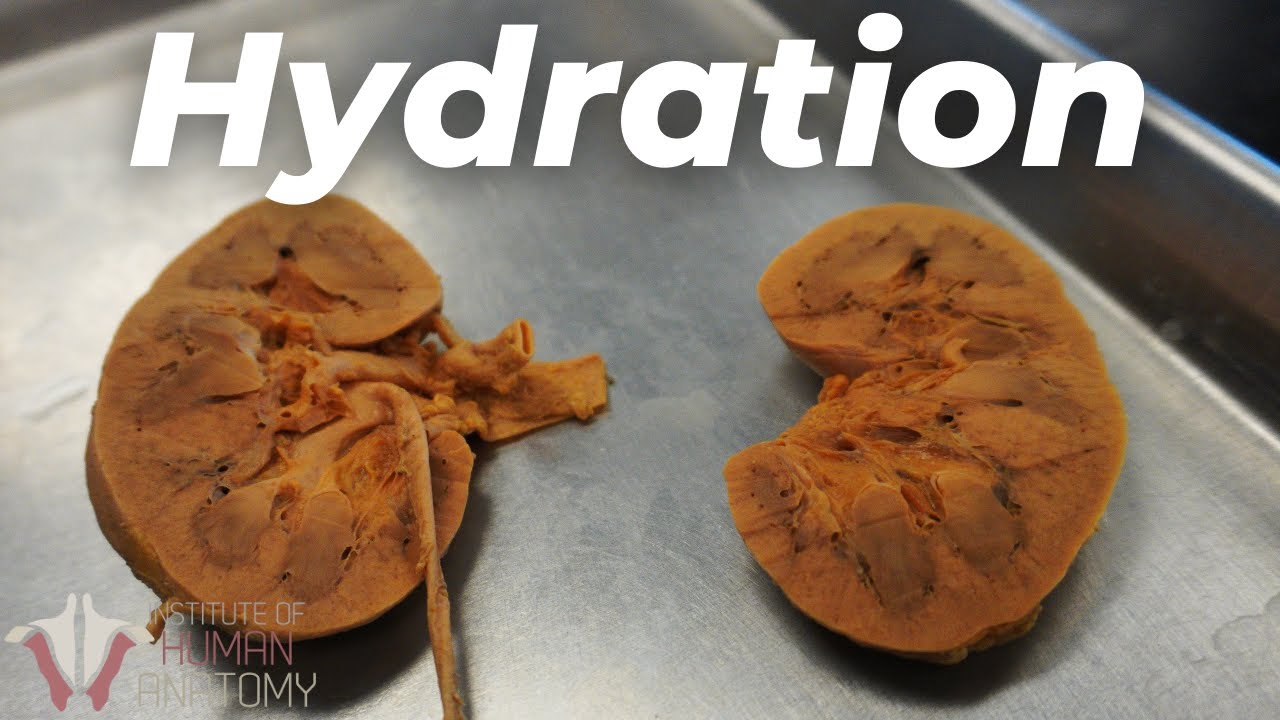
2 and 57. 6 million skin cells every single day that's Dusty the human eye consists of photoreceptor cells called rods and cones rods are active during low light situations and Cones are responsible for processing color however the human eye only has three types of cones which are sensitive to wavelengths that correspond to red blue and green through color mixing lighting and various other neurological processes it's often cited that humans can see around 1 million or so different colors all originating from three different cones the human heart beats between 2. 5 and 3 billion times over the course of your lifetime now given that the heart pumps around 2,000 gallons or 7,57 L of blood per day that means over your lifetime this thing is pumping around 55 million gallons of blood or around 208 million lers of blood that is that's incredible on average you breathe somewhere around 20,000 times per day which adds up to 672 l or 178 gallons of air which is enough to fill up 850 balloons the human skull contains an average of 22 cranial bones eight of those form what's known as the neurocranium which is the portion of the skull that protects the brain and the other 14 form What's called the facial skeleton which is where all the various muscles attached that allow you to make all these funny faces your epidermis which is the top layer of your skin completely replaces itself around every 27 days or so during that time the cells will shrivel get stuck to one another and then burst and their fatty insides will waterproof the skin if you have a faster turnover then the 27 days what'll happen is the skin cells can start flaking and breaking off before they actually die which is why you can see very irritated and even bloody skin your kidneys filter around 190 l or 50 gallons of blood every single day producing around one to two lers of urine during that same time the human brain contains 86 billion neurons and averages around 1, to 10,000 synapses per individual neuron this suggests that there's somewhere between 86 trillion and 860 trillion synapses in the human brain that is more than all the leaves on all the trees in the entire world combined your liver can regrow with as much as 60 to 70% of it being removed however it's not going to be the same shape that's because the Regeneration is optimized for restoring Mass so how much of the liver is there as well as function not its shape so you could end up with a very non- liver looking liver the spinal cord doesn't actually travel the entire length of your vertebral column instead it ends about right here at T12 to L1 and becomes a whole bunch of nerves now watch this this is one of my favorite structures in the human body and you you can see it just kind of like spreading out this is what's called the C equina and it means horse tail and this is going to continue on then towards the sacrum towards the coxics inating pretty much everything and anything Downstream hiding behind the liver and hiding behind the stomach is this yellow bumpy thing right here called the pancreas now the pancreas produces around 1 and a half to 2 lers of digestive juices every single day now here's the thing it doesn't Place those digestive Ju juices into the stomach instead it drops it into the first part of the small intestine here called the dood denum and these juices will help break down fats proteins and carbohydrates an average adult produces about 1 liter of saliva every single day which means over the course of a year you're producing 365 l or around 96 gallons of saliva put another way that is about 28,000 l or 7,400 Gall of saliva over the course of a lifetime which could fill 90 bathtubs up with spit the human eye blinks around 15 times per minute keeping the eye lubricated and free of dust that equates to around 900 blinks per hour 21,600 blinks per day and around 7.
9 million blinks per year and that that was exhausting depending on the substance it can take anywhere between 2 to 8 seconds to go from the mouth the stomach via contractions of the esophagus that means water well will likely go much quicker probably around that 2 second mark But if you're chewing up some dried up crackers for example that's much more likely to take around 8 seconds neural impulses traveling through a nerve can travel as fast as 250 mph or 402 km per hour at least at its upper range the speed can vary quite dramatically depending on the myelination or basically the fatty wrapping of the neuron but still I mean 250 mph that's insane there's essentially no muscle tissue in the fingers themselves all the soft tissue you're feeling is going to be skin fat and just various connective tissues the muscle that moves a finger is going to be located in either the dorsal Palmer surface of the hand or in the forearm and then what will happen is the muscle contracts the tendon is what actually goes into the fingers that will then move and then you'll have an action at the Joint but it's not from muscle tissue being in the fingers now I know this is going to break some hearts but this is not the wenus this is just elbow skin I have no idea where this term weenus came from it's just elbow skin bite-sized facts like this prepare the mind for full-size portions of information there's power in small targeted lessons like this and that's true whether you've never taken a biology class before in your entire life or if you've taken many biology classes throughout your educational career and it's also a big reason reason why we're proud to say that this video is sponsored by brilliant Brilliance is an online learning platform for stem subjects that is math science and computer science they have thousands of lessons and are adding more every single month brilliant is fun interactive and they have lessons for whatever your skill level may be right now I'm doing a deep dive into computer science and specifically into large language models I'm obsessed with artificial intelligence and since I don't have a background in computer science Brilliance lessons have been incredibly valuable in helping me understand what's actually happening when I ask chat GPT Bard and other models questions if you're interested visit brilliant.