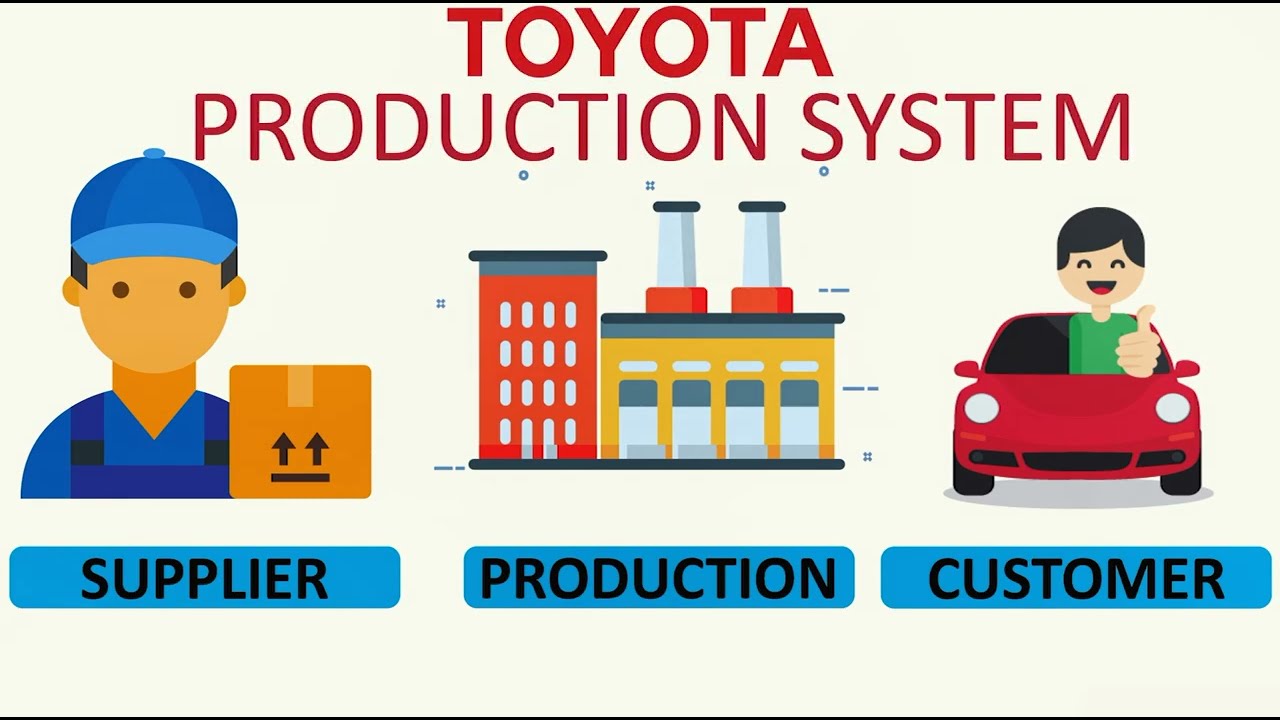
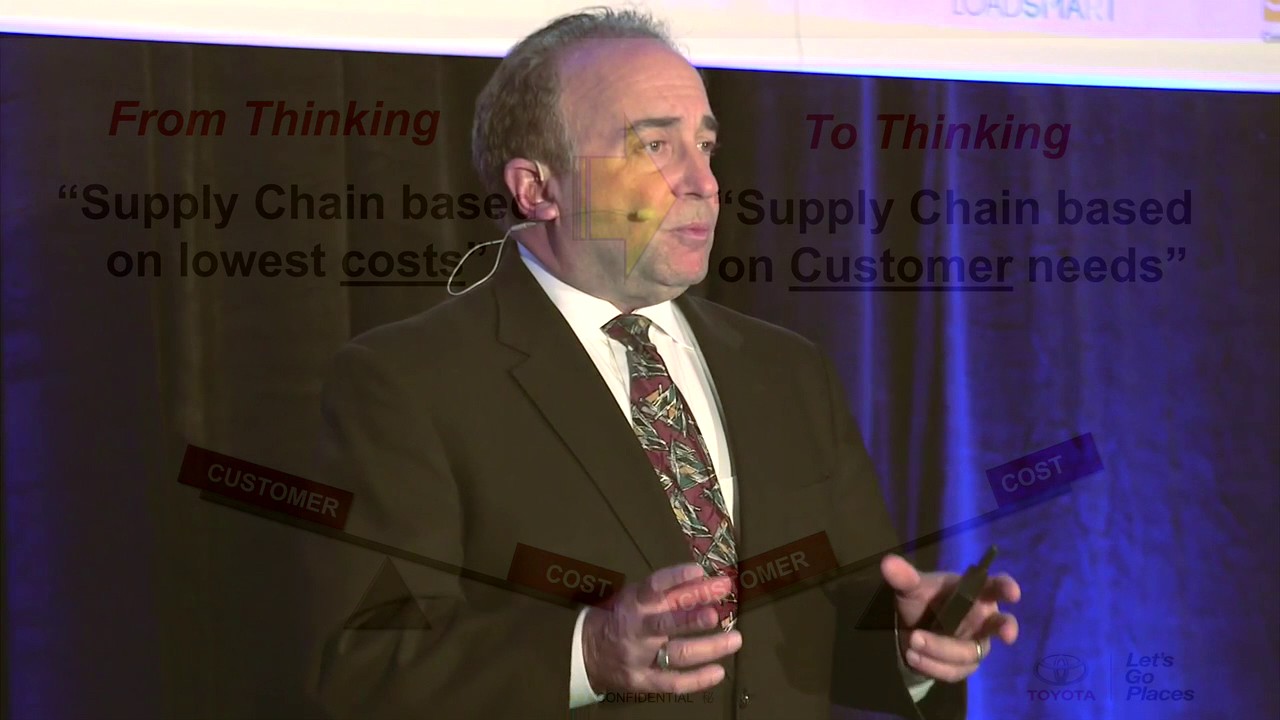
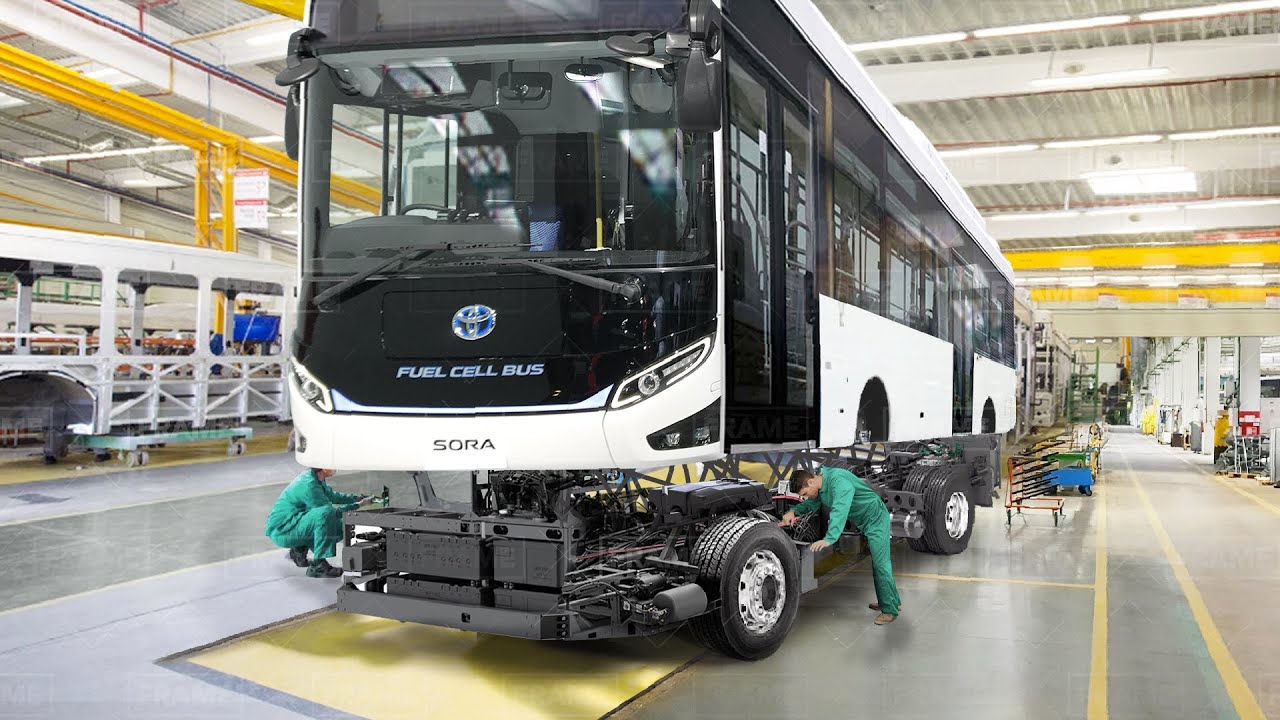
foreign [Music] Supply Chain management in Toyota Motor Corporation [Music] the Toyota production system is the Cornerstone of the company's operations strategy which includes Supply Chain management TPS in the 1940s shigao shingo and taishiono created it as news of Toyota's success spread around the world other businesses began to show an interest in TPS whose concepts are referred to as Lean Manufacturing according to Liker 2005 P 16 the Toyota Supplier partnering hierarchy consists of the following elements shared understanding and Trust interlocking structures Control Systems compatible capabilities information exchange Cooperative Improvement initiatives Kaizen and learning cheat system is
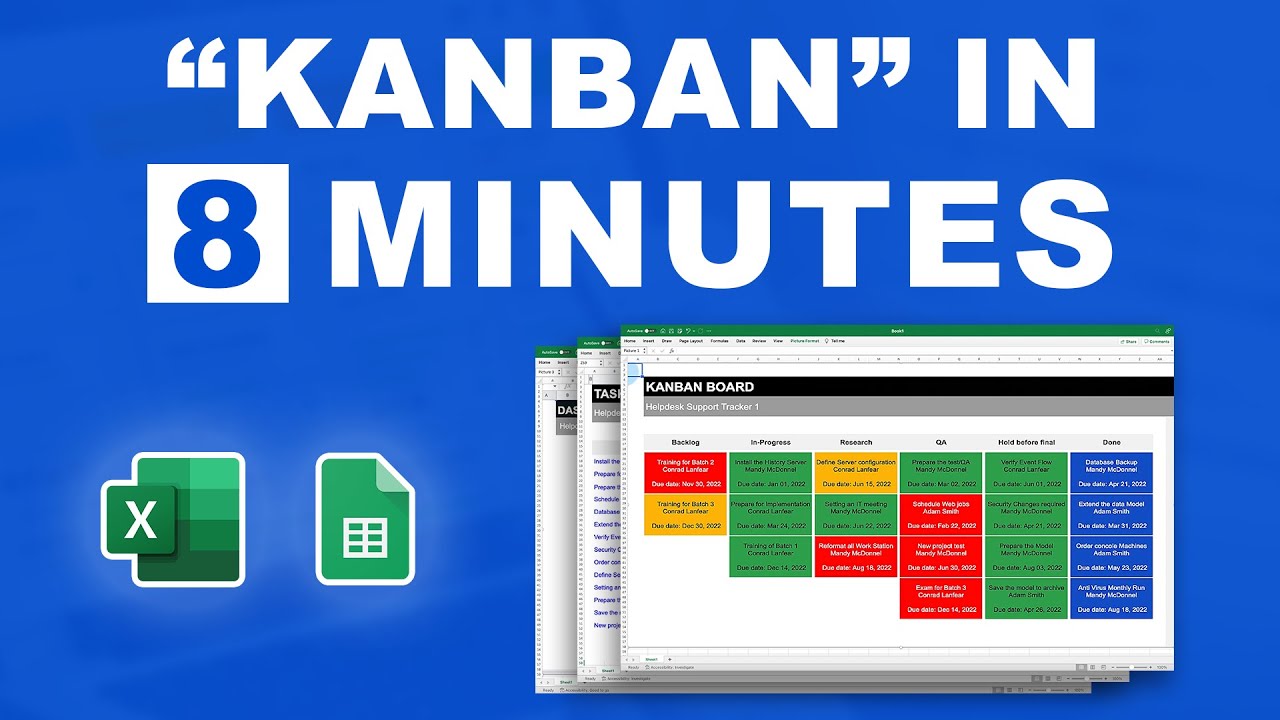
a system that coordinates resources information flows and decision-making processes so that a business can profit from Jeep concepts the components of a just-in-time system include being proactive in identifying issues pull production based on the kanban system Total Quality Management waste elimination inventory reduction through supplier involvement in the planning process continuous Improvement improved equipment and a Cooperative mindset each component travels with a card in accordance with kanban only when that part has been utilized the card is removed and signals are used to restock this part will new stock be necessary because there are only a few
parts in Toyota and a consistent need for them kanban is successfully integrated into the company's manufacturing system a low product mix and infrequent exchanges are further issues any company's Supply Chain management includes capacity planning for its unique business Toyota approaches capacity Planning by working to get rid of inventories Toyota largely relies on the pull mechanism to accomplish this goal the major goal is typically continual Improvement a lean concept is another example of operational excellence that was developed by Toyota and then embraced by other businesses throughout the world lean is built on a pulse system where
the removal of waste is considered as the major goal and it attempts to achieve the elimination of all waste as well as greater customer service by using just-in-time Inventory management a business can obtain a Competitive Edge by limiting the quantity of inventory it has in its warehouses and only ordering parts as needed the just-in-time manufacturing theory states that new material will only be produced when the current supply of that material has run out Leica illustrates Toyota's seven main categories of non-value-adding waste in the Industrial and Commercial sectors and he also offers an eighth category these
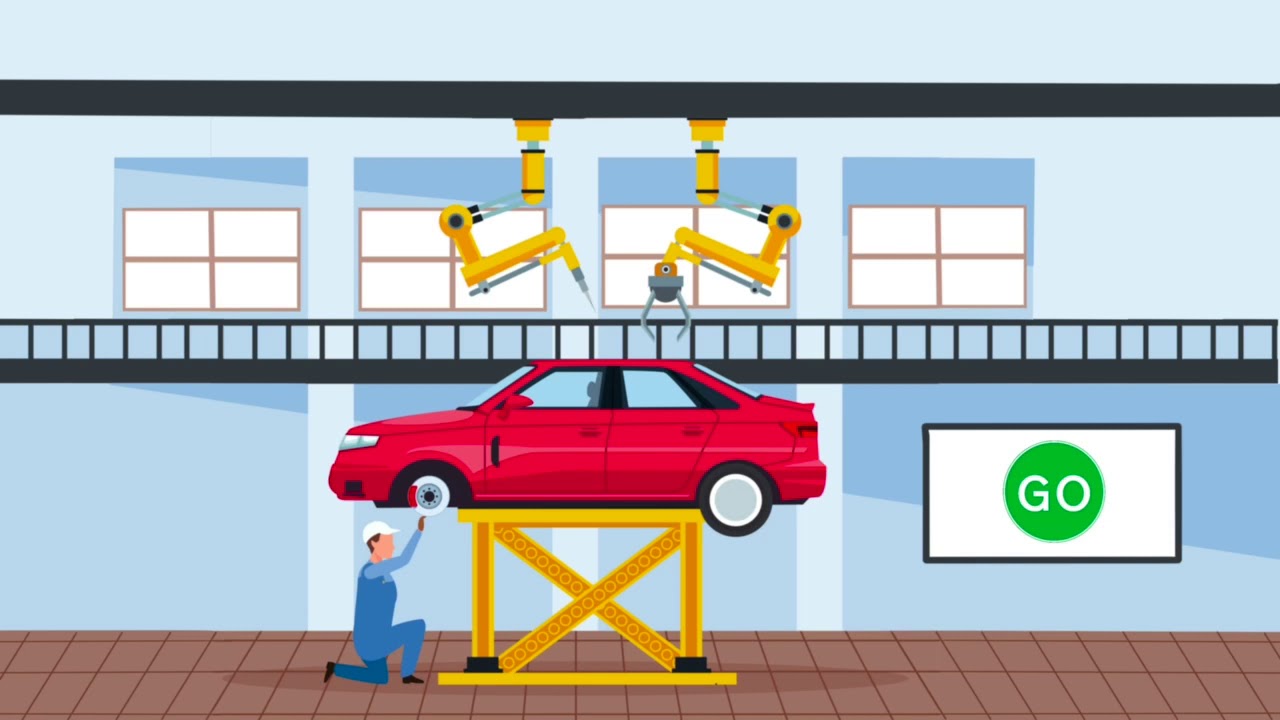
include overproduction holding up needless movement over processing or wrong processing excess inventory waiting wasteful transport unneeded conveyance flaws and underutilized staff inventiveness companies are compelled to look for ways to get a Competitive Edge in today's fiercely competitive Global Market if they want to exist at all let alone increase their market share any organization should carefully examine its Supply Chain management in order to find opportunities for improvement a strategic approach must be taken in order to improve Supply Chain management which can save costs and increase efficiency for a business Supply Chain management is only one of
the many successful business practices that Toyota Motor Corporation is currently one of the world's leading businesses at just in time kanban lean manufacturing Kaizen and other ideas give Toyota Competitive Edge and increase efficiency across a wide range of corporate tasks including Supply Chain management other businesses looking to boost their productivity efficiency can consider the aforementioned guidelines and if necessary incorporate them into their own operational procedures of course it must be done while taking into account the employee's degree of education and experience as well as the organization's current culture as a result other businesses can Embrace
some of the Toyota concepts by making certain modifications foreign [Music]