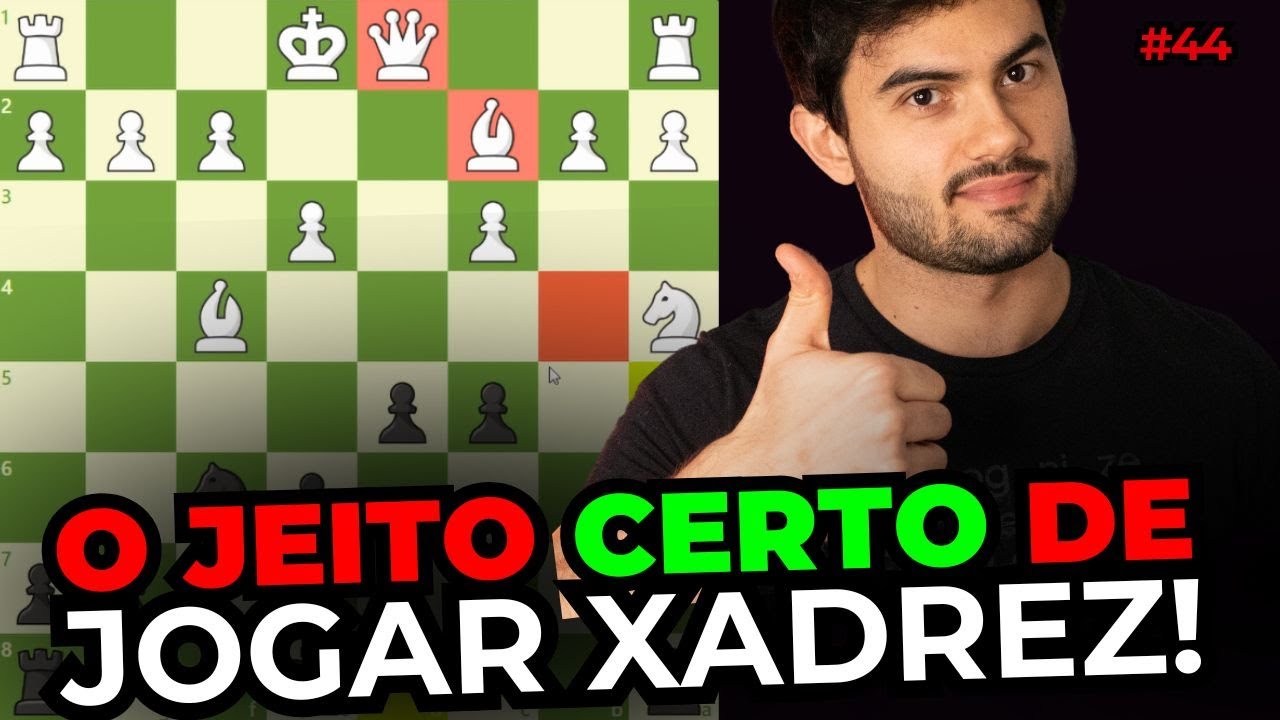
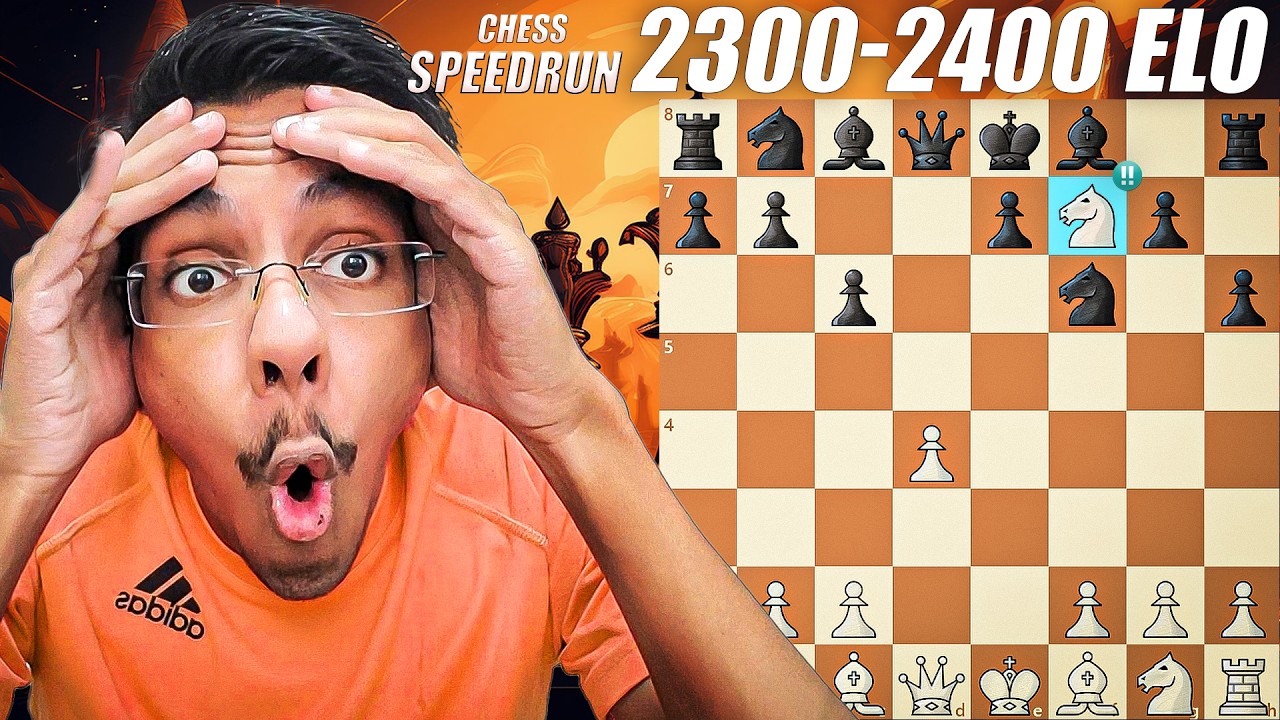
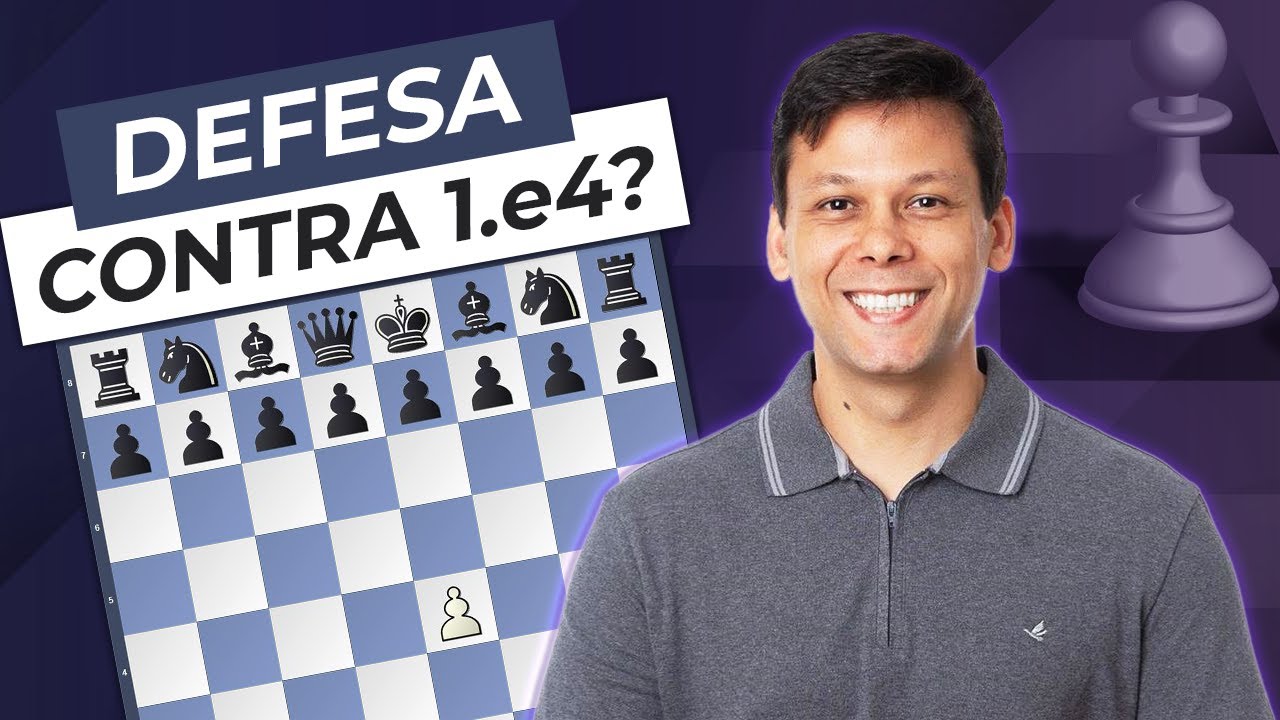
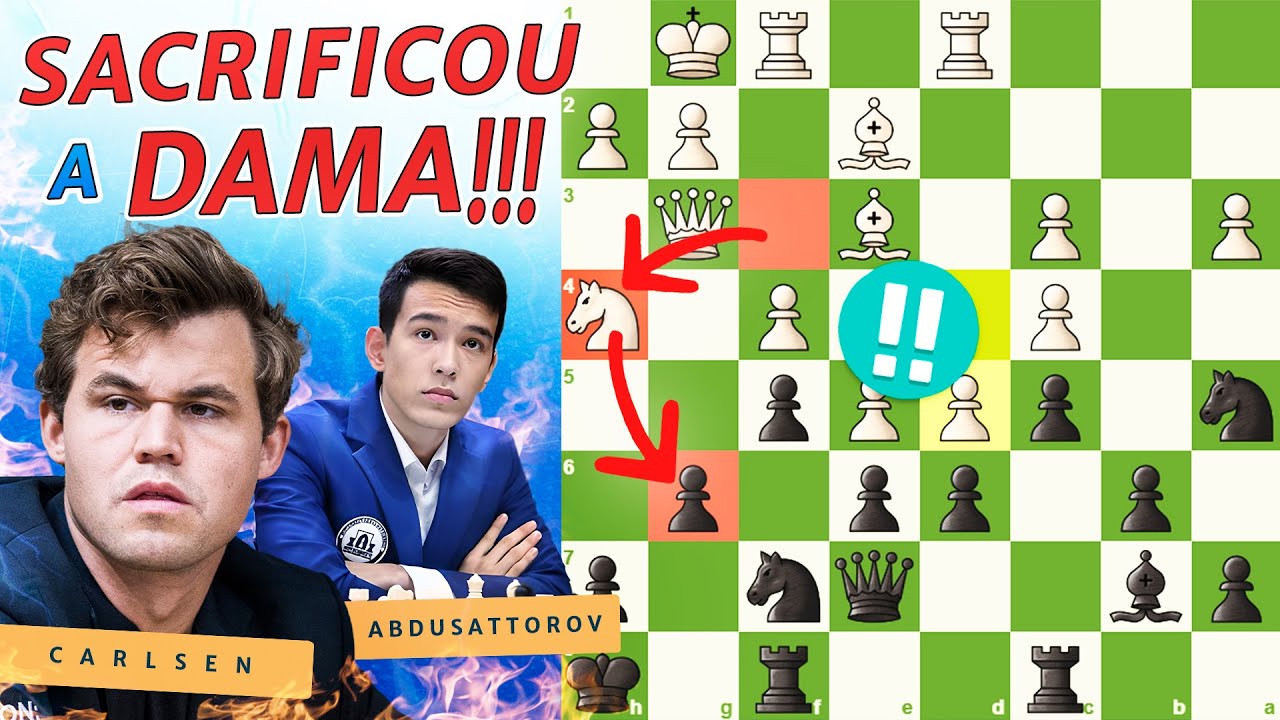
Understanding geometry well will improve your view of the game. Do you want to see it? Chess is not just a game in which pieces fight, but there is a war for control of space, control of positions and squares on the board.
If you can see chess this way, the consequence of this is that you will use the pieces better. make more beautiful moves, brilliant moves and have more victories, so I want to show you some geometric concepts, okay? Don't forget to subscribe to the channel and comment on these videos, okay, because it helps a lot.
The first concept is the lines, which are horizontal lines or in English ranks, these lines are numbered from one to eight, they go from here, from the white player who starts with one to the black player with eight, if you control the Enemy Lines, you will restricting your opponent's movements is a very important line , it's the seventh line here, right? on top of enemy pieces because here are usually the king, the king and the pawns, right? So you start to control the opponent's position, there's a famous chess player Nimzowitsch had a phrase that became memorable, he used to say that Rooks on the seventh rank always compensate for something!
Nimzowitsch was right, I'm going to show you an example of a game here between Caruana and Hikaru Nakamura, look at Caruana in White Nakamura in Black and then the game began such development of pieces, let's see here how Caruana will use the seventh rank to dominate the game is here and they are developing this, exchanging the pieces, suddenly the caruana sees a column here which is this column B and he places his Tower he places his Tower here in this column here and then he goes and plays the rook in the seventh, Nakamura played queen A6 when the best move would be to turn down here and there's a check here, right, but look, let's see what happened in this game he came here in A6 oh then white Caruana already saw it and gave support here in this rook to keep it in the seventh, right, it didn't take it out of the seventh, continuing then the king came out of the Queen's attack, so Nakamura made a mistake again here and look at another rook rising and controlling the sixth, right, and protected by the pawn here and the Nakamura made a dubious move Here the best thing is to play queen A4 but he played queen C4 And look what happens Caruana managed to place two rooks in the seventh and look here there is a position here that is controlled mate is inevitable, right in this move Nakamura he even abandoned it because he had a forced mate in 10 moves, if by chance Nakamura played the knight here in F3 forced in 10 moves, I'll show you here, there's no other way when the rook goes up there, oh, it's not over There's more way, so you've seen it well. Like the rook in the seventh, Nimzowitsch is right, it becomes very powerful, even if you control it, it restricts the king's movement, right ? In the case of verticals, we call vertical lines columns, right?
They are called aah, okay. What type of piece that explores columns well? the rooks when the files are open open column is when there are no pawns it can be semi-open if there is only one pawn on one file and the open file is completely open when there is no pawn so they are also very important for placing rooks, doubled rooks protecting each other, right?
It's interesting to use these columns Let's show you here a very interesting game that was played by Rui Lopez and the white player really used the columns with mastery Look at the opening Rui Lopez took here took there shovel took knight so resumed Look, this is an open file there are no pawns and White's player has already placed his rook on E1 here the king has already left there he lost Castling and look this rook was already threatening to enter here too so Black has to play This pawn here to avoid it, look, now White even sacrificed This bishop because their idea is really Look, now the Queen is also controlling this, this column is the column And then the Queen came here, they do this, look, what an interesting move the Queen will fall, right, because there may be a change the other rook on the open file Look, there's no other way, the Queen lost a spade, bishop and now it's a matter of some Launch the Queen, exploring another open file here with the help of the bishop, it gave checkmate, right? Look how cool this is, a very good attack, and in this one, a game that also went down in Xiró's history. Look, now it's Black's move, they have the advantage here, they are.
with an advantage of 3. 7, they have an advantage for Black, but look what happened with this move because Black played queen E4 with the idea of exchanging queens, right ? advantage, but when they made this move the advantage passed to White because Why did Shirov make a masterful move here, the rook D8 check the rook cannot be taken by the knight the knight is pinned so the rook cannot be taken by the knight if the king comes here this knight is blocked blocked there even if you take it here, black can't recover the Queen They can even take the rook here, right, but they lost the Queen the knight is still blocked Look, right, and white will win this game and look what happened next, wasn't that the king took the rook, that is, now this knight unnailed but this one pinned and the Queen came here and White took the queen and the knight can't come back because he's pinned and Shirov won this game, it's very interesting, right?
Another thing about geometry that you have in games on the chess board that you should pay attention to are the diagonals and there's this big black diagonal here, right, from A1 to h8 and this big white diagonal that goes from ao to H1 right, if you place a bishop here or here you have magnificent control of the Board passing through the central squares, right, an important detail when you place a developed bishop here, faneto, try to avoid placing a knight here, right, because it will limit the bishop's action, right, so if If you could develop the knight here, it would be better, right? Because you make this Bishop have maximum performance, after all, he is controlling this entire white diagonal here, right, look at this match here between Kasparov in this position. Kasparov is in white against Portisch in 1983.
Look only Kasparov has two bishops controlling important diagonals on top of the black Roque, what did he do in this move he started sacrificing the bishops look here he sacrificed the first Bishop here the king took the rook came it was like an exchange, right? Kasparov he took another bishop, okay, but look, then the king came back and now he sacrifices the second bishop and the gate took it. Now White has the way open, right ?
F8 the Queen came here threatening to Mate here, right if the Queen comes here it's mate for Black They played f6 the knight came here giving check the rook took White they took back the rook Black can't take it because the Queen is protecting the rook here the Queen came here to C5 queen H7 now the Threat is to come here right now White is still attacking right and the rook came here queen went there check King came rook came see Kasparov's maneuver two rooks going to attack only heavy pieces now huh Look, the king has already come to White's camp and here because there was Mate in three arriving, look, even if he does this kind of thing, look at checkmate, right, so he ended up abandoning as you saw, Kasparov saw those diagonals controlled by his bishops, he sacrificed the bishops and opened the columns for attack, so it is very important for us to observe this part of the geometry and in addition to lines, columns and diagonals, there are other patterns that we can observe on the board this one is a very basic concept of chess this Central square here with green balls is the center of the Board and this larger square with the red balls is the expanded center So if you have control of the center you can do your pieces have greater action, right, and more importance in the game. Another important thing that we have to observe is about the difference in the squares, right, so there are the squares, the board has 64 squares, half white and half black, right? We have pieces, for example Bishop of Casa Branca Only in the White House is the Bishop of the black house only in the black house so you can observe this and when you exchange one bishop for another you, for example, if you end up with the Bishop of the White House of Black you will have the Bishop of the White House of you, the White House Bishop, very important on the board that he will control a square that you, your enemy, cannot control, right, he will no longer have a bishop, right, so you can use strategies to exploit these weaknesses in a square of a specific color, which we can call weak squares, right?
knight he keeps alternating from white to black white to black the Bishop not the Bishop he only acts in one color, see here , look how interesting this Bishop here the black ones don't t Bishop with a black square the white ones T so they already act in very important very interesting way that if they placing a queen here is checkmate, Black has to try this square with his own queen because this Bishop can no longer act here, right? The pawns also make geometric patterns, for example, and this is important in both defense and attack strategies, for example. a famous chain of pawns is from the French Defense, right the white player does this oops the white player plays D4 D5 E5 look, it's a very geometric structure and very popular in the French defense The advance variant the pawns have a solid structure here, right, there's a base here controlled by this one and it's a very interesting chain of pawns and in the very opening of the London system, White also usually makes a pyramid of pawns, right?
For example, look, let's just assume that White played this, look here, Whites have made a pyramid of pawns here , right ? that you have a passed pawn and a square is formed here, I already made a video explaining this because if this King here is White or Black's move and the King is in this square This pawn won't be able to promote without it being captured, look, the King can whether it's going to be black or white's move, now when with let's go with white, oh man, man, man, man, he's only always inside the square, oh, if he takes, he takes and draws, right, because he's in this position here, oh, the king is out, so if the White's bid, look, he won't go reach because he was outside the square then he can't get close so White wins so the square is also important to be observed this square is formed by the pawn's distance to the promotion it's here in this case What are five squares until it reaches There, right, or four, or five, counting him here, and the king, if he's inside, can reach, if he's outside, he can't reach, something else is domination and the coverage of squares, look exactly here, for example, take a good look at this rook here, a rook in E7, it controls 14 houses 14 Are you imagining that you have nothing in either the column or the row? Look at 14 and a queen controls 27 squares, for example in this position here, it's because she controls the vertical horizontals and diagonals.
Look, there are only 27 squares, that's the geographic maximum for That's why the Queen is the most valuable piece on the board, right below the king, right? Because she can control many squares, she has a very large range, geometrically speaking, right, and the rook, not so many, the rook 14 positions, at most, right, so understanding the geometry part will help you with a better view of the game. You will master the space and with practice.
If you always think about it, you will begin to master controlling diagonals, lines, columns, okay. And you will have a better view of game. These concepts show that chess is a game deeply rooted in geometry and understanding these patterns is essential to improving strategic understanding of the game.