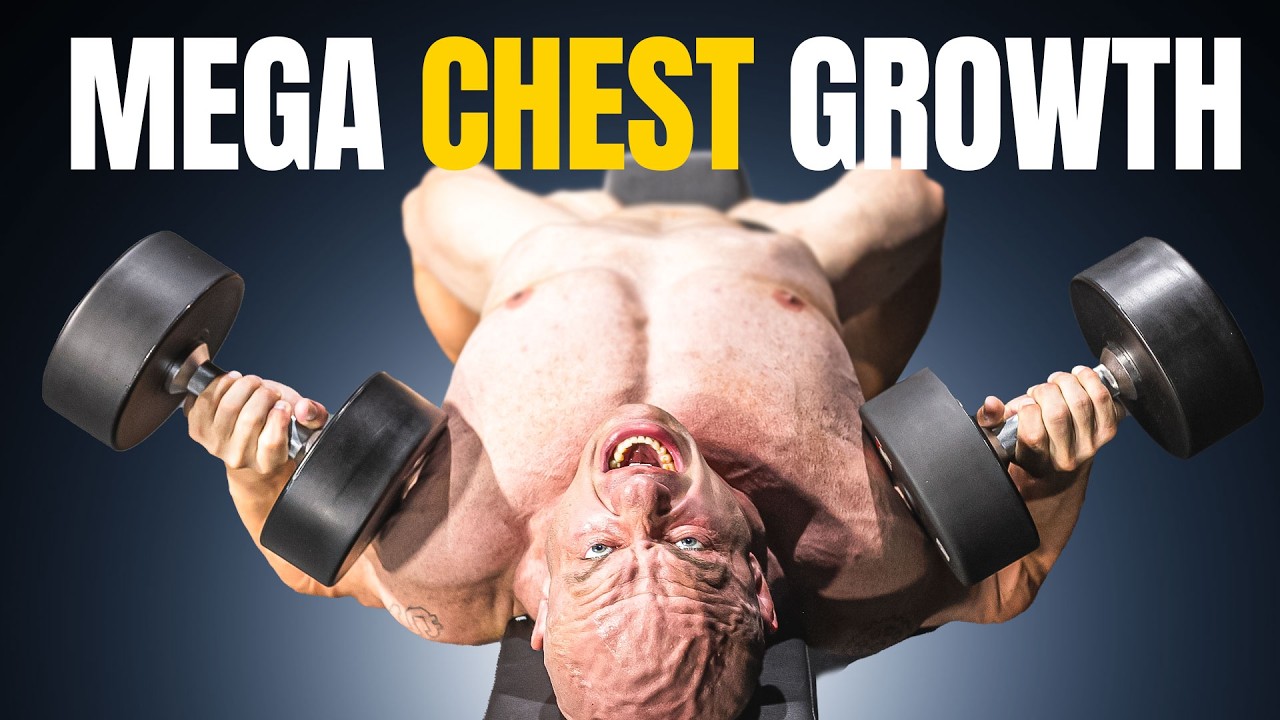
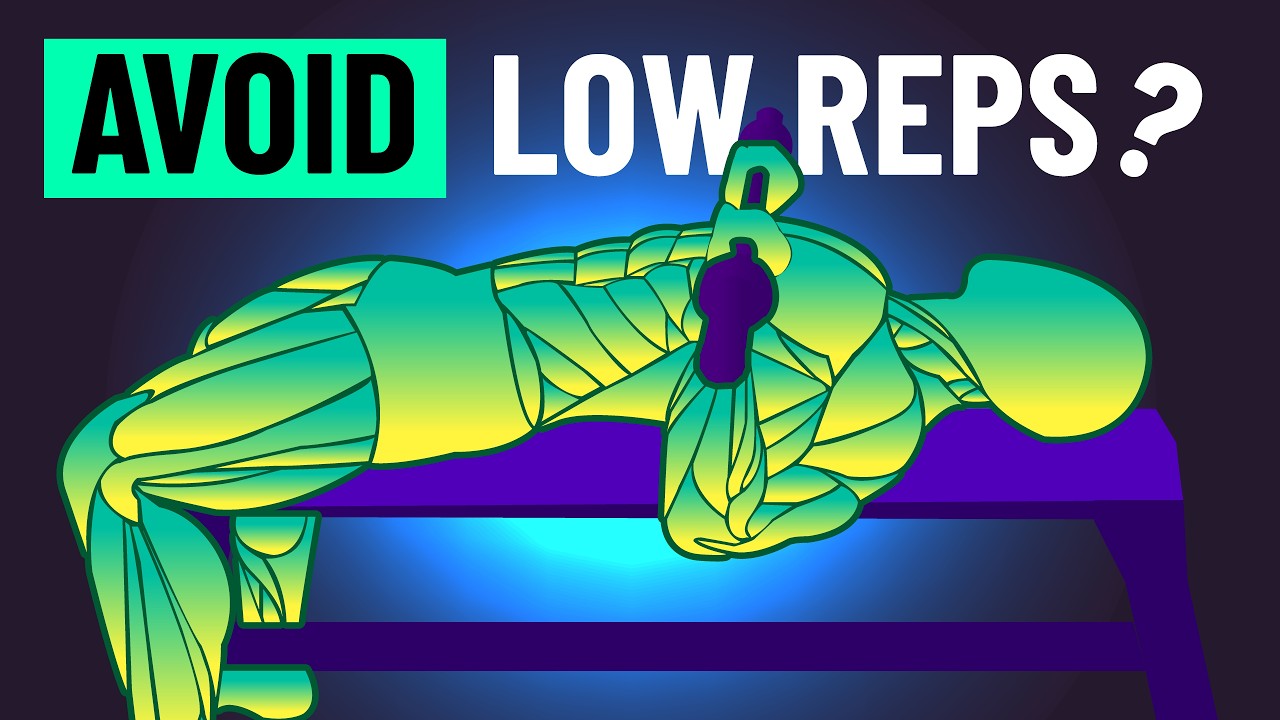
welcome to the house of hypertrophy some say the classic barbell bench is overrated and that dumbbell bench pressing is the way others swear machines due to their stability are your ticket to the city of gains it's easy to feel lost in the Maze of Chess training information online today we're going to obliterate the maze so that when it's all said and done you'll have a clearer overview of what the scientific literature says about Chess training without further Ado let's Dive In before getting into the heart of our analysis the chest refers to a few muscles
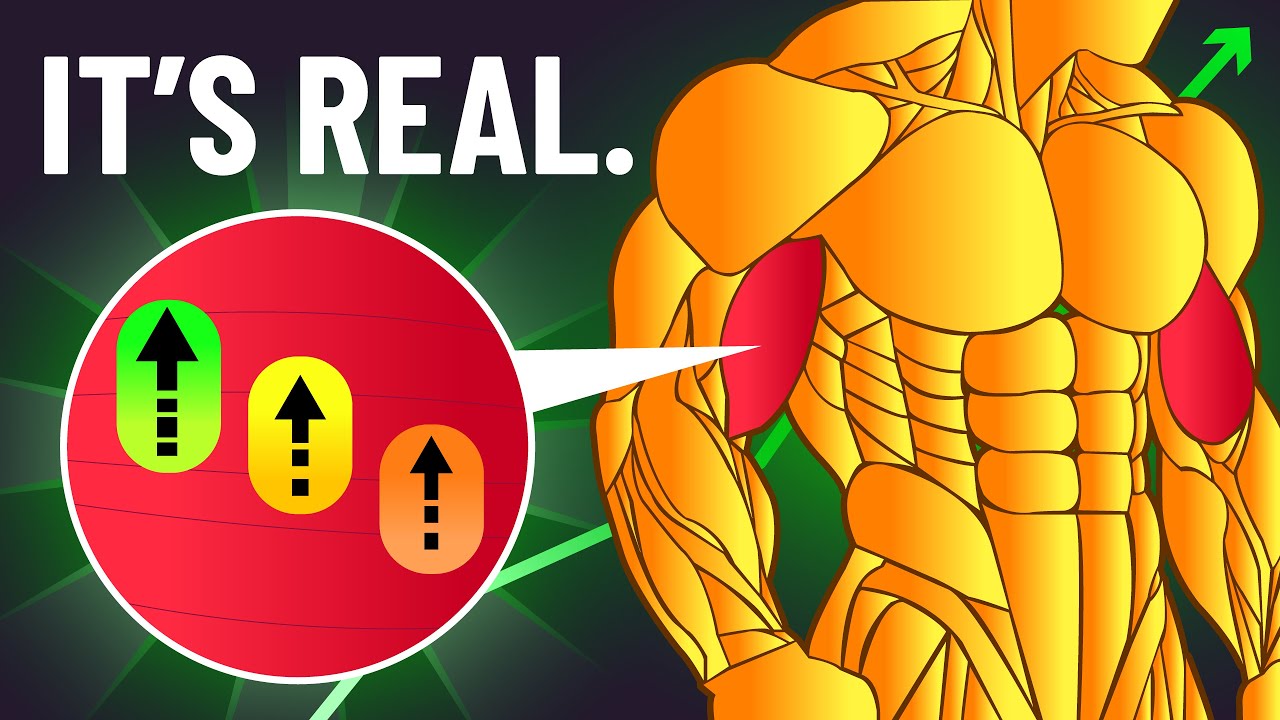
but we're focusing on the PES major it covers the most area and is what most mean when they say the chest furthermore dividing the pector as major into different heads isn't Bro Science various scientific analyses have divided it into a clavicular and sternal costal head each with a unique nerve Supply in fact we could even go a step further and consider there to be three distinct regions for Simplicity we'll just refer to to the upper middle and lower pecks commencing our analysis the flat barbell bench West is one of the most famous exercises in the
Galaxy seen in powerlifting Pro Sports and maybe even your dreams if you're anything like me some say barbell benching sucks for chess gains but the fact is the literature would not agree multiple papers established the petor major grows very well from Flat barbell benching seeing similar or even slightly more average growth than the expected rate of hypertrophy for instance this Japanese paper had previously untrained men train the exercise with these variables and we can see midp thickness increased throughout the study ending up seeing a 43% increase in thickness as for how flat bench pressing impacts
other PEC regions two studies shed light onto this this 2022 Australian study had trained folks train the flat barbell bench west across 8 weeks a normal group performed four sets of five reps with an 85% one rep max load a cluster group used the same variables but they rested 30 seconds between each repetition in a set the cluster group didn't see gains Galore which isn't a surprise as the rest between repetitions would have resulted in them training quite far from muscular failure which isn't ideal the normal group experienced impressive hypertrophy across all three pector as
major regions and this is the key finding flat benching appears to grow all PEC regions well this Japanese study is the second paper untrained men trained the flat barbell bench press with these variables a normal group trained every week across 24 weeks while a break group took a 3-we break every 6 weeks both groups experienced substantial and similar pector major hypertrophy across three regions thus this study suggests taking a 3-week Hiatus every 6 week didn't compromise gains a remarkably fascinating finding something talked about in previous videos anyhow the key is these results again reveal flat
bench and grows the PCS well across its regions this begs two questions do we really need dedicated upper and lower PEC training when flat benching appears to evoke spectacular percentage gains across all regions stay tuned for some upcoming videos where we'll unravel the answer to this question but in this video we'll decode the second question which is since these papers didn't compare flat barbell benching to other exercises how does it stack up to other exercises hello there what's going on this is Vince with bad.com now if I was your trainer on the one hand some
say barbell bench pressing is undefeatable since we can use heavy loads and easily progressively overload in the long term on the other hand Others May say the dumbbell Freedom renders it Superior or that the stability with machine variations is the secret source to maximum mus fiber Recruitment and thus hypertrophy who's right luckily we have researched comparing chest HP H pery between some of these exercises plus electromyographic research research actually measuring chest hypertrophy is supreme since it's the real thing we care about but we'll sprinkle in the EMG data where appropriate for those unaware EMG uses
electrodes to record a muscle's electrical activity so it does not actually directly measure muscle activation but as electrical activity precedes muscle activation some say this makes EMG a perfect tool is this true not quite there are steps in between electrical activity and muscle Activation so there's not always a onetoone relationship and notably EMG doesn't always measure electrical activity accurately in the first place noise and Technical errors can mess things up we even have studies failing to find an association between EMG and actual muscle hypertrophy although some indirect papers find a relationship so overall the relationship
between EMG and hypertrophy isn't straightforward we need to be cautious and some EMG studies are also better designed than others I'll do my best to describe this along the way beginning with machine chest presses versus the flat barbell bench press one EMG paper finds greater PEC and triceps activity with the barbell bench press yet two others find similar activity with this paper finding these two machine chest press variants produce comparable activity of all three PEC regions the front delt and triceps to Flat barbell benching most critically this recent study d directly compared P's major hypertrophy
between this machine chest press and the flat barble bench press hypertrophy was quite similar between both therefore I believe we can contend various machine presses probably have the capability of producing similar pet gains to Flat benching delving into the push-up this Japanese paper compared High rep push-ups to high rep bench pressing and similar chest hypertrophy as well as triceps hypertrophy was seen between both perhaps some are pondering hold on a moment on the high reps in this study a crucial drawback it is not regular house of hyper viewers will be more than aware that reps
approximately between six and 35 can produce similar hypertrophy provided reps are performed to or close to failure even so weighted push-ups are a possibility and this rather well constructed EMG analysis compared load equated weighted push-ups to flat barble bench pressing it found comparable PE triceps and even front deltoid activity between them push-ups can even be progressed via harder variations this study had subjects do just this in predominantly the 4 to eight rep range using these variations another group just overloaded the flat barble bench West in the 6 to8 rep range fascinatingly chest growth leaned towards
the push-up group but this study was merely four weeks and nothing reached significance at the very least ad merely State this indicates the barbell bench is not undeniably Superior thus overall push-ups seem to possess the capacity to produce similar pet gains to Flat benches but this is contingent upon successfully progressing push-ups long term so you can continuously train hard in the 6 to 35 rep range transitioning to the Smith machine five EMG Studies have compared Smith machine to barbell bench pressing and the majority finds similar PEC triceps and frontel activity between them considering this is
EMG data and there's an absence of any studies directly measuring hypertrophy my tentative hypothesis is Smith machine benching may be comparable to barbells for the pecks and it may be worth mentioning EMG might be more reliable When comparing exercises that are similar to one another which is the case here progressing to dumbbells let's first focus on the triceps as I think it's quite interesting three Studies have compared triceps activity between dumbbell and barbell bench pressing and all discovered slightly lower activity with a dumbbell why could this be it may be because during the barbell bench
press although vertical forces are produced to lift the load some degree of lateral forces are naturally produced and the triceps are likely heavily involved in these lateral forces with the dumbbell however lateral forces cannot be produced attempting to do so would result in the dumbbells falling either side of you as for the PEX and front dels four Studies have made the comparison between dumbbell and barbell benching and the majority find similar PEC and front Del activity between both however there is a trap with EMG that we must be aware of EMG doesn't measure the passive
forces muscles generate when they're stretched but emerging research suggests these importantly contribute to muscle hypertrophy dumbbells have the potential to permit a deeper PEC stretch compared to the barbell and even other variations for this reason it's potentially Numero Uno but there are some complications firstly larger dumbbells will obstruct your ability to actually attain a deeper stretch and in general I think most naturally don't execute the movement in a way that maximizes the stretch secondly it's even plausible that any extra stretch simply fails to translate into more gains it is true multiple studies suggest training muscles
at stret positions is better for building muscle than shorten positions but this data doesn't necessarily mean getting an extra deeper stretch above an already solid stretch leads to more hypertrophy some studies allude to this this Japanese paper compared 90° to 140° knee flexion squads glutax and a duct H pery was indeed better with the deeper range of motion but quad Hy pery was similar between both yet another Japanese paper compared these partial tricep Skull Crushers to a full range em motion which attained a better stretch but triceps H perchu was actually better for the partial
this study is somewhat of an outlier as it's the only one to date to find that reaching a better stretch led to worse hypertrophy in any case these are just two studies on the quads and triceps and there are currently no studies on the pecs but they at least present the concept that a greater stretch may not always equal greater gains having said all this others might suggest the convergence of the dumbbells at the top is advantageous but there's not much tension at this point and most studies suggest the contracted top position isn't that stimulatory
for gains for all these reasons I hesitate to say dumbbells are clearly Superior rather it may be more reasonable to conclude they're largely similar for now last but not least what about dips no not that guacamole dip I'm talking about these dips there are currently no officially published studies measuring EMG or hypertrophy comparing dips to other different exercises I know this paper involves a comparison of EMG between different dips with the ring and normal dips producing decent levels for the chest front delts and triceps not much can be drawn from this so we can't really
make any firm conclusions surrounding dips but in an upcoming video on the lower chest we'll dive into dips a little more disregarding dips we've seen the entirety of the evidence appear to suggest all variations may be comparably effective for chest hypertrophy how could this be given some of the arguments presented earlier although the barbell Ben can be trained with heavier loads heavier loads are not a prerequisite for maximizing the hypertrophy stimulus instead training two or n muscular failure is what does this this can be done with lighter loads which is likely why higher reps with
lighter loads can produce similar muscle growth to lower reps with heavier loads as for the barbell bench press having great Progressive overload potential although Progressive overload is certainly important for sustaining long-term gains we simply can't say that exercise is easier to Progressive overload are superior very partial squats have great potential to be progressively overloaded but they are not great for hypertrophy as for the suggestion machines are the ticket to the city of gains thanks to their great stability greater stability has indeed been linked to enhanced muscle fiber recruitment but the context of This research should
not be overlooked for illustration this paper min manipulated stability levels on a leg extension by strapping down the leg and torso the generalizability of This research is questionable and when push comes to shove the research measuring hypertrophy will always reign supreme to indirect mechanistic speculation and we have a few other analyses finding machines produce similar hypertrophy to free weights some of you may be wondering about the technique and execution of some of the affir mentioned exercises or just about programming for building muscle in general I'm glad to say our high quality partner the alpha progression
app can help you containing a massive exercise database with more than 550 exercises video and text instructions come with each there's an awesome custom workout generator that can tailor a program to your needs in less than 2 minutes let it know the equipment you have how often and how long you want to train for and if you want to focus or neglect certain muscles there are over quad brilliant input combinations on which your plan is based and the training philosophy is derived from the scientific literature to top it all off graphs unveil your long-term progression
such as your strength progression workout consistency set numbers performed and the circumference of body parts if you desire the link in the comments and description lets you try out all the features for free for 2 weeks and if you like it and choose to go beyond the link also gives you 20% off a subscription I sincerely believe the app is nothing short of [Music] exceptional so these variations might be all quite comparable for developing the pcks but there are two underappreciated movements that arguably could be the best chess Builders the first one is this which
provokes unrival chest tension just kidding of course I stumbled across this movement on multiple social media accounts you will feel a strong chest contraction simply because you're squeezing the plates but the pressing motion isn't aligned with gravity moreover the shoulder flexion that occurs during the movement is likely heavily done by the front delts you can perform the movement lying down which is an Improvement but the excessively close grip probably biases the triceps the overall stretch of the chest is quite significantly reduced and training this movement to or close to failure in the long term is
probably not practical the actual two exercises that may be the best chest Builders are the cambered bar bench press and deficit push-up these allow you to achieve an even deeper stretch of the chest we know dumbbells have the potential to attain a deep stretch but we also know there are some complications with this these two variations May better allow you to attain a deep stretch consistently in the long term but as we said when dissecting the dumbbells it's still ambiguous if the greater stretch actually translates into greater gains we saw two studies questioning this as
well but since there's no data on the chest nothing conclusive can be said for this reason the notion these two are the best chest Builders is very much hypothetical but I don't anticipate these being inferior so if you're able to experiment with either of these it may be worthwhile another experiment experimental option on the table are partial range of motions at stretch positions we have three studies finding that compared to a full range of motion a partial range of motion at stretched positions built more muscle overall more studies are necessary to understand its generalizability but
it's certainly something you may like to test out with the bench press a partial range of motion at the stretch position is simply performing the bottom position as done by Ronnie Coleman here it is interesting to know Arnold mentions this style in his book stating that Sergio lever used to press the bar off his chest but not go all the way up he goes on to say after he used this for a few months his chest became more defined of course Arnold's anecdote isn't definitive proof I just thought it'd be interesting to share I should
make it clear if that none of this appeals to you it's more than fine to stick with a typical range of motion on your [Music] exercises as alluded to coming soon to the house of hypy will be videos exploring the upper and lower chest more you might have also been wondering about isolation chest exercises fear not we'll also unravel the potential use of these onto the summary there's a saying all roads lead to ram in this case all roads may not lead to great chest hypertrophy but many of them likely can we've seen the famous
flat barble bench press produces spectacular percentage gains across the PEC regions but we also know the literature suggests these variations probably have the capacity to produce similar pet gains to the flat barble bench press therefore you can train with your preference you're also not committing a federal crime if you train with a few of these as a vanilla example you could use the barbell on Monday machines on Wednesday and dumbbells on Friday having said all of this cambered bar benching and deficit push-ups are two movements that can help you easily and consistently train the pecs
with a deeper stretch and I would say it's not a stretch hypothesize these could be the two best chess Builders this is currently hypothetical but you could try either of these outs a stretched partial range motion is another experimental option on the table you could try out remember to feel free to check out the alpha progression app or check out our Ultimate Guide to building the L