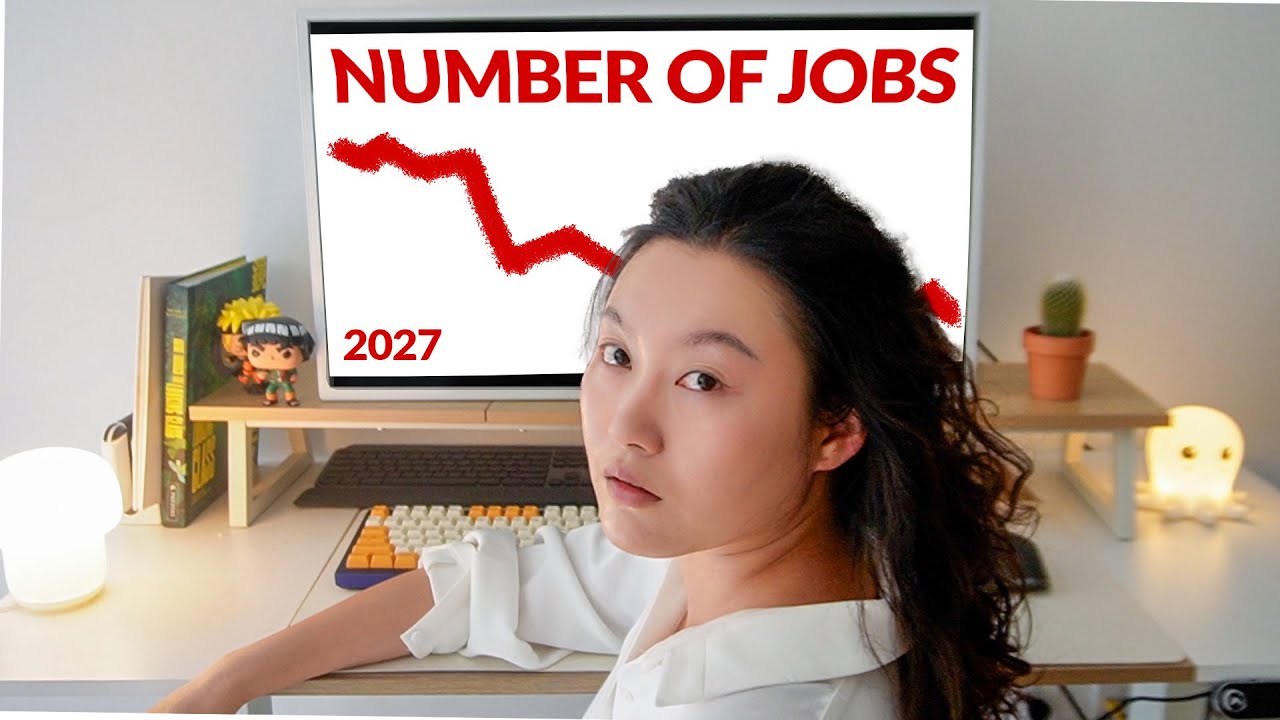
what kind of jobs do you think GPT language models would be better than humans at like full like does the whole thing end to end better not not not like what it's doing with you where it's helping you be maybe 10 times more productive those are both good questions I don't I would say they're equivalent to me because if I'm 10 times more productive wouldn't that mean that there'll be a need for much fewer programmers in the world I think the world is going to find out that if you can have 10 times as much
code at the same price you can just use even more so write even more code just needs way more code it is true that a lot more could be digitized there could be a lot more code and a lot more stuff I think there's like a supply issue yeah so in terms of really replace jobs is that a worry for you it is uh I'm trying to think of like a big category that I believe can be massively impacted I guess I would say customer service is a category that I could see there are just
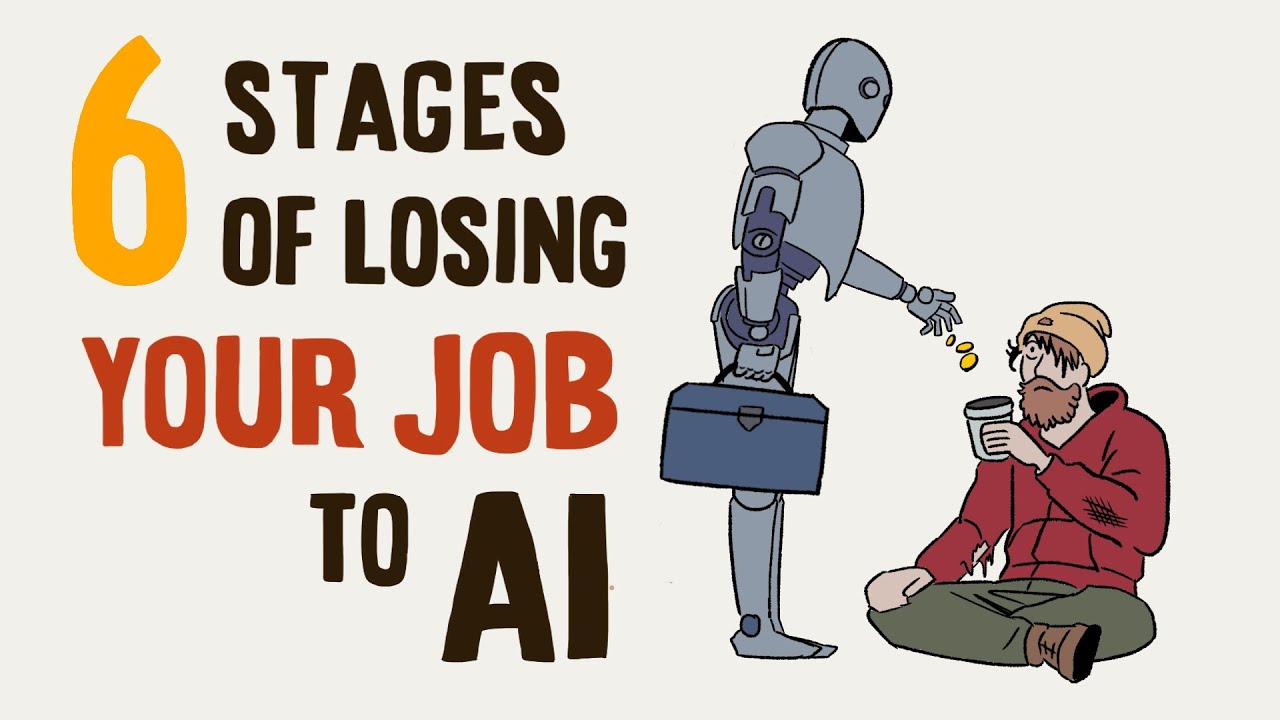
way fewer jobs relatively soon I'm not even certain about that but I could believe it so like uh basic questions about when do I take this pill if it's a drug company or what when uh I don't know who I went to that but like how do I use this product like questions yeah like how do I use whatever whatever call center employees are doing now yeah this does not work yeah okay I I want to be clear I think like these systems will make a lot of jobs just go away every technological Revolution does
they will enhance many jobs and make them much better much more fun much higher paid and and they'll create new jobs that are difficult for us to imagine even if we're starting to see the first glimpses of them but um I heard someone last week talking about gbt4 saying that you know man uh the Dignity of work is just such a huge deal we've really got to worry like even people who think they don't like their jobs they really need them it's really important to them into society and also can you believe how awful it
is that France is trying to raise the retirement age and I think we as a society are confused about whether we want to work more or work less and certainly about whether most people like their jobs and get value out of their jobs or not some people do I love my job I suspect you do too that's a real privilege not everybody gets to say that if we can move more of the world to better jobs and work to something that can be a broader concept not something you have to do to be able to
eat but something you do is a creative expression and a way to find fulfillment and happiness whatever else even if those jobs look extremely different from the jobs of today I think that's great I'm not I'm not nervous about it at all you have been a proponent of Ubi Universal basic income in the context of AI can you describe your philosophy there of of our human future with Ubi why why you like it what are some limitations I think it is a component of something we should pursue it is not a full solution I think
people work for lots of reasons besides money um and I think we are going to find incredible new jobs and society as a whole and people's individuals are going to get much much richer but as a cushion through a dramatic transition and as just like you know I think the world should eliminate poverty if able to do so I think it's a great thing to do um as a small part of the bucket of solutions I helped start a project called World coin um which is a technological solution to this we also have funded a
uh like a large I think maybe the the largest most comprehensive Universal basic income study as part of sponsored by openai and I think it's like an area we should just be be looking into what are some like insights from that study that you gain we're going to finish up at the end of this year and we'll be able to talk about it hopefully early very early next if we can Linger on it how do you think the economic and political systems will change as AI becomes a prevalent part of society it's such an interesting
sort of philosophical question uh looking 10 20 50 years from now what does the economy look like what does politics look like do you see significant transformations in terms of the way democracy functions even I love that you asked them together because I think they're super related I think the the economic transformation will drive much of the political transformation here not the other way around um my working model for the last five years has been that the two dominant changes will be that the cost of intelligence and the cost of energy are going over the
next couple of decades to dramatically dramatically fall from where they are today and the impact of that and you're already seeing it with the way you now have like peop you know programming Ability Beyond what you had as an individual before is society gets much much richer much wealthier in ways that are probably hard to imagine I think every time that's happened before it has been that economic impact has had positive political impact as well and I think it does go the other way too like the the socio-political values of the Enlightenment enabled the long-running
technological Revolution and and scientific discovery process we've had for the past centuries um but I think we're just going to see more I'm sure the shape will change but I think it's just long and beautiful exponential curve do you think there will be more um I don't know what the the term is but systems that resemble something like Democratic socialism I've talked to a few folks on this podcast about these kinds of topics Instinct yes I hope so so that it reallocate some resources in a way that supports kind of lifts the the people who
are struggling I am a big believer in lift up the floor and don't worry about the ceiling if I can uh test your historical knowledge it's probably not gonna be good but let's try it why do you think I come from the Soviet Union why do you think communism in the Soviet Union failed I recoil at the idea of living in a communist system and I don't know how much of that it's just the biases of the world I've grow up in and what I have been taught and probably more than I realize but I
think like more individualism more human will more ability to self-determine um is important and also I think the ability to try new things and not need permission and not need some sort of central planning betting on human Ingenuity and this sort of like distributed process I believe is always going to beat centralized planning and I think that like for all of the deep flaws of America I think it is the greatest place in the world because it's the best at this so it's really interesting uh that centralized planning failed some soul in such big ways
but what if hypothetically the centralized planning it was a perfect super intelligent AGI super intelligent AGI again in my goal wrong in the same kind of ways but it might not and we don't really know we don't really know it might be better I expect it would be better but would it be better than a hundred super intelligent or a thousand super intelligent agis sort of in a liberal democratic system arguing yes um now also how much of that can happen internally in one super intelligent AGI not so obvious there is something about right but
there is something about like tension the competition but you don't know that's not happening inside one model yeah that's true it'd be nice it would be nice if whether it's engineered in or revealed to be happening it'd be nice for it to be happening that then of course it can happen with multiple agis talking to each other or whatever there's something also about uh I mean still Russell has talked about the control problem of um always having AGI to be have some degree of uncertainty not having a dogmatic certainty to it that feels important so
some of that is already handled with human alignment uh uh human feedback reinforcement learning with human feedback but it feels like there has to be engineered in like a hard uncertainty humility you can put a romantic word to it yeah anything that's possible to do the definition of those words I think the details really matter but is I understand them yes I do