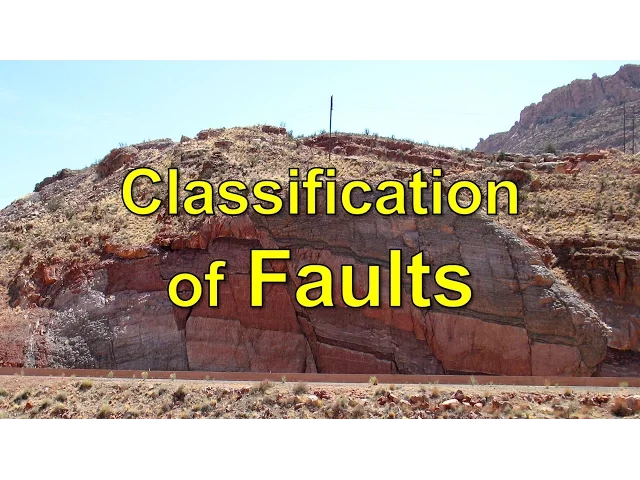
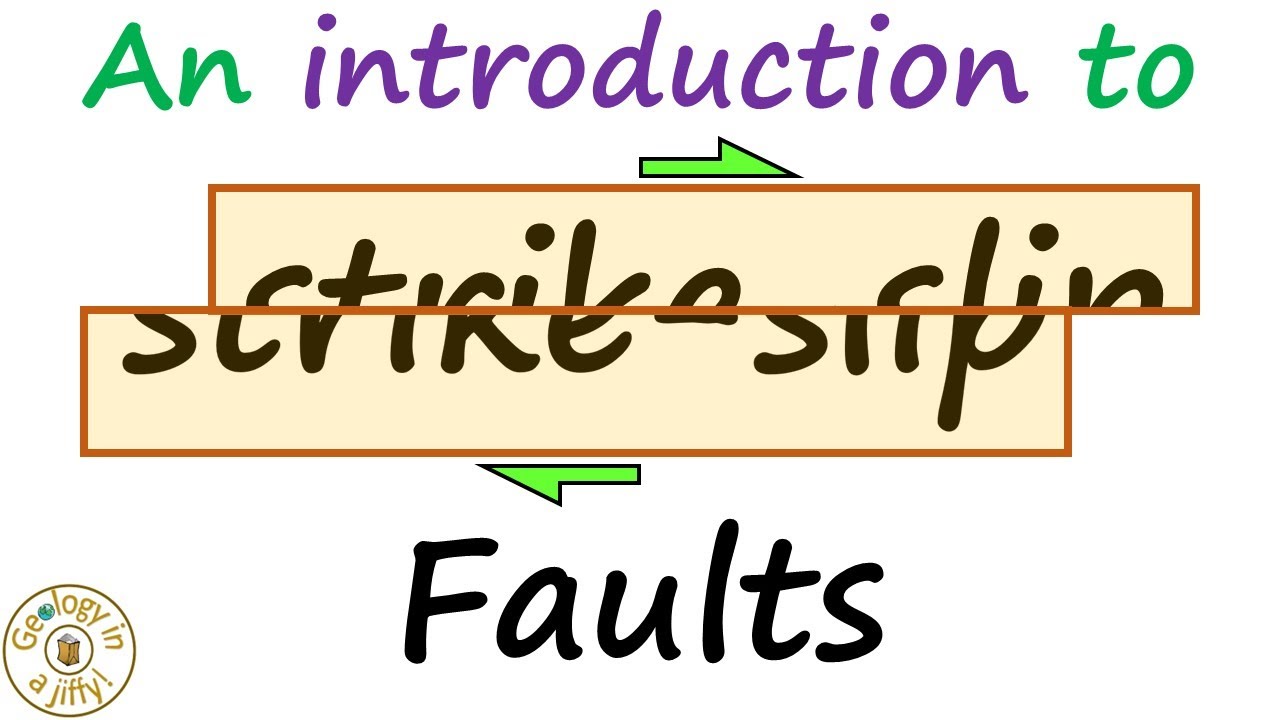
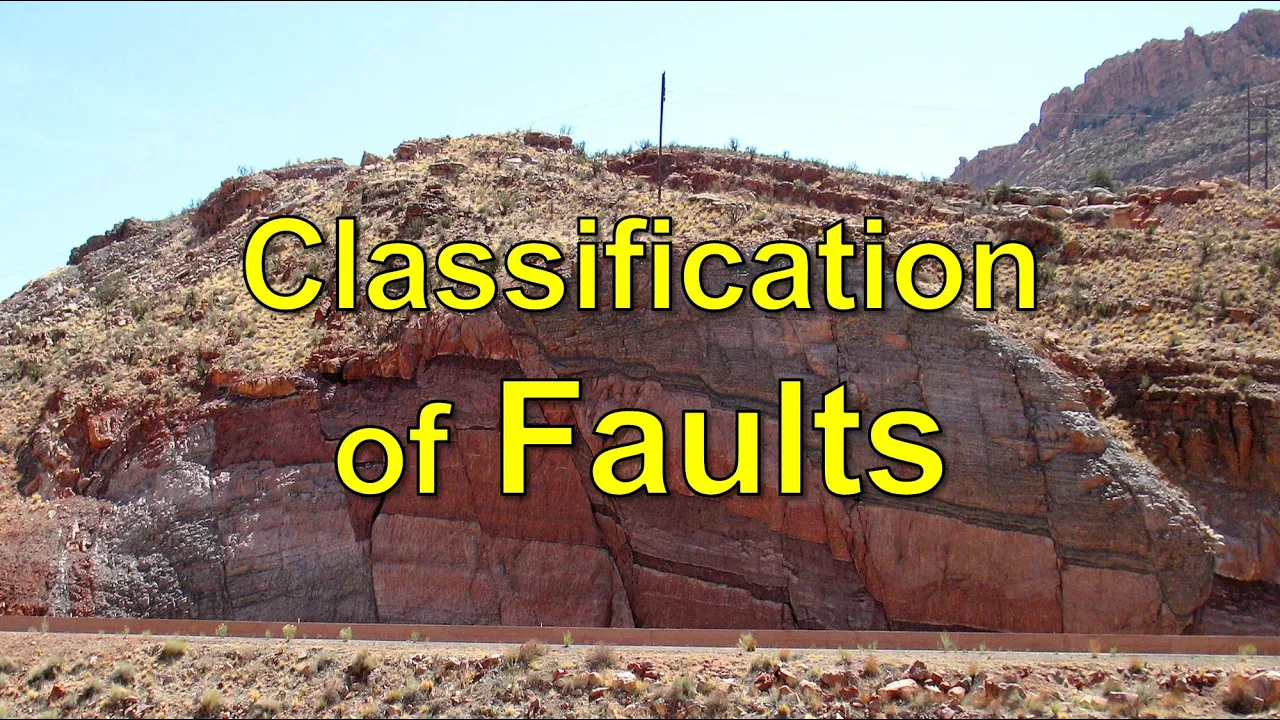
Earthquakes occur as a result of motions on faults. In this lesson we examine how geologists characterize and classify faults. We have two learning objectives; To introduce key terms geologists use to classify faults; and, to illustrate examples the major faults so that you can learn how to draw and label a sketch of each type the fault.
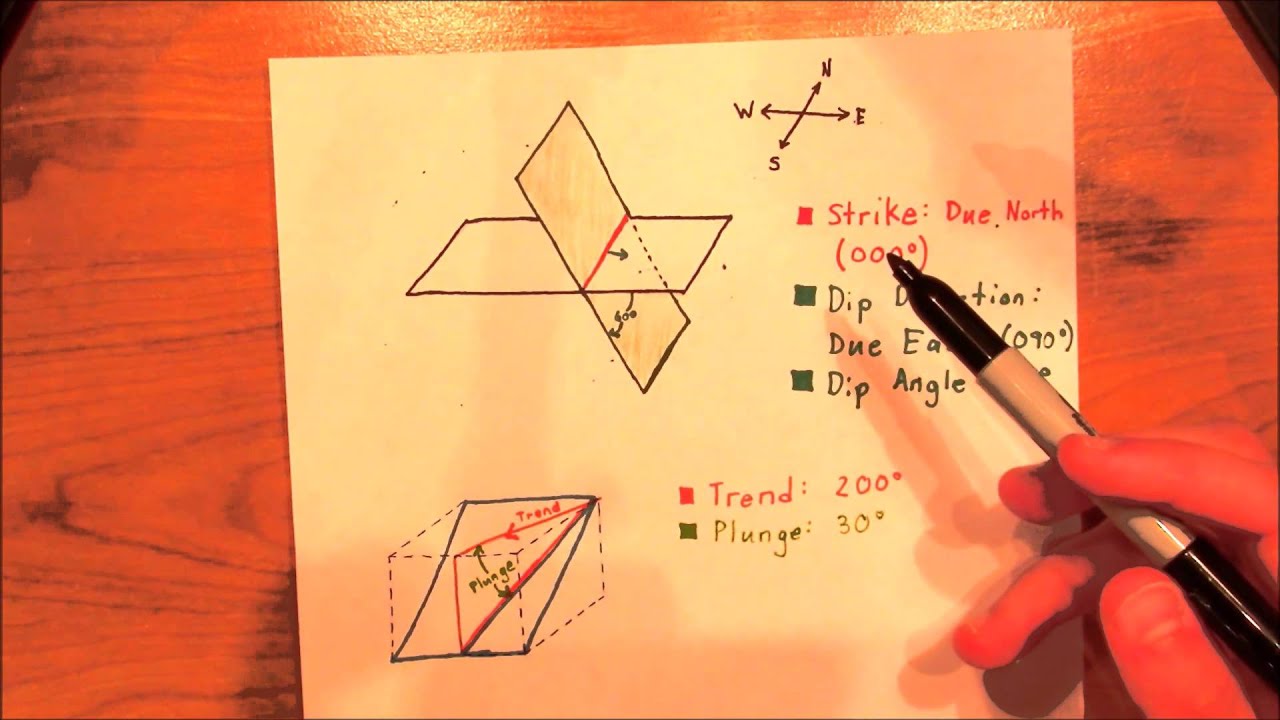
We use the term dip to indicate the slope or inclination of any geological surface measured relative to horizontal. The steeper the slope the larger the dip angle. A second characteristic of inclined surfaces is the strike.
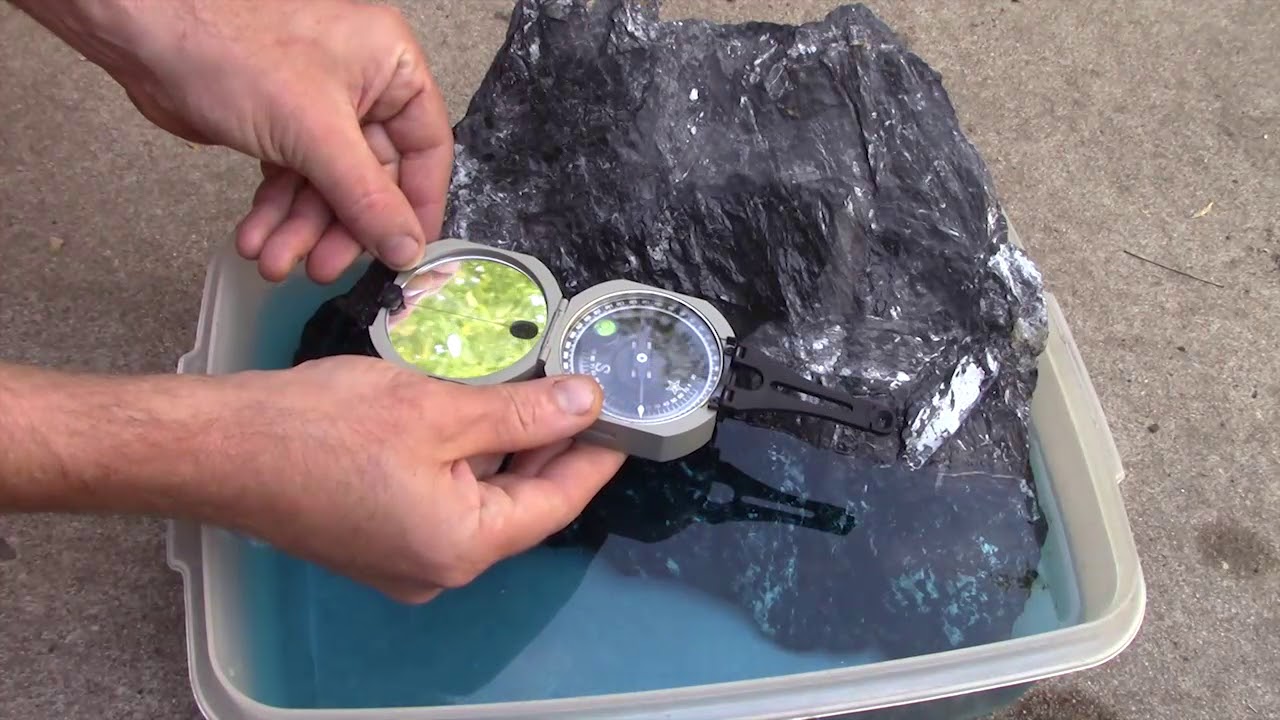
A strike line is any horizontal line drawn or inscribed on a sloping surface. It is the water line in a sink or bathtub, or the line your coffee makes as it rests in your cup. Dip and strike are perpendicular or 90 degrees from each other.
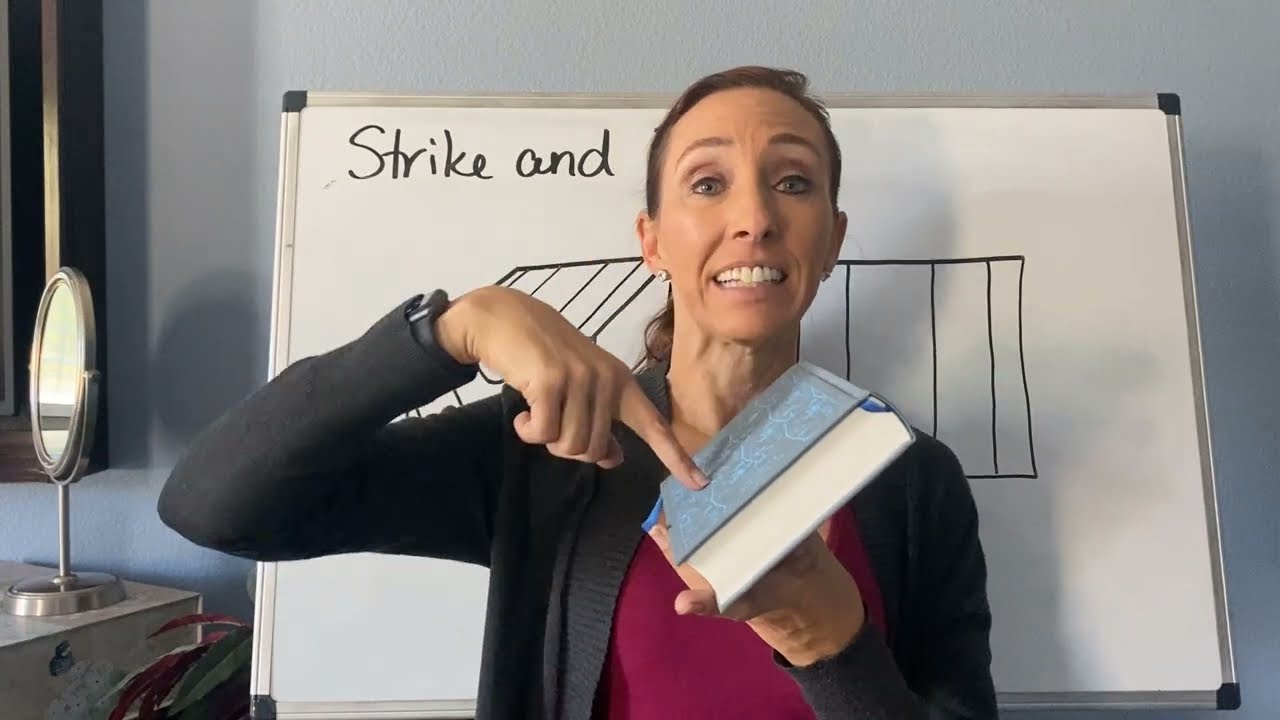
We can see examples of the dip and strike on various surfaces we encounter in our daily lives. The mortar between these bricks is parallel to the strike and dip as the corners of the bricks are a ninety degree angles so it makes sense that their different edges could be parallel to strike and dip. Likewise, we can identify the strike and dip directions for this dumpster panel.
More sloping brick services give us alternative views of strike and dip directions as well as different dip angles. Finally, this sandwich board sign has a steeply inclined dip and the strike is parallel to the top or bottom up the sign. We can also define strike and dip on this sloping concrete panel.
Two other key terms that we need to know to classify faults are hanging wall and footwall. Geologists name the block above an inclined fault surface the hanging wall, and the block below the surface, the footwall. A simple way to identify which is which is to place your finger on the fault surface and move it upward.
it will automatically be located in the hanging wall. The only time we can't use these terms is when the fault is vertical and neither block of rock can be considered to be above or below the other. Here are three images of faults, with the faults indicated by the red lines.
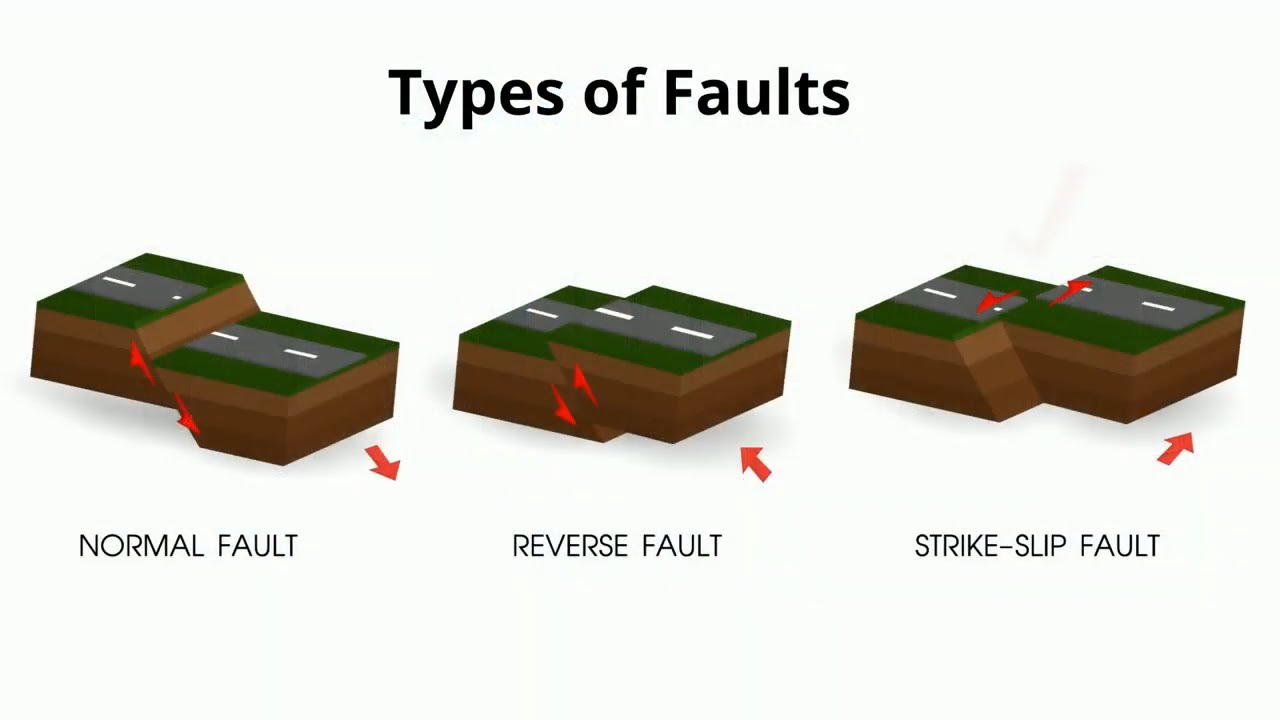
Can you identify the hanging wall and footwall for these three faults. Notice that "X" is only above the fault, or in the hanging wall for this image and it is in the footwall below the fault, in both these images. Geologist label a fault as a dip slip fault if the hanging wall moves up or down the fault surface, parallel to the dip direction.
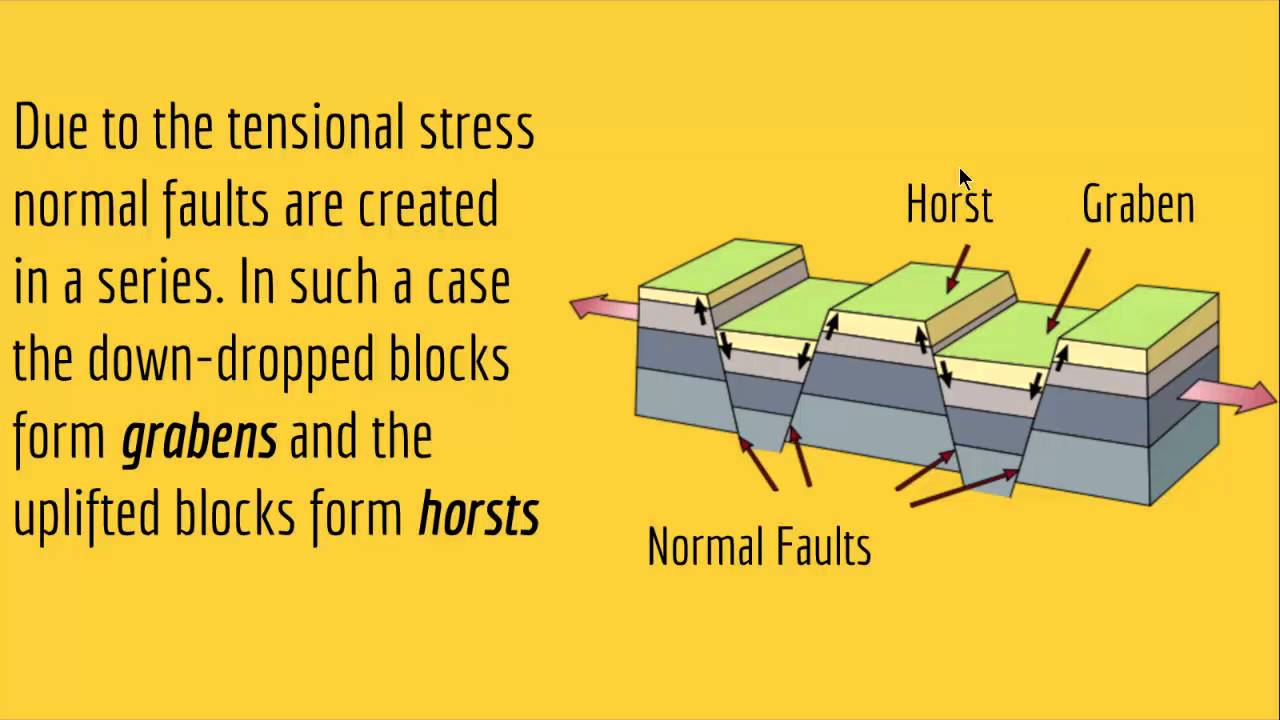
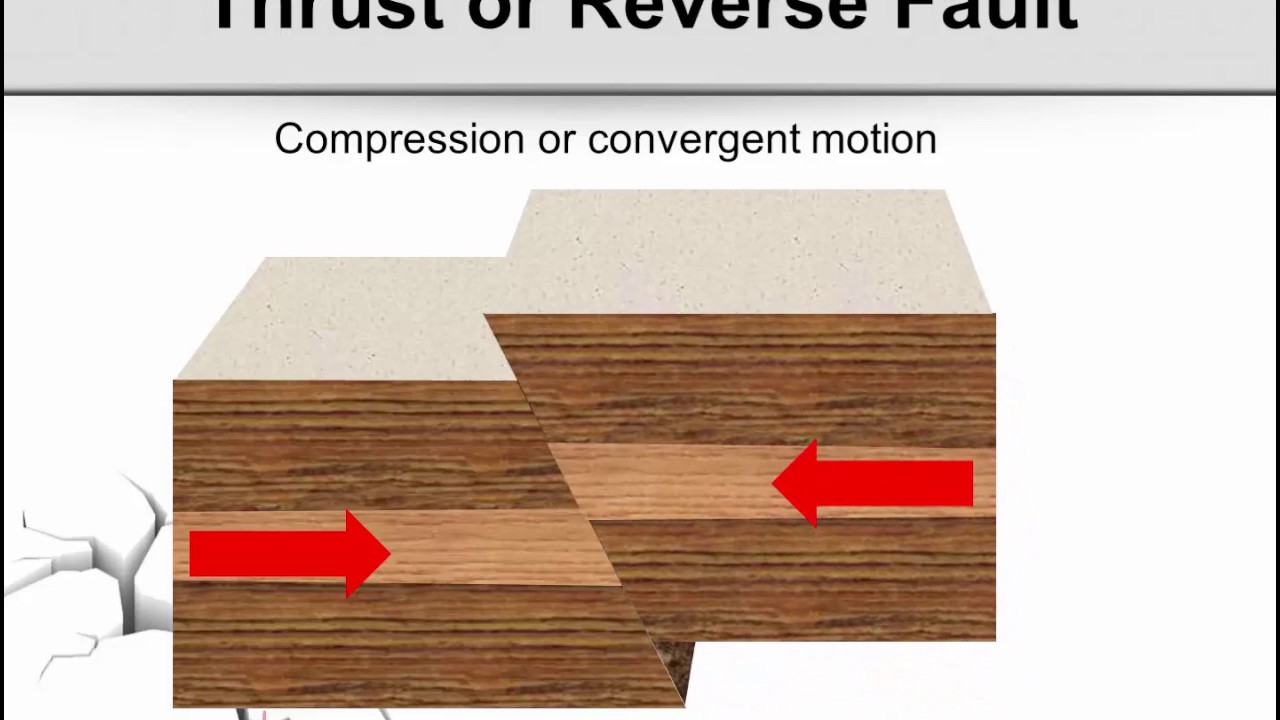
Normal faults form when the hanging wall moves down relative to the footwall. Reverse faults form when the hanging wall moves up relative to the footwall. Notice that the normal faults form under tension, where rocks move apart or diverge, similar to conditions found along oceanic ridges.
Reverse faults form under compression, conditions that are characteristic of convergent plate boundaries. Here are two more images of faults. Can you identify them as normal or reverse on the basis of the information provided?
In the left hand image, the hanging wall is to the left to the fault, those layers have moved up relative the ones on the right, therefore, this is a reverse fault. In the case on the right, the hanging wall is again above the fault. However, in this case the layers have moved down relative to the block on the right so this must be a normal fault.
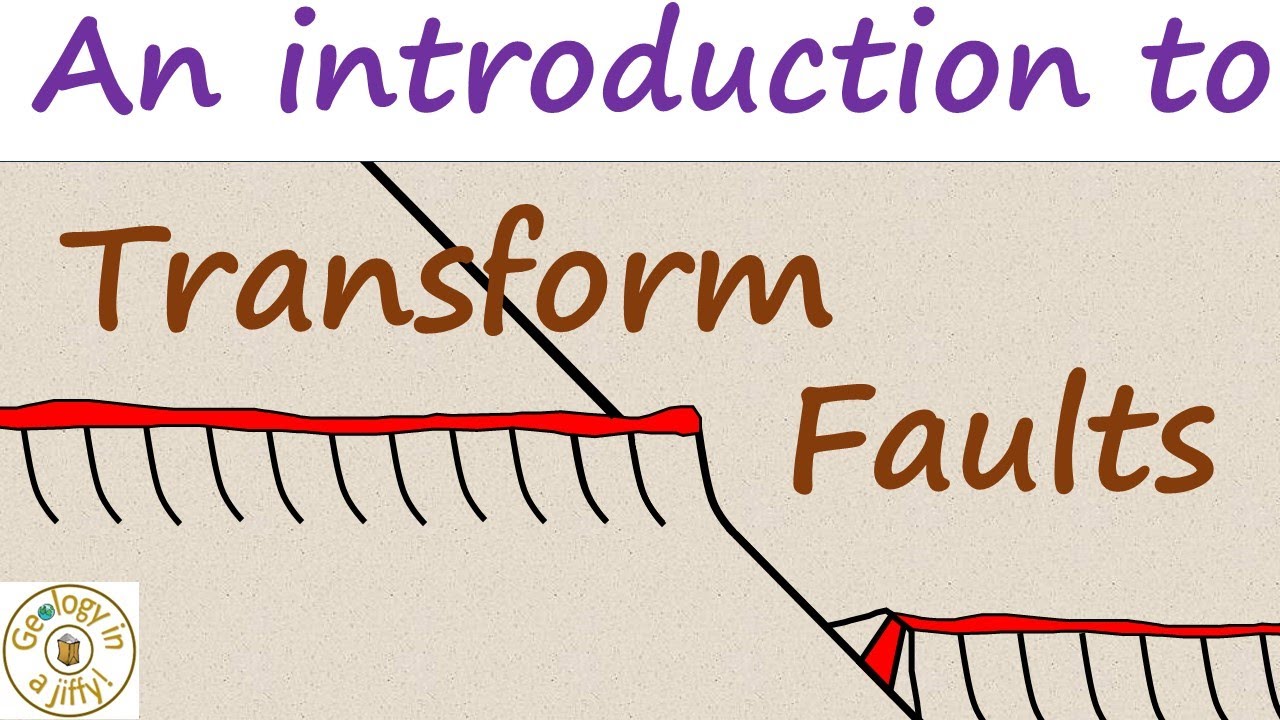
Geologists identify strike-slip faults when rocks move horizontally with little vertical displacement. For example, these yellow lines have been offset by a fault that cuts across this road in California. Strike-slip faults are associated mostly with transform plate boundaries.
Just as we can classify dip slip faults as normal or reverse, we can classify strike-slip faults as right or left lateral. We have to find some feature we can match up across the fault to determine the type to slip. For example in this hyper realistic portrayal of a geological event, our geologist is standing on a deserted road just as an earthquake occurs.
After the event he is dazed and confused, he looks across the fault trying to classify the offset of the road. Would he have to look right or left to match up the road. He looks right, making this a right lateral fault.
If he had to look left, we would classify it as a left lateral fault. Let's look at some pictures of strike-slip faults and you can classify them as left or right lateral. What about this example?
Is this line of trees from China offset by right or left lateral strike-slip fault? In this case, this is a right lateral fault. Follow the line of trees in the foreground to the end and then you would have to move to the right to match up with the next line of trees.
Is this stream valley offset by a right or left lateral strike-slip fault? In this case you will notice that the stream in the upper part of the image is offset to the right the stream in the lower part of the image, making it the right lateral fault. This is the San Andreas fault.
OK, last one, we promise, are these colorful layers of rock offset by a right- or left-lateral strike-slip fault? If you were to walk to the end up one of these colorful layers in the lower part the image, you have to turn to your left to see the same layer in the upper part of the image. Consequently, this would be a left lateral fault.
We had two learning objectives for today. How confident are you that you can complete both of these learning objectives? What's going on there?
Is that big foot? No Jen, that's just me in front of a fault, thanks.