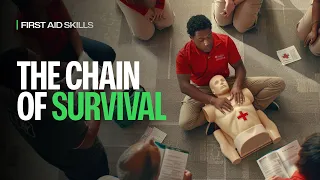
Welcome to the lesson on Initiating the Chain of Survival. In this video, we will learn about the BLS Adult and Pediatric Chains of Survival. Early initiation of BLS has been shown to increase the probability of survival for an individual dealing with cardiac arrest.
To increase the odds of surviving cardiac event, you should follow the steps in the Adult Chain of Survival. The first step in the Adult Chain of Survival is to recognize symptoms and activate EMS. Next, perform early CPR.
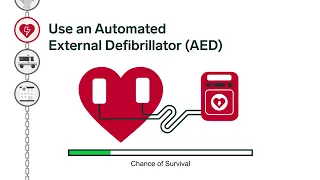
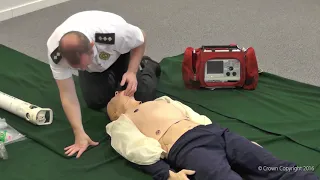
Then, defibrillate with AED. Once the EMS team arrives, they will provide advanced life support to the individual. When the individual becomes stable and is taken to the hospital, they will receive post-cardiac arrest care and start recovery.
Now let’s review the Pediatric Chain of Survival. Emergencies in children and infants are not usually caused by the heart. Children and infants most often have breathing problems that trigger cardiac arrest.
The first and most important step of the Pediatric Chain of Survival is prevention. This means if you come across a child or infant who is experiencing breathing problems, take immediate action. In the case that the heart does stop, activate EMS and perform high quality CPR.
If they are still unresponsive after performing CPR, the EMS team will perform advanced life support. After they are stable and taken to the hospital, they will receive post-cardiac arrest care and start recovery. This concludes our lesson on Initiating the Chain of Survival.
Next, we will review 2020 BLS Guideline Changes.