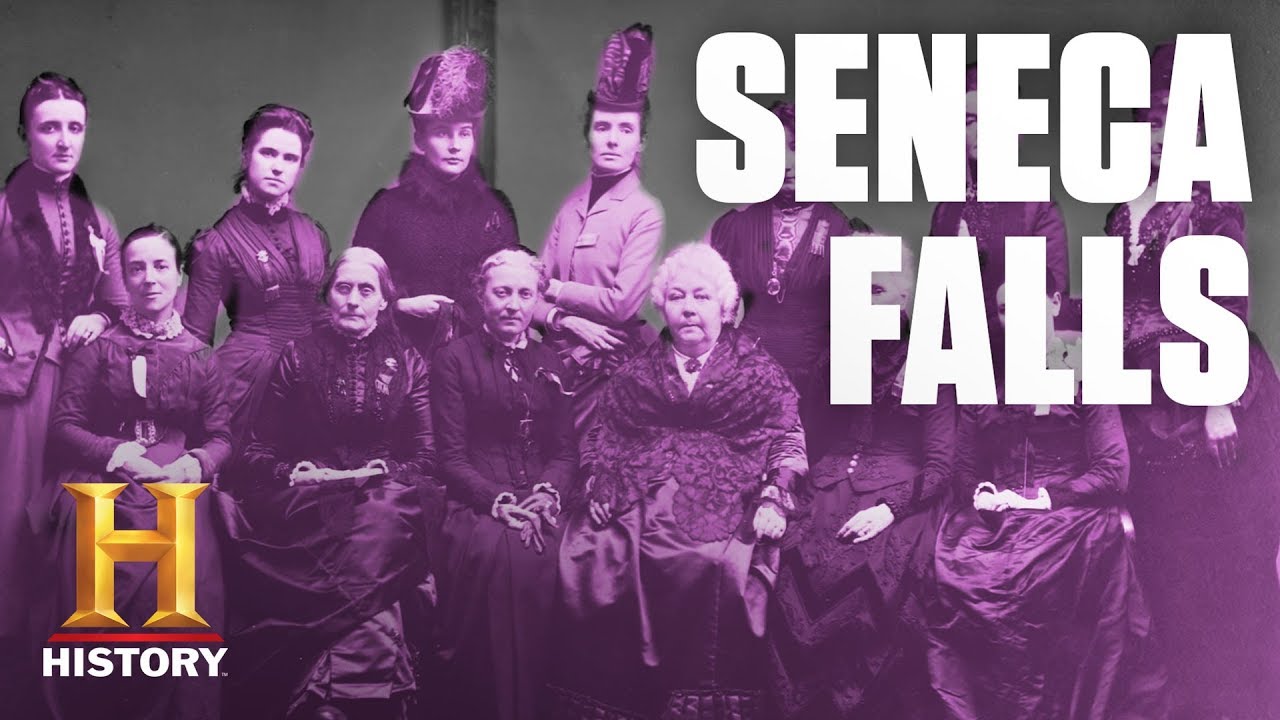
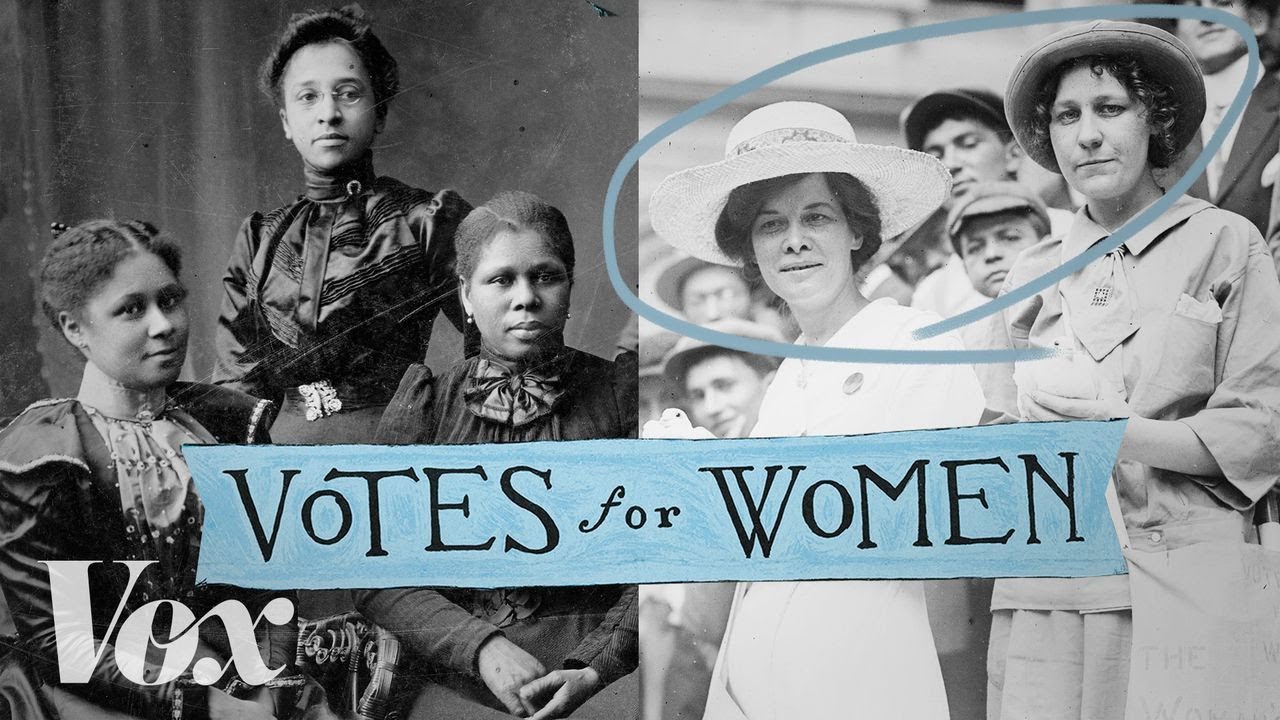
eat girl power presents women's rights moving forward almost 250 years ago women were in a much different position in society in 1769 women had limited property rights they could not own property in their own name nor could they keep their own wages and over the course of the next 200 years women would fight for an equal role in society 1848 Elizabeth Cady Stanton and Lucretia Mott along with 300 activists gather in Seneca Falls New York there they signed the declaration of sentiments and resolutions modeled on the Declaration of Independence and called for the equal treatment
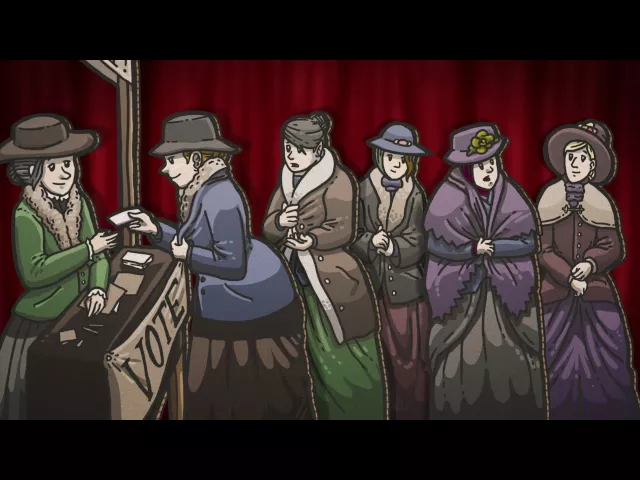
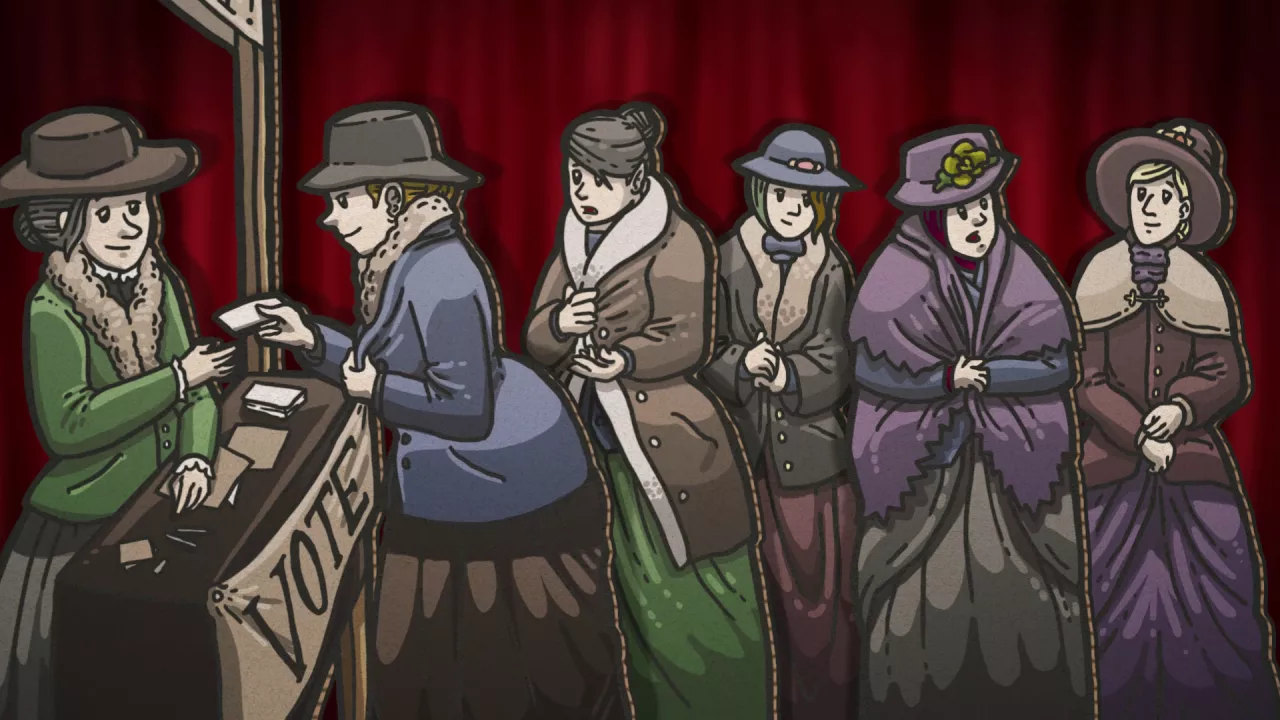
of women and men under law and for the voting rights of women this gathering would become the first official women's rights convention and marked an important moment in the women's rights movement in 1868 equal pay for equal work which is the idea that women must be paid the same as a man for doing the same job was backed by the national labor union 1869 the territory of Wyoming becomes the first in the nation to pass a law giving women over the age of 21 the right to vote 1872 Congress enacts a law granting female federal
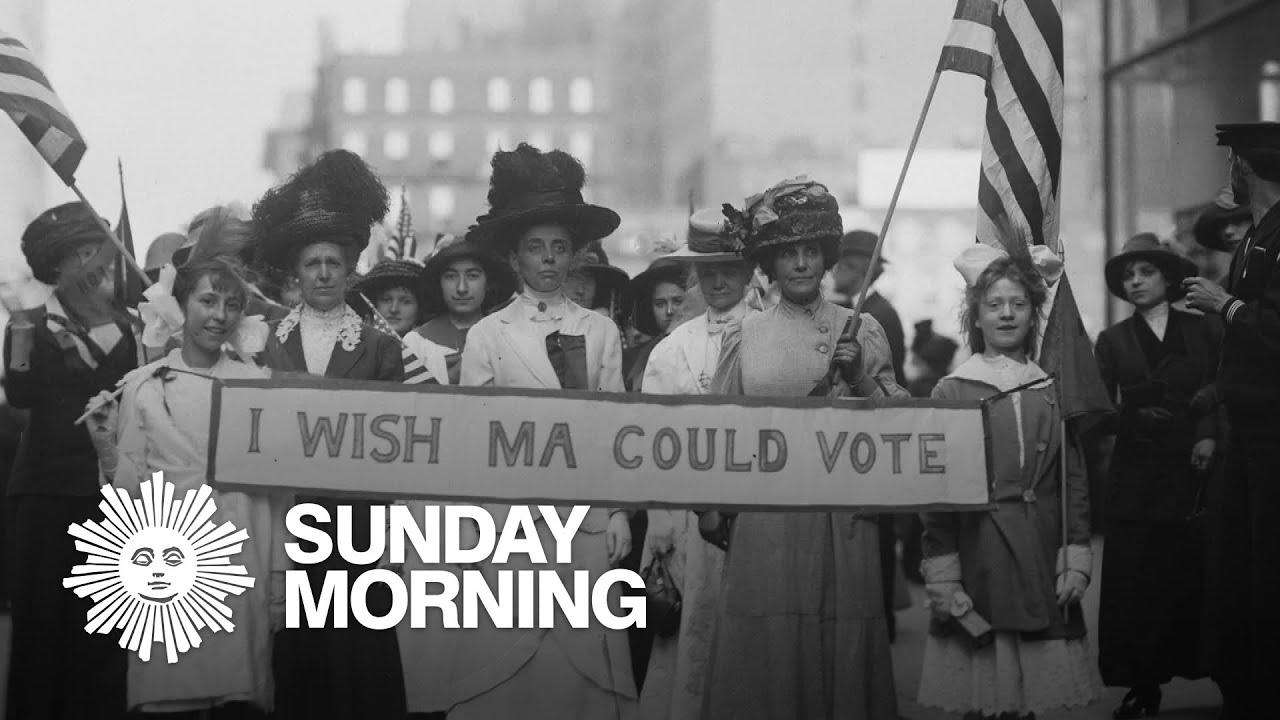
employees equal pay for equal work that same year susan b anthony was arrested for attempting to vote and was convicted of unlawful voting in 1903 the women's trade union league is established to advocate for improved wages and working conditions for women in 1920 72 years after the Seneca Falls convention the 19th amendment is ratified giving women the right to vote 1923 the first Equal Rights Amendment was introduced in Congress asking for equal rights for men and women throughout the United States in 1961 President John F Kennedy pointed Eleanor Roosevelt to lead the President's Commission on
the status of women which document is substantial workplace discrimination against women and put forth recommendations for improvement 1963 the Equal Pay Act becomes law equal pay for men and women regardless of race color religion or national origin 1964 title seven of the Civil Rights Act of 1964 is passed protecting employees from discrimination based on race sex and other grounds in 1967 civil rights protections extend to women ensuring that federal agencies and contractors take active measures to provide the same employment and educational opportunities as men 1972 Congress passes title 9 of the education amendments requiring that
any school receiving federal funds provide equal access to educational programs for men and women 1973 the Supreme Court decides that a woman has the constitutional right to choose whether to have an abortion or carry her pregnancy to term and in 2009 the lilly Ledbetter Fair Pay Act is signed into law expanding workers rights to sue for pay discrimination the fight for a truly equal society remains persistent what accomplishments will our generation add to the legacy of these great women