on September 7th 2022 Apple announced its latest product releases during its far out event as expected the iPhone 14 was headlining the new generation of products spotting a fairly similar look and slightly upgraded specs to its iPhone 13 predecessor despite not offering much of an upgrade people still queued and camped outside Apple Stores all over the world eager to spend a small fortune to get their hands on a product very similar to what they already own only to watch it become dated same time next year out of the 200 million phones Apple shipped in 2020 80 of them were sold to upgraders and not first-time buyers and this isn't unique to Apple in fact it's the reigning economic model used by most successful companies instead of attracting new customers these companies focus on making sure that the people that already love their brand always have a reason to keep coming back but how do they do that sure brand loyalty is the thing but how do they keep us upgrading so regularly well it's a lot of factors but at its heart is a century-old strategy called planned obsolescence planned obsolescence is a practice adopted by companies to produce consumer goods that rapidly become obsolete the main idea is simple the sooner our product breaks or becomes outdated the sooner people will replace it with a new one many believe it's a Sinister business practice that is the embodiment of corporate greed and if you trace it back to its origin it may very well be so all of this started in the early 20th century when the light bulb first became a mass-market product many might not know this but the original version of the light bulb patented by Thomas Edison in 1880 relied on carbon filaments to power the bulbs these filaments were built to last for around 2 000 hours people at the time didn't leave their light bulbs on all through the day like we do now so these things could keep going for months even years depending on the conditions around 30 years later the sales of light bulbs began stagnating the companies then realized that it would be easier to sell a second bulb to a person whose first one had been burned out than it would be to look for new homes that didn't have light bulbs and so in the 1920s the famous phoebius cartel was born represented by the top light bulb manufacturers in the world like Germany's awesome Netherlands Phillips and the US's General Electric the cartel colluded and decided to reduce the light bulbs lifetime to around a thousand hours to boost their slow sales to ensure adherence to this protocol they created an audit system to force manufacturers to stick to the 1000 hour goal and Crush anyone who didn't comply the world's first attempt at planned obsolescence succeeded and the cartel reaped the rewards by producing a lower quality product the consumers had no option but to buy before we continue with the story I just want to take a moment to thank our sponsor for today's video you see well technology seems to be going out of fashion every year great art remains relevant for generations to come this is why I'm excited for the sponsor of today's video Masterworks Masterworks is an award-winning startup in New York City that allows people like you and I to invest in Blue Chip art if you follow the news you'll see that traditional forms of investing aren't bulletproof pandemics geopolitical conflict government regulation all of these might make traditional Investments riskier than ever but the value of art may not be a subject to these conditions think about it the value of an original Picasso painting has retained its value throughout the toughest economic conditions today countries around the world are dealing with record high levels of inflation but even that doesn't reduce the valuation of these masterpieces in fact the last time inflation was this High high-end art pieces appreciated by an average of 33 per year according to the Masterworks all art index Masterworks gives you the potential to see Returns on artwork from artists like Picasso and Banksy this isn't the metaverse or nfts this is tangible contemporary art from established artists with track records of high value works that sell for hundreds of thousands and the results speak for themselves since its Inception in 2019 Mesa Works has earned an average of 29 net returns to their investors on six exits shares of paintings by artists like Banksy have sold out within minutes it's easy to see why demand is growing but aperture subscribers can skip the waitlist today with this special link in the description below PS the net estimated returns for all realized and unrealized offerings is about 15. 3 from inception through June 30th 2022. see more important information at Masterworks CD back to our story today 1.
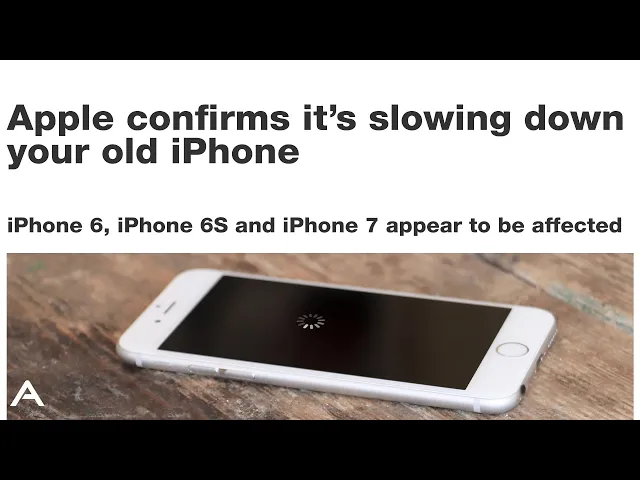
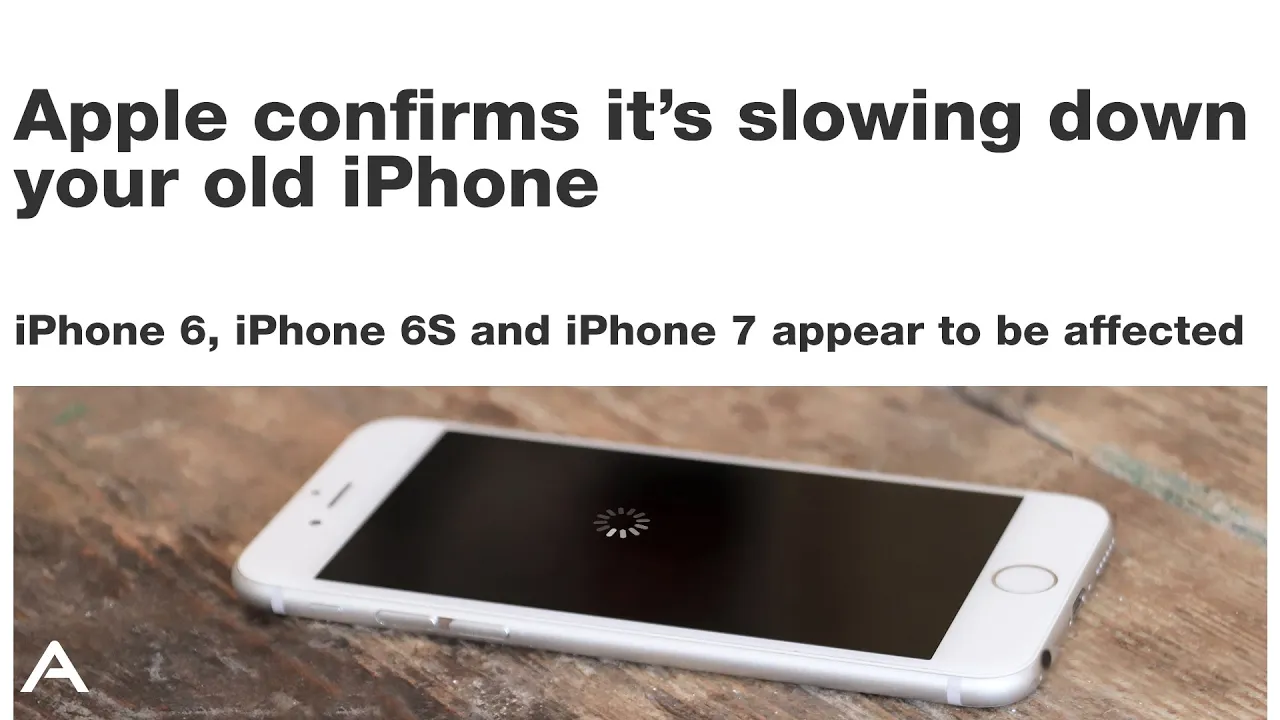
5 billion smartphones are sold every single year in part because manufacturers either sell low quality products that are designed to easily break down or Implement design practices that prevent people from easily repairing these phones when they do break all this forces them to purchase newer models when they're old ones inevitably go bad screens batteries cameras and software are designed to stop working in roughly an 18-month cycle in a scheme orchestrated by big corporations to increase Revenue at the expense of the consumer Apple and Samsung have been accused of deliberately making their older phones obsolete by pushing software updates that slows them down in an attempt to coerce the users to upgrade Apple admitted to this strategy in 2017 and has since paid fines amounting to over 310 million dollars while Samsung has paid a less Hefty fine of around 5. 7 million when companies aren't actively making their older products go bad faster they use a slightly different trick in the 1920s around the same time as the light bulb cartel General Motors and its CEO Alfred P Sloan devised a new strategy to compete with industry giant Ford just like the light bulb industry the US market for cars was becoming saturated in the 1920s as almost everyone owned a car and didn't see a need to change it regularly so instead of trying to find people without cars like Ford was already struggling to do at that time Sloan took a page out of the fashion industry's Playbook where Styles changed every year and created the first annual car model by slightly updating the color design and style of their vehicles GM could release new models each year that only offered minor improvements to what consumers already owned Sloane dubbed this the dynamic obsolescence model and it revolutionized the dying car industry people stopped thinking about cars as Transportation machines and began seeing them as a fashionable expression of their personalities GM was able to convince consumers that buying one car that could last you a lifetime is simply not enough and that they'd have to keep buying new models to stay fashionable doesn't that sound familiar every year Gadget manufacturers like apple Google and Samsung come up with new colors and designs for their smartphones encouraging you to splurge for the upgraded model so you can remain fashionable Samsung bombards its customers with an exhaustive lineup that supposedly caters to all needs once and prices and just one year later like clockwork all of those devices are outdated and need to be refreshed in 2014 they offered a staggering 56 new models and while they have cut the line up dramatically since they still manage to release more than 30 models in 2021 apple on the other hand adopts a different strategy since 2011 they've been launching a new iPhone every September through highly anticipated and hyped events that always promise to give us the best iPhone ever a tag that barely lasts for 12 months this rise of dynamic obsolescence was only one piece of a three-sided puzzle the second piece was the rise of consumerism in the U.