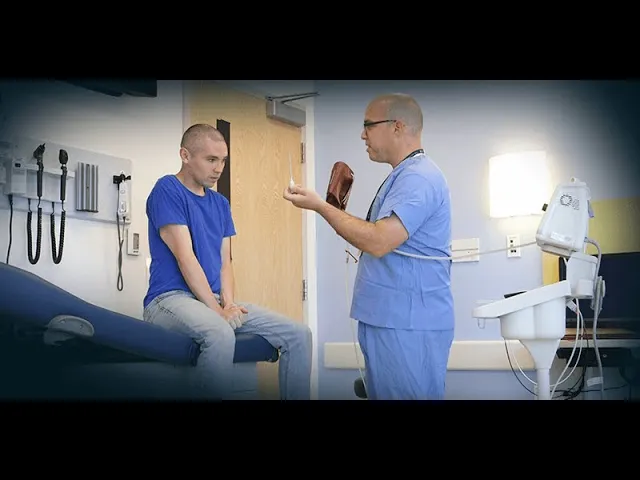
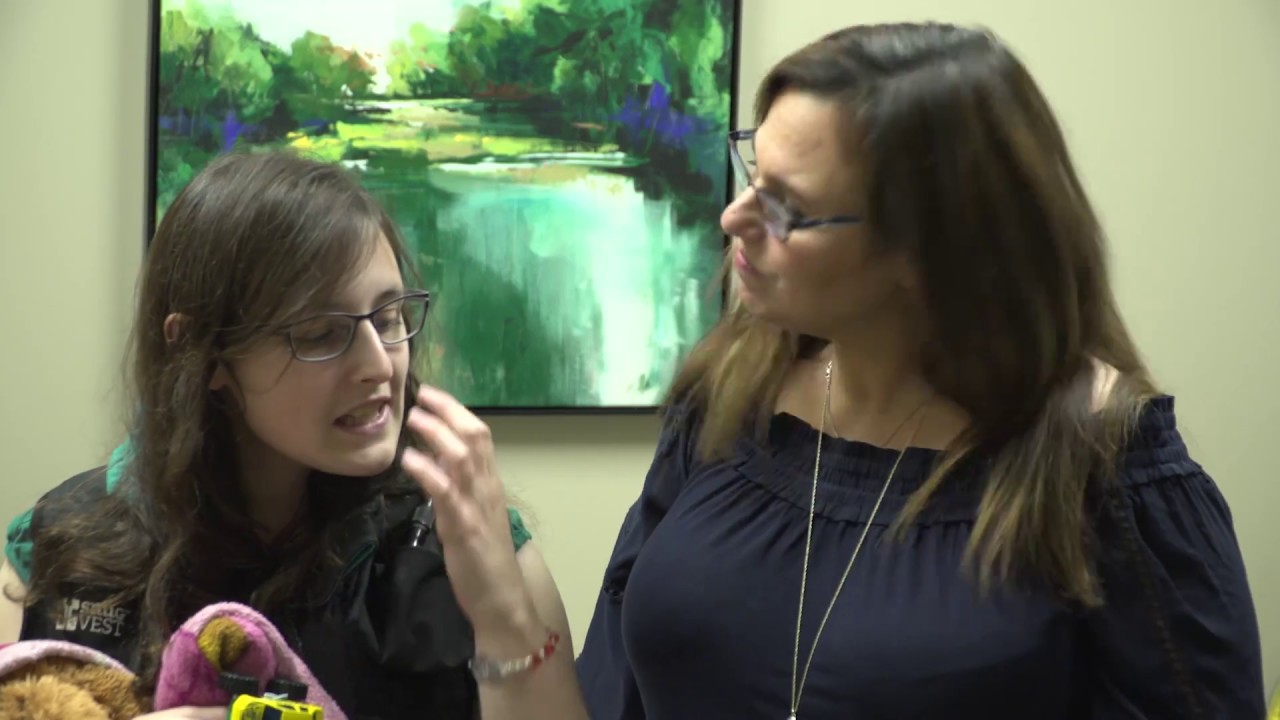
[Music] caring for patients with autism spectrum disorder the keys for success by kristin coffey dennis doherty and laura weissman hello i'm dennis i'm laura and i'm kristen and we work in the autism spectrum center at boston children's hospital as part of our work in the autism spectrum center we assist health care providers in understanding the unique needs of patients with autism spectrum disorders in the medical setting by understanding how best to care for this patient population and by utilizing strategies to help visits and procedures go more smoothly providers can feel more confident and patients and
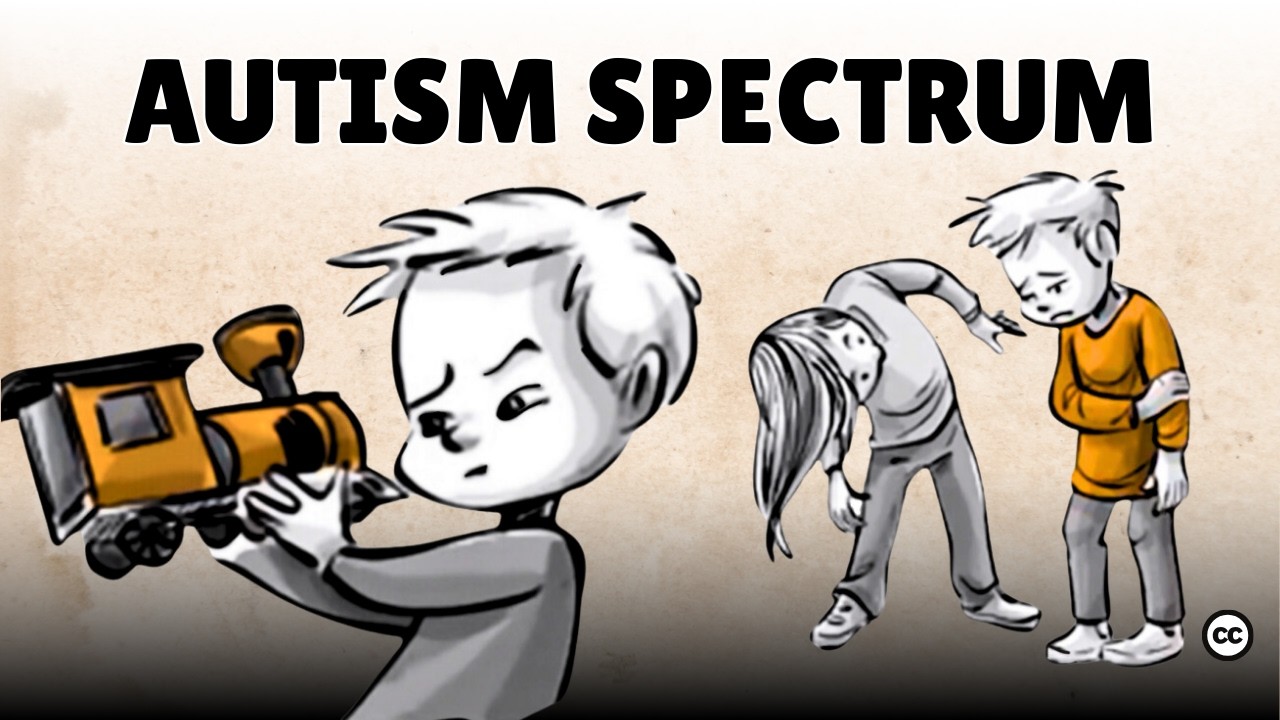
their families will have a better experience in this module we will review symptoms of autism spectrum disorder discuss challenges facing patients and families in the healthcare environment and identify basic strategies to use when engaging with patients with autism and their families this information will result in a better experience for all additionally many of the strategies we discuss in this module can be used when supporting patients with developmental disabilities and typically developing toddlers autism spectrum disorder is a neurodevelopmental disorder which is characterized by persistent deficits in social functioning communication and language and by the presence of
atypical repetitive behaviors sensory sensitivities and or restricted interests the most recent data from 2018 reveals that 1 in 59 children in the u.s are diagnosed with autism spectrum disorder and it is four times more common in boys than girls the term autism spectrum disorder encompasses the previously used terms autism pervasive developmental disorder not otherwise specified and asperger syndrome it is important to understand that when you are working with a patient with any of these diagnoses the following information will be applicable for the purpose of this module we will use autism to include all although all
patients with autism have some level of social communication and behavioral symptoms symptoms may appear differently in each individual our mantra is if you've met one person with autism you have met one person with autism what does autism spectrum disorder look like often these patients appear physically indistinguishable from their peers however subtle behavioral and communication symptoms may become more apparent upon interaction with a patient with autism they might have a hard time making eye contact and avoid interactions or they might be overly friendly and not understand personal space the patient might have spoken language or they
might be non-verbal if they do have spoken language they might have difficulty with back and forth conversation or might struggle with small talk jokes or sarcasm patients may have difficulty with sensory experiences such as certain sounds textures smells or touch some patients may have self-stimulating behaviors such as hand flapping and rocking pacing or jumping or repetitive vocal sounds or phrases it is important to note that these behaviors might be exacerbated during times of stress in settings like a hospital or clinic a child may not be able to use these behaviors this can become overwhelming many
patients with autism do well with routines and predictability this can result in greater success in the home and school settings however coming to the hospital is often out of the routine which can make this type of encounter particularly difficult why are hospitals difficult for patients with autism coming to the hospital can be a difficult experience for any patient but can present a number of unique challenges to patients on the autism spectrum the medical environment is far from predictable which can create feelings of anxiety and dysregulation from your experience working with patients take a minute to
think about some of the challenges your patients with autism face in the healthcare setting now that you have thought of some reasons that patients with autism have difficulty in the healthcare environment let's review what these challenging factors might be some key factors that cause the hospital to be difficult for patients with autism include being out of a usual routine individuals with autism benefit from routine predictability and experiences that are familiar to them coming to the hospital is not something that is an everyday occurrence and many of their support systems may not be in place the
change in the routine alone is difficult additionally there may be a change in diet or fasting unpredictable wait times and quick transitions clinic and hospital wait times are often unpredictable and a quick transition may be needed additionally a child with autism may have come to the hospital emergently and may not have their communication device sensory tools or comfort items that would usually be helpful in stressful situations new people and social interaction the patient is often expected to interact with a number of different individuals front desk staff support staff nurses and other clinical staff as we
know social interactions especially with new people can be difficult for patients with autism sensory overload sounds textures lights smells in addition a patient is faced with the many tactile components of a visit including vital signs physical exams and any testing that is being completed the sensory conditions of the hospital in general can result in overstimulation the bright lights unfamiliar sounds of people and machines and smells can cause stress and anxiety there are many visual distractions as well restrictions from coping mechanisms as described before individuals with autism often engage in repetitive behaviors for some individuals these
activities may be calming in the medical setting individuals are often restricted from these coping mechanisms causing increased distress inability to express self individuals with autism often communicate in different ways or have challenges with communication hospital staff may not be aware of the patient's communication needs when someone can't communicate they can become overwhelmed verbal communication and expression of emotions can be difficult for a person with autism as a result individuals with autism might use behaviors to communicate a need a desire or a frustration it is important to remember that behavior is communication an individual with autism
might engage in behaviors that include self-stimulatory or repetitive behavior aggression such as hitting or kicking in order to push items or people away self injuries such as head banging biting of their own hand or arm bolting or running off trying to escape a situation non-compliance not following commands or doing the opposite of what is asked tantruming flopping to the floor crying or yelling these are all behaviors that an individual with autism might exhibit remember though that behavior is communication these behaviors are often serving a function it may be an expression of a need or frustration
when these types of behaviors happen an individual with autism could be trying to express one of the following ideas i am feeling stressed scared or overwhelmed who are these new people what is going to happen to me this is a change in my routine there are too many new demands i can't access my copin strategies such as self-stimulatory or repetitive behaviors if you are interacting with a patient or come across a patient who is engaging in these type of behaviors stop and take a minute to think what is this behavior trying to tell me use
the parent or caregiver as a resource they will likely have an idea of what might be upsetting the individual and how you can help the situation it is also important to consider that behaviors might be telling you that everything is great they might be trying to say that they are happy or they are excited now that we have discussed and observed some of the reasons that medical settings can be difficult for patients with autism the next section of this module is going to describe some of the ways that we can be proactive and better support
a patient with autism when he or she is coming into the medical environment next we are going to discuss some proactive strategies you can use to help support patients with autism in your practice we have broken these strategies down into what we call the keys to success these keys are preparation communication and accommodation although each of these keys can be used at any point during a patient's visit or admission it is best to begin the process early and proactively preparation the first key to success is preparation preparation and planning when possible begins prior to the
patient's arrival for an admission or clinic visit since we know that patients with autism benefit from routine and predictability it is best to offer a family as much preparation as possible ahead of time before a family comes to the medical setting consider making it standard practice in your area to offer pre-visit or pre-admission phone calls if you work in an area where a pre-visit phone call is not possible such as an emergency department consider taking a couple of minutes upon a patient's arrival to engage a family or caregivers in conversation about what will help foster
a positive experience for the patient with autism asking the right questions will help you to learn about the patient what will be challenging and approaches to care that will improve the experience for all involved these questions might include how does your child cope with medical appointments does your child tolerate vital signs what sensory considerations might be helpful for your child does your child have specific triggers that we might be able to minimize the impact of such as waiting sounds lights or too many people in the room when your child feels upset or frustrated what does
this typically look like what are your child's interests is there a favorite character or show that they like taking the time to open a dialogue with a patient's caregiver allows for a collaborative approach to an appointment oftentimes a caregiver will be able to provide some pieces of information that can create a more successful experience some examples include waiting for vital signs until the end of the appointment or removing your white coat prior to entering the room using a proactive approach to working with a patient with autism can assist in creating an environment that fosters predictability
in order to create predictability some patients might find additional resources such as social narratives or visual aids to be helpful a social narrative is a tool that provides developmentally appropriate language in storybook form to introduce an unfamiliar place or task to an individual this test typically provides a preview of the steps that will occur as well as the expected behavior for the child during the visit or procedure and examples of the appropriate coping strategies this step-by-step text is paired with real pictures of the environment to increase a child or family member's familiarity with the area
prior to their arrival social narratives can be tailored to the medical environment and can be a helpful resource when preparing an individual for an appointment or a procedure let's take a look at an example of a social narrative that can be used to provide preparation for completing vital signs i am getting ready to go to the doctor during my visit the doctor will learn about my body and how to help keep my body healthy we will walk to the clinic and we will talk to someone at the front desk and wait until my name is
called my name might be called right away or i might have to wait for a little while while i'm waiting i can do a quiet activity mom or dad can help me find something to do while i wait this text is providing a preview to the individual and alerting them that there will be a number of transitions throughout their visit it also previews that the individual may have to wait which can be difficult for someone with autism while also providing suggestions for the appropriate coping strategies when it's my turn a clinical assistant the person who
tells the doctor how much i'm growing will call my name and bring me to a room the clinical assistant will ask my parents some questions the story then goes on to describe the steps of taking vital signs while still offering appropriate coping strategies and preview for the tasks that might be out of a typical routine for an individual the clinical assistant will measure how much i weigh the clinical assistant will ask me to stand on a scale maybe i'll need to take off my shoes and that's okay i can remember to stand very still while
the clinical assistant reads the number on the scale the clinical assistant will also measure how tall i am i can stand nice and tall against the wall and i might feel a tap on my head then the clinical assistant will ask me to sit on a chair and she will take my blood pressure by wrapping a piece of cloth around my arm the cloth will feel very tight but this is okay this is to learn about how my heart is working we know that individuals with autism have a difficult time with tactile stimulation and sensory
components of medical care it is important that we identify and describe sensory experiences that might be distressing to an individual as you can see on this page we are preparing the individual by saying that the blood pressure cuff will provide a sensory experience that might be new or different next i will look at a paper from far away and tell the clinical assistant what i see the paper might have shapes or letters on it i will cover one eye at a time with my hand and i will tell her what objects i see finally the
clinical assistant might bring us to another room or i might have to go back to the waiting room everyone will be so proud of me when my vitals are done providing positive reinforcement for a job well done is important this part of the story shows that using appropriate coping strategies can lead to a successful visit and provide praise from both caregivers and staff these stories can be used prior to a child's arrival at the hospital or just before a procedure you may find it helpful to create a small library of stories of common procedures to
share with families communication the second key to success is communication communication can be challenging for patients with autism some individuals may have only very limited language or be completely non-verbal keep in mind that this is true for a relatively small percentage of people with autism some individuals with spoken language may be inclined to only talk about their special interests others may verbalize scripted language from books television or movies even for those with advanced vocabulary children with autism often have difficulty making small talk understanding jokes or appreciating sarcasm when communicating with a patient with autism it
is helpful to use short concrete language rather than overly long explanations when we over explain or provide lengthy verbal descriptions it can become overwhelming and difficult for an individual with autism to follow short and simple explanations allow for one to cue into the important information first then language can be helpful to communicate expectations it can provide predictability and can also help patients know what is coming next in addition to utilizing first then language it is helpful to use do statements rather than don't statements by using a do statement we are providing an individual with the
behavior that is expected rather than the behavior that we do not want to see for example instead of saying stop hitting don't hit we instead say use safe hands it is also helpful to avoid asking a question when something is really a command this is something that might not come naturally to many of us we might say can i check your temperature to be polite or gentle but for an individual with autism who thinks concretely you have made it sound like a choice this makes it possible for the patient to say no when it is
possible to give choices do so this can give a patient a sense of control in a situation that might feel very much out of their control for example would you like your temperature or get your weight first would you like your blood pressure taken on your right arm or your left arm in each case the task is still completed the order has simply changed many patients with autism might also benefit from using visual aids to augment communication if you walked into the home or classroom of an individual with autism it is likely that you will
find visual supports designed to help a child navigate their environment and understand expectations these are examples of visuals that a child with autism might use or benefit from using each task or step is shown visually to help create predictability partnering with parents and caregivers is essential to learning about what works best for a patient with autism basic questions to ask include how does the patient communicate at home does the patient benefit from visual supports what are the patient's interests this will help guide you in how best to communicate with the patient accommodation the third key
to success in supporting patients with autism is accommodation how can we make small changes in our practice and workflow to meet the needs of an individual with autism providing care for individuals with autism requires the clinician to have an open mind and think outside the box patients may use tools and devices to help cope with non-preferred sensory experiences in the healthcare setting patients might use sensory toys such as weighted blankets compression vests or specialized chew toys for others providing an opportunity to engage in self-stimulatory activities such as walking pacing or jumping can help them cope
in the healthcare setting it is important to consider the individual's needs and partner with the caregiver to learn what accommodations will aid in a successful visit or admission when possible encourage caregivers to bring devices and items from home that will help the individual cope if that is not possible you can use items already in the healthcare environment to serve a similar purpose exam paper can be used to crumble or tear if a visual schedule a token economy system such as a sticker shot will help the individual through a procedure you can use paper markers and
stickers to create one by hand individuals with autism may require care that is unconventional accommodating the individual needs of a patient will optimize the chance of a successful visit or procedure when challenging behaviors occur using preparation communication and accommodation strategies when working with a patient with autism will help to optimize the patient and family experience and mitigate the risk of a difficult situation even with these strategies in place it is possible for a situation in the medical environment to result in escalating behaviors remember patient behavior is communication the patient is trying to tell us something
if you find yourself in a difficult situation it is important to communicate talking with the parents and caregivers can help to uncover why the patient's behavior is escalating and how the situation might be resolved ask them what they need in the situation what do they think we should do to fix the situation what has worked in the past the priority should be to make sure that the patient family and staff is safe first remove equipment from the immediate environment that could be dangerous such as chairs in the exam room or medical equipment that could be
thrown minimize onlookers including other patients visitors or staff decreasing the number of people in the immediate area can help to de-escalate the situation do not place blame these situations are difficult for everyone and are no one's fault after a difficult situation occurs it is important to debrief taking time to discuss what happened and think about how we can improve in the future offers staff the chance to learn and plan throughout this module we have discussed characteristics you may see when encountering a patient with autism we discussed why the healthcare environment might be challenging for an
individual with autism spectrum disorder lastly and most importantly we explored our three keys to success preparation consider how hospital staff can prepare for a patient visit as well as how the patient can be prepared communication consider how and what the individual uses for communication at home in school trying to replicate this as much as possible in the health care setting in promoting communication among the care team accommodation think outside the box about how you can improve the patient experience lastly always partner with the caregiver to learn about strategies that may be most successful these strategies
can help improve everyone's experience thank you for viewing this module on caring for patients with autism spectrum disorder a list of questions for providers to consider and to ask families when working with patients will be available on the openpeds website you