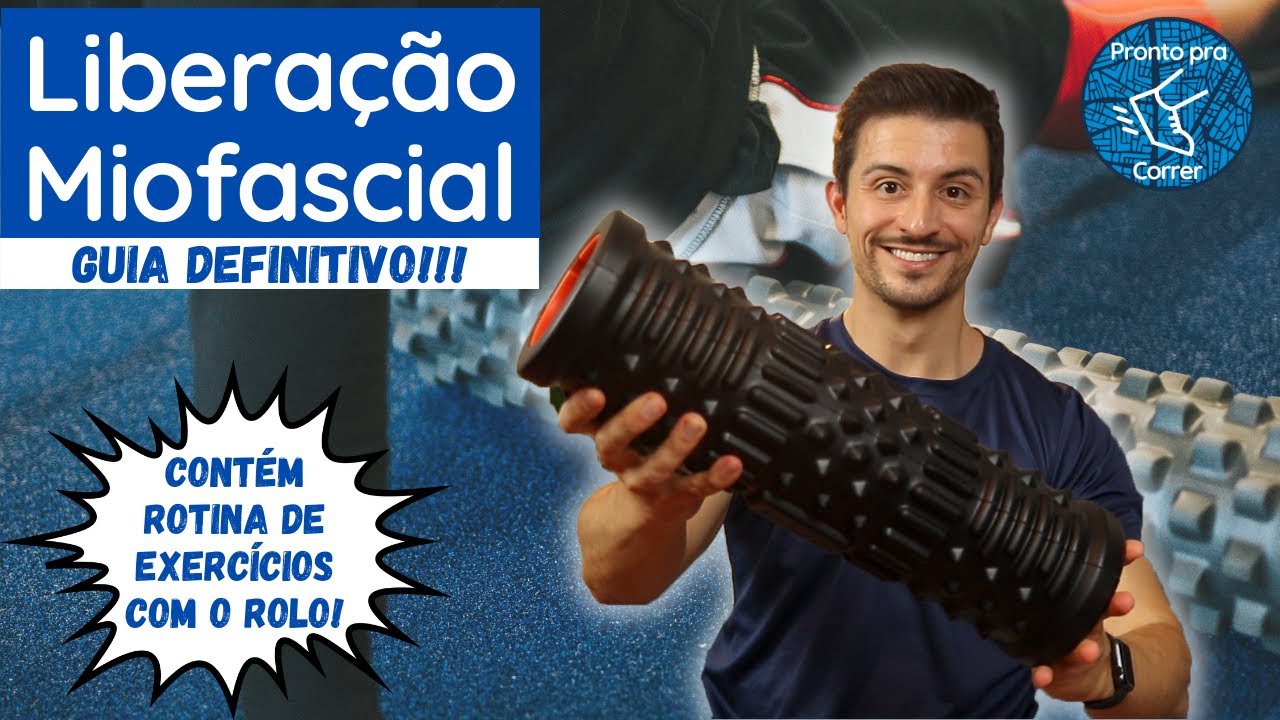
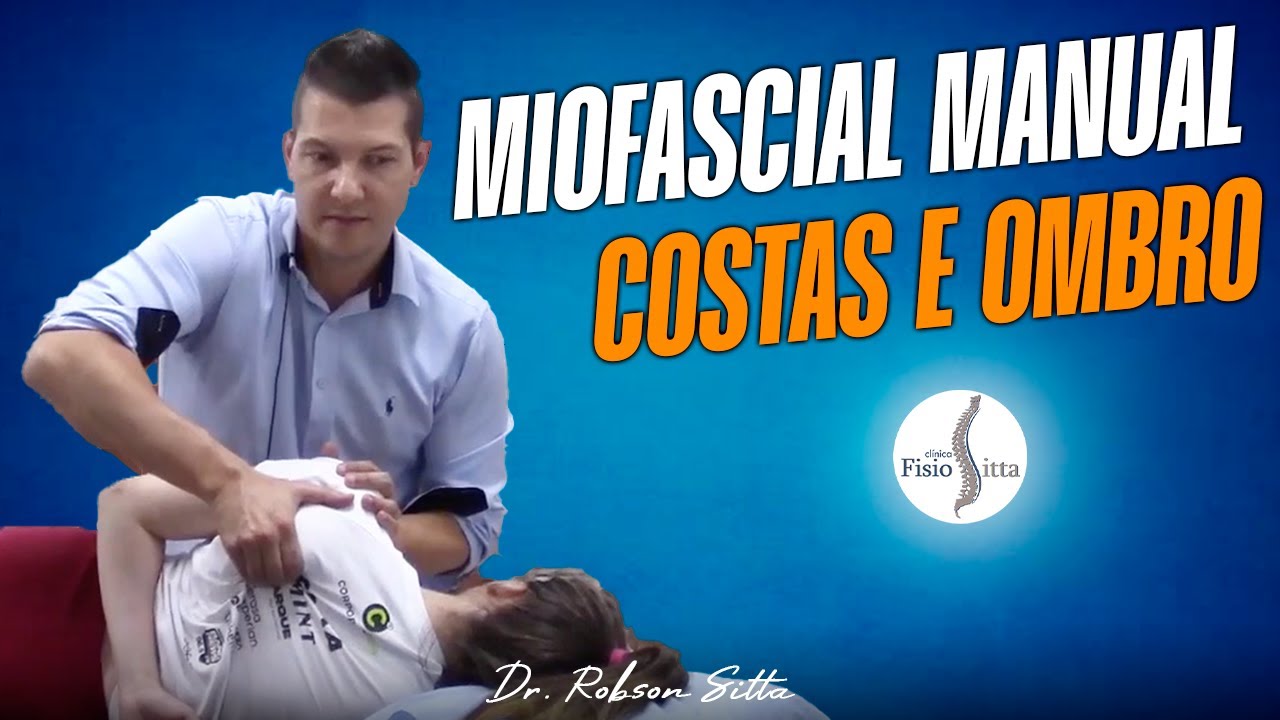
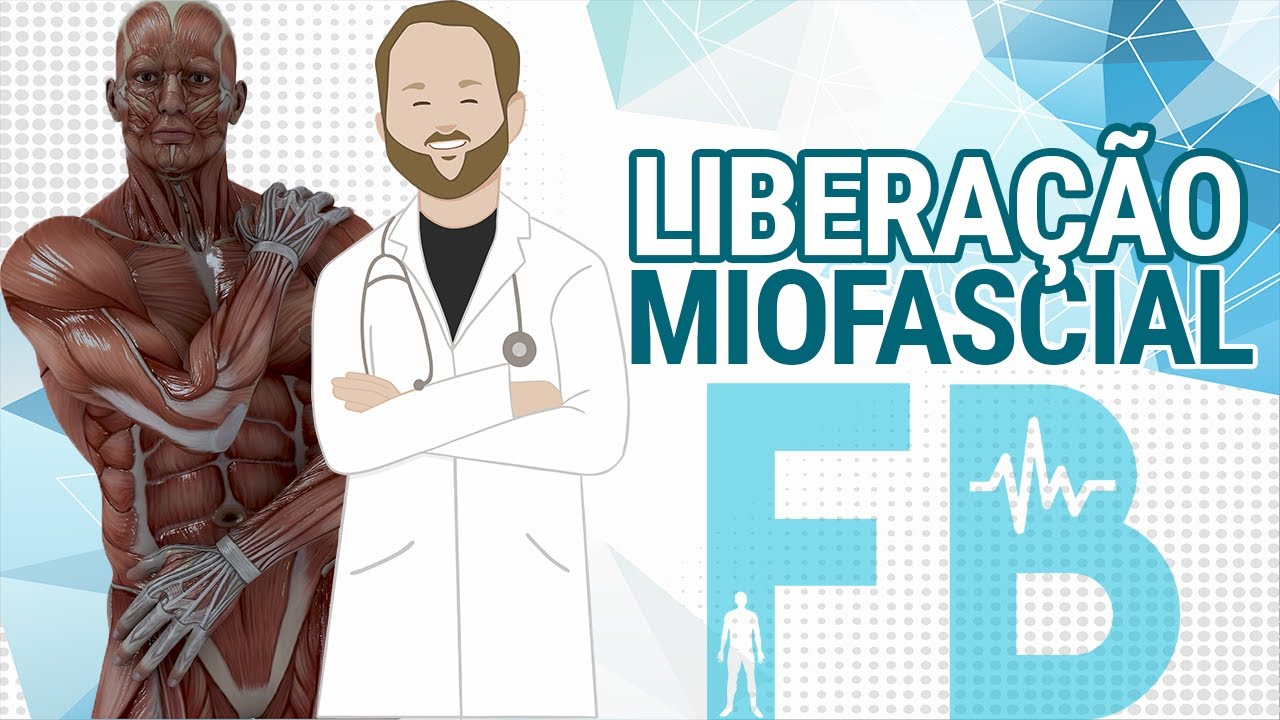
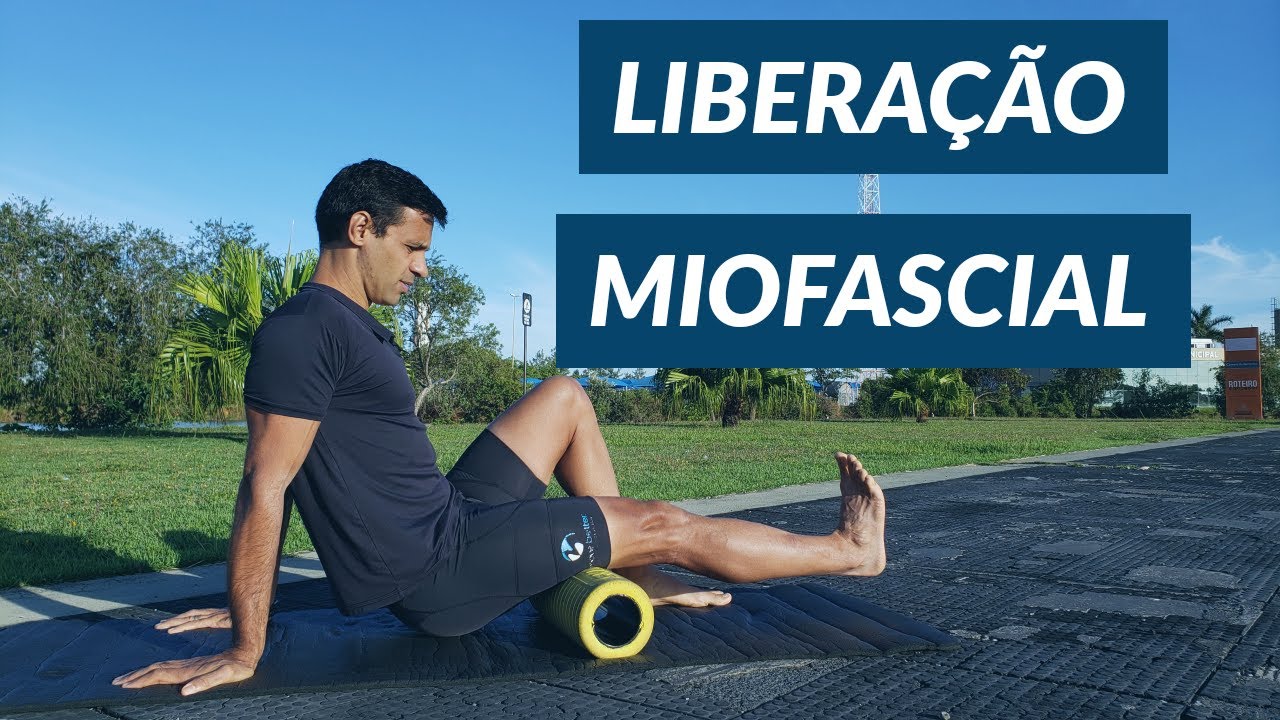
We have a physiotherapy technique, for those who do not know, it is physiotherapy, which is called myofascial release. We have defenders and we have defenders, let's put it this way, and in today's video you will know if it works, what is it for, among other things that I see that people show a lot doing the release and such, but the theoretical part I think we need to talk a little more and it's really cool. So, click on like and subscribe here on the channel and let's go to the video.
Well, it can also be called myofascial release of trigger points. And this therapeutic practice has become very popular in recent years on the market. I think in the past three, five years or so it has gained tremendous strength.
And in fact it is about relaxing the muscle fascia. So, put a muscle here, the fascia is like a cape around it, and then this distention of the fascia also helps in relaxing the muscles, that is, muscle retractions, muscle tensions , chronic muscle pain and even contractures, among others, it is very, very cool, myofascial release will help in all this, that is, in the athlete's life it is very cool. And why am I talking about the athlete's life?
You mean I have to compete for myofascial release? No, but what I mean is that the athlete has a greater muscle requirement , right? Without a doubt .
So for him it is certainly very good. Now, and for those who are not athletes or do not do so much physical activity, can you still benefit from myofascial release? Let's talk about it here.
Always remember folks, when you have a doubt about looking for Leandro Twin more theme, I say things to athletes as well as to people who are not athletes. I usually talk to those who are not athletes, so keep an eye on the channel. And if you are already subscribed here on the channel, you already know that mio means muscle, because I already talked about myofibril, for example.
And the myofascial why does it have that name? Mio muscle and facial is this fascia. And this fascia is as if it were this protection of the muscle, it is what surrounds the muscle, and this fascia is expanding as you hypertrophy this centrality, let's put it like this, muscular.
And for those who are wondering about the fascia, it is a connective tissue, which covers muscle fibers, as I said, and has some functions in our body, such as protection, but not only protection and support too. And when you have muscle stress, you create small nodules in these fascias, and precisely these points are stiff, they are painful, they can cause injury and when you do the release you remove this nodule, so the process of myofascial release has pain. So, if you keep watching these videos on YouTube and say: Gee, I think people are pushing it, I think it doesn't hurt that much.
Rest assured that when you stick your finger in it will hurt, it stays calm, because everything is bursting from the inside, but bursting for good. Is this technique used more in older or younger people? Guys, there is no such data, everyone can benefit, man, woman, new, old, it doesn't matter.
The more muscle stress you have the more of these nodules are created, and the more myofascial release is efficient. Now, your question is: Can a person who is not an athlete perform a myofascial release? And this is where some people come up with counter-arguments saying the following: Useless, bullshit, bullshit and such.
But folks, we unfortunately managed to have muscle tension without necessarily having an intense and noticeable physical vigor. What's that supposed to mean? When you go there and train hard it happens without any doubt.
So, we already understood that it's cool. Now, a person who doesn’t do physical activity, does having myofascial release make sense, since he doesn’t have muscle stress? It makes sense, depending on whether she has muscle stress that is generated in her daily life.
For example, a person who stays at the computer for a long time and is tense at the moment, is having a meeting, is there talking to the video editor and then you get nervous, because he cuts the things you say and you talk to him do not cut, and he says he has a YouTube time and you have your time and then you get tense. So, standing still you can give a muscle tension, there's no way. Now, it is very common, I had a friend who worked in the third division of football with the physiologist, and this friend of mine said that when he had an important game what was the main muscle complaint he heard the next day, of late muscle pain ?
You will say calf, thigh, adductors, glutes, abdomen. Trapezoid, because the players were under tension, running, thinking and the trapezoids hurt. Football player under stress, so look at that .
Of course, the legs were conditioned to stress, so they played and beauty, but not the trapezoids, because when you train you are there more relaxed. He's going to play a strong game, the trapeze hurts the other day, look at that. So, these muscle tensions exist and are high.
If you are a person who has muscle stress, you spend the whole day at the computer tense, dentist who works there with great attention . So, all of this can lead to delayed muscle pain, nodules, etc. And myofascial release is really cool.
As you cause an increase in muscle freedom, it is extremely common for a person to take a photo before doing the myofascial and then having another posture, like magic, because it releases, let go. He has a face that widens his back, because his shoulder is very tight, that thing, there is a tension here, the guy relaxes, so the muscles fit more. This is extremely common, many bodybuilding athletes do just before going on stage to be able to release all that stress.
Then, posture improvement also happens in myofascial release. Other than that, pain relief that is even chronic. There are a lot of people sometimes taking anti-inflammatory drugs, doing physiotherapy methods that are not what they need, doing myofascial release sometimes and ending the muscle pain .
So, if you have constant muscle pain you can and should try myofascial release. It improves as I said, posture, flexibility. Of course, some shortening can be caused by this as well.
Peripheral improvements such as circulation, breathing. Increased body awareness . Of course, because you let go and you say: Damn it, I can do that, from now on I will take care of it more.
Can pre-training improve your training performance? Well, you're going to have a little bit of pain and such, you need to recover a little, get yourself together, but because of all that I said about flexibility, proprioception. And in the post-workout?
Also, because it relaxes the musculature that has just been tensioned, because it reduces muscle tension, releases that accumulation of lactic acid, prevents injury, delayed muscle pain and etc. So, myofascial release is very cool. Do we have restrictions, do we have restrictions, people who can't do it?
We have, who has swelling or blood circulation problem is not cool, who has an injury depending on the degree of it cannot move there, because the musculature is damaged, whether muscle injury is obviously bone injury, whoever uses anticoagulant depending on the dosage also does not it is indicated and we also have an honorable mention for pregnant women, especially in the first three months it is contraindicated. And when a student Leandro asks you how long should I do myofascial release, what is the frequency and such? Guys, there is nothing so generic that I can give.
There are people who like to do it once a month, once a week. There are people who like to do it only at a specific time, when they feel they are reaching the limit, professionals recommend maintenance. So, it is very private, I think the word is private.
I particularly think that for the most part that trains without being overly twice it even seems like a good number. However, look, the person trains and has a stressful life , the other does not. So, that already changes the scenario.
The most appropriate is that you look for someone you trust and make an assessment, it is the best you have. Now, knowing that myofascial release is good, you can go after it. I have something else to say to you, there is a technique to make the chest more puffed up and the backs wider without hypertrophy, there is that and I said in this video here how you do this work, this way you can do in the gym right now.
So, be sure to check out this video.