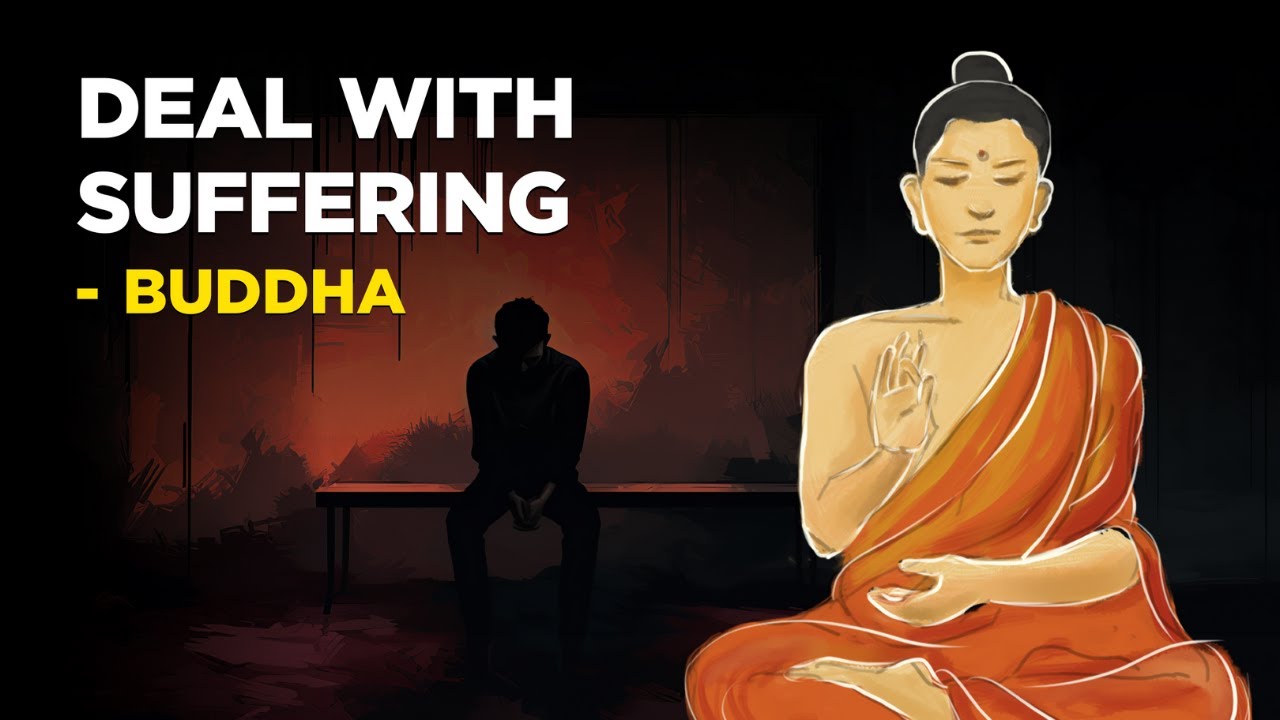
one of the most commonly mentioned schools of thought when discussing therapy is that of Buddhism but Buddhism isn't just a religion or spiritual tradition it's also a philosophical approach and psychological framework that offers us profound insights into the nature of suffering and how we can live good lives Buddhism originated in the teachings of sidarta gatama who set about on a path of Enlightenment from the age of 26 Quatama came to be known as the Buddha and gained a large following through his teachings of mindfulness compassion and ethics much of Buddhist thought can be applied to
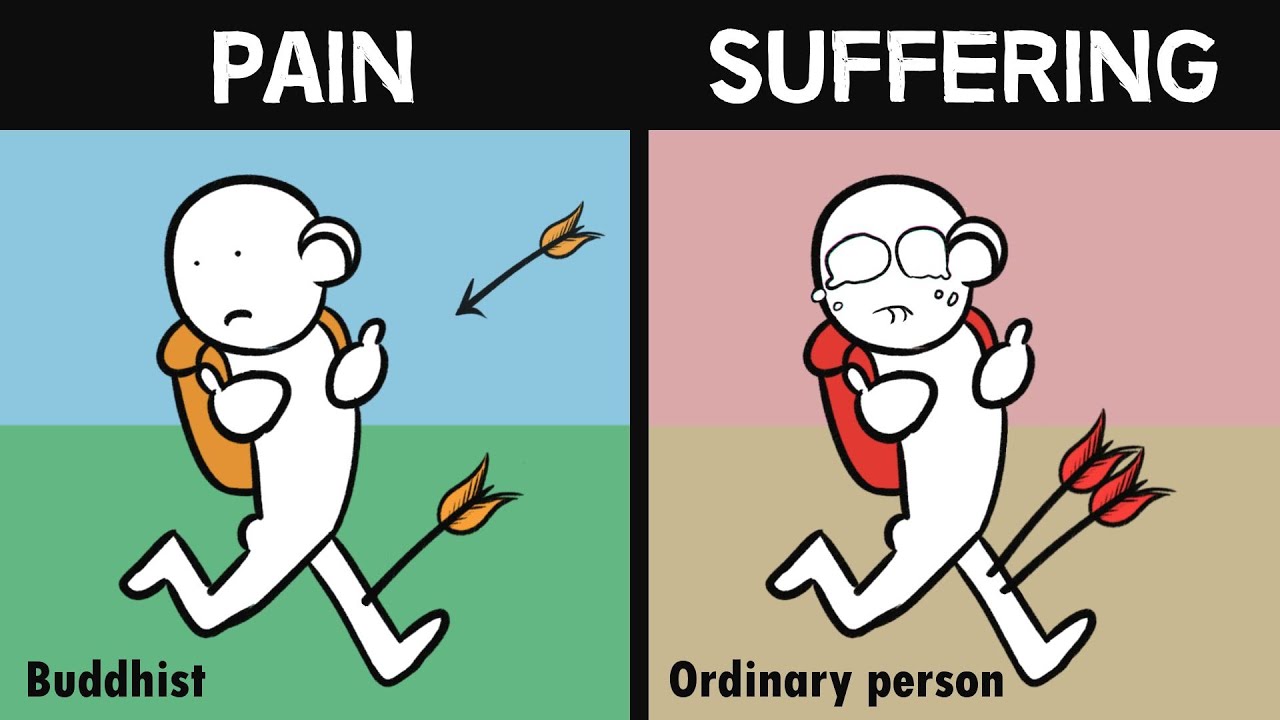
current psychological issues such as anxiety and depression as Quatama largely focused on alleviating suffering through the application of several habits to understand Buddhism it is first important to know about what he called the four noble truths which can be considered as the very Foundation of Buddhist philosophy if one follows the Noble Path they should be able to then understand how suffering emerges and how one could live a life of less suffering the first Noble Truth simply accepts the natural presence of suffering which the Buddha called Dua this is a reality to living beings who live
in a constant state of struggle and eternal frustration the second Noble Truth argues that the root of the suffering is found in desire or craving as long as we we feel attached to certain things lovers security purpose we will be possessed by them and thus condemned to live for them the third Noble Truth follows this logic and suggests that the cessation of suffering is possible through the cessation of craving and desire if we lose our attachment to Earthly things we will find ourselves free but how do we do this the answer is outlined in the
fourth Noble Truth we need to follow what the Buddha called The eight-fold Path this is a sort of self-help manual for Nirvana that gives us eight different ways of living that can then help us cultivate this Detachment from desire it is a practical guide to ethics mental discipline and concentration through mindfulness the core of following this path is through the application of Buddhist Meditation practices particularly mindfulness meditation doing so allows for a f focus on life and ourselves without any judgment or attachment meditation practices have since gained widespread popularity in contemporary therapy settings for their
efficacy in promoting mental well-being and emotional resilience mindfulness involves paying attention to present moment experiences with an attitude of openness curiosity and non-judgment one of the best methods is through simply focusing on one's breath my mindfulness-based interventions such as mindfulness-based stress reduction or mbsr and mindfulness-based cognitive therapy or mbct have been used in therapy to treat various psychological disorders including depression anxiety and chronic pain by cultivating mindfulness individuals learn to observe their thoughts emotions and Sensations with greater Clarity and equinity thereby reducing reactivity and enhancing emotional regulation meditation is a commonly applied practice As It
Centers oneself and clears the mind and requires very little resources from this use of mindfulness a compassion towards ourselves and others will naturally develop and this inevitably should lead to better mental health outcomes AKA A cation of our suffering but how Buddhist philosophy emphasizes the cultivation of compassion and what is called loving kindness or meta as essential virtues for relieving suffering and fostering connections with others through mindfulness we come to see ourselves as nothing more than a self as process and come to cultivate a sense of self that is far less rigid we become less
hard on ourselves compassion focused therapy or CFT developed by the psychologist Paul Gilbert integrates Buddhist principles of compassion with cognitive behavioral techniques in order to alleviate symptoms of Shame self-criticism and interpersonal distress CFT emphasizes the practice of self-compassion by extending the understanding we give to others back to ourselves it asks us how we might treat a friend who is struggling with our own issues this might include writing a letter to ourselves as if we were writing to a friend CFT also reflects the sort of being that Buddhists such as tikat Han discuss the interconnection between
all living creatures and the understanding that we are all in this together of course this is all reliant on maintaining a feeling of presence and mindfulness by practicing meditation individuals can develop a sense of warmth empathy and Good Will towards themselves and others thereby promoting emotional well-being and interpersonal Harmony the philosophy of Buddhism goes beyond spiritual and religious relevance and also offers valuable insights and practices for promoting healing personal growth and well-being in the therapy setting this is reflected in nich's argument that the Buddha was in some sense one of the greatest doctors and psychologists
of all time the Buddha integrated principles of mindfulness compassion and ethical living into his teachings in order to diagnose and heal us from our suffering centuries later Buddhist informed therapies have provided individuals with practical tools for coping with suffering cultivating resilience and fostering inner peace now it is important to remember that while Buddhist philosophy and practices have been adapted and secularized for use in therapy they are still intimately connected and emerge from spiritual and cultural practices this has been largely forgotten one criticism of the secularization of Buddhism is that it has turned into a sort
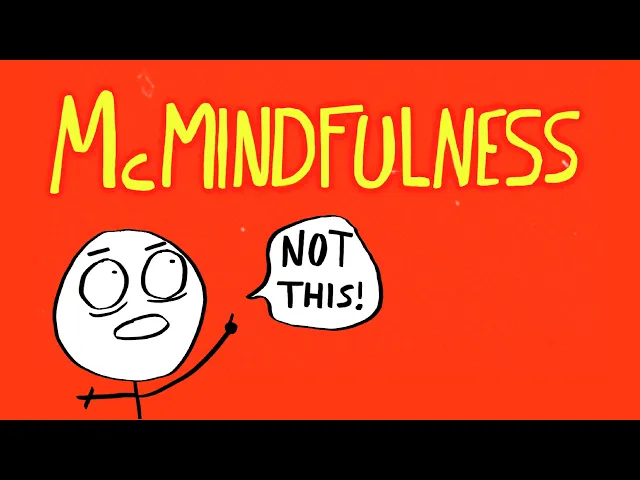
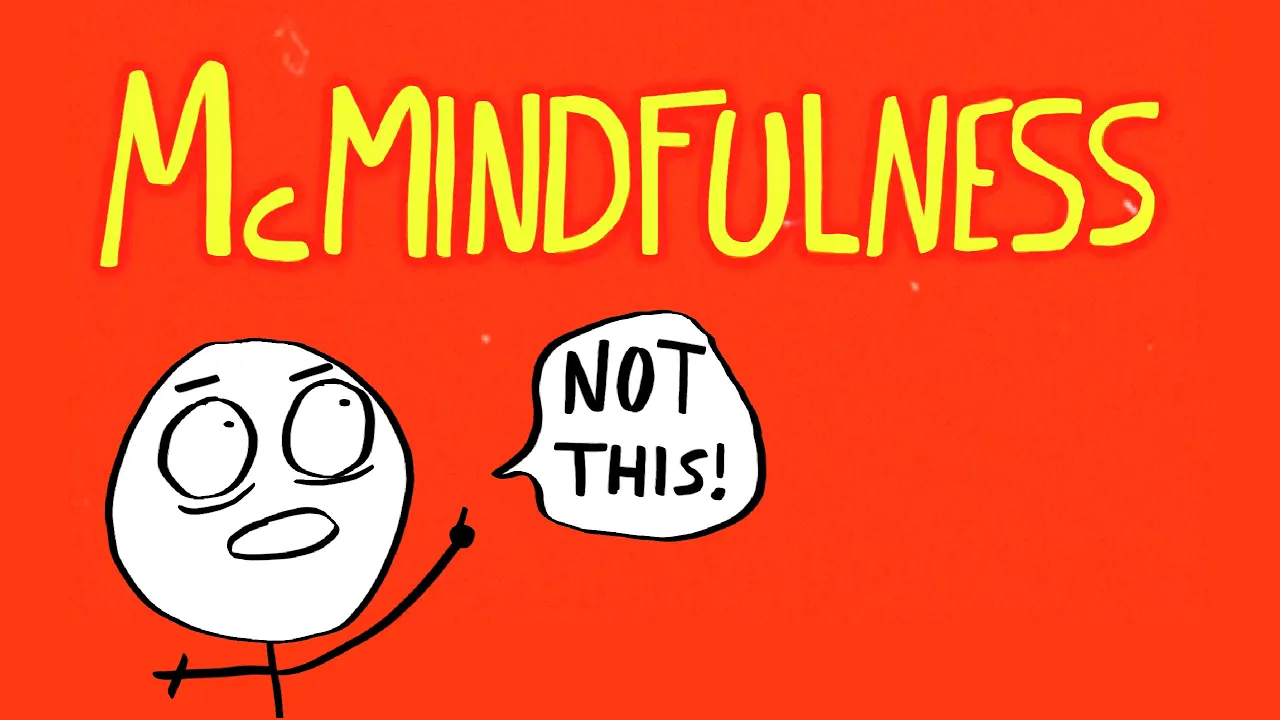
of mcmindfulness in which Buddhist teachings are used in order to increase productivity and toxic positivity instead we should try our best to really listen to the words of the Buddha as a philosophy that rejects possession and materialism rather than apply his teachings in order to attain more and more and win in the so-called rad race this video is sponsored by brilliant have you ever wondered how STEM Science technology engineering and math play a role in your everyday life or wanted to deepen your understanding of this vital topic that influences so many aspects of our existence
well you can do this and so much more with brilliant brilliant makes learning how the technologies that shape Our Lives work fast fun and hassle-free in our Tech driven world where info is almost Limitless understanding the basics of the technology we use daily and the science that underpins our existence is essential for staying connected to ourselves and each other what I love about brilliant is their extensive range of math and science courses for example their scientific thinking course sharpens your critical thinking skills which is invaluable for making informed personal decisions and their intro to probability
course empowers you to assess risks and make predictions whether you're planning a weekend outing or evaluating Investments with thousands of interactive lessons you'll gain the scientific literacy needed to navigate health safety and societal issues so the next time you consider stem embrace it explore it and discover how it empowers you to understand and shape the World Around You by trying everything brilliant has to offer for free for 30 days by visiting brilliant.org cisus 55 or clicking the link in the description plus you'll receive 20% off an annual premium subscription [Music] [Music]