- Social media. It seems like everybody's doing it. Really truly, everyone.
There are 1 billion active users on Instagram 1. 6 billion on Facebook, and 1. 8 billion on YouTube And that's just a few of the platforms out there, Americans spend two to three hours every day on social media will we ever stop scrolling?
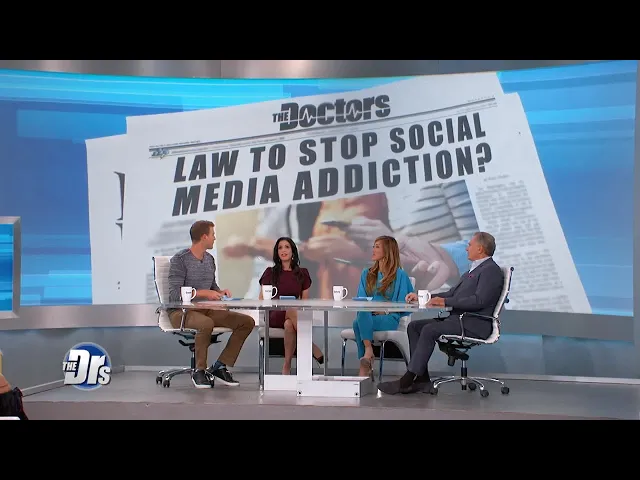
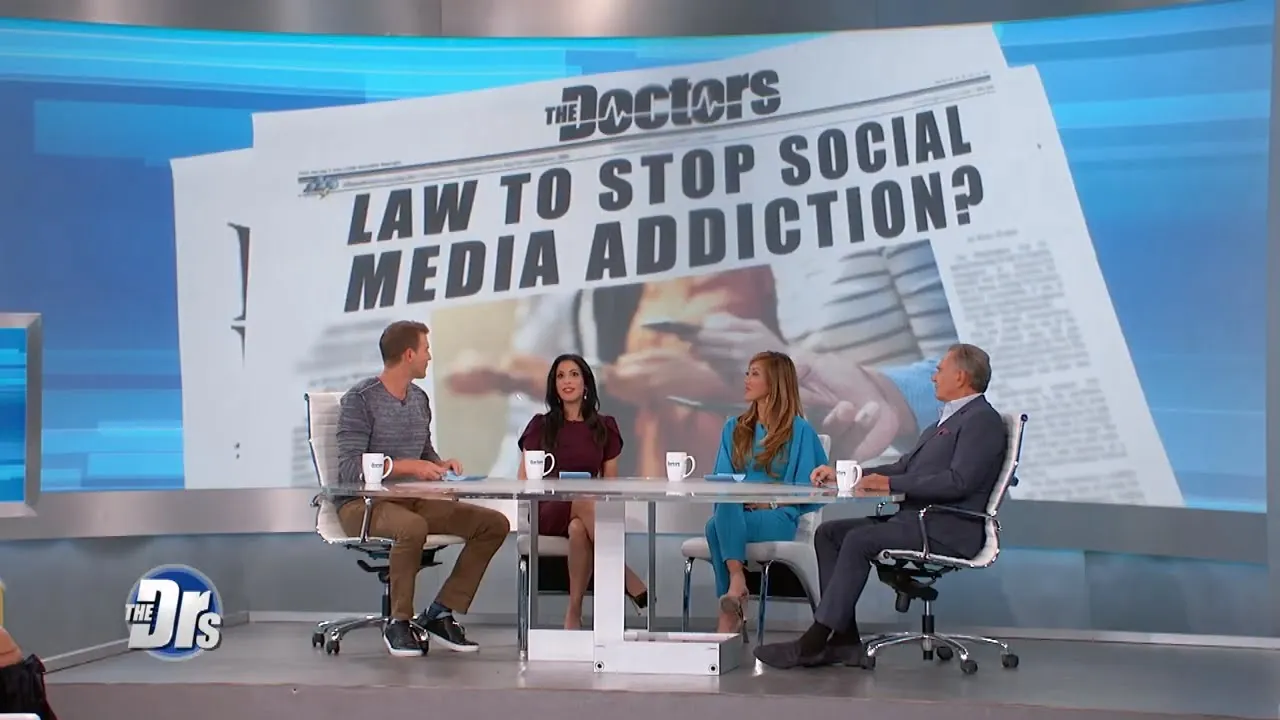
Well, a new proposed law aims to stop your mindless scroll and limit your screen time. Its stirring up quite a bit of controversy. So the background is this.
A Senator in Missouri Josh Hawley introduced a bill top stop social media apps from employing techniques that encourage those addictive behaviors. In this bill, it's called the Smart Act Social Media Addiction Reduction Technology Act. The laws written would stop auto-refill and infinite scroll The user would have to click to view more content.
The law would also make companies but 30 minute time limits on social media use. But then the user could go in and remove or adjust those limits. The question I have is, how do you all feel about this?
Should the government regulate social media to curb addiction? Everyone in the audience you have the tablets. So cast your vote right now.
Yes or no. And then we're of course going to discuss this. Because - We sure are (laughter) - Lets show how our audience voted here.
80 percent of you said no the government should not regulate social media to curb addiction. - Are you surpised? - You all love your social media - Yeah, so this is interesting.
- I guarantee you there are a few of you in the audience who had trouble putting your cell phones away today right? To sit in our audience- obviously you're not in here scrolling. - [Male] People struggle with that - Just think about the scale of the world population is 7.
7 billion. All three of those platforms you named have more than 1 billion active users I mean that's crazy. When you think about around the world - We're gonna get into it.
I mean we're doctors. We're gonna talk about the health repercussions of too much social media. And they're real.
But it comes down to, you can't tell people not to engage in a certain - So you agree with the audience? - Okay, alcohol is illegal, drugs are illegal, well some drugs are- - Well the thing is, the government does regulate those things Drw. The government, believe it or not regulates that it regulates- - [Male] Smoking - It regulates gambling - Okay, well then lets put - - It puts - But your point about the regulation is they're regulating it in the name of public health for young people.
- [Male] That's right. - So I think this is a really interesting question- - Well then lets put a warning on it. - Yeah - That we know.
As I said there are some definite health issues associated - [Female] Right - Lets put a warning - Exactly, this is part of the issue. Because we're talking about addictions, regulating addictions. And this is a type of potentially, a process addiction Like gambling, like internet gaming And in this case, I think for young people especially we've seen studies where even just the amount of likes will light up a region of their brain called the nucleus accumbens, and that's associated with the reward circuits.
And young people, teenagers, it's especially sensitive. So we're worried that if you light it up a little bit too much, it creates that addictive cycle where you're constantly gonna go to it.