what's up you guys welcome back to this free flexibility strength balance and body awareness course the ultimate Flex I'm Shelly Airy and I'm the CEO of Shelley Flex Athletics through my online handstand flexibility and contortion coaching program Flex Ed I help people to discover the untapped potential that they have within them I created this free course as a way for you to create a solid foundation for your move-in journey and set you on a path to unlocking skills you never dream to be possible this video series also serves as an opportunity to determine if us
working together to pursue your handstand flexibility and contortion goals would be the right Next Step for you and at the very least I just want to provide you value in the last video we covered the importance of establishing a baseline in order to get results efficiently and effectively in this video we're going to address a variety of factors that play a role in increasing your range of motion and most importantly how improving your stability is one of the most impactful things you can do when it comes to improving your flexibility preventing injury and learning Advanced
handstand and contortion skills let's start by taking a look at how your day-to-day routine might be impacting your stability spending a lot of your day sitting at your desk or in the car can put a lot of stress on your lower back causing it to feel unstable or at risk of injury resulting in your hip flexors and Erectors overworking in an attempt to create stability looking down at your laptop or phone tends to also put a lot of stress on the discs in your cervical spine which can cause your traps and your upper back to
tighten up overall your body is very quick to adapt and make adjustments in order to provide support however over time without addressing this underlying instability and correcting these improper movement patterns this can cause a significant decrease in your range of motion to put things simply your spine needs stability in order to support mobility within your extremities think about a tomato plant to help the stock be able to support growing large juicy not to mention heavy Tomatoes we provide additional support by using a tomato cage in order for your body to be able to handle a
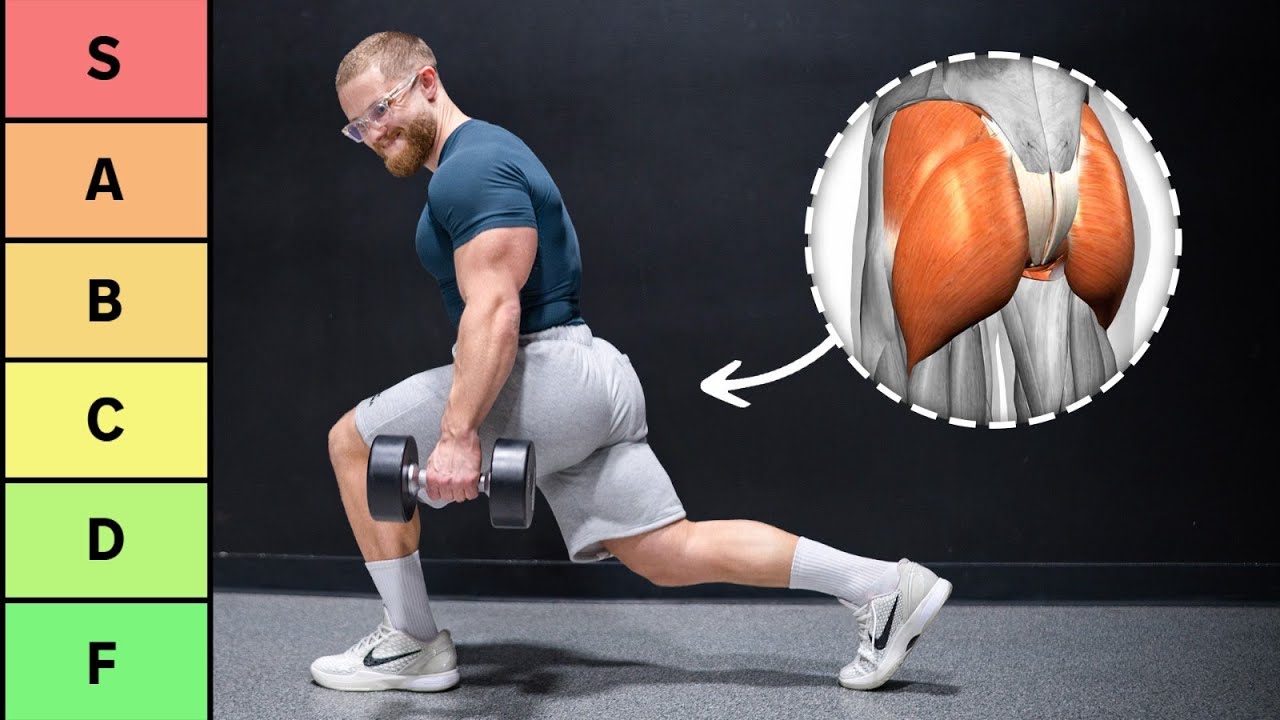
deeper range of motion we have to provide more support for your spine by strengthening your core to clarify on what I mean by your core I'm not necessarily talking about your abdominals or your obliques but instead I'm referring to the deeper muscles of your core that include your diaphragm pelvic floor so as quadratus lomorum glutes adductors and abductors and it's not just about strengthening these muscles but it's also learning how to get them to work together cohesively so we've established that creating a strong core will help to create stability for your lower back now let's
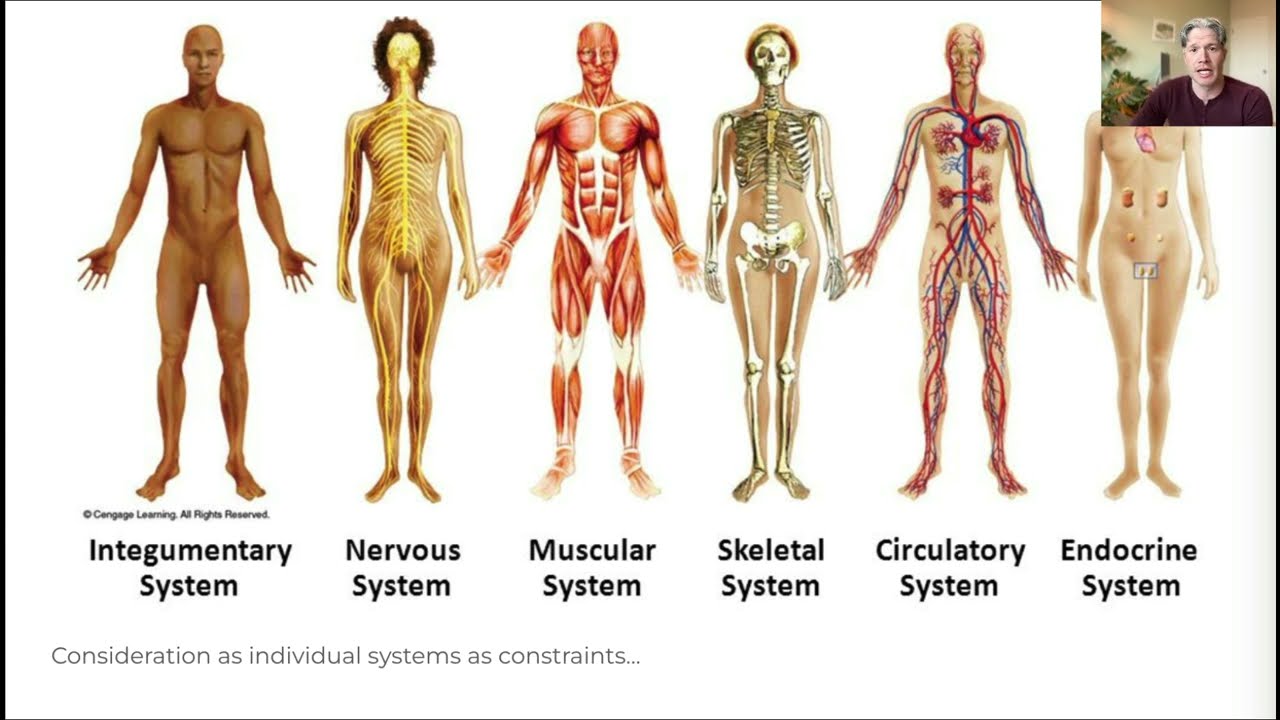
take a look at what happens if your lower back is unstable throughout your body you have Mobility joints and stability joints a Mobility joint is any joint that can move in three directions up and down side to side and rotate such as your wrist stability joints move in only two directions such as your elbow as you can see from this diagram the stability joints include your fingers and toes your knees and elbows the majority of your cervical spine your shoulder blades and your lower back your Mobility joints include your wrists ankles shoulders and the top
of your cervical spine your thoracic spine and your hips your Mobility joints rely on the stability joints in order to function properly so each Mobility joint must be adjacent to a stability joint which means that they alternate back and forth you can think about it like a diving board in order to get any spring at the end of the diving board you need it to be bolted down at the other end likewise your body relies on the stability joints in order for the mobility joints to be able to function properly now here's when things get
a little tricky when a stability joint becomes unstable it throws everything out of whack because your Mobility joints rely on the stability joints in order to function properly your body then tries to create stability where there should be mobility and it's this ripple effect so say your lumbar spine is unstable then your thoracic spine and hips will get tight in order to create stability so now not only is your lower back at risk of injury but now your hips and your thoracic spine are also in dysfunction which then causes dysfunction throughout the rest of your
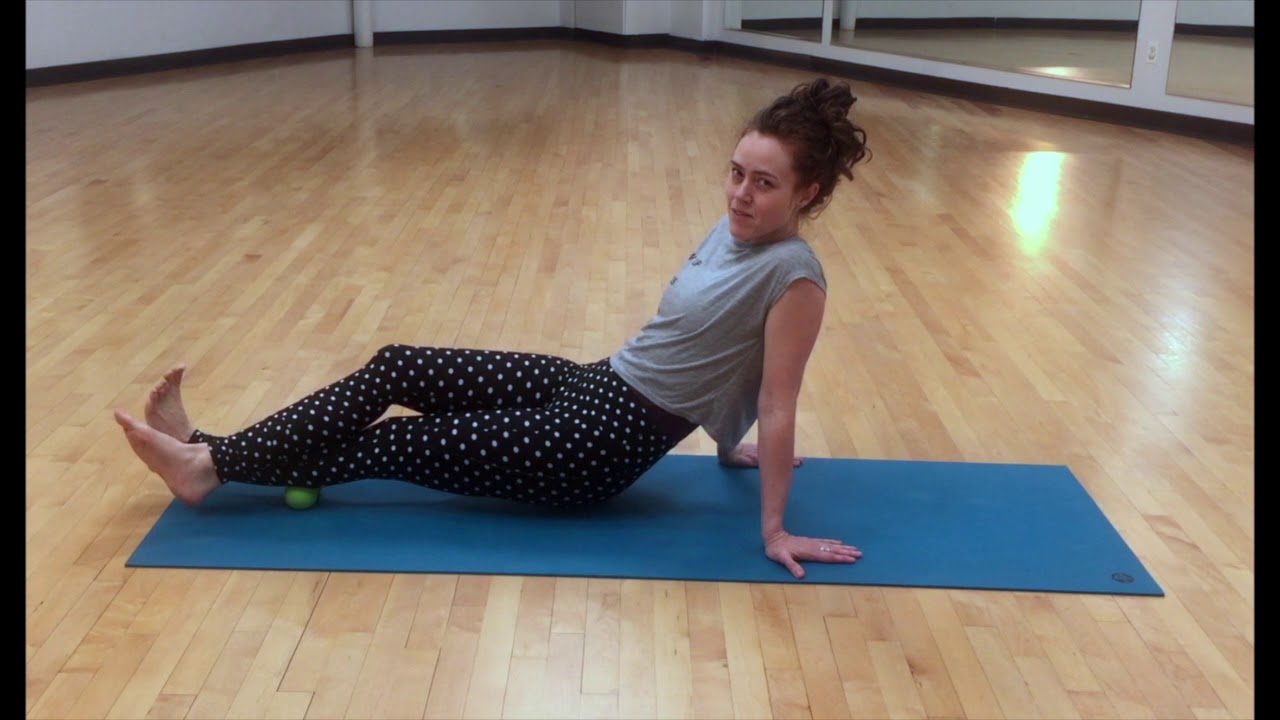
body so in case the limited Mobility caused by instability wasn't bad enough let's take a look at what happens with persistent instability the primary role of muscle tissue is to contract and relax when you have instability messages are sent from the nervous system that signals the muscle to contract sometimes these messages can get stuck in a loop where the muscle fibers will stay contracted resulting in a trigger point a trigger point is a hyper irritable nodule found within the muscle fibers that are caught in a state of constant contraction due to trauma overuse or compensation
if a muscle cannot fully relax that means it also cannot fully contract this means that trigger points will limit the muscle's ability to function at its fullest potential this in turn can cause other muscles to compensate for the lack of work being done by the already contracted muscle which will ultimately create additional movement pattern dysfunctions all right so I know that was a lot of information to take in at one time so feel free to go back and watch this video again to really let it all soak in if you need to recap in order
to create stability for our spine which will prevent injury and allow us to access a deeper range of motion we need to strengthen our core in the next video we'll be going over how to address trigger points and muscular dysfunction if you have found this training to be helpful so far and would like to learn more about our online training options go to our website www.shelliflex.com or grab a spot on our calendar so we can take a deeper dive into where you're getting stuck and come up with a game plan to knock your goals out
of the park see you in the next video