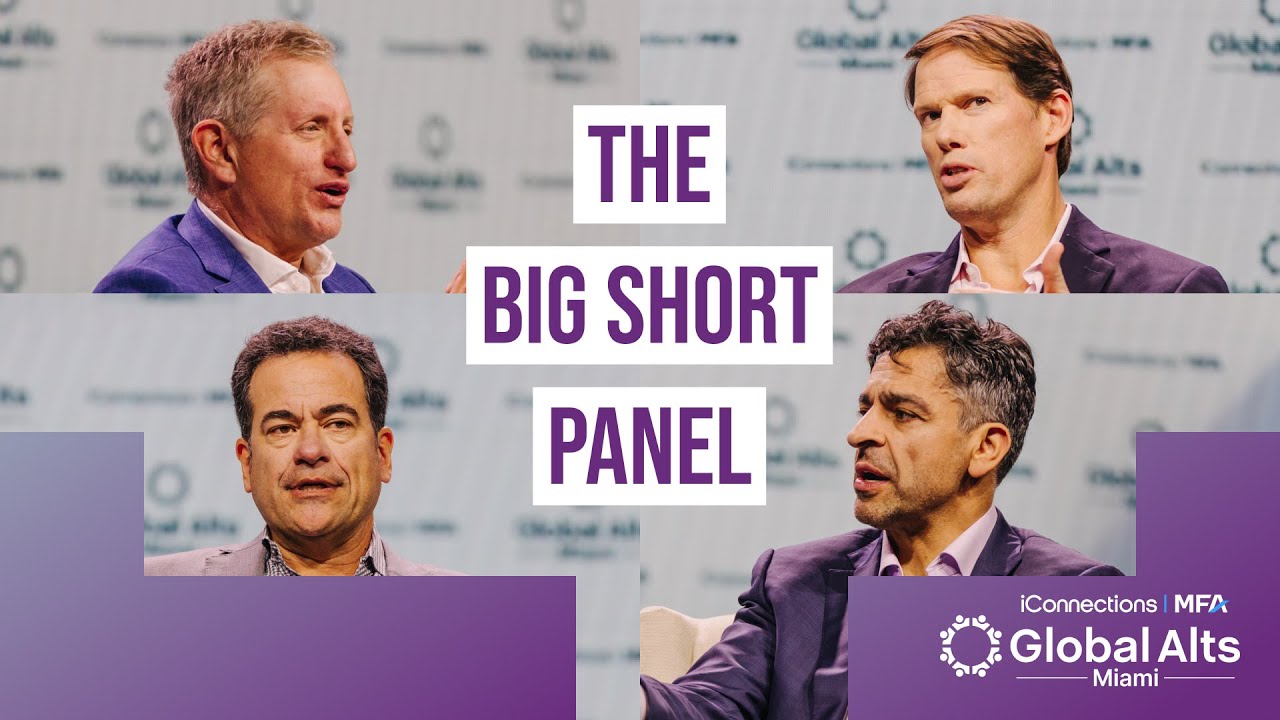
welcome everyone it's amazing to see a full house here I'm Megan Reynolds from altimer and it's great to be spending time on stage with two legendary LPS and actually GPS themselves as well that are here to give you perspective on the lpgp relationship Dynamic and the current economic environment for fundraising on the stage age here you have I hate to say it over 75 years of collective asset management experience sadly distributed evenly um Packard Foundation common fund Stanford University spider management Jasper Ridge Green Spring Goldman Sachs that's the perspective that we bring to you today
each of us have spent time at those Collective organizations and I've had thousands upon thousands of meetings with GPS and with LPS over the years that we've been working together in the industry with all of you and I think from that we wanted to bring some perspective about some of the things we've learned one of the things that I love to do is debunk fundraising for many GPS out there I post a lot on X I write about what I'm hearing from LPS and I found so many GPS that have come to me really thanking
me for putting out there just some common observations and some truth telling about what I'm hearing and it's made me more passionate about trying to establish a baseline of our understanding of relationships I joke that what I wanted to call this panel was um oh my gosh he's just not that they're just not into That Into You relationship advice and what LP's really want to tell you but what you're too afraid to ask so I start with that I'm going to turn to each of them maybe I'll start with Sean and talk a little bit
about stepstone Green Spring your program that you're actively investing today and then we're going to spice up the panel and start with what's the worst thing you've ever heard a GP say in an LP meeting okay great hi I'm Sean Kang thanks for uh uh coming today uh so I'm part of the stepstone Venture growth team so we commit to early stage funds and then we do direct investing at the growth stage we have very large secondary practice and then uh we also have a large advisory business um out of which we underwrite all different
kinds of funds from Soup To Nuts from again preed funds all the way to uh what you'd actually call probably more growth Equity um coming from more of a PE DNA uh and so so I'll probably kind of keep coming back to this framework that I like to use with GPS is that as you think about uh fundraising um a lot of the mistakes I find we can sort of put into a common sensical or an analogous format with an Enterprise sales cycle if you were selling software you were selling a product uh to a
company um and so one of the again sounds very basic but um Elementary things that I observe a lot is that people don't kind of do the research on the client before they show up so um the one example that I'll give is you know we had uh GP come into our office we do again quite a lot of direct investing we were direct investors in Cloud flare and uipath and you know just a lot of Enterprise companies and this GP came in and was clearly just on autopilot and spent I don't know 3 minutes
explaining to us what cloud Computing was because you you've wasted my time now which I uh generally don't appreciate I think sometimes one thing I would say the worst thing I hear GP say in a meeting is too much right listening and understanding um okay Karen excellent no thank you for the opportunity to be here thank you all for joining us I'm really excited for this conversation um so I'm Karen Welch I'm the deputy chief investment officer at spider management company we are part of the University of Richmond and very unique in that we manage
the University of Richmond's endowment and the endowments of about 30 other colleges Independent Schools nonprofit organizations we manage about $6 billion dollar as a single pool which from the investment perspective is optimal and we really think from the business and client perspective it's ideal for the right set of client partner ERS who share the same investment objectives needs um philosophy as the University of Richmond and so we are 100% aligned with uh the university and all of our partners so it's a really unique model and opportunity the worst thing I think I've heard is as
shocking as it sounds I kid you not we had a GP come in to meet with us and kept referring to us as the University of Virginia yes we are in Virginia we'll give them that we're only about an hour down the road from Charlottesville but you rule number one know your Obby know your prospect do your homework as I'm sure you all do so so I think let's turn from that turn to some practical guidelines for building relationships right so much a GP is starting out so whether you're an emerging manager or an existing
manager it's a tough fundraising environment out there most people are looking for new capital today in some way um which requires even the best of managers to start building new relationships let's start with just some practical advice or common mistakes that you see around people that are starting out new relationships with LPS that could be things around the Cadence of communication you know what's the best way to start off on the right foot what's the best way to stay on your radar like let's talk about some of those practical realities uh I guess I would
say you know there it is a tough fundraising environment as uh Megan mentioned you know we have L oops sorry we have LPS as well so we feel it um and we can one that was in percent empathize and sympathize uh I think um it is highly unusual for us to commit to a GP who is previously unknown to us the best way to get our attention is to have uh a warm introduction by someone who's going to vouch for you whether they're you know you're if you're focused on seed if they are Downstream from
you at the a or the B um and you know they know us well and then they will say hey anytime this person sends us a deal we will take a hard look because they are you know a subject matter expert they are able to win deals uh they've been good board members Etc um so I would say say that and then as a a 1B I guess to that point uh you know we are a big firm we have bunch of asset classes Etc I would make sure that the quality of the referral if
you are able to find a warm inro to us is a strong one because you'd be surprised at how many times we'll get the you and I are both on the email and then we'll get a one-on-one email right after saying hey they asked me to introduce them to you I've never worked with them I won't vouch for them so they asked me and I couldn't say no that happens all the time um and so I guess that would be my uh advice Karen you have a big team underneath you do they respond to cold
emails we try to be respectful and professional and so we try we certainly aspire to be responsive but that's not generally the best way to really get our attention so I think you framed this question perfectly in referring to it as a relationship and we think about allocating Capital as building relationships that are ideally you very long-term open honest relationships I had one of the former cios at Stanford talked about getting married to a manager and as the flip side of that though is there's a long dating cycle I like your analogy about the Enterprise
sales cycle and so this is maybe not the answer that GPS want to hear but I think they we need to be realistic around you know what that time frame looks like and not just cold calling or reaching out as they are immediately beginning to fund raise the best engagement and opportunities are when they're not fundraising when you have the opportunity to really get to know them in a a deeper manner when there isn't this sales element of it at that point so you meet a manager and you have an introductory meeting you're starting to
date but you're not investing yet what is the right Cadence of communication from a GP who wants to stay on your radar wants to keep you updated on how things are progressing ideally so that you invest in their next fund I think people struggle with this a lot because they say okay I've met them and they said they're not going to invest now but I'm going to guess send them quarterly updates or I'm going to try to meet with them every time I'm in town some feedback around that because I think it's something people really
struggle with um and knowing because they don't they generally don't want to annoy LPS but they also want to stay on your radar so give us a perspective on that um and so okay so I would generally say uh about a once a year um checkin is what uh more than that um unless unless there's been some major change or Victory exit uh I think those are you know I would feel free to sort of chest thump about those because especially now there are very few and far between and and um track record is really
what's going to get uh folks attention um in that kind of that dating period um absent that uh with groups we are genuinely interested in getting to kind of know over time sometimes we will say feel free to add me to your quarterly distribution that's scrubbed for non-lps um because we do want to kind of keep uh you know at least a little bit of an eye on it um but in terms of a real live Zoom or update like a legitimate one I would say once a year yeah yeah I think that's generally the
right timing I think part of the reason why this question is so challenging is there's not you know a completely standard answer and it depends on what asset class where you are in the fundraising process what the environment looks like so in addition I would add thinking about opportunities that you can add value and you do a great job with this if there is something in the market something in in your business that's changed um that you have or something in the the broader landscape and opportunity set that you have information you have value to
add you can share information you can help to educate the LPS to make us smarter is is valuable and I think a great way to um you to get in the door and have a a meaningful update conversation that's really interesting I know we try to think about delivering value to our LPS in two ways which is returns and insights and I think we often focus on the returns piece but the insights piece I think is is undervalued all of the LPS that we work with are fiduciaries in some ways to the principal of their
family office to a board of directors to a university endowment to LPS of their own and they need to report back they're addressing questions so you know figuring out ways to help your LPS navigate complicated markets is is genuinely I think genuinely valuable I think that's a great uh that's very well said and if it's okay I'll use your example like you know yesterday the stock market getting crushed because of deep seek and if some GP you know if you have a point of view on it or some insight that you think is differentiated and
you sent that to me even if we weren't um you know even if we didn't know you well again it's topical uh it's subject matter expertise that you could be associated with uh that would we would remember that I I want to stay on communication because we all know communication is the rock bed of relationships of all kinds talk to me about what great communication looks like what transparency looks like I think the industry does a terrible job of creating some sort of standard around transparency and communication I think it's pretty established equity in public
Equity markets you've got investor calls people know what to expect it's well-managed an alternative ments it's a zoo everybody does it differently and maybe there's not one size fits all but what is great communication look like from a GP that you're invested with I would say for me I I'm kind of thinking about it in terms of um again we talked about this a little bit but just generally there are rarely good surprises so um I feel like the number one job should be like I shouldn't be surprised by something um whether it's you know
a significant markdown in the fund returner in you know the fund that you're in or that you've crossed over you know seven times into different funds um that proactive communication uh again it sounds very basic but it really goes a long way particularly when things are hard and I know it's sort of maybe not the human instinct where you want to kind of hide but I think those are the times when you want to be more upfront because you get a lot of credit for that in terms of hey here's what I learned from it
or you know here's what's happening here's what I learned from it um but also then I feel like I can trust you versus you know we've had situations where there have been where I know that it was there was fraud right there and and then we were told about it like you know very Loosely uh or sorry very kind of surface level and it never hit the press and then it was never talked about again and and again especially for us where we've looked at companies directly like this one company I'm thinking of so none
of the other LPS knew and then never talked about it again so I have real trust issues with that group now yeah because if I didn't do the direct investing and didn't know the backstory I as an LP I wouldn't know that that had happened and so that's forever seared in my head yeah Karen how about you I think the key um underlying theme is to be open and transparent it I hate it when managers won't give us transparency we are stewards of the University of Richmond and nonprofit Partners capital and you in turn are
stewarding it for us we need that transparency and to have a successful long-term relationship it needs to be built on open communication trust and transparency I think you had on on two different um types of communication that are often required ired in when delivering bad or good news and I think that's important you did a great job Brad did a great job at your annual meeting fair in celebrating great performance and real positive news and talked about the drivers but also put that in context and and recognized some of the the period that had preceded
that which laid the foundation for that real successful performance and the Lessons Learned I think being being introspective and and candid is really helpful even in the good times and certainly in the bad times that I you really need to take responsibility to take accountability ultimately it's the you know the PM's responsibility generally or or the GPS and I think you're a sports fan and a Notre Dame fan I loved Marcus Freeman after the Notre Dames loss to Ohio State he took he owned that I'm sorry and um bring up a a a tough subject
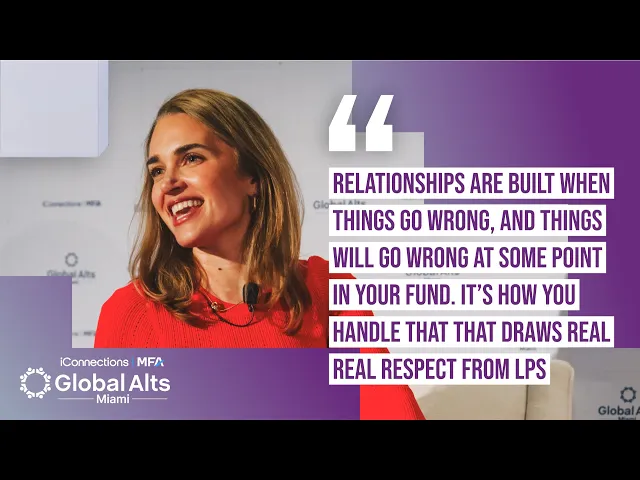
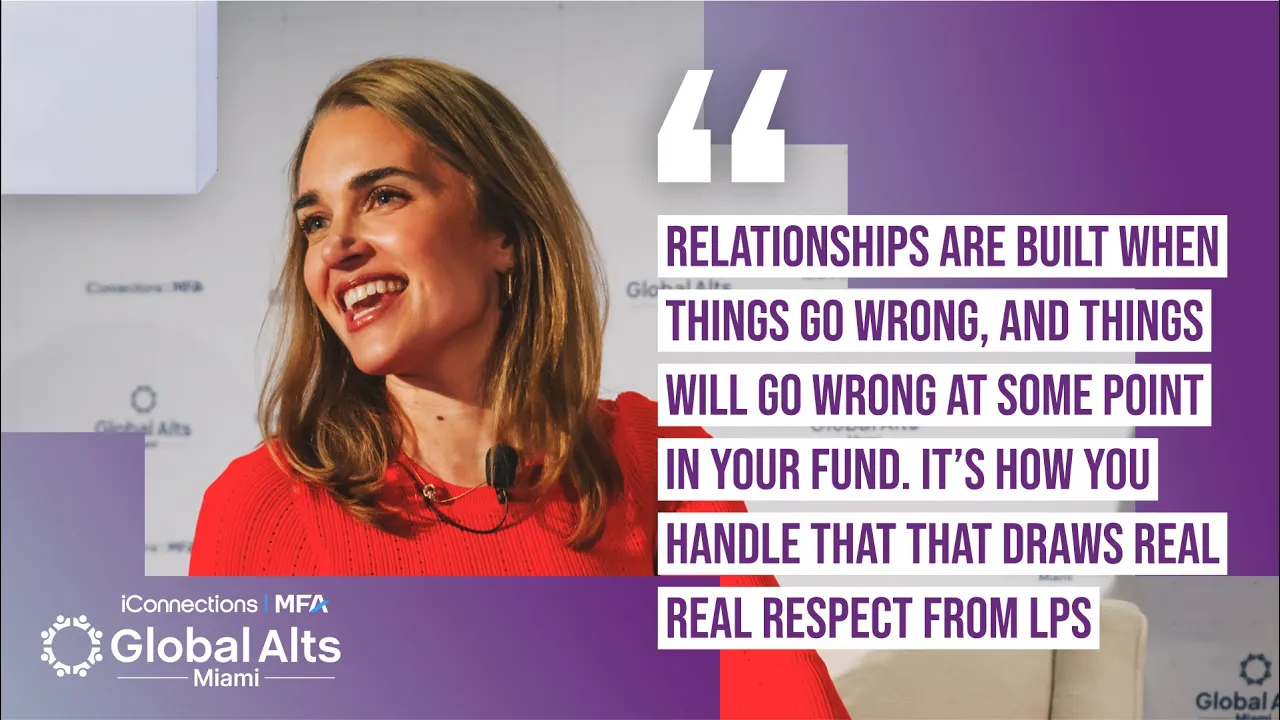
but he owned that he shouldered all the responsibility he didn't blame it on his coaching staff the players it was his and I think that really um you know inspires a a team and you know cre a longer um you know more successful relationship I think if there's one thing that I would leave to a generation of people that do fundraising and capital formation and investor relations people from the lessons I've learned in my career is relationships are built when things go wrong and things absolutely will go wrong at some point the will hit the
fan in your font Y and it is how you handle that that draws real respect from LPS the framework that I use is actually piee Pi which is what's the problem what's the impact of the problem and what is my exposure to that there is fraud in this company the company's going to zero what is my individual exposure to that in this fund how how exposed I am and and no surprises if you my objective is always to get to an LP before they read something in the press it it scores a lot of points
um and it's tough to do for bad news and it's fabulous for good news it applies to good news too um because the what's going to happen for your LP is they're going to pick someone's their organization's going to pick up the phone and say hey do we have exposure to this company and for you to be armed with the talking points it's really helpful okay we have five minutes left and I want to talk about navigating the current fundraising environment it's really hard and there's tons of funds in the market and differentiation we talk
about differentiation how does someone break through how like what is differentiation mean to you and this applies to venture and it applies to all different parts of the market but talk a little bit about that go uh okay so again we're mostly or we're my te or our the team I'm on is focused on Venture and growth only so I'll talk about it in that context but uh so if you break the Venture job down into its component pieces and I guess this probably actually applies to PE and uh as well but there's the sourcing
of deals uh investment judgment or picking the deals you want to invest in you might want to invest but you still have to win the deal or win the right to lead the round and then the value ad after the fact um increasingly uh a lot of the GPS inventure have been have gone to a very selective University and have worked at a big or have some operating experience whether they are founder themselves or they were an operator at a tech company and so it's getting harder from the lp side to differentiate on the sourcing
and the value ad because the networks are starting to look the same and then the value ad a lot of folks have experience to offer in terms of the movies they've seen before um and so it's really coming down to the uh investment judgment which unfortunately in our asset class takes a really long time but is performance and and or in the nearer term you can look at proof points in terms of uprs or who's following you into deals or investing Downstream from you so there's there's some signal it's imperfect but it's there's some signal
that we use and then the the winning deals you can um talk about a little bit more real time versus the investment judgment but in that you know because we've got a big team we make a lot of calls and do a lot of diligence we know actually you didn't win that deal but we know it was down to you and you know name another sort of top tier firm or whatever um and so that's really how um you know we're starting to uh again it's just getting more and more um uh competitive as the
asset class you know manager proliferation has really um increased dramatically it's really hard out there I almost think of it it's like applying to college right as an LP you're sorting through transcripts and resumés that in many cases look the same thousands and thousands of them and that's it's a hard job it's a hard job and I think just like college that it's um finding that Mutual fit is really key and so a manager that may be perfect for your portfolio may not be perfect for ours and so we really spend time thinking about um
how differentiated a manager is relative to our existing portfolio and how it can complement the portfolio to help the portfolio holistically achieve our targeted objectives I think that people don't talk enough about the fit it's not just about finding Capital it's about finding the capital that's right for you and how you define your business and as LPS you have objectives that you need to reach and as GPS it might be consistency it might be flexibility it might be scaling over the long term so how are some of the ways that you you draw that out
of a GP and and how do you guys think about kind of that Mutual it it's really thinking about alignment and being open and honest again um from both sides around who we are what we need what what our expectations are and and and matching that and determining if that that manager is best suited for that role in the portfolio so we have 90 seconds left and it wouldn't be a topic um or panel with LPS if we didn't talk about the word of the year which is DPI or the term of the year how
so 10 years ago nobody talked about DPI the term literally didn't exist in the nomenclature and now it is really what everyone is talking about which is the you know cash on cash money in the pocket return back to you how do you think about that how do you think about D DPI relative to tvpi what are some of the how important it is is it for you to see a manager that has actually returned Capital obviously this is most relevant for the private markets portion of your portfolio um but maybe just reflect on that
element for people that maybe have raised two funds and they haven't returned a lot of capital back yet but they you know they've got to prove their strategy yeah over time assuming we're talking about early stage not you know some of our growth um focused pools uh I think if you're a 2017 vintage I guess now that we're in 25 we'll we'll kind of start to flip that over to 2018 it'll become more in the aperture but and you're at a zero DPI then you know we'll start to kind of ask about that I think
if you have DPI um that is that has organically um arrived uh in a newer fund than that that's great to your question about whether it's manufactured or again there was just a natural exit um for us I don't think we we don't look we don't frown upon that at all I will say you know we have a very large secondary practice so we're often on the buy side so just you know for full transparency um but I think it shows a level of uh awareness and understanding of the business you know we were talking
earlier about um sort of the the non-glamorous parts of being a GP are understand in just portfolio construction math reserves recycling just how you're going to get to the fund level return that you have told your LPS you're aspiring to get and DPI I think Falls in that category and if you can get there I think it shows a level of awareness about you just managing your business that is still a little bit um would if you if you showed that it would you were you would be exceeding expectations it is the word of the
year for good reason it is absolutely critical we need DPI in order to pay our faculty salaries to pay students uh financial aid and for our foundations to make grants in the community we can't do that with tvpi and so it's absolutely critical and managers need to to Dem to provide that liquidity and demonstrate a path to it and I think fortunately the good news is there are emerging tools as you noted that can help to generate liquidity from less traditional means than we have in the past I'm just waiting thank you both so much
thank you all for listening um we really appreciate you spending the time [Applause]