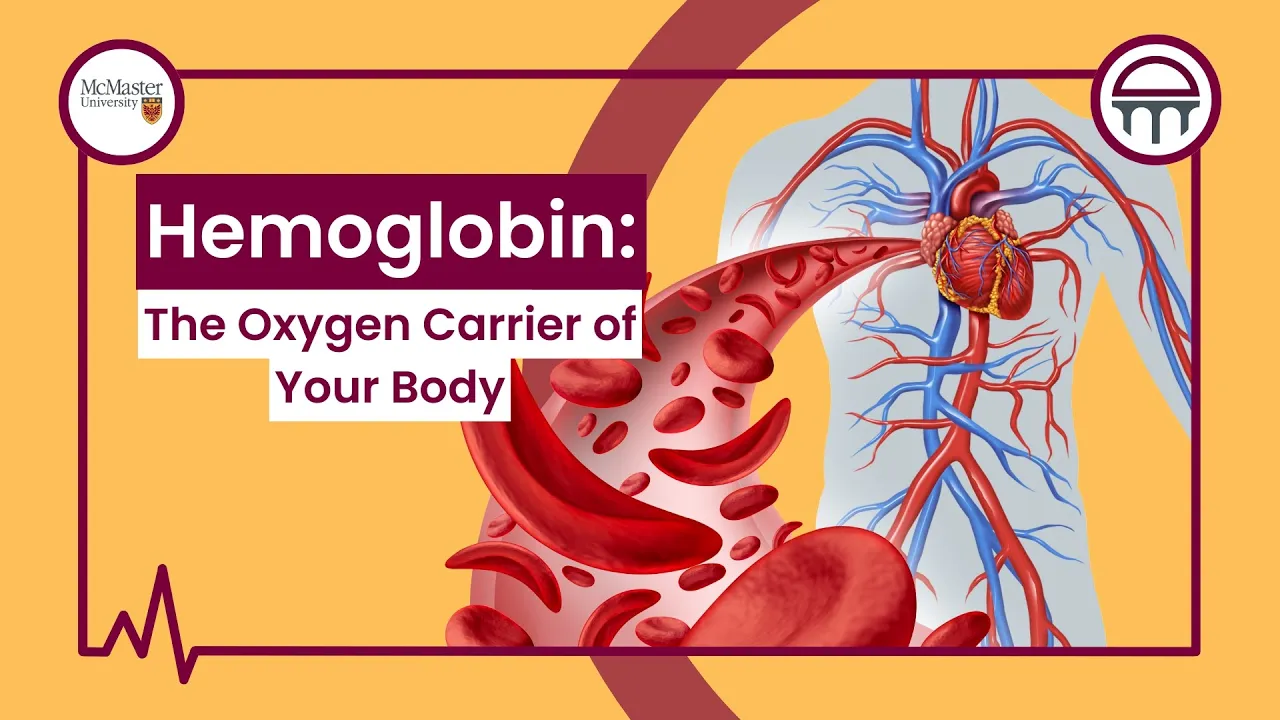
in this video we will be exploring how our red blood cells play an important role in how we breathe we will explain the structure of the protein in our red blood cells called hemoglobin which is crucial in the process of gas exchange gas exchange is how oxygen and carbon dioxide enter and exit our bodies during breathing firstly let's talk a little bit about the history of hemoglobin and its Discovery in 1746 a Banes phys I named vincens Antonio Mangini wrote that he had burnt blood to obtain a red powder that was attracted to a magnet
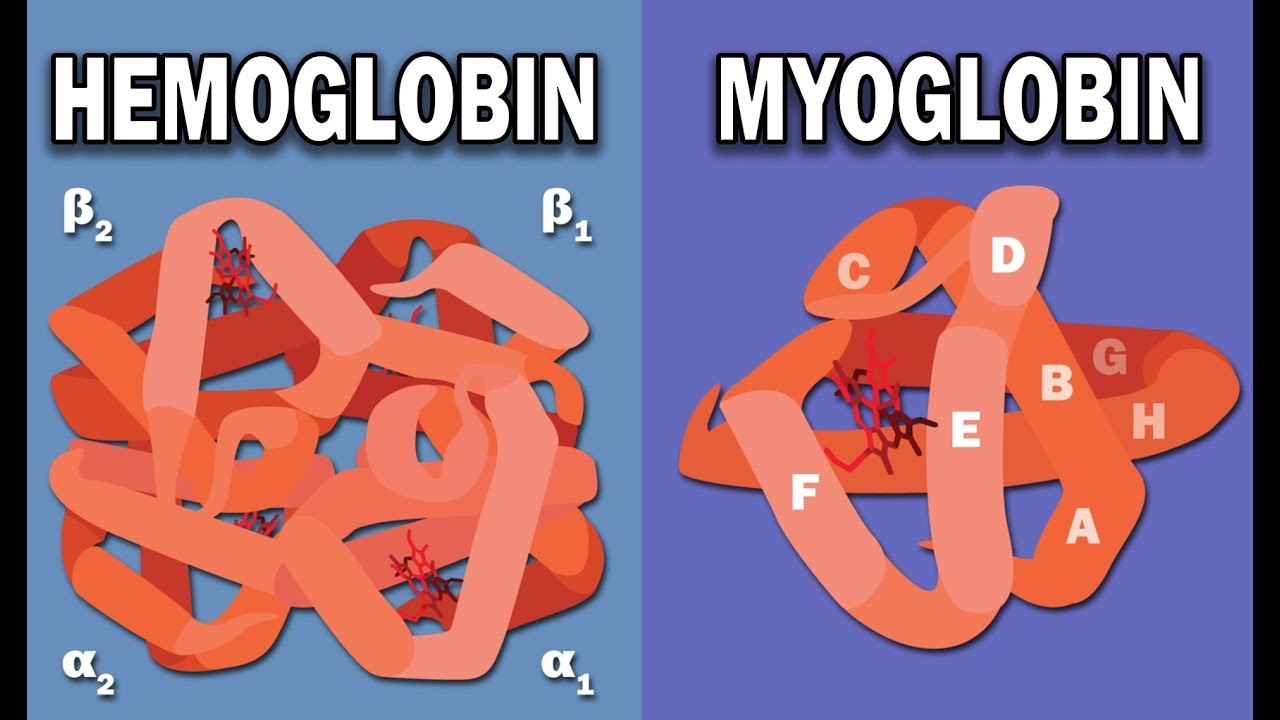
correctly inferring that it contained iron brazus in the following Century confirmed this finding and chemically split the blood pigment into two components a protein structure known as globulin and a red compound containing iron oxide known as he this was a start of iron therapy for anemia hope sailor was the one who coined the term hemoglobin in 1862 and determined its structure for further study taking a closer look at the hemoglobin structure you can see that there are four subunits shown here by the different colors in the schematic illustration of hemoglobin every subunit has an iron
atom in the middle which is what binds to an oxygen atom therefore one hoglin molecule itself is able to carry four oxygen molecules before we go any further talking about hemoglobin and what it does in our body it's important to understand our lung Anatomy firstly as you breathe in our air enters our mouths and goes through our trachea which splits into the bronchi which then further splits into the bronchioles and finally ends at tiny microscopic Hollow Stacks called alvioli your alvioli are covered in tiny blood vessels called capillaries that bring red blood cells to the
site for gas exchange here is where the hemoglobin in our red blood cells comes in the hemoglobin will be carrying carbon dioxide produced from the rest of your body the carbon dioxide will detach from the hemoglobin and diffuse which means go through to the alvioli to be breathed out in your lungs there's lots of oxygen because the air you breathe in in your blood there is a lot of carbon dioxide this difference in the amounts of carbon dioxide and oxygen facilitates gas exchange between our capillaries and alveoli so as we mentioned before the iron atoms
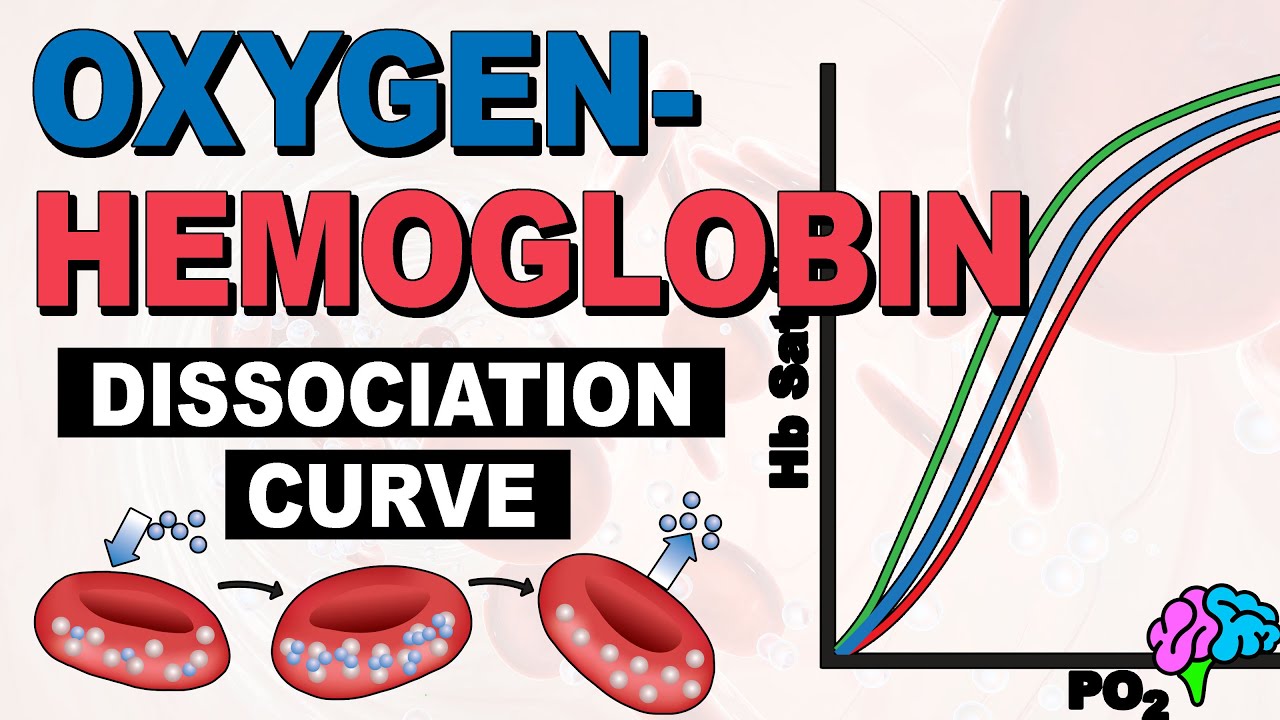
at the center of the hemoglobin molecule are oxygen binding sites thus the amount of oxygen that can be bound is dependent on the amount of hemoglobin present in red blood cells with every breath we take oxygen is able to enter the lungs and diffuse into the surrounding vessels the blood carrying oxygen leaves the lungs in order to oxygenate the rest of the body once oxygen has been dumped off at your tissues the deoxygenated blood returns to your heart in order to get pumped back into the lungs and become oxygenated once again changes to hemoglobin can
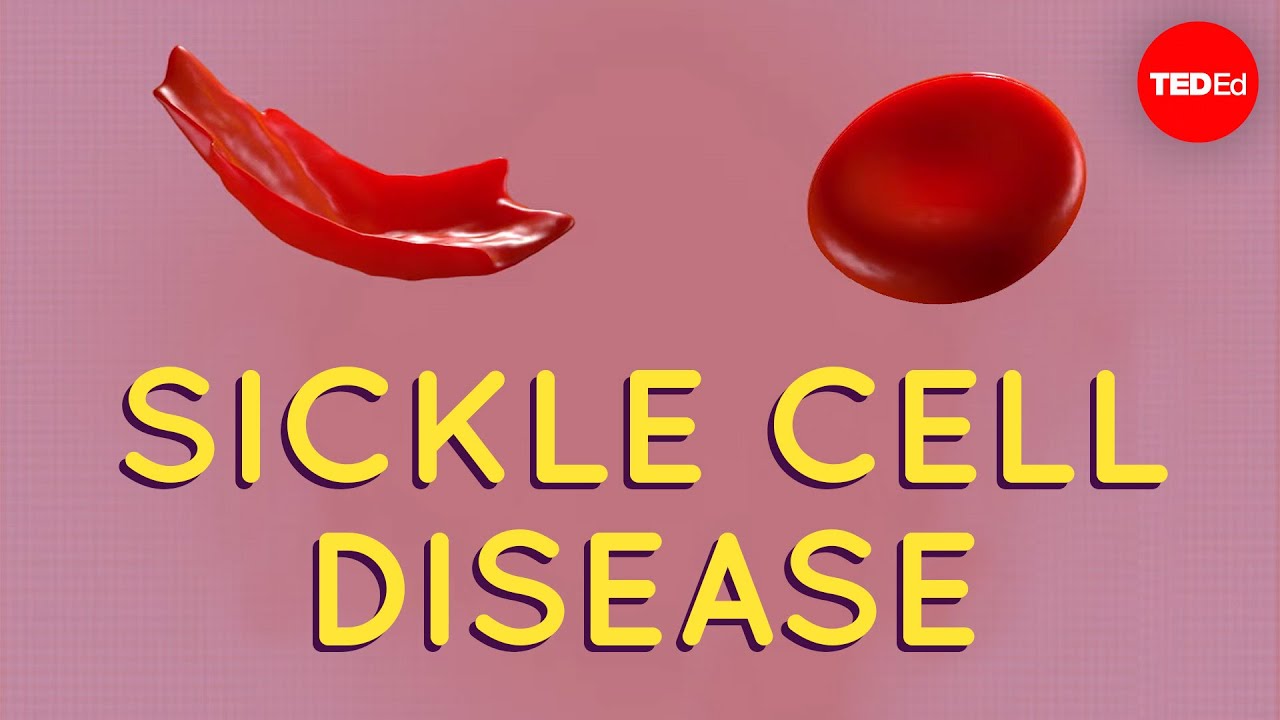
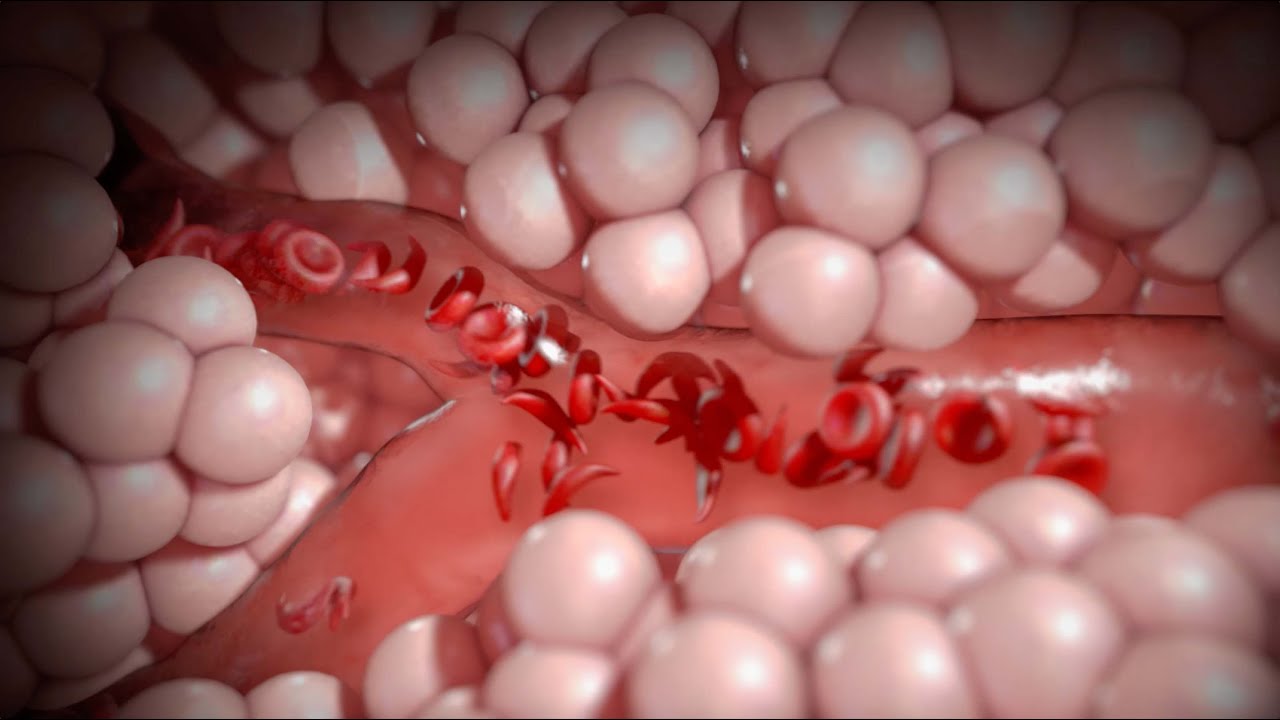
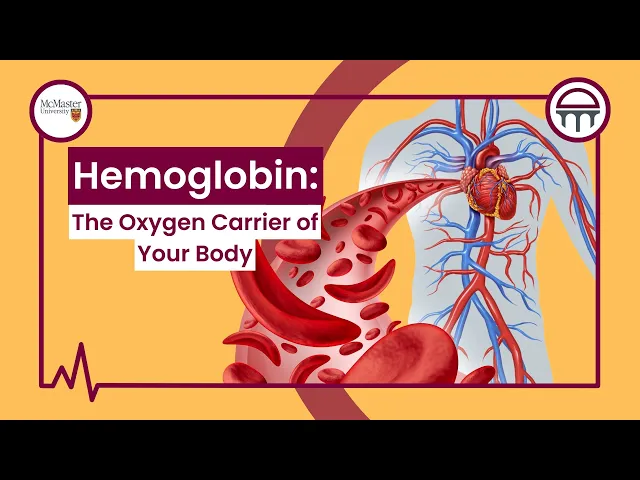
cause serious problems anemia is when you don't have enough red blood cells or hemoglobin in the blood this results in your body being less able able to carry oxygen to the rest of your body cyle cell anemia is a genetic disease that affects hemoglobin which is the oxygen transporter molecule in your blood the disease changes the shape of the red blood cells into a form of what is called sickle shaped these badly formed cells lack plasticity and end up getting stuck in the small blood vessels which prevents your blood body from accessing the oxygen it
needs blood vessel blockages and poor blood oxygen levels may lead to Long long term pain severe bacterial infections and tissue death in conclusion hemoglobin is a very good example that illustrates how protein structure determines its function hemoglobin is made up of four subunits with each subunit containing an iron atom that binds to oxygen as we breathe in oxygen can enter our lungs diffuse into our blood vessels and bind to the hemoglobin in our red blood cells in order to carry oxygen these oxygenated red blood cells travel throughout the body providing oxygen to tissues when oxygen
is released carbon dioxide diffuses into the blood vessels and binds to the red blood cells in order to return to our lungs to get rid of the carbon dioxide we breathe out changes in hemoglobin structure alter its function which may result in anemia thus hemoglobin is an essential component of gas exchange
![❣️Do THIS to Increase Your Hemoglobin Count [FAST]](https://img.youtube.com/vi/hxUNOay9QnI/maxresdefault.jpg)